Dental veneers have become a popular choice for individuals looking to enhance the aesthetic appeal of their smiles. These thin, custom-made shells are designed to cover the front surface of teeth, creating an illusion of perfection. While the cosmetic benefits are undeniable, it’s crucial to understand that dental veneers come with potential dangers and risks that are often overlooked. Informed decision-making requires awareness of both short-term and long-term effects, as well as the implications for overall oral health, supported by advanced porcelain laminate.
The rise in dental veneers usage is driven by celebrity influence, social media trends, and advancements in cosmetic dentistry. However, popularity does not negate the need for caution. Many patients are surprised to learn that veneers are not reversible and require precise preparation of the natural teeth.
Material-Related Risks of Dental Veneers
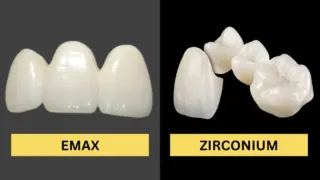
The materials used in dental veneers play a significant role in their durability and potential hazards. Porcelain and composite resin are the most common types, each with unique characteristics. Porcelain veneers are stronger and more stain-resistant, but they are brittle and can fracture under high stress. Composite veneers are easier to repair but are more prone to discoloration and wear over time. This process involves feldspathic ceramic (a type of dental ceramic known for exceptional translucency).
An additional consideration is allergic reactions. Though rare, some patients may experience sensitivity to the bonding agents or the materials used. Research shows that a small percentage of individuals can develop gum irritation or inflammatory responses post-procedure. Being aware of these possibilities allows patients to discuss alternatives and ensure proper pre-treatment evaluations. This process involves minimal prep veneers (veneers requiring only slight enamel reduction).
Tooth Sensitivity and Enamel Removal
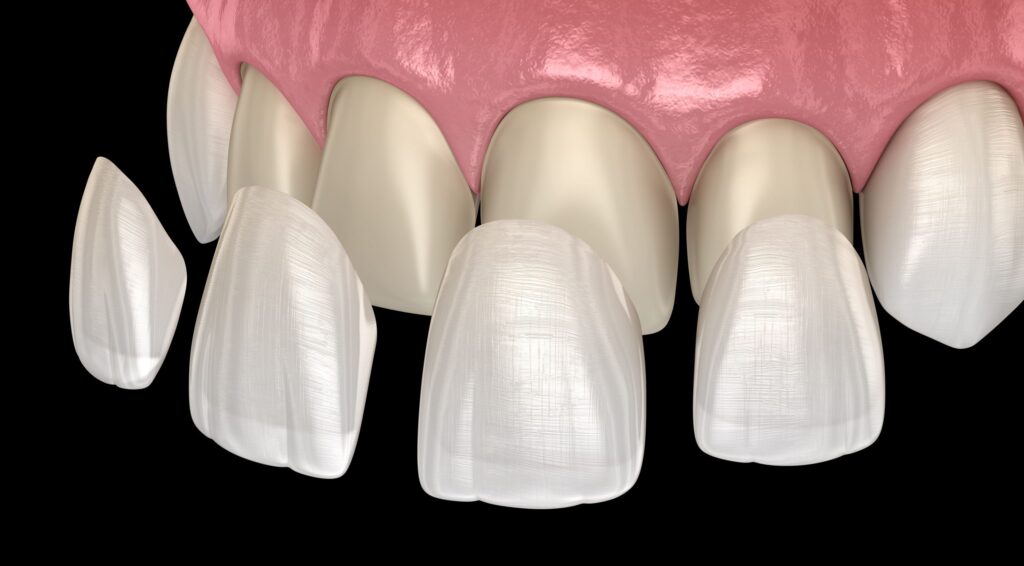
A central risk associated with dental veneers is the removal of enamel. Preparing a tooth for veneers typically involves shaving down a portion of the enamel to ensure proper adhesion. While this is generally safe, enamel removal is irreversible and can increase tooth sensitivity to hot or cold temperatures.
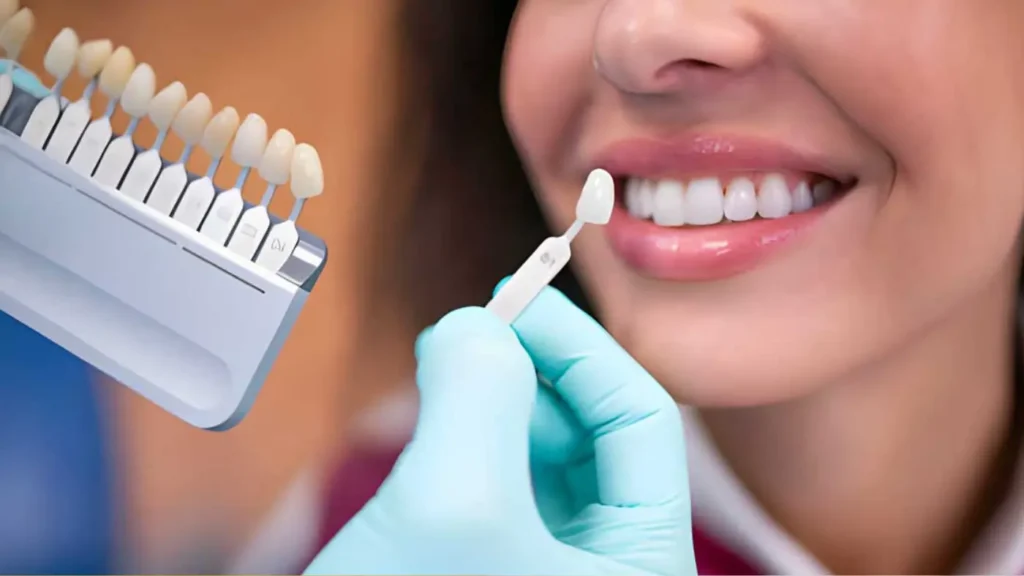
Studies in dental journals indicate that patients with thin enamel layers are particularly susceptible to long-term sensitivity issues. In some cases, this discomfort may persist even after the veneer is fully integrated. Understanding the balance between aesthetic enhancement and preserving natural tooth integrity is key to minimizing potential complications. This process involves Vita shade guide (the standard color reference system used in dentistry).
Veneer Longevity and Failure Risks
Dental veneers are designed to be durable, but they are not immune to failure. Common causes of veneer failure include chipping, cracking, and detachment from the tooth surface. This can occur due to biting on hard objects, bruxism (teeth grinding), or improper alignment.
Statistical analyses suggest that while porcelain veneers have a lifespan of 10-15 years on average, composite veneers may need replacement within 5-7 years. Failure is not only a cosmetic concern but can also expose natural teeth to decay and infection if the underlying structure is compromised. Regular check-ups and protective measures such as night guards are recommended to reduce these risks, supported by advanced lithium disilicate.
Gum Health and Periodontal Concerns
The placement of dental veneers can impact gum health. Poorly fitted veneers or overhanging edges can trap bacteria, leading to inflammation, gingivitis, or more serious periodontal issues. Maintaining oral hygiene becomes critical, as plaque accumulation around veneers may accelerate gum recession or create pockets between teeth and gums.
Additionally, patients with pre-existing gum disease may experience exacerbated conditions after veneer placement. Dentists emphasize the importance of comprehensive periodontal assessment before initiating cosmetic procedures to prevent long-term damage.
Aesthetic and Psychological Considerations
While dental veneers offer a dramatic cosmetic improvement, unrealistic expectations can lead to psychological dissatisfaction. A veneer may not perfectly match the natural color or translucency of adjacent teeth, causing visual imbalance. Some patients may also develop dependency on cosmetic adjustments, feeling compelled to modify additional teeth to achieve uniformity, supported by advanced shade matching.
Psychological research into cosmetic dentistry indicates that managing expectations and providing pre-visualization through digital simulations can significantly reduce dissatisfaction. Awareness of these subjective risks is as important as understanding the physical implications of veneers.
Impact of Bruxism and Lifestyle Factors on Dental Veneers
One of the underestimated risks of dental veneers involves bruxism, or teeth grinding. Individuals who grind or clench their teeth place significant pressure on veneers, increasing the likelihood of fractures or detachment. Nighttime grinding is particularly damaging because it occurs unconsciously, often leading to cumulative wear.
Lifestyle habits also influence veneer longevity. Consuming very hard foods, chewing ice, or using teeth as tools can damage veneers. Furthermore, excessive consumption of staining agents such as coffee, red wine, or tobacco can discolor composite veneers. Being aware of these lifestyle-related risks helps patients maintain their veneers and prolong their cosmetic benefits, supported by advanced dental bonding.
Risks During the Bonding Process
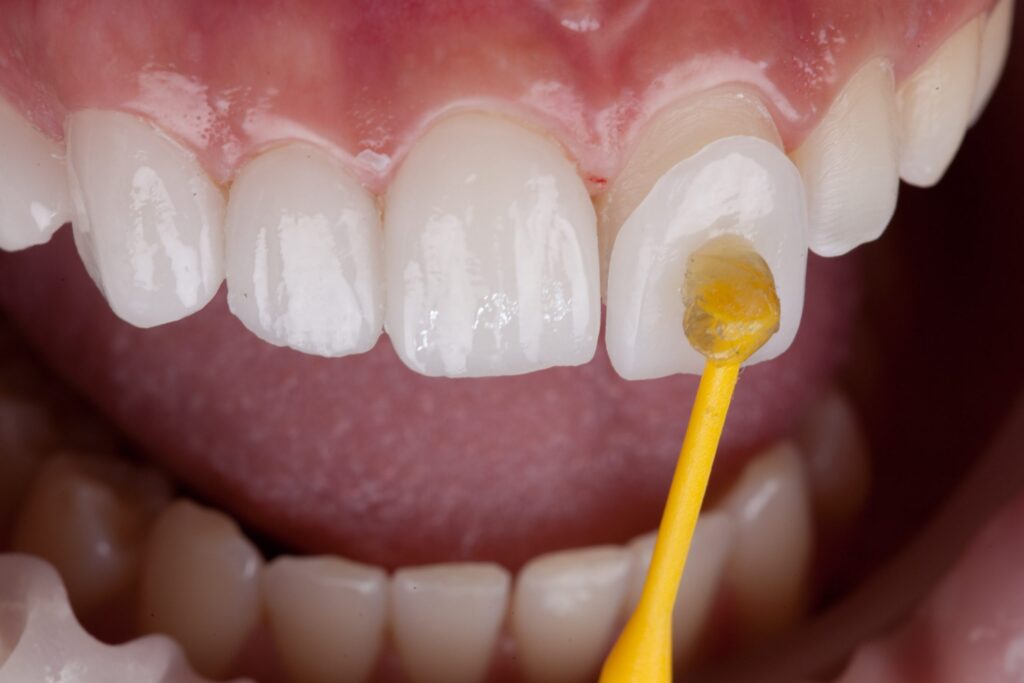
The bonding process is a critical step in placing dental veneers, and it carries its own set of risks. Improper bonding can lead to gaps, microleakage, or weak adhesion. Over time, these gaps may allow bacteria to penetrate beneath the veneer, causing decay or sensitivity.
Research in dental materials science emphasizes that precise technique, proper isolation, and high-quality bonding agents are essential. Even minor deviations can compromise both function and aesthetics. This underscores the importance of selecting an experienced and meticulous dental professional for veneer placement.
Complications Related to Reversibility and Maintenance
Unlike other dental procedures, dental veneers are largely irreversible. Once enamel is removed, the natural tooth cannot be restored to its original state. If a veneer fails or if aesthetic preferences change, replacing it involves additional preparation and potential damage to the underlying tooth.
Maintenance is another consideration. Regular dental visits, professional cleaning, and careful oral hygiene are required to prevent veneer-related complications. Patients must also be educated on the signs of veneer failure, including visible cracks, color changes, or loosening. Proactive maintenance is key to long-term success.
Cost and Socioeconomic Considerations
While not a direct health risk, the financial aspect of dental veneers can indirectly affect patient outcomes. High costs may lead some individuals to opt for lower-quality materials or inexperienced practitioners, increasing the risk of complications.
Moreover, veneer replacement or repair can be expensive, especially if failure occurs sooner than expected. Understanding the full economic implications alongside medical considerations allows patients to make balanced decisions and avoid regrets.
Emerging Risks in New Veneer Technologies
Innovations in dental veneer materials and techniques promise improved aesthetics and durability, but they also introduce unknown risks. New composite resins, bonding agents, or minimally invasive procedures may lack long-term studies. Without longitudinal research, potential complications such as material degradation, allergic reactions, or unforeseen wear patterns remain uncertain, supported by advanced no-prep veneers.
Patients interested in cutting-edge options should weigh novelty against proven outcomes. Consulting with specialists familiar with both traditional and emerging methods ensures a comprehensive understanding of risks.
Mitigating Risks Through Professional Consultation
Despite the potential dangers, many of the risks associated with dental veneers can be mitigated through careful planning and consultation. Comprehensive dental exams, diagnostic imaging, and discussion of patient history are crucial. Dentists can identify pre-existing conditions, recommend optimal materials, and outline realistic outcomes.
Patient education plays an equally vital role. By understanding risks, limitations, and proper care, individuals can enjoy the cosmetic benefits of veneers while minimizing negative outcomes. Preventive strategies, realistic expectations, and professional guidance collectively form a safer approach to cosmetic dentistry.
Psychological Implications of Dental Veneers
The desire for perfect aesthetics drives many individuals to pursue dental veneers, but it’s essential to understand the psychological factors involved. Unrealistic expectations can lead to disappointment, especially if veneers do not perfectly match natural teeth or if minor imperfections persist.
Studies in cosmetic dentistry highlight that patient satisfaction depends not only on technical quality but also on alignment between expectations and achievable results. Awareness of these psychological dimensions helps individuals approach veneer treatment with a balanced mindset, reducing potential regret and stress.
Sensitivity and Tooth Health Concerns
A common risk associated with dental veneers is increased tooth sensitivity. Removing enamel, even minimally, exposes dentin, making teeth more susceptible to temperature changes or acidic foods. Some patients may experience prolonged sensitivity, affecting eating habits and comfort.
Additionally, veneers cannot prevent underlying dental issues such as cavities, gum disease, or enamel erosion. Continuous monitoring is essential. Integrating regular dental checkups ensures early detection of any problems and preserves both oral health and veneer longevity.
Long-Term Durability and Replacement Risks
While dental veneers are designed to be durable, they are not permanent. Porcelain veneers typically last 10–15 years, while composite veneers may last 5–7 years. Factors like oral hygiene, bite force, and material quality influence longevity.
Replacing veneers carries inherent risks. Every replacement procedure involves further enamel removal, potential sensitivity, and bonding challenges. Understanding the life cycle of veneers and planning for eventual maintenance or replacement prevents unexpected complications.
Allergenic Reactions and Material Safety
Although rare, some patients may experience allergic reactions to veneer materials. Composite resins or bonding agents can contain substances that provoke sensitivity or irritation. While most reactions are minor, awareness and pre-treatment testing are advisable.
Material safety studies indicate that high-quality ceramics are generally biocompatible, but emerging materials may have less-established safety profiles. Consulting with a dental professional ensures selection of materials with proven track records.
The Role of Lifestyle in Veneer Longevity
Lifestyle habits significantly impact the durability of dental veneers. High-impact sports without mouthguards, habitual nail-biting, or consumption of extremely hard foods can cause chipping or fracture. Additionally, staining agents like coffee, tea, and tobacco may discolor composite veneers over time.
Integrating protective habits, such as wearing nightguards or avoiding enamel-staining substances, supports both the appearance and function of veneers. Patients informed about these factors are more likely to experience long-term satisfaction.
Final Thoughts on Dental Veneers Risks
In conclusion, while dental veneers provide an effective solution for cosmetic enhancement, understanding their potential dangers is crucial. Risks span physical, psychological, and financial dimensions, from tooth sensitivity and material failure to unmet aesthetic expectations and long-term maintenance.
Through informed consultation, careful planning, and proactive lifestyle choices, patients can enjoy the benefits of veneers while minimizing adverse outcomes. Awareness, education, and professional guidance are essential for safe, effective, and satisfying cosmetic dentistry.