Mouthwash has quietly become one of the most discussed products in daily oral care routines. From ancient herbal rinses to modern laboratory formulated solutions, mouthwash has evolved into a symbol of freshness, hygiene, and confidence. At Livera Clinic, this topic is explored not as a simple habit, but as a cultural and scientific phenomenon that reflects how people think about oral cleanliness today.
The modern interest in mouthwash goes far beyond fresh breath. People often wonder what it really does, how it works, and why it occupies such a central place in oral care conversations. This comprehensive guide approaches mouthwash from a scientific yet engaging perspective, focusing on how it is perceived, formulated, and used across different lifestyles without offering medical advice.

The Science Behind Mouthwash and Oral Environment
The oral cavity is a complex ecosystem. Mouthwash is often described as a supporting player in maintaining balance within this environment rather than a standalone solution. Researchers frequently analyze how mouthwash interacts with saliva, enamel surfaces, and microscopic organisms that naturally exist in the mouth.
From a formulation standpoint, mouthwash is designed to move quickly across oral surfaces. This rapid contact creates a short but intense interaction with the mouth’s chemistry. Studies often focus on how mouthwash ingredients disperse, how long they remain active, and how they influence overall oral freshness perception rather than permanent changes.
Interestingly, laboratory observations suggest that mouthwash usage patterns matter more than people assume. The timing, frequency, and even rinsing technique can influence how mouthwash is experienced, making it a subject of ongoing academic curiosity.
Types of Mouthwash and How They Differ
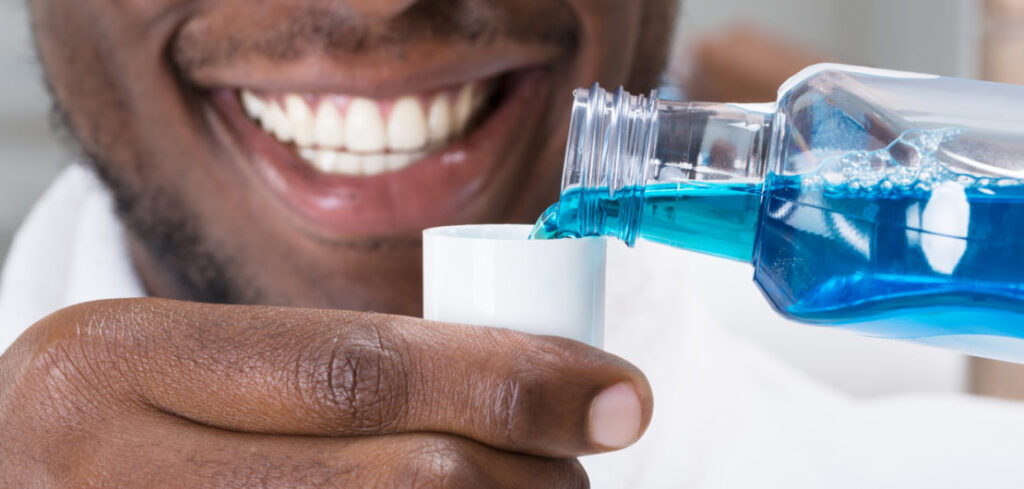
Not all mouthwash products are created with the same purpose or audience in mind. Commercially available options vary significantly in composition, texture, and sensory effect. Some mouthwash solutions focus on intense flavor, while others prioritize a neutral or mild sensation.
Alcohol based mouthwash varieties are often associated with a strong, cooling effect. In contrast, alcohol free mouthwash options tend to emphasize comfort and longer lasting freshness perception. Both types are studied extensively for how users psychologically associate sensation with cleanliness.
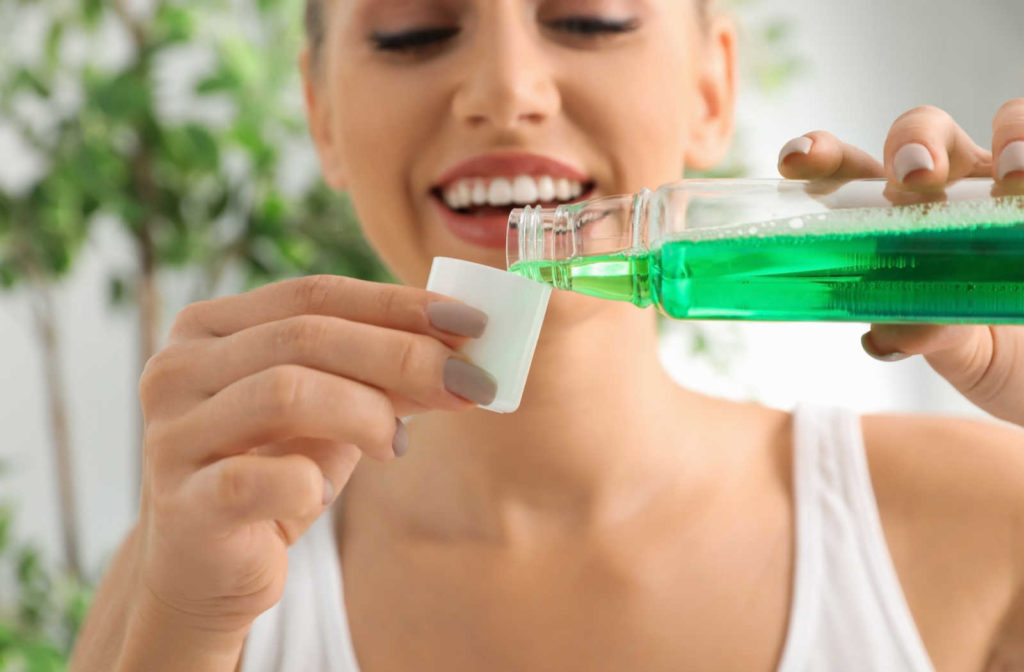
Color, viscosity, and aroma also play an important role. Researchers analyzing consumer behavior note that visual and sensory cues strongly affect how effective a mouthwash feels, even before any scientific measurement is considered. This makes mouthwash an interesting intersection of chemistry and perception.
Key Ingredients Commonly Found in Mouthwash
The ingredient list of a typical mouthwash often reads like a blend of science and nature. Flavoring agents, botanical extracts, and stabilizers are carefully balanced to create a consistent product experience. Scientists examine how these components interact over time and under different storage conditions.
Some mouthwash formulations rely heavily on essential oils, while others use synthetic compounds to achieve stability and shelf life. The choice of ingredients directly impacts taste longevity, clarity, and overall mouthfeel. This is why mouthwash development is often handled by multidisciplinary teams.
Interestingly, ingredient transparency has become a major topic. Consumers increasingly want to understand what goes into their mouthwash, leading to detailed labeling and educational content from clinics like Livera Clinic that focus on informed awareness rather than instructions.
The Role of Mouthwash in Daily Oral Rituals
Daily routines shape how mouthwash is perceived. For some, it represents a final step that signals completion. For others, mouthwash is used as a refreshing pause during the day. Behavioral studies show that consistency plays a key role in how people value mouthwash in their routines.
Cultural habits also influence usage. In some regions, mouthwash is considered essential before social interaction, while in others it is reserved for special moments. These patterns highlight that mouthwash is as much a social product as it is a hygienic one.
Psychologists studying oral care habits often note that mouthwash creates a strong sensory memory. The lingering taste can reinforce feelings of cleanliness, making mouthwash a powerful reinforcement tool within daily rituals.
Innovations and Research Trends Around Mouthwash
Innovation in mouthwash development has accelerated in recent years. Research laboratories continuously test new flavor profiles, delivery systems, and ingredient combinations. The goal is often to enhance user experience while maintaining product stability.
Some emerging mouthwash concepts explore encapsulated flavors that release gradually. Others examine texture changes that allow mouthwash to feel smoother or more water like. These innovations are usually backed by extensive testing and consumer feedback analysis.
Academic publications increasingly treat mouthwash as a case study in applied chemistry and consumer science. This growing body of research highlights how even a familiar product can evolve through innovation and thoughtful design.
Choosing a Mouthwash That Matches Personal Preferences
Preference plays a major role when selecting a mouthwash. Taste sensitivity, aroma tolerance, and texture expectations differ widely among individuals. Market research shows that people are more likely to continue using a mouthwash that aligns with their sensory comfort.
Packaging and branding also influence perception. A minimalist design may suggest purity, while vibrant colors often signal intensity. These cues shape how a mouthwash is interpreted before it is even opened.
At Livera Clinic, the emphasis is on understanding how personal preference and informed awareness intersect. Mouthwash selection becomes less about right or wrong and more about alignment with individual habits and expectations.
Understanding Mouthwash Beyond Fresh Breath
Fresh breath is often the most visible association with mouthwash, but researchers argue that this view is incomplete. Mouthwash also represents an evolving conversation about self care, confidence, and personal presentation.
Sociological studies suggest that mouthwash usage is tied to professional and social identity. People often associate a clean mouth with preparedness and attentiveness. This makes mouthwash a subtle yet powerful symbol in daily life.
By examining mouthwash through multiple lenses, scientific, cultural, and behavioral, a richer understanding emerges. It becomes clear that mouthwash is not just a product, but a reflection of modern hygiene values.
A Thoughtful Look at Mouthwash
When viewed through research, culture, and personal habit, mouthwash reveals itself as far more complex than it first appears. It blends chemistry with psychology, routine with ritual, and science with sensory experience.
This exploration by Livera Clinic highlights how mouthwash continues to evolve through innovation and user awareness. Rather than offering instructions or guarantees, understanding mouthwash empowers individuals to engage with oral care knowledge more thoughtfully and confidently.