Modern orthodontics has entered a new era where aesthetics and functionality meet comfortably. Invisible Braces have become one of the most talked about orthodontic solutions, especially for individuals who want to improve their smile without drawing attention to the treatment itself. At Livera Clinic, this approach is discussed not as a trend, but as a reflection of how dental technologies and patient expectations evolve together.
Invisible Braces combine subtle appearance with structured tooth movement, creating an experience that feels less intrusive than traditional metal systems. In this article, the focus is on understanding how invisible braces and ceramic brackets fit into contemporary orthodontics, what makes them appealing, and why they are increasingly preferred by adults and image conscious teens alike.
Understanding Invisible Braces in Modern Orthodontics
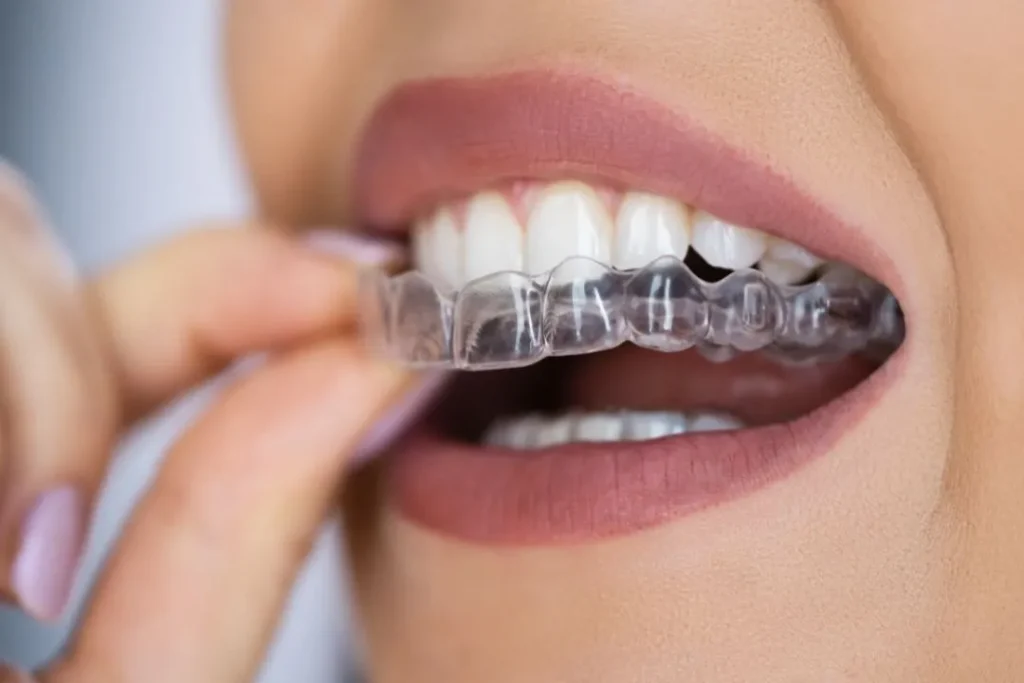
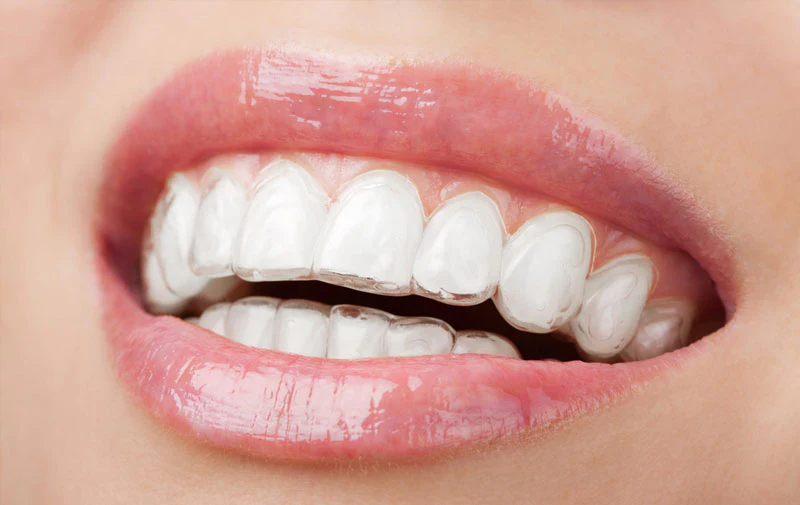
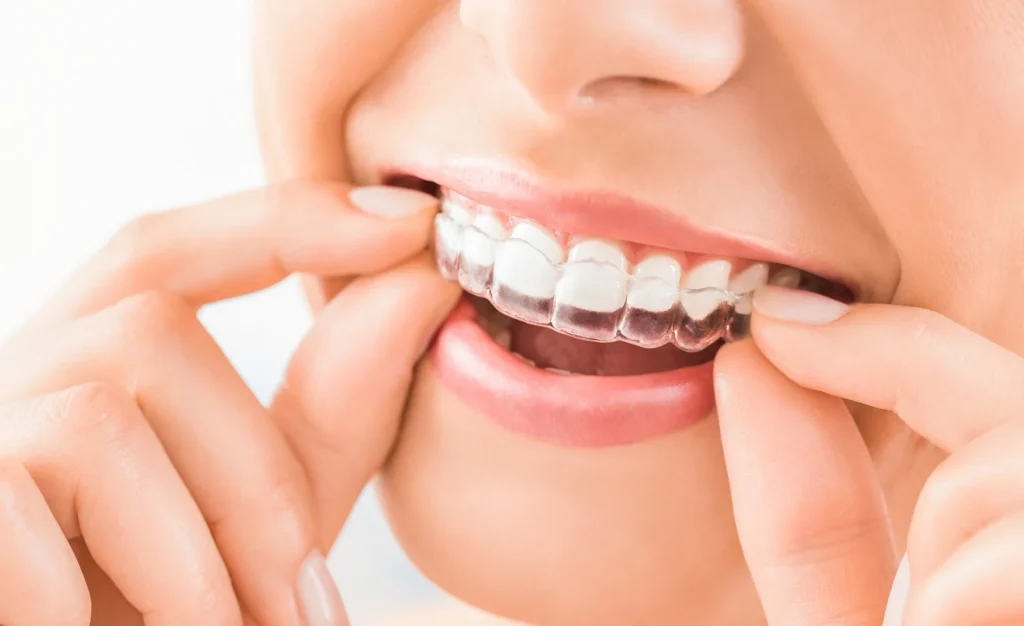
Invisible Braces are designed to blend naturally with the teeth, reducing the visual impact commonly associated with orthodontic appliances. Unlike classic metal brackets, these systems often rely on ceramic materials or clear aligner concepts that visually merge with enamel tones.
From an orthodontic perspective, invisible braces are not a single product but a category. Ceramic brackets, tooth colored wires, and clear attachment systems all fall under this umbrella. The shared goal is discretion. Patients exploring Invisible Braces usually value professional appearance, social confidence, and comfort during long treatment periods.
Another notable aspect is psychological comfort. Studies in dental sociology suggest that patients who feel less self conscious about their orthodontic appliances are more likely to maintain consistent oral hygiene habits. In this sense, invisible braces indirectly support better daily care routines by lowering emotional resistance to treatment.
How Ceramic Brackets Support Invisible Braces Systems
Ceramic brackets play a key role in many Invisible Braces solutions. These brackets are crafted from translucent or tooth colored materials that reflect light in a way similar to natural enamel. This optical property helps them remain visually subtle even at close range.
Functionally, ceramic brackets work similarly to metal ones. They guide tooth movement through controlled pressure, supported by archwires and elastics when needed. The difference lies mainly in appearance and surface texture. Ceramic materials tend to feel smoother against lips and cheeks, which some users describe as more comfortable during everyday speech and eating.
From a materials science viewpoint, ceramic brackets represent an evolution in orthodontic engineering. Their durability has improved significantly over the years, addressing earlier concerns about brittleness. This advancement has strengthened the reputation of Invisible Braces as a reliable option rather than a cosmetic compromise.
Invisible Braces vs Traditional Metal Braces
When comparing Invisible Braces to traditional metal braces, the most immediate difference is visual. Metal braces are designed for strength and efficiency, while invisible braces emphasize discretion alongside function.
However, the comparison extends beyond looks. Invisible braces often appeal to adults in professional environments, where visible orthodontic appliances may feel distracting. Research into patient preference shows that perceived social impact strongly influences orthodontic choices, sometimes even more than treatment duration.
On the technical side, traditional braces may offer slightly more resistance to heavy forces, which can be relevant in complex orthodontic cases. Still, Invisible Braces have proven effective in a wide range of alignment scenarios, especially when treatment planning is carefully customized.
Aesthetic and Psychological Impact of Invisible Braces
The aesthetic advantage of Invisible Braces goes beyond vanity. Appearance influences communication, self esteem, and social interaction. Individuals who feel confident in their smile often engage more openly in professional and personal settings.
Psychological studies related to dental aesthetics suggest that discreet orthodontic solutions reduce treatment related anxiety. Ceramic brackets, as part of invisible braces systems, help patients feel that their orthodontic journey remains private. This sense of privacy can be particularly valuable during long term treatments.
At Livera Clinic, invisible braces are often discussed as a lifestyle compatible solution. The goal is not only to align teeth but also to align treatment with daily routines, social expectations, and personal comfort.
Who Typically Chooses Invisible Braces
Invisible Braces attract a diverse group of patients, though certain patterns stand out. Adults who postponed orthodontic treatment earlier in life often revisit the idea when invisible options become available. For them, discretion is a deciding factor.
Teenagers also show interest, especially those concerned about peer perception. Ceramic brackets allow younger patients to undergo orthodontic care without feeling overly exposed. This demographic shift has contributed to the broader acceptance of invisible braces across age groups.
Another growing group includes individuals in public facing professions. Presenters, educators, and client facing professionals often prefer Invisible Braces because they maintain a polished appearance throughout treatment.
Maintenance and Daily Experience with Invisible Braces
Living with Invisible Braces involves habits similar to traditional orthodontic systems, yet the experience often feels more refined. Cleaning routines remain essential, as ceramic brackets can be more prone to visible staining if oral hygiene is neglected.
From a user experience perspective, many patients report that invisible braces integrate smoothly into daily life. Speech adaptation tends to be quick, and the reduced visual presence minimizes constant awareness of the appliance.
Orthodontic research highlights that patient satisfaction increases when treatment feels less disruptive. Invisible braces support this by blending into normal routines rather than constantly reminding the wearer of ongoing correction.
Long Term Perspective on Invisible Braces Technologies
The rise of Invisible Braces reflects a broader shift in healthcare toward patient centered design. Orthodontic solutions are no longer evaluated solely by clinical efficiency but also by emotional comfort and lifestyle compatibility.
Technological advancements continue to refine ceramic materials, bonding techniques, and bracket design. These improvements suggest that invisible braces will remain a core part of orthodontic practice rather than a temporary trend.
At Livera Clinic, invisible braces are approached as part of a comprehensive orthodontic philosophy. Each system is evaluated not only for alignment potential but also for how well it supports patient confidence throughout the process.
Invisible Braces as a Balanced Orthodontic Choice
Invisible Braces represent a thoughtful balance between science, aesthetics, and human behavior. They demonstrate how orthodontics adapts to modern expectations without abandoning clinical principles. Ceramic brackets, discreet materials, and refined designs all contribute to a treatment experience that feels both advanced and approachable.
Rather than positioning invisible braces as superior or universal, they are best understood as an option that aligns well with certain lifestyles and priorities. For many, they offer a way to pursue dental alignment while maintaining personal and professional identity.