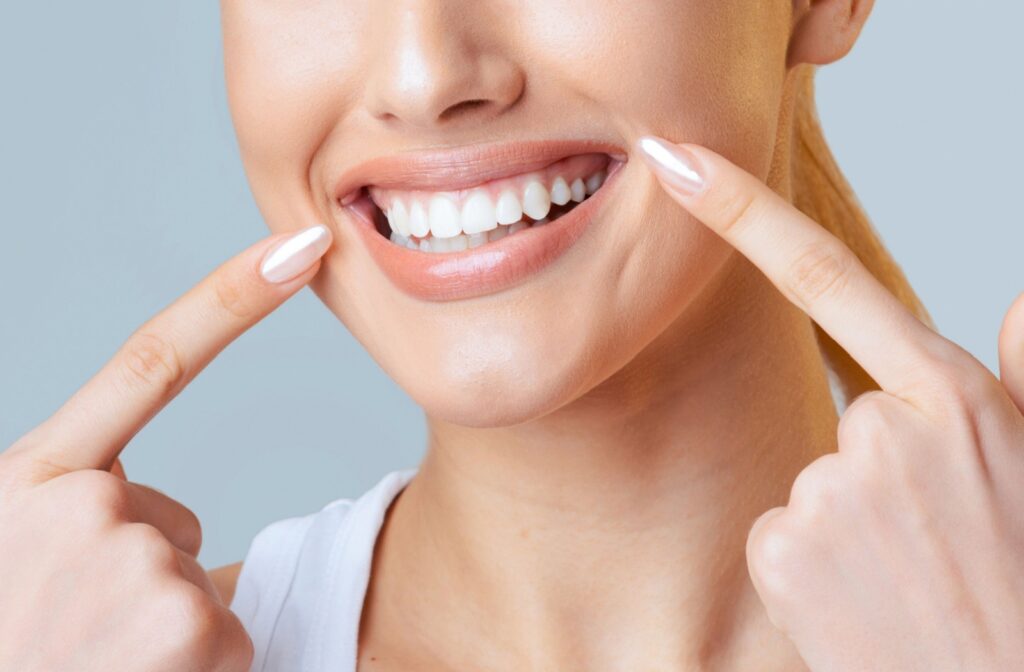
Nowadays, teeth aesthetics are crucial for both health and social appearance. Bright and healthy teeth not only boost self-confidence but also reflect oral health. Many people wonder how to naturally achieve white and healthy teeth.
Main Causes of Tooth Discoloration
The color of teeth is directly influenced by genetics, dietary habits, and lifestyle. The most common cause is external staining. Coffee, tea, red wine, and smoking can penetrate microscopic cracks in the enamel and lead to yellowing.
Another factor is aging. As we grow older, the enamel naturally thins, making the underlying dentin layer more visible. Some medications, especially certain antibiotics, can also affect teeth color.
| Factor | Explanation |
| Genetics | Thickness of enamel and natural color |
| Diet | Coffee, tea, red wine, dark foods |
| Aging | Thinning enamel, increased dentin visibility |
| Medications | Certain antibiotics like tetracycline |
At-Home Whitening Methods
At-home whitening methods are cost-effective but offer limited results. Toothpaste and mouthwashes can reduce surface stains but do not provide deep whitening.
Products containing baking soda or hydrogen peroxide may temporarily make teeth appear brighter. However, excessive use can damage enamel. It’s important to follow instructions carefully and control usage frequency.
Professional Teeth Whitening
Professional whitening treatments performed by dentists are more effective and safer in a clinical setting. Office-based whitening uses high-concentration gels and sometimes laser assistance to achieve visible results quickly.
Advantages of professional methods:
- Quick results: Noticeable whiteness in one session
- Long-lasting effect: More durable than home products
- Safe application: Protects teeth and gums
Home kits can complement professional treatments to extend whitening effects. However, every individual’s teeth respond differently, and sensitivity or restorations may require dentist supervision.
Diet and Lifestyle Effects on Teeth Whitening
Maintaining teeth whiteness depends significantly on diet and lifestyle. Crunchy fruits and vegetables mechanically clean teeth and reduce staining. Calcium-rich foods like milk and cheese strengthen enamel and support natural whiteness.
Smoking is harmful not only to overall health but also to teeth aesthetics. Cigarette smoke causes yellowing and stains. Similarly, frequent acidic drink consumption can accelerate enamel erosion.
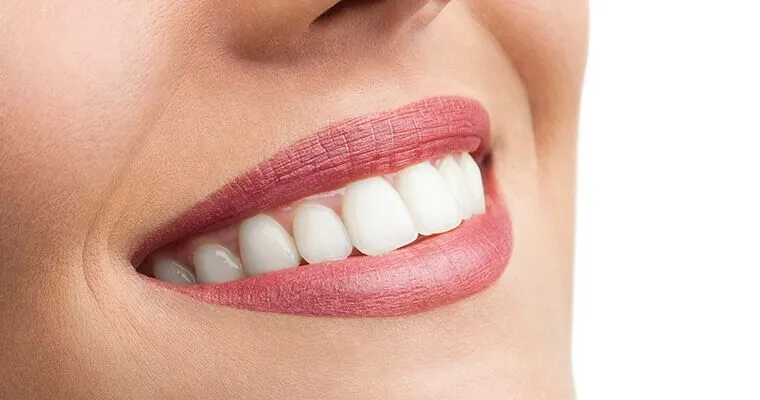
Technological Innovations in Whitening
Recent technological advances have made teeth whitening safer and more effective. LED and laser-assisted home devices can provide results close to clinical treatments.
Nanotechnology-based toothpastes remove micro-stains without damaging enamel. These products create a polishing effect on the tooth surface and offer a healthier long-term appearance.
Side Effects and Precautions
While teeth whitening is generally safe, some side effects may occur. The most common is temporary tooth sensitivity. Excessive whitening or improper product use can weaken enamel.
Proper use of products, whether at home or in a clinic, is crucial. Regular dental check-ups help detect potential issues early and maintain long-term whiteness.
Natural Methods for Whitening Teeth
Certain natural remedies can slightly lighten teeth. For instance, a mixture of strawberries and baking soda, due to their malic acid and mild abrasiveness, can reduce surface stains. However, these methods are mostly superficial and do not provide deep whitening.
Coconut oil pulling can reduce oral bacteria and make teeth appear cleaner and brighter. With regular practice, a mild whitening effect may be noticeable.
Teeth Whitening and Psychological Effects
White and healthy teeth boost an individual’s confidence in social settings. Studies show that bright teeth create a positive first impression. In professional and personal interactions, aesthetic appearance directly influences perception.
Aesthetic satisfaction also motivates individuals to maintain oral hygiene routines. Therefore, white teeth are important not only for appearance but also for psychological well-being.
Long-Term Strategies for Maintaining White Teeth
Permanent whiteness is not achieved with a single treatment. Long-term maintenance requires regular cleaning, proper diet, and professional check-ups.
Low-concentration home whitening products can complement clinical treatments, providing both aesthetic and health benefits.
Teeth Whitening for Different Age Groups
Whitening needs and approaches vary with age. Younger individuals often have naturally brighter teeth, but lifestyle habits like coffee or soda consumption can cause early staining. Adults may require professional treatments for noticeable results, while seniors might focus on gentle maintenance due to enamel thinning. Understanding age-specific needs ensures safe and effective whitening.
Myths and Facts About Teeth Whitening
Many misconceptions surround teeth whitening. For example, some believe all whitening methods damage enamel, but when applied correctly, both professional and home-safe products are largely harmless. Another myth is that whitening is permanent actually, habits and diet affect long-term results. Separating myths from facts helps individuals choose scientifically supported strategies for brighter teeth.