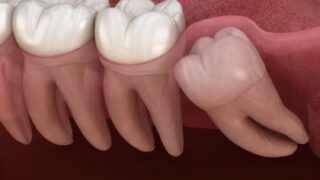
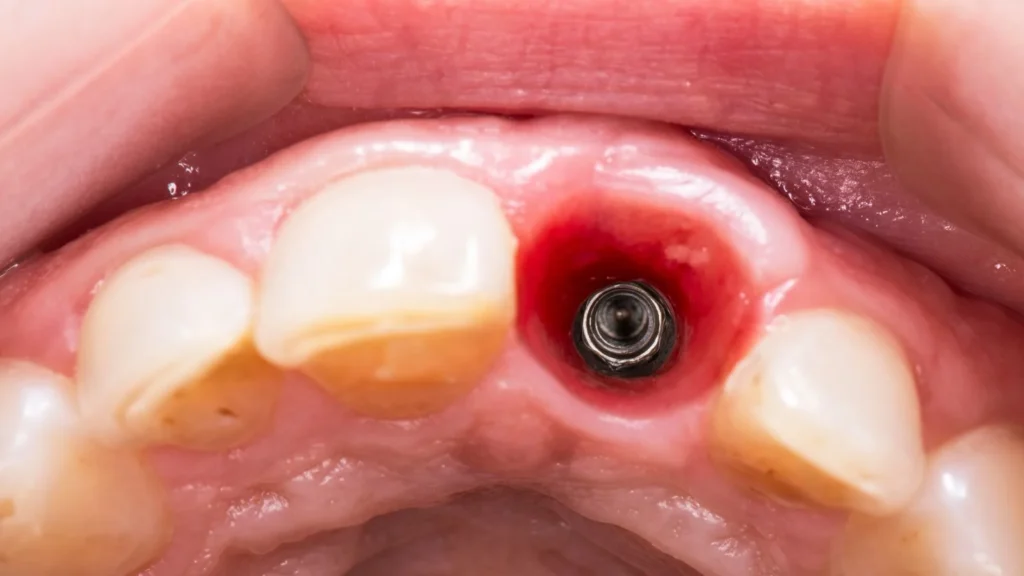
For individuals who have lost teeth, one of the most effective solutions in modern dentistry is the dental implant. Dental implants consist of titanium or zirconium screws placed into the jawbone, restoring the functionality of natural teeth. However, since every patient’s situation is unique, the types of implants and suitability for treatment must be carefully evaluated. In this article, we will examine the different dental implant types, the conditions suitable for treatment, and the factors affecting implant selection in detail. This process involves osseointegration (the biological process where bone tissue fuses directly with the titanium implant surface).
Endosseous Dental Implants
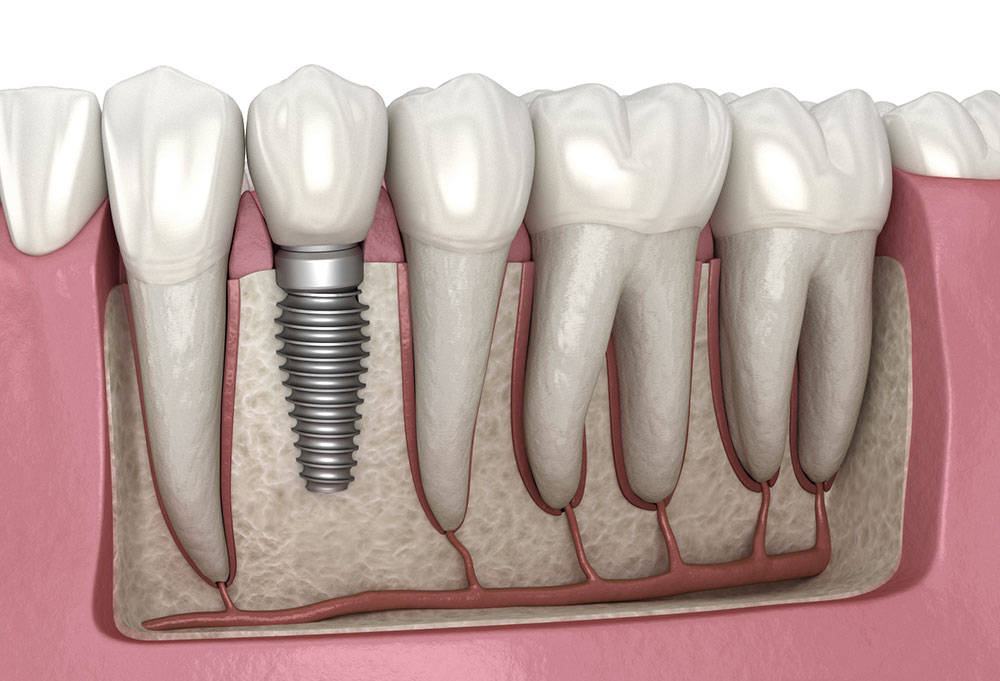
Endosseous implants are among the most widely used dental implant types today. These implants are placed directly into the jawbone and integrate with the bone to provide long-term stability. They are usually cylindrical or screw-shaped and work successfully in both the anterior and posterior regions of the mouth. This process involves alveolar ridge (the bony ridge that supports the teeth).
The advantages of endosseous implants include high success rates, natural use of bone support, and compatibility with various prosthetic options. However, sufficient bone density and the patient’s overall health are essential. Studies indicate that in patients with healthy bone structure, the success rate exceeds 95%, supported by advanced titanium alloy.
Subperiosteal Dental Implants
Subperiosteal implants are a type of dental implant placed under the gum rather than directly into the bone. This method is suitable for patients with insufficient bone volume, particularly those who have lost teeth for a long time and experienced bone resorption.
This type of implant allows minimal invasive surgery on the jawbone. Prosthetics are attached to the top of the implant and provide functional use. However, subperiosteal implants have a more complex surgical procedure, and the healing period is slightly longer compared to endosseous implants. This process involves immediate loading (placing a temporary tooth on the same day as implant surgery).
Zirconia Dental Implants
In recent years, zirconia implants have become popular in the field of dental implants due to increasing aesthetic demands. Developed as an alternative to titanium, zirconia implants are metal-free, reducing the risk of allergic reactions and providing a natural tooth color.
Zirconia implants are particularly preferred in cases where anterior tooth aesthetics are critical. Studies show that zirconia is biocompatible and safe for integration with bone. However, zirconia implants have a slightly higher risk of fracture compared to titanium implants, so careful planning is required. This process involves abutment (the connector piece between the implant and the crown).
Mini Dental Implants
Mini implants are thinner and shorter types of dental implants compared to traditional ones. They are especially used in narrow bone areas or for temporary prosthetics. The minimally invasive surgical application shortens recovery time and provides comfort for patients.
The advantage of mini implants is that they can be applied without the need for bone grafts. However, their load-bearing capacity is limited, and they are usually used for single-tooth restorations or removable dentures. Research indicates that in appropriate cases, long-term success rates are high, supported by advanced bone grafting.
Conditions Suitable for Dental Implant Treatment
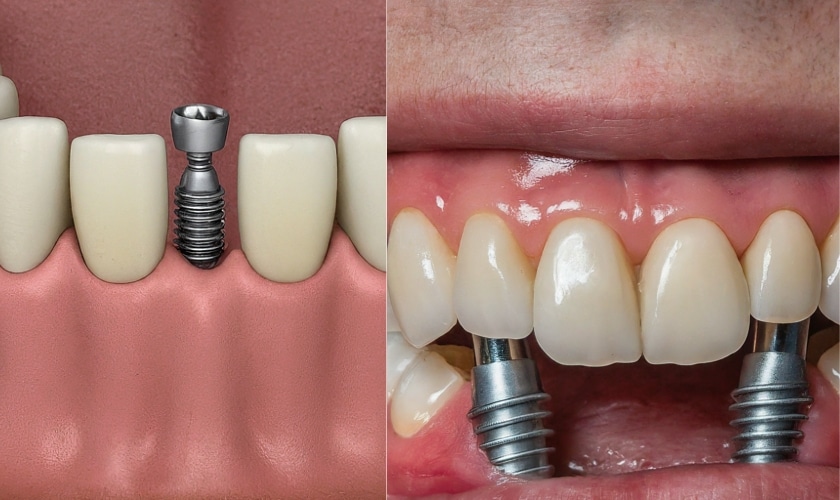
Not all dental implant types can be applied to every patient. Suitability for treatment is closely related to bone structure, overall health, and oral hygiene.
- Sufficient bone volume: Critical for endosseous implants.
- Gum health: Periodontal diseases can negatively affect implant success.
- General health: Conditions like diabetes or immune system disorders may affect healing.
Evaluating these criteria is essential for a successful implant treatment. The dentist reviews clinical and radiological data to determine the most suitable implant type.
Factors Affecting Dental Implant Selection
The choice of implant type is not limited to bone structure alone. Aesthetic expectations, prosthetic type, and cost also play significant roles. For example, zirconia implants are preferred in the front teeth region for aesthetic reasons, while titanium implants are more durable in the back teeth, supported by advanced sinus augmentation.
Additionally, treatment duration and expected healing time influence selection. Endosseous implants provide long-term durability, while mini implants are used for quick stabilization of dentures. Clinical studies show that proper planning can increase implant success rates above 90%.
Advanced Technology and the Future of Dental Implants
Dental technology is constantly evolving, and new innovations are emerging in dental implant procedures. Personalized implants made with 3D printing, digital planning, and robotic surgery enhance treatment success and shorten recovery time.
In the future, biomaterials and nanotechnology will further improve implant longevity and reduce complication rates. These advancements make the treatment process safer and more predictable for patients, offering both functional and aesthetic benefits.
For individuals experiencing tooth loss, dental implants provide a long-term and reliable solution. Endosseous, subperiosteal, zirconia, and mini implants are chosen based on bone structure and aesthetic expectations. Treatment suitability and precise planning are key factors determining implant success, supported by advanced dental prosthesis.
Modern dental technology and ongoing research make implant treatments increasingly safe and aesthetic. Patients can achieve satisfying functional and visual results by selecting the appropriate implant type under expert evaluation.