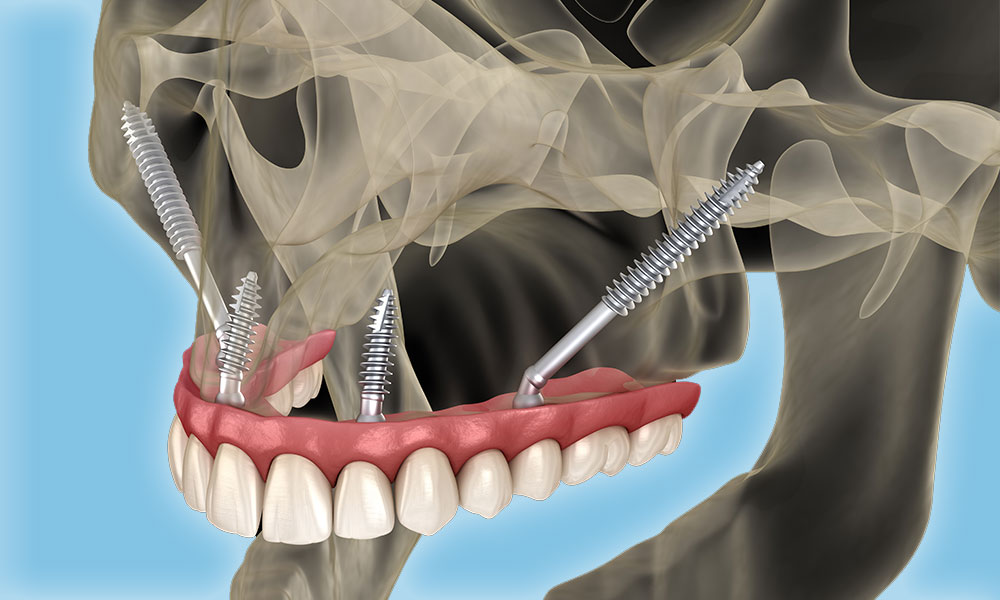
The concept of a Zygomatic Implant has attracted growing attention in advanced implant dentistry, especially in cases where traditional solutions are limited. A Zygomatic Implant is generally discussed as an alternative implant approach designed for patients with severe upper jaw bone deficiency. Rather than relying solely on the maxillary bone, this technique engages the zygomatic bone, also known as the cheekbone, which is naturally denser and more stable.
At Livera Clinic, the topic of Zygomatic Implant applications is often explored from a scientific and analytical perspective. This article aims to explain how a Zygomatic Implant works, why it is considered in complex cases, and what advantages are commonly associated with this method, without making medical promises or absolute claims.
Understanding the Zygomatic Implant Concept
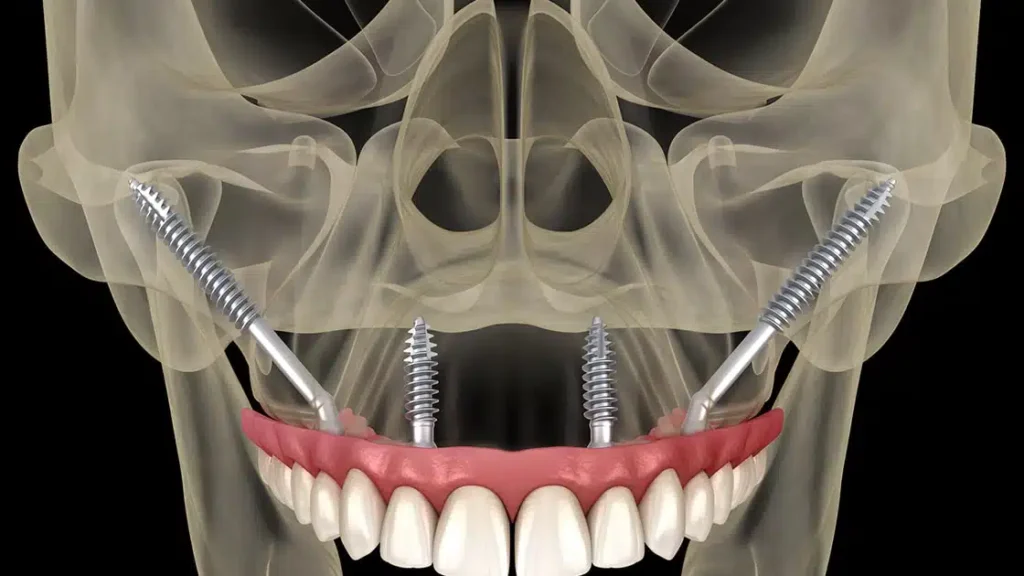
A Zygomatic Implant differs from conventional dental implants in terms of length, anchorage point, and biomechanical logic. While standard implants are placed vertically into the jawbone, a Zygomatic Implant is usually longer and positioned at an angle to engage the zygomatic bone.
From an anatomical standpoint, the cheekbone offers a stronger cortical structure compared to resorbed maxillary bone. This is why the Zygomatic Implant approach is often discussed in relation to advanced bone loss. Researchers frequently describe this technique as a structural workaround rather than a replacement for conventional implantology.
In scientific discussions, the Zygomatic Implant is sometimes referred to as a zygoma anchored implant or cheekbone implant. These alternative terms reflect the same underlying principle of anchoring into denser bone structures for stability.
Why Zygomatic Implant Techniques Are Considered
One of the main reasons clinicians explore Zygomatic Implant techniques is the limitation of bone volume in the upper jaw. Bone resorption may occur due to long term tooth loss, aging, or other contributing factors discussed in dental literature.
Instead of extensive bone grafting procedures, a Zygomatic Implant approach may reduce the need for additional augmentation techniques. This possibility is often highlighted in academic comparisons, where time efficiency and structural stability are analyzed rather than guaranteed.
From a patient perspective, the Zygomatic Implant option is commonly researched by individuals seeking alternatives to multi stage surgical protocols. The method is discussed as a potential pathway to oral rehabilitation in anatomically challenging scenarios.
Structural Advantages of the Zygomatic Implant
The structural logic behind a Zygomatic Implant is rooted in biomechanics. The zygomatic bone has higher bone density, which may offer improved primary stability according to various clinical reports.
Another advantage often mentioned is load distribution. Because a Zygomatic Implant engages a broader anchorage area, chewing forces may be distributed differently compared to traditional implants. This characteristic is frequently examined in biomechanical simulations and retrospective analyses.
It is also noted in publications that the Zygomatic Implant design allows for longer implant bodies, which can increase surface contact with bone. This feature is discussed as a potential contributor to long term functional stability, though outcomes vary across cases.
Zygomatic Implant vs Traditional Implant Approaches
When comparing Zygomatic Implant methods with traditional implant solutions, the primary difference lies in surgical planning. Conventional implants rely heavily on available jawbone height and width, whereas a Zygomatic Implant relies on alternative anatomical support.
Studies often compare these approaches in terms of treatment duration and complexity. While traditional implants may require bone grafting and healing periods, a Zygomatic Implant approach is sometimes described as a more direct solution in specific scenarios.
However, literature also emphasizes that Zygomatic Implant procedures require advanced expertise and detailed imaging. This comparison highlights that the technique is not a universal substitute, but rather a specialized option within implant dentistry.
Materials and Design of Zygomatic Implant Systems
The materials used in Zygomatic Implant systems are typically titanium based, similar to conventional implants. Titanium is frequently discussed in research due to its biocompatibility and long history in dental and orthopedic applications.
Design wise, a Zygomatic Implant is usually longer and features a specific thread geometry. These design elements are analyzed in engineering studies focusing on stress distribution and anchorage efficiency.
In addition, surface treatments applied to Zygomatic Implant models are often similar to those used in standard implants. These surfaces are discussed in relation to bone contact and mechanical integration, without implying guaranteed biological outcomes.
Functional and Aesthetic Considerations of Zygomatic Implant Use
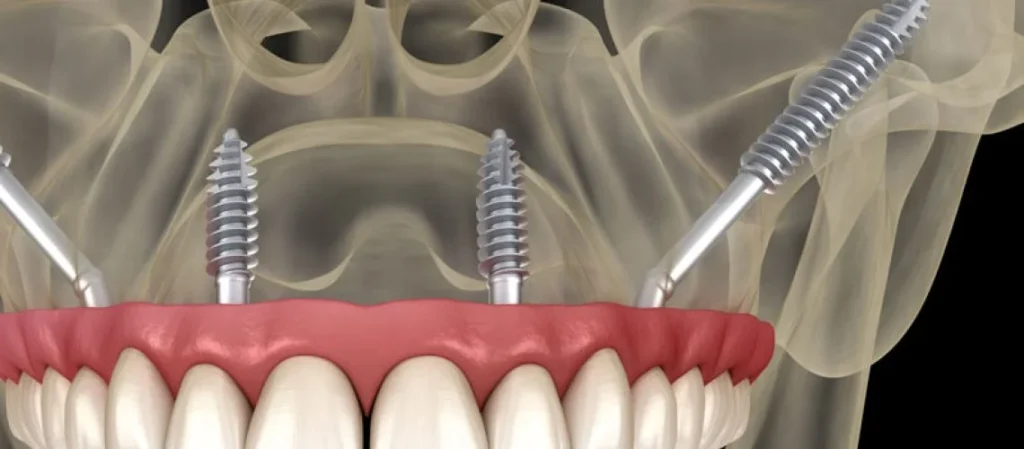
Beyond structural aspects, the Zygomatic Implant approach is also examined from a functional and aesthetic perspective. Functional discussions often focus on oral stability and prosthetic support rather than cosmetic claims.
From an aesthetic standpoint, a Zygomatic Implant may influence facial structure indirectly by supporting dental prosthetics. This relationship is described cautiously in academic texts, emphasizing variability between individuals.
At Livera Clinic, discussions around Zygomatic Implant planning often highlight the importance of personalized assessment. Facial anatomy, bone quality, and prosthetic goals are evaluated together rather than in isolation.
Research Trends and Clinical Perspectives on Zygomatic Implant
Scientific interest in Zygomatic Implant solutions has increased over the past decades. Research articles frequently analyze long term follow ups, mechanical success rates, and patient reported outcomes.
Meta analyses and observational studies often conclude that Zygomatic Implant techniques represent an evolving field rather than a finalized standard. Ongoing innovations in imaging, digital planning, and surgical tools continue to shape how this approach is understood.
From a clinical perspective, the Zygomatic Implant concept is often framed as a solution for specific anatomical challenges. This framing reinforces the idea that the method complements existing techniques instead of replacing them.
In summary, the Zygomatic Implant represents a specialized implant concept designed to address complex anatomical conditions in implant dentistry. By anchoring into the cheekbone, a Zygomatic Implant offers a structurally distinct alternative to traditional methods discussed in scientific literature.
Rather than presenting absolute solutions, the Zygomatic Implant approach is best understood as part of a broader clinical and academic conversation. Its advantages are often analyzed through biomechanics, treatment planning efficiency, and structural stability, all of which depend on individual circumstances.
For readers exploring advanced implant topics, understanding how a Zygomatic Implant fits into modern dental science can provide valuable insight into the evolving landscape of oral rehabilitation.