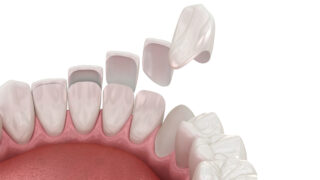
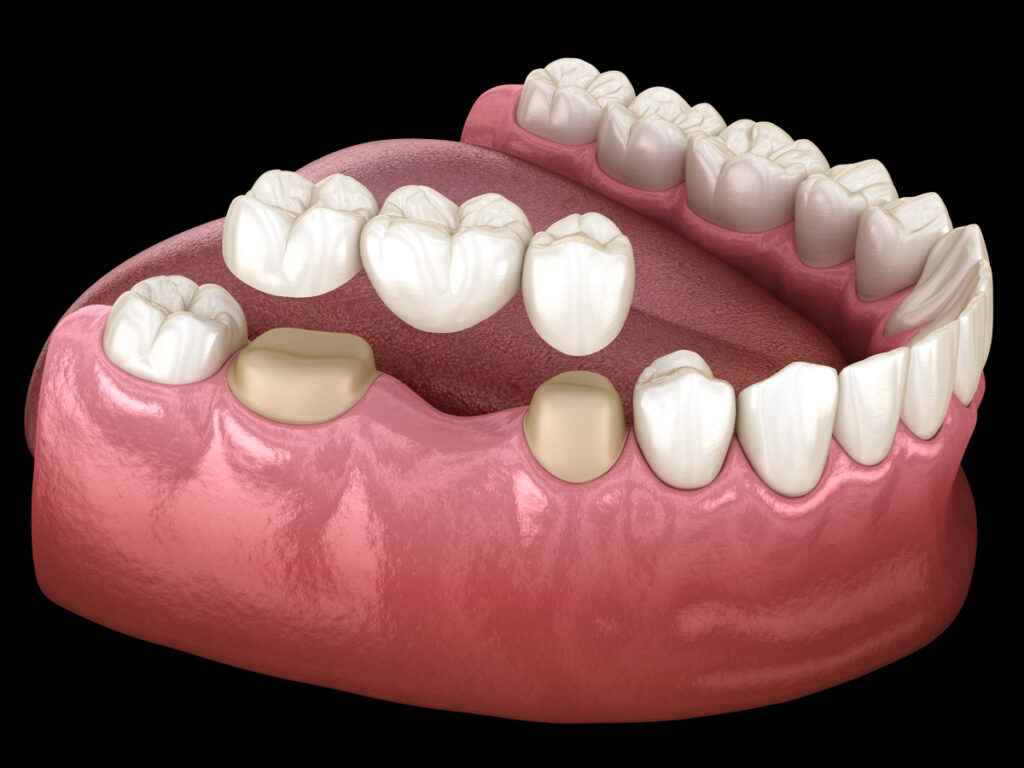
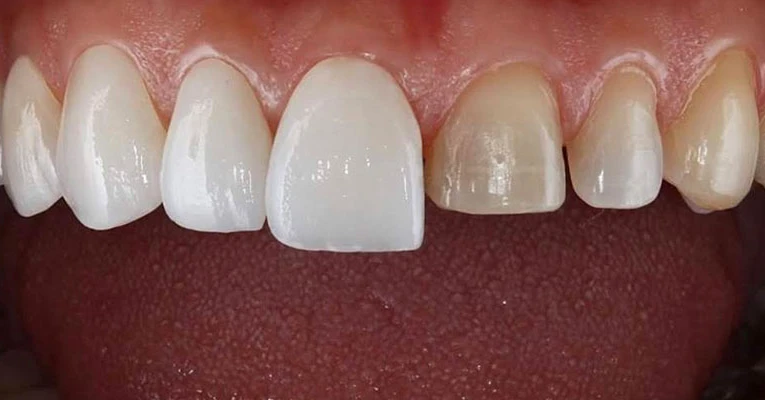
Modern restorative dentistry often requires procedures that involve Tooth Cutting to prepare the tooth for crowns, veneers or structural adjustments. Because this process removes a thin layer of enamel, many people naturally wonder what sensations they might experience afterward and which daily habits may influence their comfort. The goal here is not to give clinical instructions but to help readers understand what typically happens in the period following Tooth Cutting and why the body reacts the way it does. By approaching the topic with observational insight rather than strict recommendations, it becomes easier to interpret sensations that can occur in the days after the procedure.
Although each person’s biological response differs, a wide range of experiences can emerge. Some individuals feel almost nothing while others notice sensitivity when drinking cold water or chewing certain textures. These reactions are part of the tooth’s natural response to change. This article explores that response in depth, providing thoughtful analysis and context so readers can make sense of what they feel without assuming something is wrong.
The Nature of Tooth Response After Tooth Cutting
Because a tooth is a living structure, its reaction to Tooth Cutting can vary significantly. Removing even a small amount of enamel exposes microscopic pathways within the dentin layer, which may heighten awareness of temperature changes. The response is not necessarily painful but often described as a brief, sharp sensation triggered by hot or cold stimuli. How noticeable this is depends on factors such as the remaining enamel thickness, the size of the dentin tubules and each person’s sensitivity threshold.
Environmental triggers can amplify or reduce these sensations. For example, acidic foods may temporarily intensify sensitivity because they influence the mineral balance on the enamel surface. Similarly, pressure during chewing might feel more pronounced for a short period as the tooth adjusts to its new shape. These outcomes are typically temporary since the tooth naturally begins to stabilize after the surface is reshaped. Observing these sensations rather than reacting to them helps individuals understand what feels typical for their own biology.
Many people also report that the surrounding gum tissue feels slightly different after the procedure. This is often related to minor irritation caused by the instruments used during reshaping. While these sensations generally fade on their own, they provide valuable insight into how delicately balanced the oral tissues are and how they respond to even subtle alterations.
Everyday Habits That Influence Comfort After Tooth Cutting
Daily routines can play a noticeable role in how comfortable a person feels after Tooth Cutting. One of the most common behavioral changes is switching chewing sides. People frequently avoid the treated tooth out of instinct, even when there is no functional reason to do so. While this temporary shift helps prevent discomfort, the imbalance in chewing forces can sometimes create mild fatigue on the opposite side of the jaw. This reveals how closely the chewing system relies on symmetrical motion.
Temperature patterns throughout the day can also affect sensations in the tooth. Sudden exposure to extremes, such as drinking very hot tea immediately followed by cold water, may create a short-lived shock effect on the treated area. The dentin layer tends to react more strongly to these rapid shifts because its nerve pathways temporarily become more reactive after reshaping. Understanding these responses allows people to anticipate certain sensations with less concern.
Texture also matters. Crunchy snacks or very tough foods might feel slightly sharper against the newly shaped surface of the tooth. This does not always indicate a problem but can be a reminder of how sensitive oral perception is during the adjustment phase. For many individuals, this heightened awareness gradually decreases as the tooth regains equilibrium.
How Tooth Cutting Affects Bite Alignment and Chewing Dynamics
The bite is a highly coordinated system. When Tooth Cutting alters the height or contour of a tooth, the body briefly reassesses how the upper and lower arches meet. Even a fraction of a millimeter can influence how the jaw distributes pressure during chewing. Some people describe this phase as a feeling that the teeth are “not touching the same way as before.” This perception often fades as the mouth adapts to the new structure.
Chewing patterns during this period can reveal fascinating aspects of oral mechanics. For example, a slight height adjustment on one tooth may shift bite forces toward neighboring teeth. This shift is not usually harmful yet it can create a sense of imbalance until the jaw muscles recalibrate. Many individuals are surprised by how quickly they detect such tiny variations, which shows how sensitive the neuromuscular system is to even small enamel changes.
In some situations, the tongue becomes unusually attentive to the reshaped surface. The tongue is one of the most perceptive organs in the body and may repeatedly examine the area out of curiosity. This repetitive motion can exaggerate the sensation of unevenness, even when the tooth is correctly shaped. Observing this behavior helps explain why certain feelings seem stronger than they actually are.
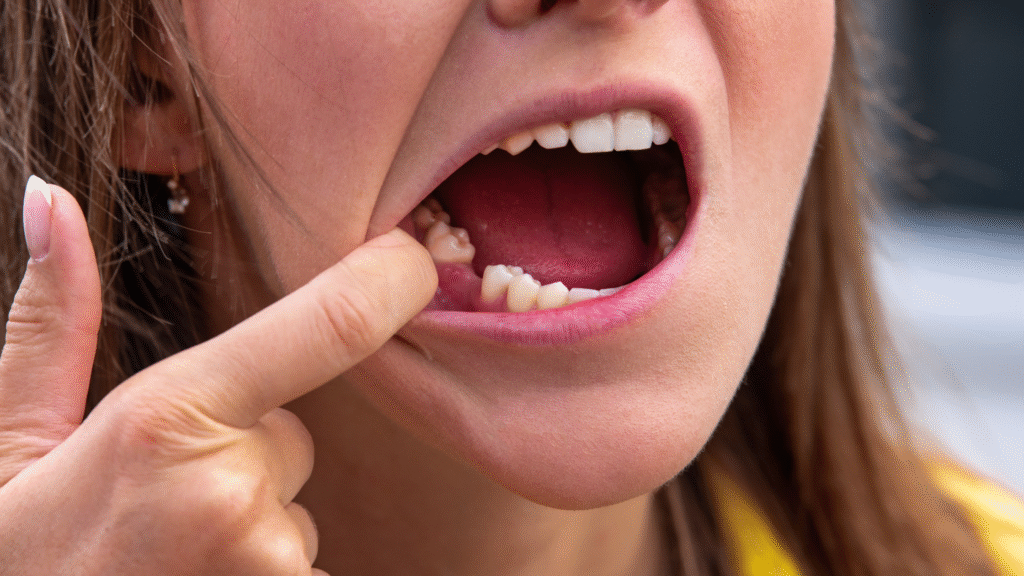
Sensitivity Patterns After Tooth Cutting and Why They Differ
Sensitivity after Tooth Cutting is one of the most commonly discussed topics, yet the pattern varies widely from person to person. For some, the sensation appears only when exposed to cold drinks. Others notice brief tingling when brushing the treated tooth. These patterns can depend on enamel thickness, dentin structure, nerve density and previous dental history. A person with naturally thinner enamel may feel sharper reactions than someone whose enamel is more mineralized.
The emotional context surrounding the procedure can also influence how sensations are interpreted. People who are naturally more alert to bodily changes may focus intensely on each fluctuation, making the tooth feel more reactive than it truly is. This heightened awareness might give the impression that the sensitivity is worsening even when the tooth is actually stabilizing.
Temperature movements inside the mouth create another layer of variability. Oral tissues naturally fluctuate in temperature throughout the day due to breathing patterns, blood flow and food intake. When the dentin is newly exposed from reshaping, it may amplify these fluctuations and make normal sensations feel unusual. Understanding these small physiological shifts helps explain why many people experience temporary sensitivity even when the procedure itself was minimal.
Foods and Drinks That May Feel Different After Tooth Cutting
Certain foods and drinks can feel noticeably different after Tooth Cutting because the sensory receptors on the tooth are temporarily more responsive. Cold beverages are among the most commonly reported triggers. The rapid movement of cold liquid across the treated tooth can cause a quick, sharp sensation that fades almost as soon as it begins. This effect is related to how temperature travels through the dentin more easily after reshaping.
Acidic foods such as citrus fruits or tomato-based sauces may also draw attention to the treated area. Their acidity can momentarily weaken the mineral balance on the enamel, increasing the reaction level. This does not necessarily indicate any damage but shows how chemistry interacts with tooth structure. Some people also report that sugary foods feel slightly more intense in the early days simply because the tooth is more reactive to chemical changes.
Texture is another factor worth noting. Hard snacks like nuts or crusty bread might feel more pronounced on the reshaped surface. This is partly because the tooth is adapting to its new shape and partly because the oral tissues around it, including the periodontal ligament, may be temporarily more sensitive. Observing which textures feel different provides useful insight into how the body responds during recovery.
The Role of Gum and Soft Tissue Reactions After Tooth Cutting
Soft tissues around the tooth can also react after Tooth Cutting. Even when the reshaping itself is minimal, the instruments used during the procedure may gently touch the gum margin. This can cause a slight feeling of tightness or mild swelling that becomes more noticeable when eating or brushing. These sensations typically reflect how responsive the gum tissue is to even the smallest environmental changes.
Individuals often report that air movement inside the mouth feels different during this period. Breathing through the mouth or speaking for long periods may cause brief pulses of coolness around the treated area. These responses highlight how interconnected the gum tissue, tooth structure and nerve pathways are. As the tissues gradually relax, these sensations usually become less prominent.
Another interesting observation is the way saliva interacts with the reshaped surface. Some people notice more saliva accumulation or increased awareness of moisture flow. This is usually not related to any issue but rather the mouth’s natural way of analyzing and adapting to the new contour. Over time, saliva flow patterns normalize and the sensation fades.
Psychological Perception of Sensations After Tooth Cutting
An often overlooked aspect of Tooth Cutting recovery is perception. The mind plays a significant role in how sensations are interpreted. People who are attentive to small bodily changes may find themselves focusing intensely on the treated tooth. This increased attention can make mild sensations feel exaggerated. In contrast, individuals who are less focused on details may barely notice any sensitivity at all.
The brain’s sensory mapping also adjusts to new dental shapes. When a tooth is reshaped, the brain momentarily treats it as unfamiliar. This can create a sense of novelty that draws more attention to the area, even when the physical sensation is mild. Understanding this helps explain why certain feelings seem unusual despite being part of a normal adjustment process.
Additionally, anticipation can influence perception. If someone expects discomfort, the brain may heighten sensitivity signals. Conversely, if a person expects minimal change, their nervous system may downplay the same sensations. These psychological elements illustrate how subjective the post reshaping period can be and why experiences differ so widely between individuals.
Long Term Adaptation and the Natural Stabilization Process
In the weeks after Tooth Cutting, the tooth and surrounding structures typically move toward a stable state. The enamel surface begins interacting with saliva in a more balanced way, helping minerals redistribute naturally. This stabilization often reduces temperature sensitivity and makes textures feel more familiar again. The periodontal ligament also adapts to new pressure patterns, resulting in more even chewing sensations.
Muscle memory plays a role in long term adaptation. The jaw muscles gradually reprogram themselves to the reshaped surface, creating a smoother bite experience. This process is subtle but meaningful. Individuals often notice that chewing becomes more automatic again and that the tooth feels like a natural part of the mouth rather than a recently modified structure.
What makes this phase interesting is the body’s ability to recalibrate itself with precision. Teeth, gums and nerves communicate constantly, sending feedback to ensure balance. Observing these changes offers valuable insight into how complex and responsive the oral system truly is. Over time, the treated tooth usually returns to a sensation that feels familiar and integrated.
Understanding the Post Tooth Cutting Experience
The period after Tooth Cutting is a fascinating combination of biological adjustment, sensory interpretation and environmental influence. While many people focus primarily on sensitivity, the experience encompasses far more. It involves bite mechanics, gum reactions, temperature patterns and the brain’s interpretation of change. None of these sensations necessarily indicate a problem. Instead, they reveal how dynamic the mouth is and how quickly it responds to even subtle modifications.
By paying attention to these factors without overinterpreting them, individuals gain a clearer understanding of their oral environment. This awareness can make the transition after reshaping feel smoother and less unexpected. Every person’s experience differs yet the underlying mechanisms remain rooted in the same biological principles. Recognizing this can help people navigate the process with greater confidence and curiosity.