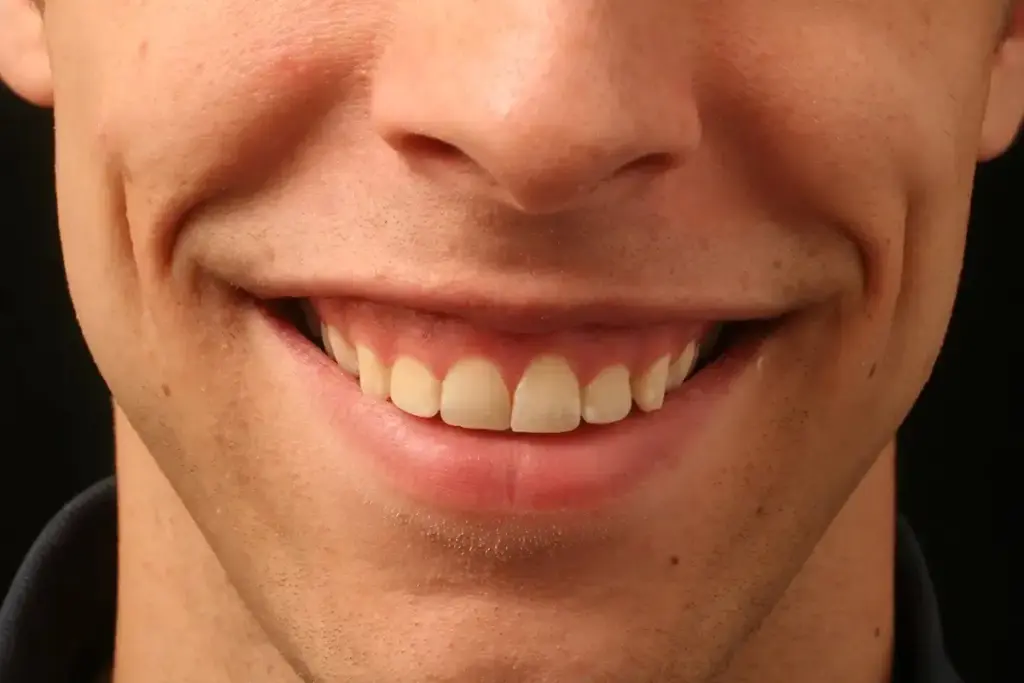
The secret to a flawless smile is not hidden only in pearly white and perfectly aligned teeth. The quality and visibility rate of the gums surrounding this integrity determine the aesthetic perception just as much as the size, shape, and alignment of the teeth. Gums staying behind the upper lip line at an ideal ratio when smiling adds a balanced expression to the face. However, in some cases, even a slight smile can cause the gums to be exposed on a wide surface. In medicine and cosmetic dentistry, this condition is called a gummy smile.
A gummy smile is a condition where the upper gums are much more visible than normal when an individual smiles or speaks. In cosmetic dentistry, this is a common structural feature that affects the symmetry of the teeth and the lip line. Although a gummy smile may look like an aesthetic problem, its treatment is actually a very comfortable process once the underlying anatomical cause is correctly diagnosed.
Table of Contents
What Causes a Gummy Smile?
Before planning an aesthetic intervention, it is necessary to correctly identify the source of the current situation. One of the first questions patients ask is why this situation is so prominent only in themselves. Excessive visibility of the gums does not have to depend on a single reason; it usually occurs through a combination of several anatomical factors.
- Hyperactive Upper Lip Muscle: This is one of the most common causes. The muscles that pull the upper lip upward working more than normal can cause the lip to rise too high, even if the teeth and gums are in perfect dimensions.
- Small Tooth Sizes: Due to developmental features during the eruption process of the teeth, their visible parts, which we call the crown height, may remain short. The gums are actually in normal sizes, but they appear dominant because the teeth are small.
- Excessive Vertical Jaw Growth: The upper jawbone being longer in the vertical plane compared to the facial skeleton can cause the gums to be naturally positioned lower.
- Gingival Hyperplasia (Gum Overgrowth): This is a condition where the gums thicken and cover the teeth due to the side effects of certain medications, hormonal changes, or inadequate oral care.
Gummy Smile Treatment Methods: Which Solution is Most Suitable for You?
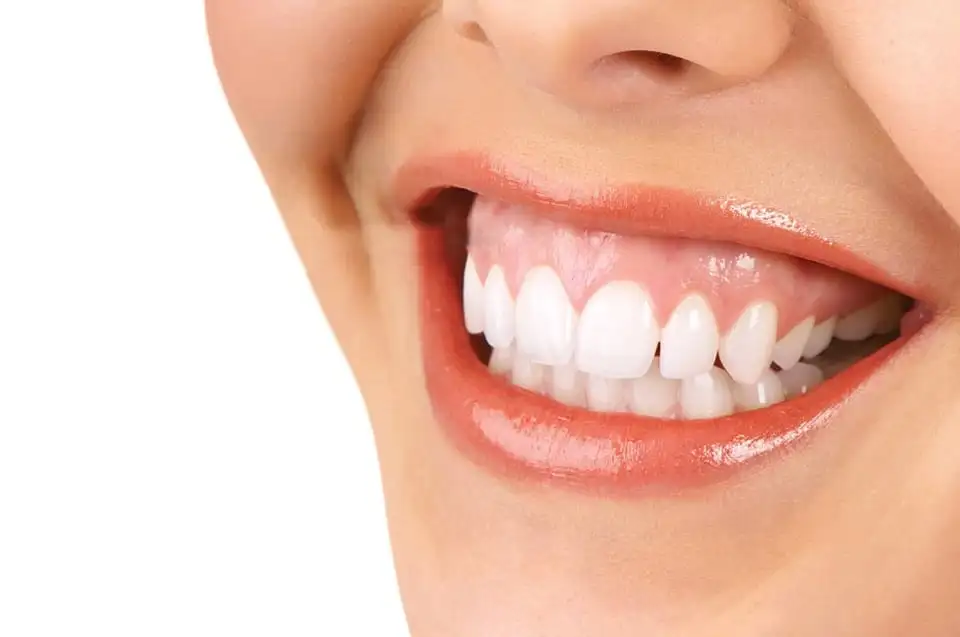
In modern dentistry, each case is evaluated as a special architectural structure within itself. Therefore, instead of a single fixed gummy smile treatment method, a treatment option aimed at the source of the problem is determined.
Laser Gum Leveling (Gingivectomy)
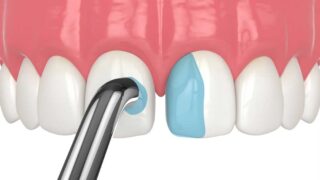
If the problem stems from the gums covering the teeth too much, the most effective solution is a gummy smile laser treatment application. Instead of the scalpel used in classical surgical methods, tissue-friendly laser technologies are utilized. In this procedure, the excess gum tissue is shaped with millimetric calculations, and the crown length of the teeth is extended.
This procedure, known as a gingivectomy, takes place almost completely bloodless thanks to the laser’s feature of sealing the vessels at the same time while cutting the tissue. This method, which does not require stitches, can ensure that the aesthetic results are clearly seen the moment the patient gets up from the chair.
Gummy Smile Botox (Non-Surgical Solution)
If the source of the problem is not the teeth or the jawbone but the overworking of the muscles that pull the upper lip up, a non-surgical alternative comes into play. A gummy smile botox injection performed at strategic points where the upper lip and the nasal wings meet can control the excessive contraction of the muscles.
After this procedure, when the person smiles, the upper lip does not shoot too high and remains at a level that will cover the gums. The procedure takes only a few minutes and does not affect daily life in any way. It is a very practical solution for our patients who fear surgical intervention or want to see a rapid change.
Lip Repositioning Surgery
For patients who find the effect provided by botox temporary and look for a permanent solution for life, gummy smile surgery options are evaluated. Lip repositioning is a small surgical intervention performed from the inner part of the upper lip.
With this procedure, the internal movement distance of the lip is restricted. Since the vertical movement capacity of the lip muscles is narrowed, no matter how strongly the person smiles, the lip line can remain at the ideal aesthetic limit. This operation, planned in a way that leaves no scars outside the mouth, can provide permanent gum aesthetics.
Is Gummy Smile Treatment Permanent?
One of the issues that people researching treatment are most curious about is the permanence factor. When the reviews shared by those who have had a gummy smile treatment are examined, it is seen that the satisfaction rate is directly related to the accuracy of the selected method.
Permanence varies entirely depending on the technique applied:
- Laser and Surgical Methods: Laser leveling (gingivectomy) and lip repositioning surgeries can offer permanent results. In cuts made accompanied by a correctly planned bone leveling, the gum is not expected to return to its old state or grow back.
- Botox Applications: It is not permanent because it temporarily stops muscle activity. Depending on the body’s metabolism rate of botox, the effect disappears over time.
Is Pain Felt During the Procedure?
Comfort in dental applications is an element just as critical as aesthetic success. Many patients may delay their treatment thinking that these procedures can be painful due to the sensitive structure of the gums.
However, thanks to modern anesthesia techniques and technological devices, the process can be handled very comfortably. Before laser or surgical interventions, the area is completely numbed with local anesthesia; thanks to this, it is not likely for you to feel any pain or ache during the procedure.
The healing process after a gummy smile surgery is very comfortable, especially in cases where a laser is used. Since laser beams do not create trauma in the tissue, post-operative swelling and pain remain at a minimum level. You can get through the first few days without any problems with simple painkillers recommended by your doctor. In botox application, anesthesia is not even needed; only tiny injections that give a mosquito bite sensation are performed.
Gummy Smile Treatment Prices 2026: Criteria and Costs
The cost of the treatment is variable enough that it cannot be expressed with a definitive figure. Because the anatomical structure of each patient, and therefore the type of intervention they need, varies. Knowing the main factors that play a role in determining the figures can help you make a budget planning.
- The Applied Method: The price range of a gummy smile botox, which includes a few units of injection, and the price of a gummy smile surgery, which requires an operating room environment and surgical expertise, are naturally different from each other.
- The Number of Teeth to be Intervened: In laser leveling, whether only the front two teeth or the entire smile line extending to the premolars will be intervened directly affects the cost.
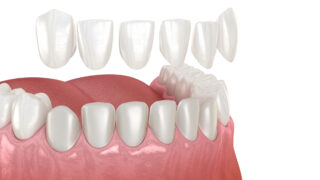
- Need for Combined Treatment: Just cutting the gum is sometimes not enough; aesthetic restorations such as porcelain laminates may need to be included in the process to support the structure of the teeth.
What to Consider After Gummy Smile Treatment
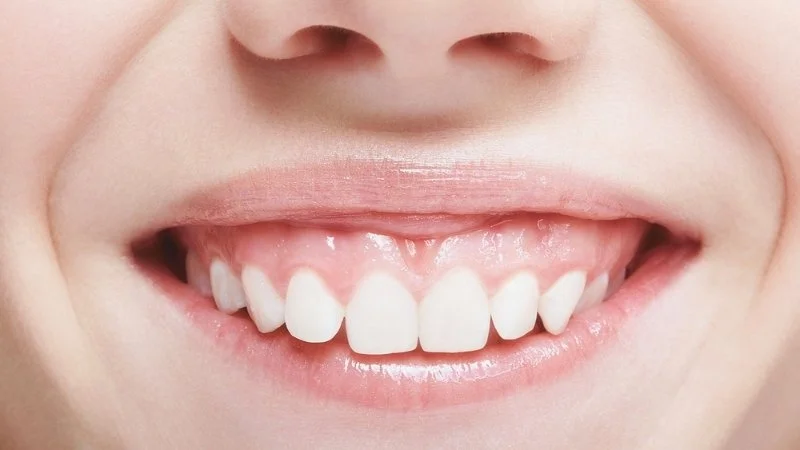
No matter which method is applied, preserving the successful smile design result depends on the care shown after the procedure. Especially after surgical and laser applications, it is necessary to support the tissues’ self-renewal process.
- Oral Hygiene on the First Day: Brushing should not be done on the day of the procedure, and special mouthwashes prescribed by the doctor should be used gently.
- Dietary Routine: During the first 48 hours, very hot, very cold, spicy, and acidic foods should be avoided. Soft and lukewarm foods should be preferred.
- Physical Protection: If you have had a lip repositioning surgery, you should avoid facial expressions such as excessive smiling, yawning, and stretching the lip so that the stitches are not damaged in the first week.
- Staying Away from Tobacco Products: Smoking delays healing by reducing the oxygen level in the tissues. Smoking should not be used for at least a few days after the procedure.
| Feature | Laser Leveling | Gummy Smile Botox | Lip Repositioning |
| Application Time | 20 – 30 Minutes | 5 – 10 Minutes | 45 – 60 Minutes |
| Permanence | Lifetime | 4 – 6 Months | Lifetime |
| Recovery Time | 1 – 3 Days | Immediate | 7 – 10 Days |
| Anesthesia Type | Local Anesthesia | Without Anesthesia / Cream | Local Anesthesia |
FAQ: Frequently Asked Questions
How long does the effect of gummy smile botox last?
The effect of botox injection generally continues between 4 to 6 months depending on the personal metabolic rate. At the end of this period, the muscles return to their old activity and the procedure needs to be repeated.
How many months apart is gum botox performed?
In order to ensure the continuity of the effect, it is generally recommended to be performed 2 times a year, that is, every 6 months. After regular applications, the muscle structure can get used to this movement, so the session intervals may extend over time.
Can laminate veneers be made together with gummy smile treatment?
Yes, it is one of the most frequently applied combined methods. First, the gums are pulled to the ideal level with a laser, and following tissue healing, a holistic aesthetic can be achieved by applying porcelain laminate veneers to perfect the form of the teeth.
Do tooth roots become exposed after the gum is cut?
No. In the planning made by an expert doctor, only the excess tissue within the safe limits called “biological width” is removed. A cut that will damage the root structure of the tooth or the supporting bone is not performed.