Endodontic treatment has become one of the most widely discussed concepts in modern dentistry because it centers on saving natural teeth rather than replacing them. In this field, specialists carefully work inside the tooth to preserve its structure and function, which is why Endodontic Treatment remains a core topic for anyone interested in oral health. This article explores how the procedure works, what patients can expect, and why contemporary techniques have changed the way we view root canal therapy.
Understanding Endodontic Treatment and Its Scientific Basis
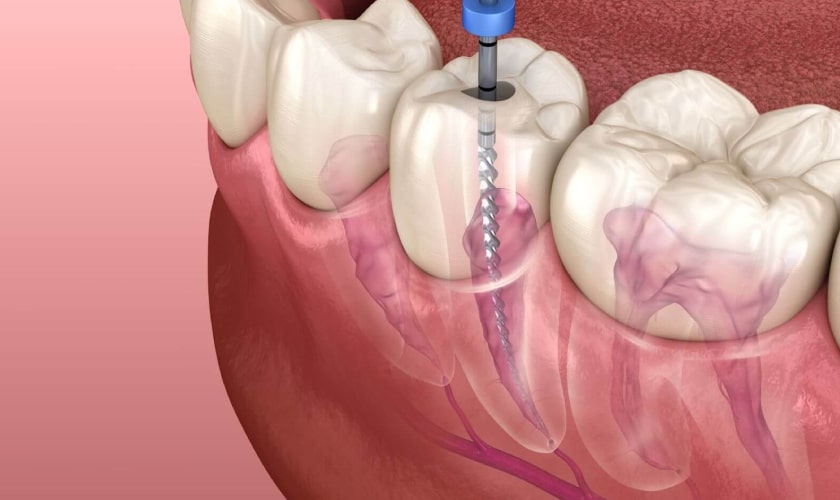
Endodontic treatment focuses on the inner chamber of the tooth, where nerves and soft tissues reside. Many patients are surprised to learn that this tiny internal space can influence comfort, chewing ability and overall wellbeing. The goal of Endodontic Treatment is to clean and reshape this internal system while keeping the tooth stable.
Dentists often rely on a blend of microscopy, imaging and advanced instruments to examine the inner anatomy. These tools help clinicians visualize the pulp chamber and tiny canals more precisely. As a result, the process has gradually shifted from being considered complex to being performed with reliable and proven protocols.
How Endodontic Treatment Works Step by Step
Many patients picture root canal therapy as a single action, but in reality, Endodontic Treatment is a carefully staged process. Each step contributes to cleaning, shaping and protecting the tooth from future complications.
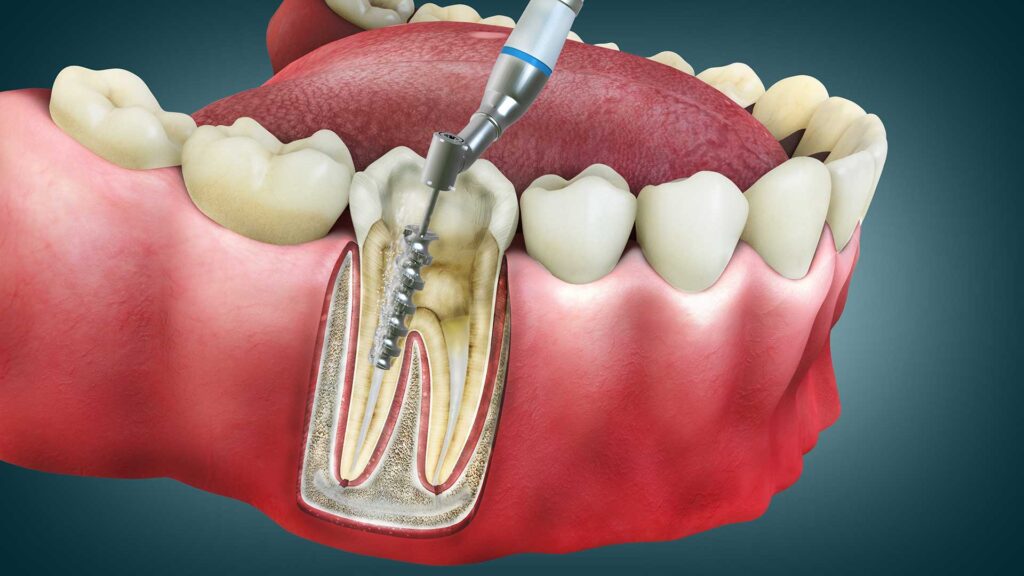
The treatment generally begins with diagnostic imaging that lets the dentist evaluate the condition of the pulp. After confirming the need for therapy, anesthetic is used to keep the patient comfortable. Instruments with extremely thin tips are introduced to remove inflamed tissue. These tools are often guided by digital measurement devices that help determine the correct depth.
Cleaning is usually followed by shaping, a step that allows the dentist to form a smooth and predictable internal path. This shaping stage sets the foundation for placing a filling material that seals the canal. The filling creates a barrier against bacteria. Finally, the tooth is usually restored with a crown or filling to help it withstand daily function.
Why Modern Endodontic Treatment Has Improved Significantly
Advances in dental research have transformed how Endodontic Treatment is performed. One major improvement involves rotary files, which offer controlled movement and help clinicians shape canals more uniformly. Another innovation lies in irrigation solutions that are designed to penetrate microscopic spaces.
Evidence from dental research continues to highlight that more efficient sealing materials can contribute to longer lasting teeth. Some clinics use warm filling techniques that adapt better to natural surfaces. These improvements reduce the likelihood of persistent discomfort and enhance the ability of the tooth to remain functional for many years.
Technology Driven Enhancements
Digital tomography is one of the most important tools in modern dentistry. It creates a three dimensional map of the tooth, which helps clinicians identify complex canal shapes. Specialists can then adjust the treatment plan based on this individual anatomy. This patient centered approach differentiates modern therapy from older methods.
Laser assisted cleaning methods are being investigated in various research settings. These methods may offer the ability to break down debris more effectively, although their use depends on the clinic’s available technology.
Advantages of Endodontic Treatment Compared to Alternatives
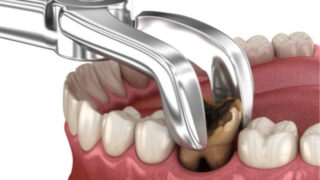
When a tooth becomes deeply damaged, patients often wonder whether extraction is easier. In most cases, Endodontic Treatment provides several advantages because it preserves natural structure. Natural teeth distribute bite forces efficiently and support jawbone stability.
If a tooth is removed, replacement options such as implants or bridges require more steps, higher costs and additional healing time. Preserving the natural tooth helps avoid these added requirements. Furthermore, the inner structure of the tooth often remains enough after therapy to function normally once restored.
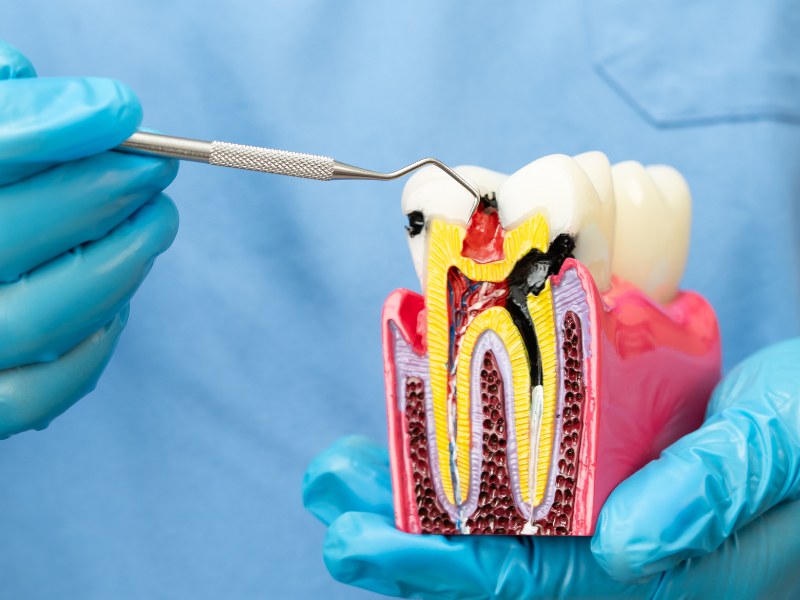
Comparing Endodontic Treatment and Extraction
Below is a simplified comparison that helps visualize the differences:
| Criteria | Endodontic Treatment | Tooth Extraction |
| Tooth Preservation | Yes | No |
| Healing Time | Shorter | Variable |
| Cost Range | Moderate | Often higher when replacement is needed |
| Chewing Efficiency | Natural | Depends on prosthetic quality |
This comparison highlights why many patients and clinicians aim to preserve teeth whenever possible.
Symptoms that Lead to Considering Endodontic Treatment
Although symptoms vary, people often notice deep sensitivity to temperature, spontaneous discomfort or pressure related sensations that may indicate pulp irritation. Over time, bacteria can infiltrate the canal space, leading to inflammation that requires Endodontic Treatment or a similar internal therapy.
It is important to note that some individuals may not feel any discomfort even when the pulp is affected. This is why routine examinations are valuable. Dentists can detect changes that might otherwise go unnoticed. Early detection often results in simpler and quicker appointments.
Common Indicators
Some general indicators include:
• Persistent discomfort that appears suddenly
• Swelling near the affected tooth
• Prolonged sensitivity after eating or drinking something cold
• Discoloration of the tooth
These indicators do not always confirm the need for therapy, but they help guide the evaluation process.
What Patients Can Expect After Endodontic Treatment
Most people return to everyday activities shortly after the appointment. The tooth might feel slightly different during the first days because surrounding tissues need time to adjust. This is normal and usually fades gradually. A restored tooth often feels similar to any other tooth once healing is complete.
Clinics such as Livera Clinic emphasize tailored care. After completing Endodontic Treatment, patients are typically advised to avoid chewing hard items on the treated tooth until it receives its final restoration. This helps protect the internal work and ensures proper sealing.
Long Term Outlook
With proper restoration and maintenance, teeth treated through endodontic methods can function for many years. Research suggests that long term success is linked to good oral hygiene and regular dental visits. The tooth becomes stable once fully restored and can often perform just like a natural tooth.
Endodontic treatment represents a refined approach to preserving natural teeth by focusing on the internal anatomy. It combines scientific understanding, clinical skill and advanced technology. Throughout this article, Endodontic Treatment and its role in modern dentistry have been explored from multiple perspectives, highlighting why it remains an essential method for maintaining oral function.
Livera Clinic continues to apply innovative techniques and detailed evaluations to ensure each patient receives accurate care. Whether you are curious about how the procedure works or simply want a deeper understanding of the science behind it, the principles outlined here offer a foundation for appreciating this sophisticated dental therapy.