
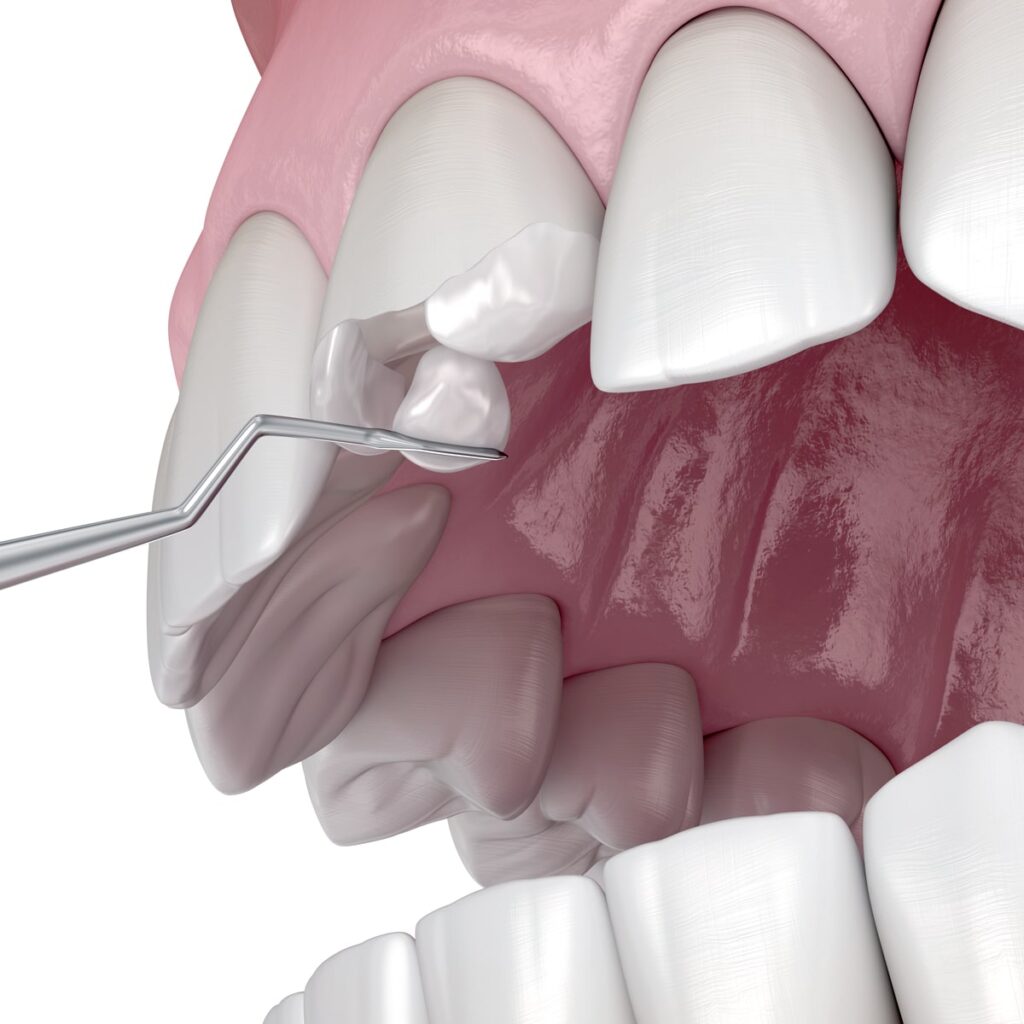
Composite Filling is one of the most widely discussed and applied concepts in modern restorative dentistry, not because it is new, but because it continues to evolve. From its early chemical formulations to today’s highly aesthetic tooth colored materials, Composite Filling has become a central topic for patients who value both function and appearance. In contemporary dental clinics such as Livera Clinic, Composite Filling is often explored as a balance point between science, material engineering, and visual harmony.
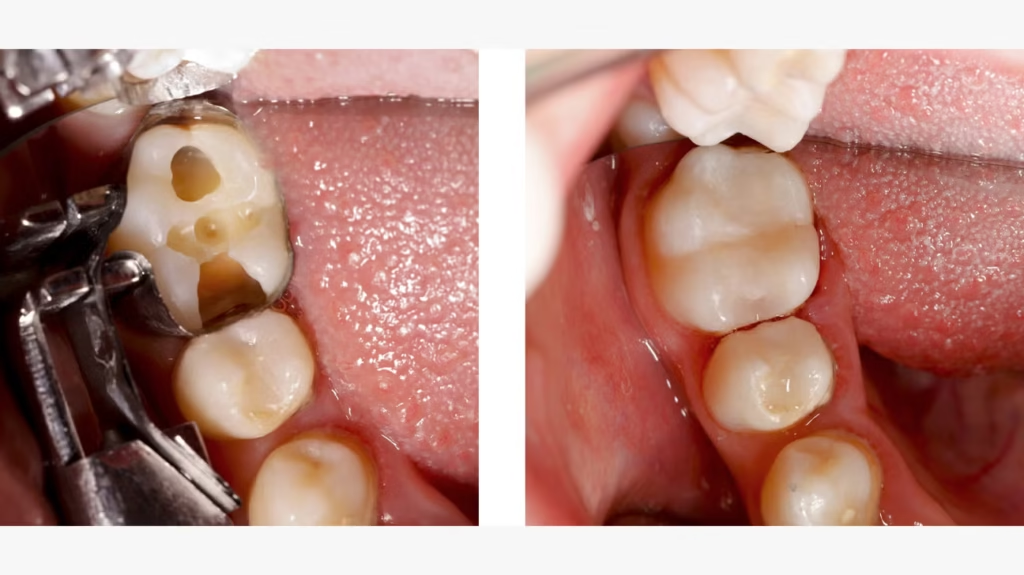
Understanding Composite Filling as a Dental Material
Composite Filling refers to a tooth colored restorative material composed primarily of a resin matrix combined with finely ground filler particles. These particles often include glass or ceramic components, which influence strength, translucency, and polishability. The reason Composite Filling attracts scientific attention is its ability to mimic the optical properties of natural enamel and dentin.
From a material science perspective, Composite Filling is categorized as a direct restorative solution, meaning it is shaped and hardened directly on the tooth surface. Researchers frequently analyze how Composite Filling reacts to light curing, moisture exposure, and mechanical stress. Studies suggest that the layered structure of Composite Filling allows dentists to recreate subtle color gradients found in natural teeth.
Another notable aspect of Composite Filling is its adhesive nature. Unlike older materials that relied heavily on mechanical retention, Composite Filling bonds microscopically to tooth structures. This bonding behavior is often discussed in academic journals because it changes how restorations interact with surrounding enamel.
Composite Filling and Aesthetic Dentistry
In aesthetic dentistry, Composite Filling is often examined through the lens of visual perception. The human eye is sensitive to minor color mismatches, and Composite Filling materials are designed to scatter and reflect light in a way that resembles natural tooth tissue.
One reason Composite Filling is frequently associated with cosmetic dentistry is its shade versatility. Manufacturers produce Composite Filling systems with multiple shades, translucency levels, and opacity options. This allows practitioners to blend restorations seamlessly into surrounding teeth, an aspect often highlighted in clinical case reports.
From an artistic standpoint, Composite Filling is sometimes described as a sculptural medium. The dentist shapes, contours, and textures the material before curing it. This manual artistry is why Composite Filling appears so often in before and after dental publications, as it demonstrates how material science meets human skill.
How Composite Filling Differs from Other Fillings
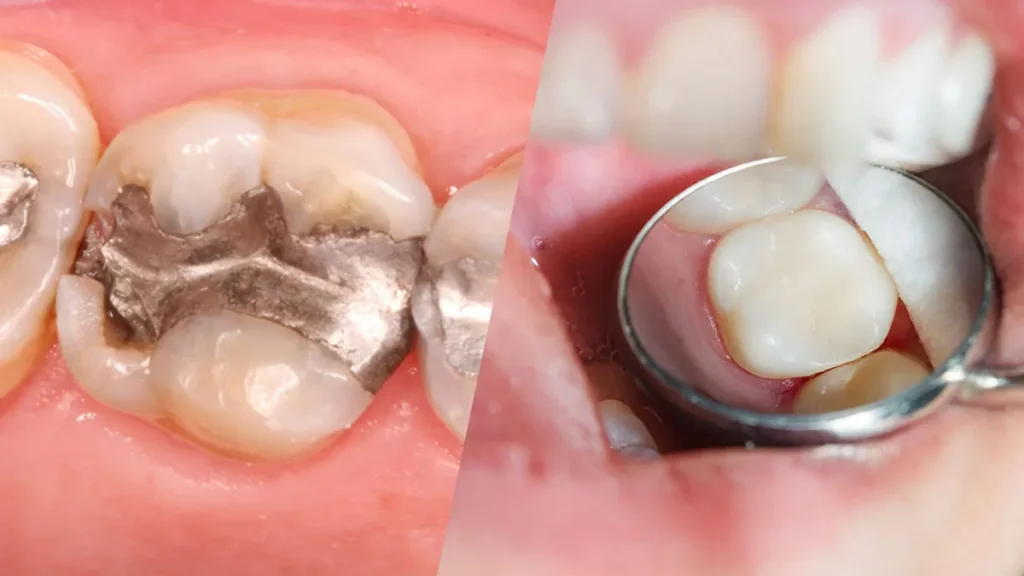
When comparing Composite Filling to other restorative materials, discussions often focus on composition and visual outcome rather than superiority. Traditional metal based fillings are known for durability, while Composite Filling is recognized for blending into natural tooth structure.
One major difference lies in preparation philosophy. Composite Filling typically allows for more conservative tooth preparation. Academic discussions often note that preserving healthy tooth structure aligns with modern minimally invasive dentistry principles.
Another distinction is thermal behavior. Composite Filling materials tend to conduct temperature differently than metals. This characteristic is frequently explored in laboratory studies that analyze expansion, contraction, and long term stability.
In summary comparisons, Composite Filling is often framed as a material that prioritizes aesthetics and bonding technology, while alternative fillings may emphasize longevity or structural reinforcement. This nuanced difference explains why Composite Filling continues to generate debate and research rather than definitive conclusions.
Longevity and Performance of Composite Filling
The longevity of Composite Filling is a topic frequently explored in clinical research. Rather than offering fixed timelines, studies typically examine factors that influence how Composite Filling behaves over time. These factors include material formulation, placement technique, and oral environment conditions.
Laboratory simulations often test Composite Filling under repetitive pressure to mimic chewing cycles. Results suggest that filler particle size and resin composition play a significant role in wear resistance. This is why modern Composite Filling formulations differ significantly from early versions.
Color stability is another performance factor. Researchers analyze how Composite Filling responds to pigments, moisture, and surface texture changes. Polished surfaces tend to resist staining better, a detail commonly discussed in professional dental publications.
Overall, Composite Filling performance is best understood as dynamic rather than fixed. Its behavior evolves with advancements in chemistry and clinical techniques, making it an ongoing subject of interest rather than a settled topic.
Scientific Research Trends Around Composite Filling
The academic world continues to publish a substantial volume of research on Composite Filling. These studies often focus on improving bond strength, reducing polymerization shrinkage, and enhancing biocompatibility.
One emerging research area examines nano filled Composite Filling materials. These contain extremely small filler particles designed to improve surface smoothness and mechanical strength. Early findings suggest that nano technology may influence how Composite Filling interacts with light and stress.
Another trend involves bioactive Composite Filling concepts. Researchers are exploring materials that interact with surrounding tooth structure rather than remaining inert. While still under investigation, this approach highlights how Composite Filling research is moving beyond aesthetics toward functional integration.
Such studies reinforce the idea that Composite Filling is not a static solution but a continuously refined dental material shaped by interdisciplinary research.
Composite Filling from a Patient Perspective
From a patient oriented viewpoint, Composite Filling is often associated with visual confidence. People researching Composite Filling typically want to understand how it looks, feels, and integrates into everyday life.
Online search patterns show that Composite Filling queries frequently relate to appearance, durability, and comparison with other options. This suggests that individuals view Composite Filling not just as a repair material, but as part of their personal image.
Patient feedback studies indicate that Composite Filling is often perceived as more natural looking than traditional alternatives. This perception plays a role in why Composite Filling is widely discussed in both clinical settings and digital health platforms.
Understanding Composite Filling from this perspective helps explain its prominence in educational content, as it intersects personal concerns with technical dentistry.
Composite Filling and the Future of Restorative Dentistry
Looking ahead, Composite Filling is expected to remain a focal point of restorative dentistry discussions. Advances in digital dentistry, such as guided placement and enhanced curing technologies, may further refine how Composite Filling is applied and evaluated.
Researchers continue to explore how artificial intelligence and material simulation models can predict Composite Filling performance before clinical application. This integration of data science suggests a future where Composite Filling selection is increasingly personalized.
The ongoing evolution of Composite Filling reflects a broader shift in dentistry toward materials that balance aesthetics, conservation, and scientific innovation. Rather than replacing older methods entirely, Composite Filling appears to coexist as a versatile and adaptable solution.
Composite Filling represents more than a tooth colored material. It embodies the intersection of chemistry, physics, artistry, and patient expectations. Its continued relevance lies in its adaptability and the constant research dedicated to refining its properties.
For clinics like Livera Clinic, discussing Composite Filling means engaging with a subject that is both scientifically rich and personally meaningful to patients. As dental materials continue to evolve, Composite Filling remains a central reference point in understanding modern restorative approaches.