The word Dental often brings to mind bright smiles, healthy teeth, and modern aesthetic solutions. In today’s evolving oral care landscape, Dental veneers and Dental crowns are two frequently discussed concepts that attract attention for both functional and visual reasons. Yet many people still wonder how these Dental applications differ, what purpose they serve, and how they fit into contemporary oral aesthetics.
Understanding Dental Veneers in Modern Dental Aesthetics
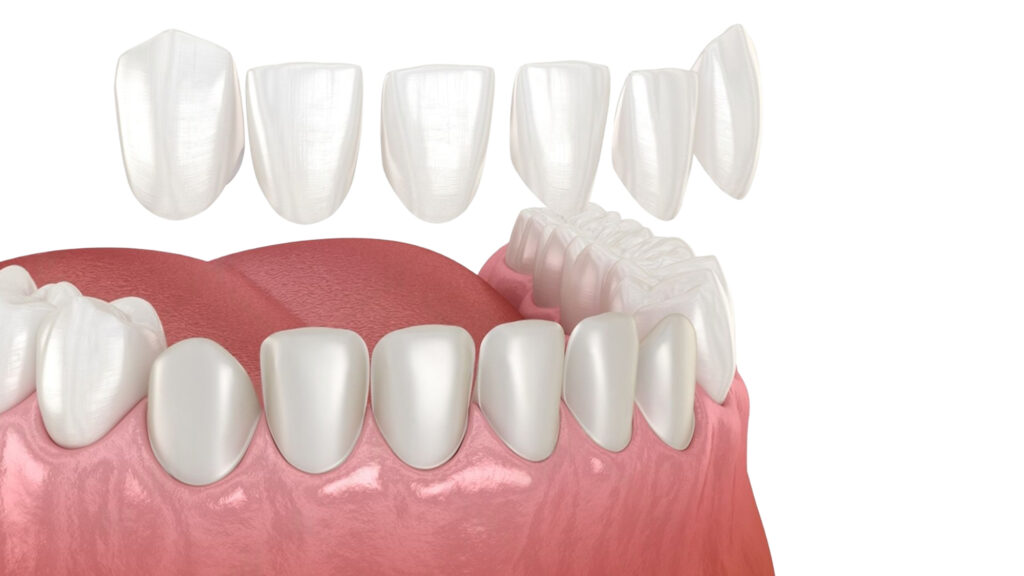
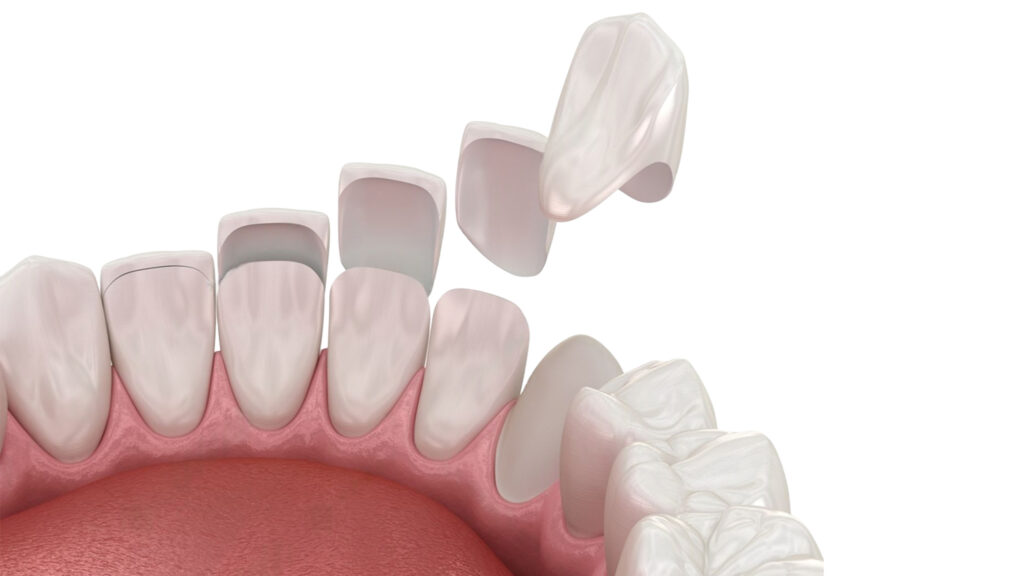
Dental veneers are thin restorative layers designed to interact with the visible surface of teeth. Within the broader Dental field, veneers are often discussed in the context of cosmetic harmony and surface level refinement.
From a Dental science perspective, veneers focus on appearance rather than structural reinforcement. They are associated with visual balance, symmetry, and tone consistency. In many academic Dental discussions, veneers are positioned as an aesthetic focused solution rather than a structural one.
The appeal of veneers in the Dental world comes from their conservative nature. They interact primarily with the front surface, making them a frequently researched topic in aesthetic Dental planning. This limited interaction is one reason veneers often appear in smile design analyses and Dental visualization studies.
What Defines a Dental Crown in Clinical Dental Context
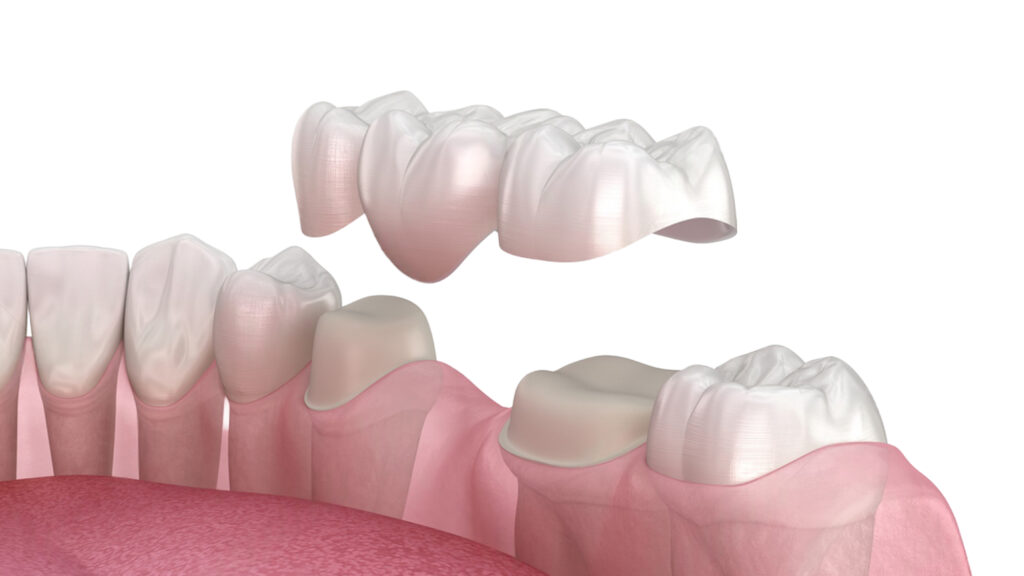
A Dental crown is described in Dental literature as a full coverage restoration that surrounds the visible portion of a tooth. Unlike veneers, crowns are discussed in both functional and aesthetic Dental frameworks.
In structural Dental analysis, crowns are often associated with durability and protection. They are frequently examined in restorative Dental research for their role in load distribution and surface integrity.
Crowns also play a visual role in Dental design. Their shape, color interaction, and translucency are widely studied in prosthetic Dental journals. This dual purpose places crowns at the intersection of function and aesthetics within the Dental field.
Dental Veneer vs Dental Crown: Key Dental Differences Explained
When comparing veneers and crowns from a Dental standpoint, the difference lies primarily in coverage and intent. Veneers are surface focused, while crowns engage with the entire visible structure.
From a materials science angle in Dental research, veneers and crowns may use similar ceramic families, yet their thickness, bonding behavior, and stress response differ significantly. This distinction is frequently highlighted in comparative Dental studies.
Another Dental distinction involves usage context. Veneers are commonly referenced in cosmetic Dental publications, whereas crowns appear more often in restorative and rehabilitative Dental case reviews.
Dental Comparison Table
| Dental Feature | Dental Veneer | Dental Crown |
| Dental Coverage | Front surface | Full visible tooth |
| Dental Focus | Aesthetic harmony | Structure and aesthetics |
| Dental Thickness | Minimal | Moderate to full |
| Dental Research Area | Cosmetic dental | Restorative dental |
Dental Materials Used in Veneers and Crowns
The Dental industry has evolved significantly in material development. Veneers and crowns both benefit from advanced ceramics, composites, and hybrid materials widely discussed in Dental research.
Ceramic based solutions dominate modern Dental literature due to their optical properties. Translucency, light reflection, and color stability are frequently examined variables in Dental material studies.
Zirconia and porcelain are two materials often referenced in Dental academic discussions. Their behavior under pressure, bonding characteristics, and long term surface stability are central topics in contemporary Dental analysis.
Dental Planning and Smile Design Considerations
Smile design is a growing subfield within Dental aesthetics. Veneers and crowns are analyzed as visual components within a broader Dental facial harmony framework.
In Dental planning models, symmetry, proportion, and tooth alignment are evaluated digitally before any restorative option is discussed. Veneers are often associated with micro level changes, while crowns relate to macro structural planning.
Modern Dental software allows simulations that illustrate how veneers or crowns may influence facial balance. These tools are frequently referenced in aesthetic Dental symposiums and publications.
Longevity and Dental Performance Expectations
Within Dental research, longevity is examined through material resilience, surface wear, and interaction with oral conditions. Veneers and crowns are evaluated differently due to their structural engagement.
Crowns often appear in Dental performance studies focusing on endurance and load tolerance. Veneers, by contrast, are more common in aesthetic outcome assessments.
It is important in Dental analysis to note that longevity discussions are based on observed trends rather than guarantees. Research emphasizes variability influenced by multiple Dental and environmental factors.
Psychological and Social Dental Impact
The psychological aspect of Dental aesthetics is increasingly explored in social science aligned Dental studies. Smile perception, confidence, and social interaction are recurring themes.
Veneers often appear in Dental sociology research related to self perception. Crowns, meanwhile, are discussed in quality of life studies linked to oral function and comfort.
These findings highlight that Dental restorations extend beyond physical structure, influencing social behavior and communication patterns.
Dental Innovations and Future Trends
Innovation drives the Dental sector forward. Digital workflows, AI supported diagnostics, and bio compatible materials are reshaping how veneers and crowns are conceptualized.
In current Dental research pipelines, emphasis is placed on minimal intervention and natural appearance. This trend aligns closely with veneer development but also influences crown design.
Future Dental publications increasingly focus on sustainability, long term tissue interaction, and patient centered outcomes rather than isolated procedures.
A Balanced Dental Perspective
Understanding veneers and crowns requires a broad Dental perspective that combines aesthetics, materials science, psychology, and design. Rather than viewing them as competing options, modern Dental literature positions them as complementary tools within a comprehensive oral framework.