Tooth Loss is a topic that quietly affects millions of people around the world, yet it is often misunderstood or oversimplified. In everyday life, Tooth Loss is frequently associated with aging, but research driven discussions show that it is a multifactorial process shaped by habits, biology, and environmental influences. From a scientific perspective, Tooth Loss reflects a chain of events rather than a single cause, and understanding this chain can help explain why it occurs so differently from one individual to another.
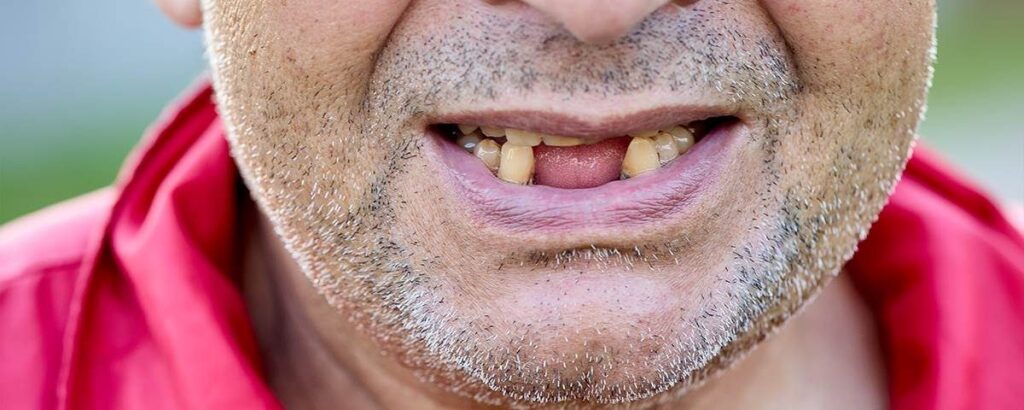
Understanding Tooth Loss as a Biological Process
Tooth Loss is not an isolated incident. From an anatomical standpoint, teeth are supported by bone, ligaments, and soft tissue that work together in a delicate balance. When this balance is disrupted, Tooth Loss may occur gradually or suddenly. Scientists often describe Tooth Loss as the final visible outcome of long term structural changes within the oral environment.
Interestingly, studies indicate that Tooth Loss rarely results from a single trigger. Instead, it emerges through cumulative effects. Microbial activity, mechanical stress, and immune responses all interact over time. Researchers examining Tooth Loss patterns often emphasize how small, repetitive changes can silently progress until the tooth structure can no longer be sustained.
Tooth Loss and the Role of Oral Microorganisms
One of the most discussed contributors to Tooth Loss is the complex ecosystem of microorganisms living in the mouth. These microorganisms are not inherently harmful, but shifts in their balance may influence Tooth Loss dynamics. When certain bacterial populations increase, they may alter the surrounding tissues in ways that indirectly contribute to Tooth Loss.
Scientific observations suggest that the interaction between bacteria and host response is more important than bacteria alone. In many Tooth Loss related cases, it is the body’s inflammatory reaction that accelerates structural changes. This insight has reshaped how experts interpret Tooth Loss, shifting attention from isolated causes to interactive biological systems.
Lifestyle Patterns That Influence Tooth Loss
Lifestyle choices are frequently examined in Tooth Loss research, not as direct causes, but as influential modifiers. Dietary patterns, daily routines, and behavioral habits can affect the oral environment in subtle ways. Over time, these influences may increase susceptibility to Tooth Loss without guaranteeing it.
For example, long term exposure to certain conditions may weaken supportive structures, making Tooth Loss more likely under stress. Researchers often describe this as a threshold effect. Tooth Loss does not occur immediately, but once cumulative factors exceed a certain point, structural failure becomes more probable.
From a sociological viewpoint, Tooth Loss is also linked to access, education, and routine awareness. These elements shape how early changes are noticed and interpreted, which indirectly affects Tooth Loss outcomes across populations.
Tooth Loss and Age Related Changes
Although Tooth Loss is not an inevitable result of aging, age related biological changes are often discussed in Tooth Loss studies. Bone density, tissue regeneration, and immune response may shift over time, altering how the body responds to stressors associated with Tooth Loss.
Researchers emphasize that Tooth Loss patterns vary widely among age groups. Some individuals experience minimal changes over decades, while others notice progressive Tooth Loss earlier. This variation reinforces the idea that Tooth Loss is influenced by a combination of genetic predisposition and life long exposure factors.
Importantly, modern data suggests that Tooth Loss trends have changed significantly over recent decades. Advances in awareness and technology have altered how Tooth Loss manifests, making it a dynamic topic rather than a static age related condition.
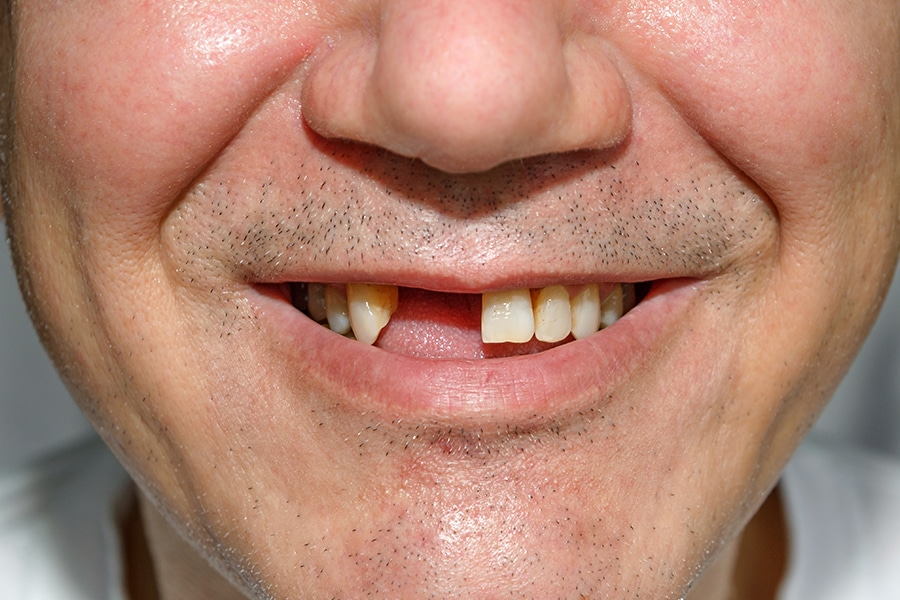
Environmental and Systemic Factors in Tooth Loss
Beyond the mouth itself, systemic and environmental factors play a role in Tooth Loss discussions. Scientific literature often explores how overall health status may correlate with Tooth Loss patterns, without implying direct causation. These correlations help researchers better understand how interconnected bodily systems may influence Tooth Loss trajectories.
Environmental exposure, occupational conditions, and long term stress have also been examined for their potential associations with Tooth Loss. While no single factor explains Tooth Loss universally, the accumulation of external influences provides valuable context when analyzing why Tooth Loss appears more frequently in certain populations.
Preventing Tooth Loss Through Awareness and Knowledge
When discussing Tooth Loss prevention, experts tend to focus on awareness rather than guarantees. Tooth Loss prevention is often framed as a process of understanding risk patterns, recognizing early changes, and interpreting signals before structural damage becomes irreversible.
From an analytical perspective, prevention related discussions emphasize timing. The earlier changes associated with Tooth Loss are recognized, the broader the range of options that may be explored. This does not eliminate Tooth Loss entirely, but it may influence its progression and impact.
Educational initiatives around Tooth Loss often highlight how small adjustments in perception and routine interpretation can shape long term outcomes. This approach aligns with contemporary public health models that prioritize informed decision making over prescriptive guidance.
Tooth Loss Trends and Modern Research Insights
Recent research into Tooth Loss has expanded beyond clinical observation to include data modeling and population level analysis. These studies reveal that Tooth Loss trends are not uniform across regions or demographics. Instead, Tooth Loss reflects broader societal patterns, including awareness, access, and cultural norms.
One notable insight from recent analyses is the declining rate of severe Tooth Loss in certain populations, contrasted with persistent disparities in others. This contrast underscores how Tooth Loss is influenced by layered factors rather than isolated behaviors.
Modern research also explores how perception of Tooth Loss has evolved. Where Tooth Loss was once accepted as unavoidable, it is now increasingly viewed as a complex condition shaped by modifiable and non modifiable influences.
The Broader Impact of Tooth Loss on Daily Life
Beyond biological considerations, Tooth Loss carries functional and psychological dimensions. Studies examining quality of life often reference Tooth Loss as a factor influencing communication, social interaction, and self perception. These impacts vary widely, reinforcing the individualized nature of Tooth Loss experiences.
Researchers emphasize that understanding Tooth Loss holistically requires looking beyond physical structures. Cultural attitudes toward Tooth Loss, aesthetic expectations, and social contexts all shape how individuals interpret and respond to it.
This broader perspective helps explain why Tooth Loss discussions increasingly appear in interdisciplinary research, bridging dentistry, sociology, and behavioral science.
Rethinking Tooth Loss as a Multifaceted Concept
Tooth Loss is best understood not as a single event, but as a multifaceted process influenced by biology, behavior, and environment. By examining Tooth Loss through scientific, social, and analytical lenses, it becomes clear that simplistic explanations fall short.
At Livera Clinic, Tooth Loss is approached as a topic that benefits from curiosity, research literacy, and contextual understanding. While Tooth Loss cannot always be avoided, exploring how and why it occurs empowers individuals to engage with the subject more thoughtfully.
Rather than viewing Tooth Loss as an endpoint, modern perspectives encourage seeing it as part of a broader narrative shaped by time, awareness, and evolving knowledge.