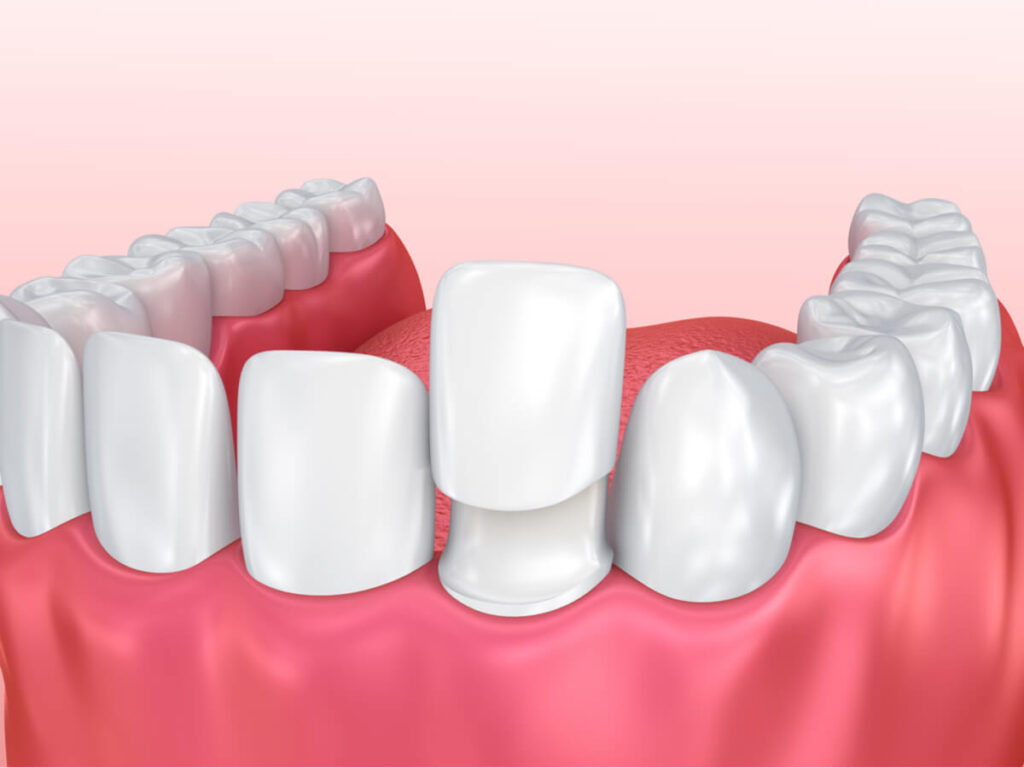
When it comes to modern cosmetic dentistry, the concept of a veneer has transformed how people enhance their smiles. Traditionally, applying a veneer involved reshaping natural teeth by filing them down to make space for the covering. However, technological advancements have introduced methods that allow a veneer to be applied without any reduction of the tooth structure, offering patients a minimally invasive alternative with excellent aesthetic results.
Understanding No-Prep Veneers
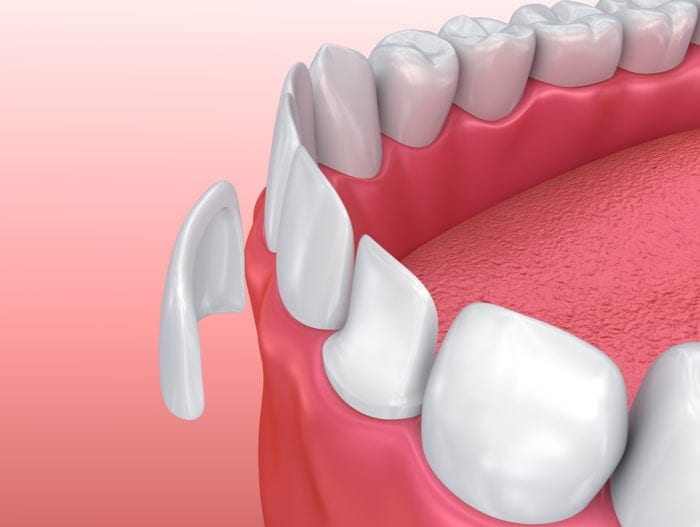
No-prep veneers, sometimes called minimal-prep or zero-prep veneers, are ultra-thin shells made from high-quality porcelain or composite resin. Unlike conventional veneers, these require little to no enamel removal. The precision of modern dental materials allows for a natural look while maintaining the original tooth anatomy.
Patients often ask how such thin layers can adhere securely without filing. The answer lies in advanced adhesive systems that chemically bond the vener to the tooth surface. Studies show that this technique preserves enamel integrity while providing strength comparable to traditional veneers.
Advantages of Applying Veneers Without Filing
Applying a veneer without altering the tooth structure offers multiple advantages:
- Preservation of Natural Enamel: Since no filing is required, enamel remains intact, reducing long-term sensitivity risks.
- Reversibility: Because minimal preparation is involved, these veneers can often be removed or replaced more easily.
- Quick Procedure: Less preparation means shorter appointment times.
Additionally, patients benefit from a more conservative cosmetic solution that aligns with the principles of preventive dentistry.
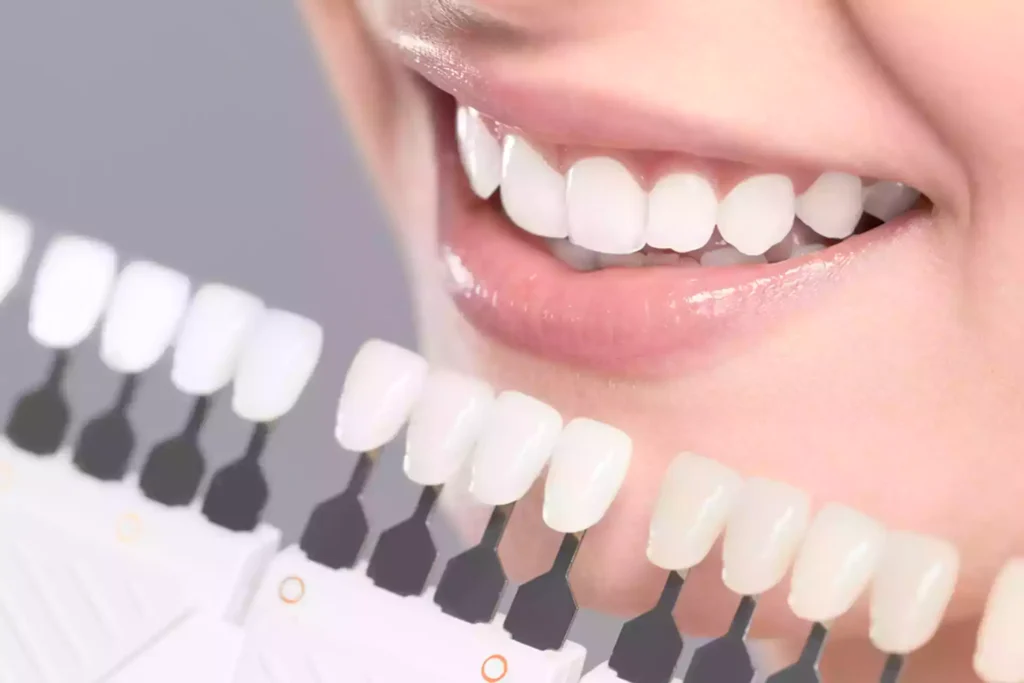
Materials Used for No-Prep Veneers
The success of non-invasive veneers largely depends on the materials used. High-strength porcelain and advanced composite resins are preferred. Porcelain offers superior translucency, closely mimicking natural teeth, while composite resin allows easier adjustments if minor corrections are needed.
A comparative table of material features can help clarify the options:
| Material | Thickness | Durability | Aesthetic Quality | Adjustability |
| Porcelain | 0.3–0.5 mm | High | Excellent | Limited |
| Composite Resin | 0.5–0.7 mm | Moderate | Good | High |
This demonstrates why dentists carefully select the material based on patient needs and the specific smile design.
The Procedure of Attaching a No-Prep Veneer
The application process for a non-invasive veneer is precise and meticulous:
- Assessment and Planning: A detailed dental examination, digital scans, and smile design software help customize the veneer for natural aesthetics.
- Tooth Cleaning: Teeth are thoroughly cleaned to ensure optimal adhesion.
- Trial Placement: Temporary positioning allows evaluation of color, shape, and alignment.
- Bonding: Using advanced dental adhesives, the veneer is permanently attached without the need to file the tooth.
This step-by-step approach ensures not only the aesthetic outcome but also long-term stability.
Longevity and Maintenance of No-Prep Veneers
One of the common concerns is the durability of a veneer applied without filing. Research indicates that when properly bonded and maintained, these veneers can last 10–15 years, comparable to traditional options.
Key factors influencing longevity include:
- Oral hygiene practices
- Avoidance of excessive biting forces
- Regular dental check-ups
Additionally, their minimal thickness makes them less prone to damage from invasive procedures, making them ideal for patients seeking longevity without compromising natural enamel.
Are No-Prep Veneers Suitable for Everyone?
While no-prep veneers are revolutionary, they are not universal solutions. Ideal candidates usually have:
- Well-aligned teeth
- Minimal discoloration
- No major structural damage
Dentists often recommend alternative cosmetic treatments for patients with severely misaligned teeth or significant dental wear. Nonetheless, for suitable cases, these veneers offer a remarkable, non-invasive option that transforms smiles naturally.
Enhancing Smiles with No-Prep Veneers: Beyond Aesthetics
The impact of non-invasive veneers goes beyond just aesthetics. Psychological and social benefits are frequently reported by patients:
- Increased confidence in professional and social interactions
- Improved motivation for oral hygiene
- Non-traumatic cosmetic enhancement
By offering a solution that preserves natural tooth integrity, no-prep veneers exemplify how modern dentistry balances beauty, function, and preservation.