The idea of a Perfect Smile has fascinated people for centuries. From ancient sculptures to modern social media, smiles have always been seen as powerful social signals. At Livera Clinic, the concept of a Perfect Smile is not viewed as a fixed standard but as a balance between science, perception, individuality, and emotion. This article explores how a Perfect Smile is shaped, why it matters, and which principles are commonly discussed when people try to define their ideal smile.
Rather than offering instructions or promises, this content focuses on understanding. It answers the questions people naturally ask when they think about smile aesthetics, facial harmony, and self expression, all through a scientific yet enjoyable lens.
The Science Behind the Perfect Smile and Facial Harmony
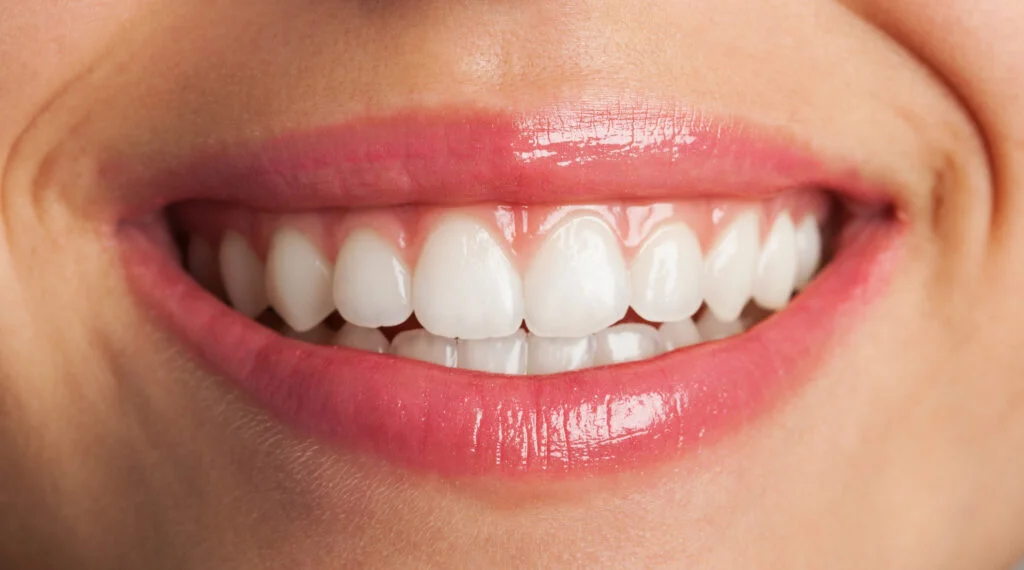
A Perfect Smile is often associated with balance. Research in facial aesthetics shows that people tend to perceive smiles as attractive when they align with overall facial proportions. Teeth, lips, and jaw position interact with facial muscles and bone structure, creating a dynamic visual system rather than a static image.
Studies in cognitive psychology suggest that the human brain processes smiles holistically. This means a Perfect Smile is rarely judged by teeth alone. Eye movement, lip curvature, and even head position play a role. This explains why two smiles with similar teeth can feel completely different in impact.
From a scientific perspective, symmetry is frequently mentioned. However, perfect symmetry is not always perceived as natural. Minor variations often make a smile feel more authentic. This is why the modern interpretation of a Perfect Smile focuses more on harmony than flawlessness.
Perfect Smile Perception Across Cultures and Time
The meaning of a Perfect Smile changes across cultures. Anthropological studies show that dental aesthetics considered ideal in one society may feel unfamiliar in another. For example, tooth shape, color brightness, and even spacing preferences vary widely.
Historically, smiles were not always emphasized. In early photography, smiling was rare. Today, the Perfect Smile has become a social currency, especially in digital environments. Social media filters and high resolution imagery have reshaped expectations, sometimes creating unrealistic ideals.
Interestingly, sociological research suggests that people are aware of these shifting standards. Many now seek a smile that feels personal rather than perfect by textbook rules. This evolution shows that a Perfect Smile is as much a cultural story as it is a visual one.
The Role of Teeth Proportion in a Perfect Smile
When people imagine a Perfect Smile, teeth are usually the first element that comes to mind. Dental proportion studies often reference width to height ratios, alignment patterns, and spacing relationships. These measurements help explain why some smiles appear balanced.
However, numbers alone do not create beauty. A Perfect Smile is influenced by how teeth relate to lips during movement. Static images tell only part of the story. Smiling, speaking, and laughing all reveal different aspects of dental aesthetics.
Research in smile dynamics highlights that teeth visibility changes with age and expression. This means the concept of a Perfect Smile is fluid, adapting over time rather than remaining fixed.
Gum Line, Lips, and the Perfect Smile Frame
The frame around the teeth is just as important as the teeth themselves. In smile analysis, lips and gum contours create boundaries that shape perception. A Perfect Smile is often described as one where these elements feel balanced rather than dominant.
Gum visibility is a frequent topic in aesthetic discussions. Scientific literature does not label specific gum display levels as right or wrong. Instead, it focuses on how the gum line complements facial proportions. This reinforces the idea that a Perfect Smile depends on context.
Lips add another layer. Their thickness, curvature, and movement influence how teeth are revealed. This interaction explains why the same dental structure can look different on different faces, even when aiming for a Perfect Smile.
Color, Light, and the Psychology of a Perfect Smile
Tooth color plays a surprisingly complex role in how a Perfect Smile is perceived. Studies in visual psychology show that brightness is often associated with youth and health. However, extreme whiteness can sometimes feel artificial.
Light reflection also matters. Natural teeth reflect light unevenly, creating depth. This is why many experts emphasize texture over uniform color when discussing a Perfect Smile. Subtle variations often feel more realistic and pleasing.
Interestingly, perception studies reveal that viewers rarely analyze color consciously. Instead, they react emotionally. A Perfect Smile tends to feel warm and approachable rather than technically flawless.
Emotional Expression and the Perfect Smile Experience
Beyond anatomy, a Perfect Smile is deeply emotional. Neuroscience research shows that smiles trigger mirror neurons, encouraging empathy and connection. This means the emotional authenticity behind a smile can outweigh physical characteristics.
People often describe a Perfect Smile as confident rather than beautiful. Confidence changes muscle activation patterns, making smiles appear more natural. This aligns with behavioral studies linking self perception and facial expression.
At Livera Clinic, discussions around a Perfect Smile often include these emotional dimensions. A smile that reflects comfort and ease tends to resonate more strongly than one that simply follows aesthetic ratios.
Lifestyle, Habits, and the Long Term Perfect Smile Concept
A Perfect Smile is not a single moment but an evolving experience. Lifestyle factors such as communication style, social interaction, and even posture influence how a smile is perceived over time.
Long term observational studies suggest that people adapt their smiles as they age. This adaptation is not a decline but a transformation. The Perfect Smile becomes one that fits current identity rather than past ideals.
Habits like smiling frequency also matter. Research indicates that people who smile more often are perceived as more approachable, regardless of technical dental aesthetics. This reinforces the idea that a Perfect Smile is lived, not manufactured.
Comparing Key Elements of the Perfect Smile
| Element | Visual Role | Perceptual Impact |
| Teeth proportion | Balance and alignment | Order and clarity |
| Lip movement | Expression and framing | Warmth and emotion |
| Gum contour | Structural harmony | Natural appearance |
| Color and texture | Light interaction | Youthful impression |
| Facial symmetry | Overall balance | Visual comfort |
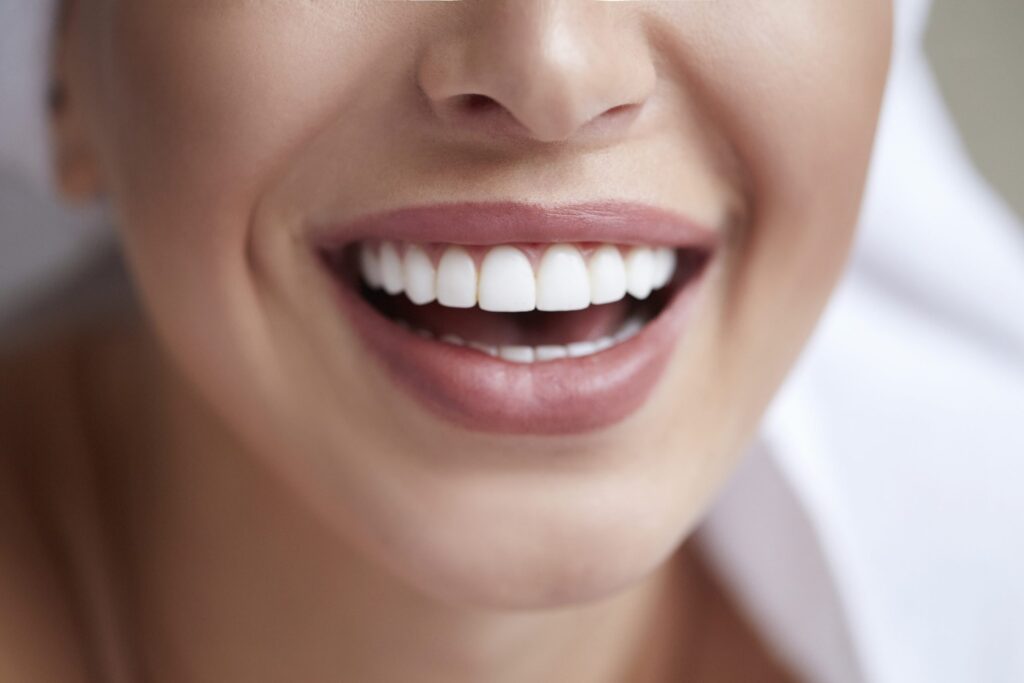
This comparison shows that a Perfect Smile emerges from interaction, not isolation. Each element supports the others.
Redefining the Perfect Smile
So what truly defines a Perfect Smile? The answer is not a formula, but a conversation between science, culture, and individuality. A Perfect Smile reflects harmony rather than perfection, emotion rather than symmetry, and authenticity rather than imitation.
At Livera Clinic, the idea of a Perfect Smile is approached as a personal journey. One shaped by facial structure, lifestyle, and self expression. Understanding these principles helps people ask better questions and set more meaningful expectations.
In the end, the Perfect Smile is less about how it looks and more about how it feels, both to the person wearing it and to those who see it.