Metal Braces have remained one of the most discussed orthodontic solutions for decades, not because they are the newest option, but because they continue to shape how people think about teeth alignment, durability, and long term correction. From teenagers to adults, conversations around orthodontics often circle back to metal based systems and the reasons they persist despite evolving alternatives.
At the heart of this interest lies curiosity. People want to understand how Metal Braces work, why they are still widely used, and what makes them different from ceramic or invisible systems. Rather than offering absolute answers, this discussion explores patterns, observations, and commonly raised questions that surround this classic orthodontic approach.
The Evolution of Metal Braces in Modern Orthodontics
When discussing orthodontic history, Metal Braces often appear as the foundation upon which modern systems were built. Early designs were bulky and uncomfortable, yet they introduced a principle that remains unchanged: controlled pressure can gradually guide teeth into better alignment.
Over time, materials improved. Stainless steel alloys became more refined, brackets became smaller, and wires more flexible. These developments allowed Metal Braces to adapt to changing expectations without losing their core mechanical logic. This balance between tradition and innovation explains their continued relevance.
Interestingly, modern orthodontics does not treat metal systems as outdated. Instead, they are viewed as a reliable reference point. Many newer technologies are evaluated by comparing their effectiveness, cost, and predictability against Metal Braces, reinforcing their role as a benchmark rather than a fallback option.
How Metal Braces Work as a Mechanical System
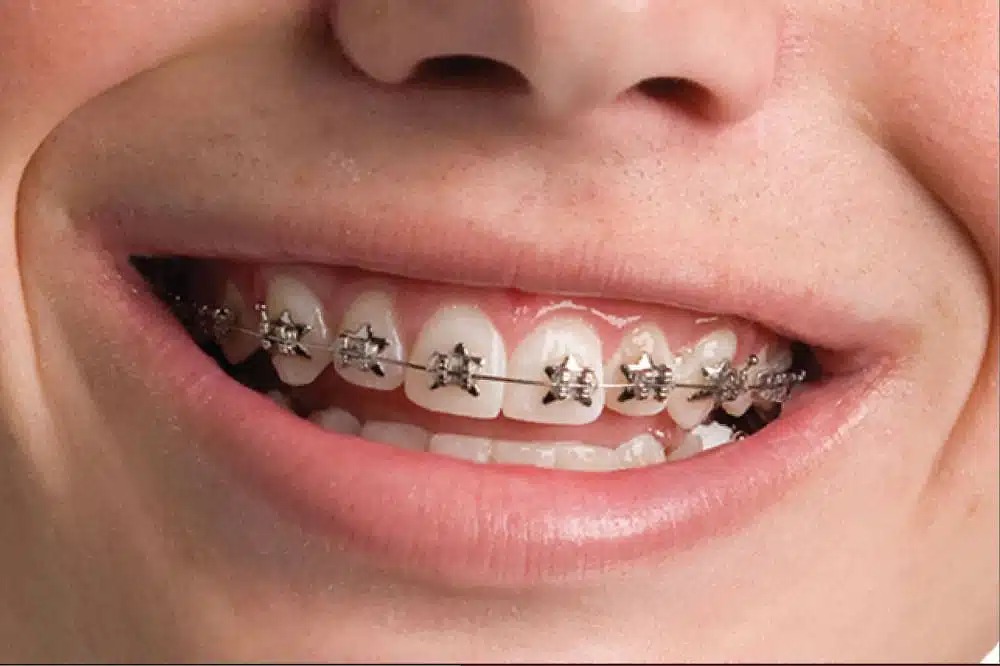
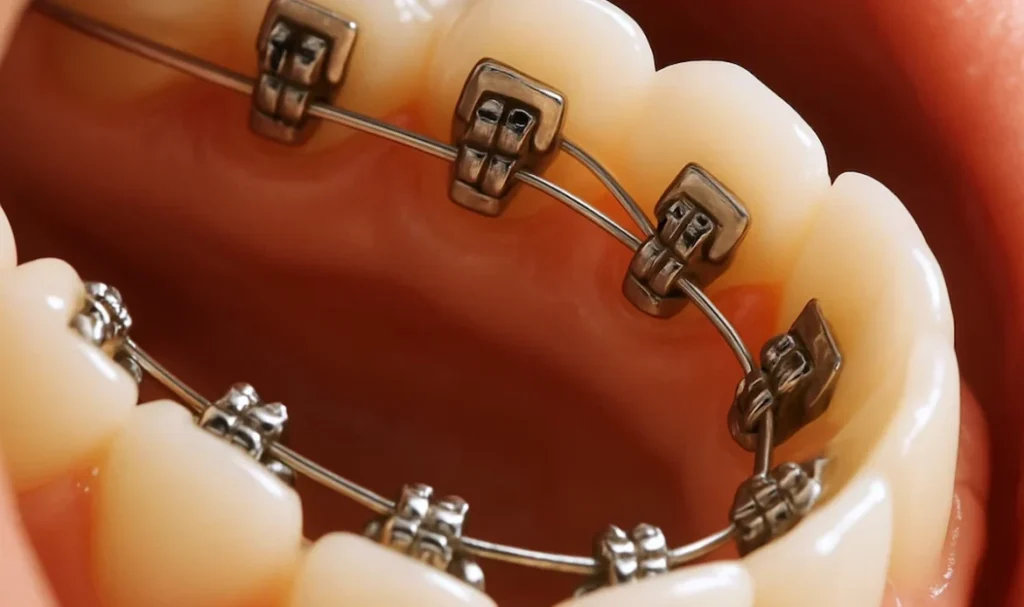
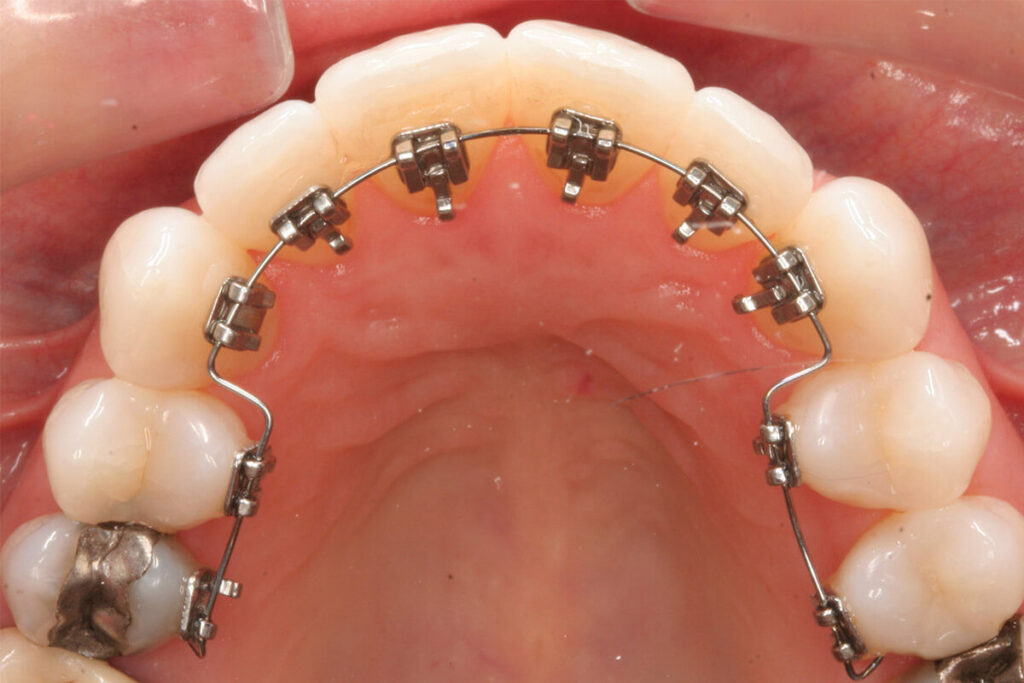
Understanding Metal Braces often begins with their structure. Brackets are bonded to teeth, archwires connect them, and elastic or self ligating mechanisms guide movement. While this may sound simple, the interaction between these components creates a highly adaptable system.
Each adjustment subtly alters force distribution. Orthodontic studies suggest that predictable, continuous force is a key reason Metal Braces remain widely used. Unlike systems that rely heavily on patient compliance, metal based designs maintain consistent mechanics regardless of daily habits.
This mechanical reliability leads many observers to associate Metal Braces with control and precision. Even when aesthetics become a concern, discussions frequently acknowledge that metal systems offer a level of structural clarity that is easy to understand and monitor over time.
Metal Braces and Perceived Effectiveness
Effectiveness is one of the most frequently mentioned qualities associated with Metal Braces. In public discourse, they are often described as capable of handling complex alignment challenges. While such claims vary case by case, the perception itself shapes decision making.
Part of this perception comes from visibility. Because Metal Braces are clearly seen, progress feels tangible. Teeth shifting can be observed during regular checkups, reinforcing confidence in the process. This visual feedback plays a psychological role that is often underestimated.
Additionally, comparative discussions tend to frame Metal Braces as less dependent on user behavior. This does not imply superiority, but it does influence how people evaluate reliability. In conversations about orthodontic outcomes, predictability often matters as much as comfort or appearance.
Types of Metal Braces and Design Variations
Although grouped under one term, Metal Braces include several design variations. Traditional ligature based systems use elastic ties to secure the wire, while self ligating designs rely on built in clips. Both fall within the same category but offer different experiences.
Self ligating Metal Braces are often discussed in relation to reduced friction and fewer adjustments. Traditional versions, on the other hand, are associated with customization through colored elastics. These distinctions add nuance to what might otherwise seem like a single option.
The existence of multiple designs challenges the idea that Metal Braces are uniform or static. Instead, they represent a flexible category that continues to evolve, adapting to clinical preferences and patient expectations without abandoning their fundamental structure.
Metal Braces and Price Perception
Cost discussions frequently arise around Metal Braces, especially when compared with less visible alternatives. Public perception tends to associate metal systems with affordability, though pricing can vary based on location, duration, and complexity.
What is notable is how price becomes part of the narrative. Metal Braces are often framed as offering value rather than luxury. This framing influences how people weigh cost against visibility, durability, and long term expectations.
Economic studies in healthcare suggest that perceived value plays a major role in treatment selection. In this context, Metal Braces often symbolize a balance between effectiveness and accessibility, even when newer options are available.
Social Visibility and Cultural Attitudes Toward Metal Braces
The visibility of Metal Braces has shaped cultural attitudes for generations. In some contexts, they are seen as a rite of passage, particularly during adolescence. In others, they represent commitment to long term improvement.
Media portrayals have also influenced perception. Characters with Metal Braces are often depicted as undergoing transformation, reinforcing the idea that visible orthodontic treatment is temporary but purposeful. This storytelling element subtly affects how people emotionally relate to metal systems.
Rather than being hidden, Metal Braces are often openly acknowledged. This openness contributes to normalization. Over time, visibility shifts from being a drawback to being a symbol of process and progress.
Metal Braces as a Reference Point for New Technologies
Even as orthodontic technology advances, Metal Braces remain central to comparison. Clear aligners, ceramic brackets, and hybrid systems are frequently described in relation to metal based designs. This comparative language reinforces their foundational role.
Researchers and practitioners often use Metal Braces as a control model when evaluating new approaches. This does not imply limitation, but rather establishes trust through familiarity. When innovation is measured against something known, outcomes feel more interpretable.
This dynamic ensures that Metal Braces stay relevant, not by competing directly with every new option, but by anchoring the broader conversation around orthodontic effectiveness and design logic.
Metal Braces and How They Work
Metal Braces function through a simple yet highly effective biomechanical system. Small metal brackets are bonded to the teeth and connected by an archwire. This wire applies continuous, gentle pressure, encouraging teeth to move gradually into more aligned positions. Over time, bone remodeling occurs around the teeth, allowing controlled and predictable movement.
What makes Metal Braces particularly interesting is their adaptability. Orthodontists can adjust wire thickness, elasticity, and tension throughout treatment. This flexibility allows the system to respond to different stages of alignment, from correcting severe crowding to fine tuning bite relationships. The process feels mechanical, yet it relies heavily on biological response.
Metal Braces and Treatment Effectiveness
When discussing orthodontic efficiency, Metal Braces are often considered a benchmark. Their design allows for precise force application, making them effective for complex dental cases. Rotations, vertical discrepancies, and significant bite issues can be addressed with a level of control that is difficult to replicate with other systems.
Another factor contributing to the effectiveness of Metal Braces is consistency. Since they are fixed appliances, treatment does not rely on daily patient decisions like removing or wearing aligners. This constant engagement supports predictable progress, which is why many orthodontic studies continue to reference metal systems as a reliable standard.
Metal Braces and Different Types Available
Although often viewed as a single category, Metal Braces come in several variations. Traditional metal braces use elastic ties to hold the wire in place, while self ligating metal braces use built in clips. Each type offers a slightly different experience in terms of friction, adjustment frequency, and overall feel.
Modern advancements have also made Metal Braces smaller and smoother than earlier versions. Reduced bracket size improves comfort and aesthetics, while advanced alloys enhance wire flexibility. These developments demonstrate how even well established orthodontic tools continue to evolve.
Metal Braces and Comfort Considerations
Comfort is a common concern when people think about Metal Braces. Initial placement and adjustments may cause temporary pressure or soreness. This sensation typically reflects the biological process of tooth movement rather than a flaw in the system itself.
Over time, most individuals adapt to the presence of Metal Braces. Soft tissues inside the mouth adjust, and protective wax or design improvements help minimize irritation. Compared to earlier generations, current metal braces are engineered with smoother edges and improved ergonomics.
Metal Braces and Daily Life Adaptation
Living with Metal Braces influences daily habits, especially during the early stages. Eating, speaking, and oral hygiene routines may require adjustment. Certain foods can place stress on brackets, while thorough cleaning becomes more important to maintain tooth and gum health.
Despite these changes, many people find that Metal Braces integrate into daily life more easily than expected. The fixed nature of the appliance means there is nothing to remember to remove or store. Over time, awareness fades and the braces become part of the routine rather than a constant focus.
Metal Braces and Visual Perception
The appearance of Metal Braces often sparks conversation. While they are more visible than some alternatives, this visibility has shifted in cultural perception. For many, metal braces now signal active self improvement rather than inconvenience.
Some individuals even personalize their Metal Braces with colored elastics, transforming them into a form of expression. This playful element can change how treatment is experienced, especially for younger patients. Visibility becomes less about limitation and more about participation in a process.
Metal Braces and Cost Influencing Factors
The pricing of Metal Braces varies widely based on several elements. Case complexity, treatment duration, geographic location, and orthodontic expertise all contribute to overall cost. Metal systems are often viewed as cost efficient due to their durability and effectiveness.
Compared to newer orthodontic technologies, Metal Braces frequently represent a balanced option. They offer strong clinical performance without relying on premium materials or digital manufacturing processes. This balance keeps them relevant across different economic contexts.
Metal Braces and Price Ranges Across Different Contexts
Metal Braces pricing is shaped by multiple variables rather than a single fixed number. Treatment duration is one of the most influential factors. Shorter alignment plans typically involve lower overall costs, while complex bite corrections or extended treatment timelines may increase pricing.
Geographical location also plays a role in how Metal Braces are priced. Urban clinics, regions with higher operational costs, and practices using advanced diagnostic tools may reflect different pricing structures. What remains consistent is that metal systems are often positioned as a financially accessible option compared to newer orthodontic alternatives.
Metal Braces Compared to Other Orthodontic Systems
When placed alongside clear aligners or ceramic brackets, Metal Braces stand out for their mechanical reliability. Clear systems may appeal visually, yet they often rely on patient compliance. Metal braces, being fixed, maintain constant corrective force regardless of daily habits.
From a performance perspective, Metal Braces are frequently used as a reference point in orthodontic comparisons. Their ability to manage complex movements gives them a unique position. While other systems may offer discretion, metal braces prioritize control and consistency.
Metal Braces and Long Term Treatment Outcomes
The long term outcomes associated with Metal Braces are closely tied to stability. Because they allow precise adjustments throughout treatment, final alignment tends to be comprehensive rather than surface level. This contributes to results that feel balanced and structurally sound.
Retention remains an important phase after Metal Braces are removed. Teeth naturally tend to shift, and retention strategies help preserve alignment. The effectiveness of metal braces during treatment supports smoother transitions into this final phase.
Metal Braces and Scientific Perspective on Tooth Movement
From a biological standpoint, Metal Braces interact directly with bone remodeling processes. Controlled pressure stimulates cellular responses that allow teeth to reposition gradually. This predictable interaction is why metal systems are frequently discussed in orthodontic research.
Scientific literature often highlights Metal Braces as a dependable model for studying force distribution. Their design allows clear observation of cause and effect, making them valuable not only clinically but academically as well.
Metal Braces and Social Perception Over Time
Public perception of Metal Braces has evolved significantly. Once associated with limitation, they are now commonly linked to self investment and transformation. This shift reflects broader changes in how dental care and aesthetics are viewed socially.
For many individuals, wearing Metal Braces becomes a temporary symbol of progress. The visibility reinforces the idea of an active journey rather than a hidden process, which can influence confidence in unexpected ways.
Metal Braces as a Concluding Perspective
In conclusion, Metal Braces represent a balance of tradition and adaptability. Their structure supports complex correction, their pricing remains relatively accessible, and their long history provides a strong foundation of understanding.
Rather than focusing on trends alone, Metal Braces continue to hold relevance through reliability. They illustrate how established systems can remain effective by evolving subtly while maintaining core principles. This combination keeps metal braces firmly positioned within modern orthodontic conversations.