When it comes to replacing missing teeth or restoring oral function, many patients wonder about the differences between Implant vs. Prosthesis. While both solutions aim to improve chewing, aesthetics, and overall oral health, their approaches, structures, and costs differ significantly. Understanding these distinctions can help patients and clinicians make informed decisions based on durability, comfort, and long-term outcomes.
Understanding the Concept of Implant vs. Prosthesis
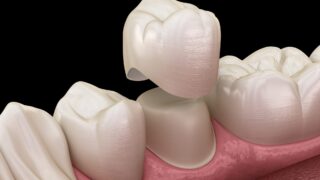
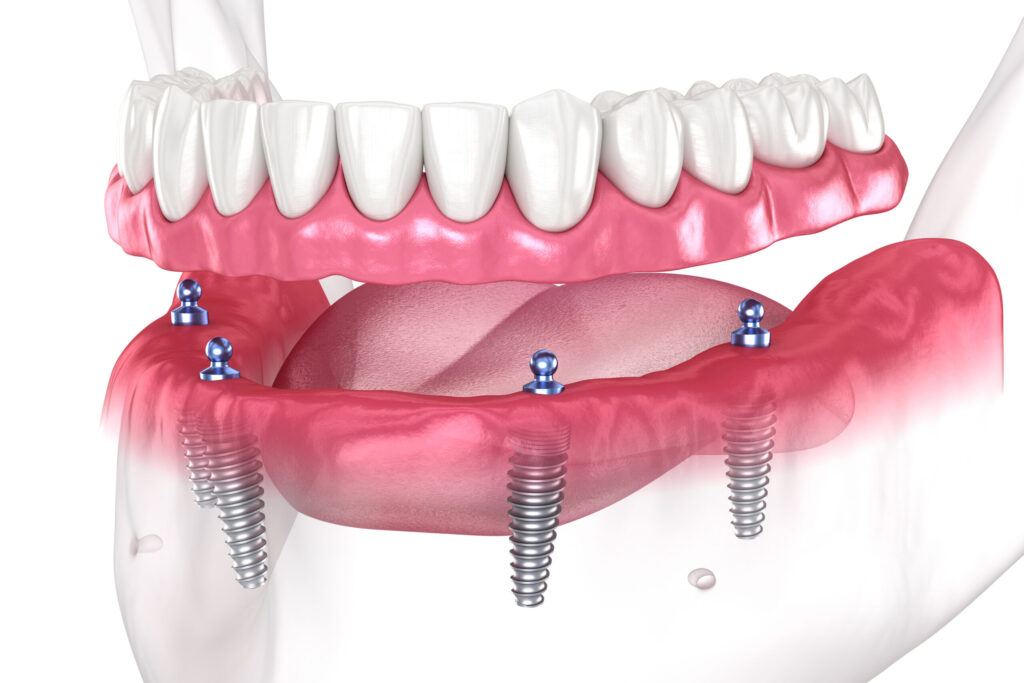
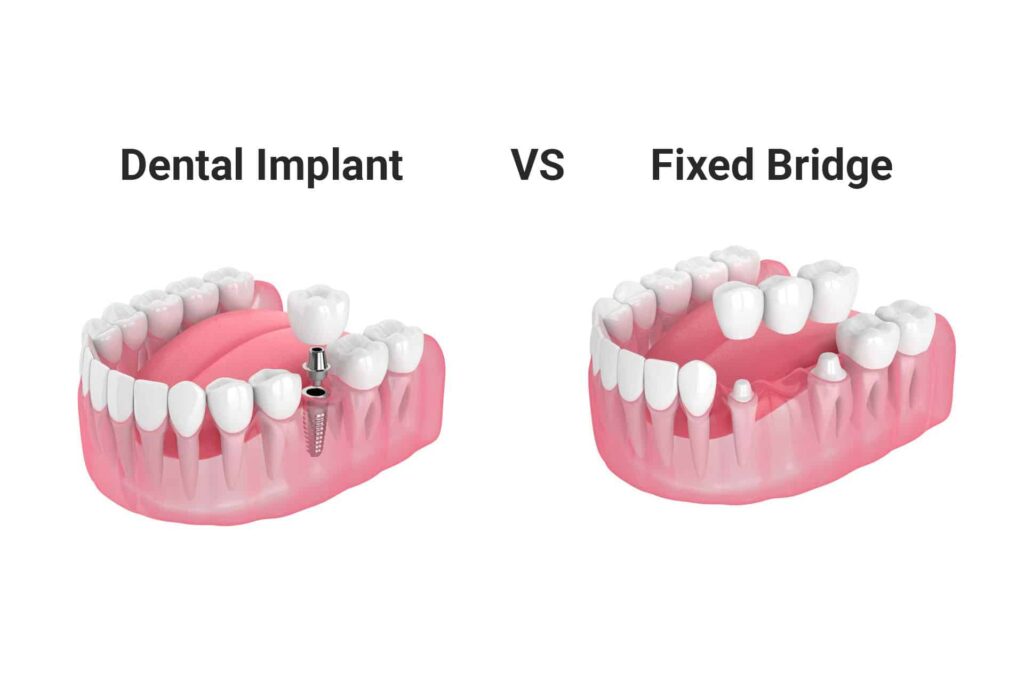
The term Implant vs. Prosthesis often appears in dental literature, but it carries specific meanings. A dental implant is a titanium or zirconia post surgically placed into the jawbone, mimicking the root of a natural tooth. In contrast, a prosthesis refers to an artificial replacement, such as a crown, bridge, or denture, which may rest on natural teeth, implants, or gums.
Implants and prostheses serve complementary purposes. While implants offer a permanent foundation, prostheses restore the visible structure and function of teeth. Modern dentistry increasingly combines the two: implants provide anchorage for prosthetic crowns or bridges, ensuring stability and longevity.
Functional Differences in Implant vs. Prosthesis
Functionality is a key factor in evaluating Implant vs. Prosthesis. Implants integrate with the jawbone through a process called osseointegration, which creates a secure and natural-feeling foundation. This allows for normal chewing forces and prevents bone loss over time.
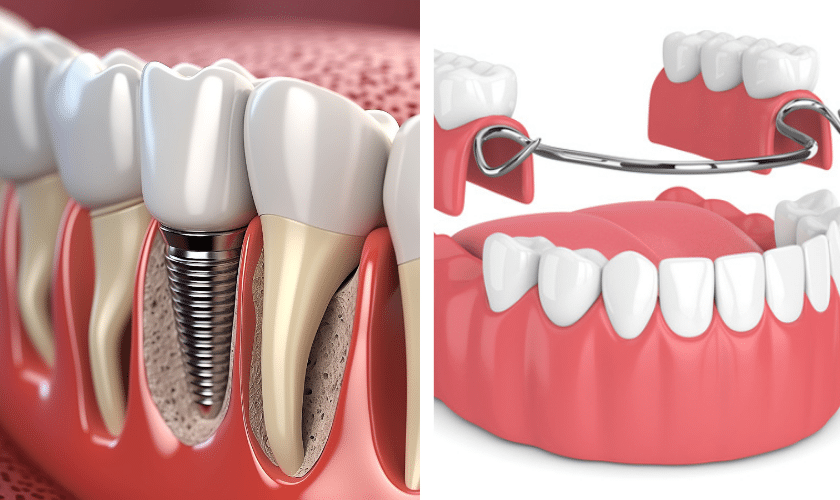
Prostheses, on the other hand, rely on surrounding teeth or tissue for support. While removable dentures offer functional improvement, they may shift or cause discomfort, especially when eating harder foods. Fixed prosthetic bridges, though more stable, still depend on neighboring teeth for anchorage, which can compromise long-term dental integrity.
| Feature | Implant | Prosthesis |
| Support | Jawbone integration | Teeth or gums |
| Stability | High | Moderate to low (removable) |
| Longevity | 15+ years | 5–10 years depending on type |
| Bone Preservation | Prevents bone loss | Limited effect |
Structural Insights in Implant vs. Prosthesis
The structures of implants and prostheses differ in material, design, and biological interaction. An implant typically consists of a biocompatible screw, abutment, and prosthetic crown. The biocompatibility ensures minimal immune response and encourages bone growth around the implant surface.
Prostheses, such as crowns or dentures, vary in composition. Porcelain, ceramic, or composite resin crowns offer aesthetic appeal, while full dentures use acrylic or metal frameworks. Unlike implants, prostheses rarely stimulate bone and may require adjustments over time.
Cost Considerations of Implant vs. Prosthesis
Financial planning is an important aspect of choosing between Implant vs. Prosthesis. Implants generally have higher upfront costs due to surgical procedures, specialized materials, and extended treatment time. However, their durability often offsets long-term expenses, especially when considering fewer replacements and reduced maintenance.
Prosthetic solutions are initially less expensive but may require frequent repairs, relining, or replacements. Dentures and bridges, while accessible, might incur hidden costs associated with adhesive products, periodic adjustments, and potential impact on oral health.
| Type | Initial Cost | Maintenance | Longevity |
| Implant-supported Crown | $2,000–$4,500 | Minimal | 15–25 years |
| Fixed Bridge | $1,500–$3,000 | Moderate | 7–15 years |
| Removable Denture | $500–$2,000 | Frequent | 5–8 years |
Aesthetic and Psychological Impacts in Implant vs. Prosthesis
Beyond functionality, aesthetics and patient confidence differ between Implant vs. Prosthesis. Implants, by replicating natural tooth roots, provide a seamless appearance and prevent facial sagging caused by bone loss. This subtle but vital effect contributes to self-esteem and social confidence.
Prostheses, while visually restorative, may not fully replicate the natural feel of teeth. Removable dentures can sometimes produce speech changes, slight slippage, or discomfort, affecting everyday life. Fixed bridges perform better aesthetically but rely on the health of adjacent teeth.
Clinical Indications for Choosing Implant vs. Prosthesis
Clinical choice between Implant vs. Prosthesis depends on patient-specific factors. Bone quality, oral hygiene, age, systemic health, and personal preferences guide treatment planning. Implants are recommended when sufficient bone is present and patients seek long-term stability. Prostheses suit scenarios with temporary solutions, budget constraints, or limited surgical options.
Advanced imaging and 3D modeling now allow clinicians to predict outcomes more accurately. This integration of technology has blurred the line between implants and prostheses, as hybrid solutions combine the benefits of both approaches.
Maintenance and Longevity in Implant vs. Prosthesis
Long-term success depends on care. Implants require routine oral hygiene, periodic check-ups, and professional cleaning. When maintained properly, implant-supported prostheses can last decades without significant issues.
Prosthetic devices, particularly removable dentures, demand more frequent attention. Daily cleaning, correct storage, and occasional adjustments are essential to prevent gum irritation, misalignment, and reduced functionality.
Choosing Between Implant vs. Prosthesis
Selecting between Implant vs. Prosthesis is not merely a financial or cosmetic decision. It involves assessing functional needs, anatomical conditions, and long-term outcomes. Implants offer superior integration, stability, and bone preservation, whereas prostheses provide accessible, flexible solutions for tooth replacement.
Modern dentistry often merges both concepts: implants serve as anchors, and prosthetic crowns restore aesthetics and functionality. This combination ensures the best of both worlds, giving patients durable, natural-looking results that improve quality of life.