Dental plaque is one of those quiet problems that almost everyone has heard about, but very few people truly understand. From a scientific perspective, plaque is not just a cosmetic issue. It is a living biofilm that continuously forms on tooth surfaces, gums, and even dental restorations.
Right from the start, it is important to note that the phrase remove dental plaque refers to a wide range of habits, tools, and professional concepts. This article does not provide medical advice. Instead, it aims to answer the questions a curious person might naturally ask when learning about plaque, its structure, and its interaction with the oral environment.
What Is Dental Plaque and Why People Want to Remove Dental Plaque
Dental plaque is a soft, sticky accumulation of microorganisms embedded in a matrix of proteins and sugars. According to microbiological studies, plaque begins forming within hours after tooth surfaces are cleaned. This is one of the main reasons why people frequently search for ways to remove dental plaque in daily life.
From an analytical viewpoint, plaque is not inherently harmful at the moment it forms. The issue arises when plaque matures. As it thickens, oxygen levels decrease inside the biofilm, allowing different bacterial populations to dominate. Researchers have linked this shift to changes in oral pH, surface roughness, and gum response. These findings help explain why plaque management has become such a central topic in modern dentistry literature.
Interestingly, plaque does not distribute evenly. Studies using plaque disclosing agents show higher accumulation near the gumline, between teeth, and around restorations. This uneven distribution fuels curiosity about plaque removal methods and why some areas feel harder to keep clean than others.
How Dental Plaque Forms: A Scientific Look at Remove Dental Plaque Concepts
To understand attempts to remove dental plaque, it helps to know how plaque actually forms. The process begins with the acquired pellicle, a thin protein layer that naturally coats enamel. This pellicle acts as a docking surface for early colonizing bacteria.
Within the first 24 hours, these bacteria multiply and attract secondary species. Research in oral microbiology highlights that plaque formation is not random. It is highly organized and influenced by saliva composition, diet patterns, and surface texture. This is why plaque may feel thicker in some individuals even with similar habits.
Scientists also emphasize that plaque is resilient. Mechanical disruption changes its structure, but if conditions remain favorable, it reforms quickly. This explains why discussions about how to remove dental plaque often focus on consistency rather than one time actions.
Everyday Tools People Use to Remove Dental Plaque
When people think about ways to remove dental plaque, toothbrushes are usually the first thing that comes to mind. Manual and powered toothbrushes have both been extensively studied. Comparative research suggests that technique often matters more than the tool itself.
Beyond toothbrushes, interdental tools play a significant role. Dental floss, interdental brushes, and water based devices are frequently mentioned in plaque related studies. These tools target areas that standard brushing may miss. Observational studies show that plaque accumulation between teeth differs significantly among individuals, which is why interdental cleaning attracts so much attention.
Mouth rinses are another category often associated with plaque control. Scientific discussions around these products focus on their chemical interaction with bacteria rather than physical plaque removal. This distinction is important, as it shapes public understanding of what it really means to reduce plaque presence.
Remove Dental Plaque and the Role of Professional Dental Settings
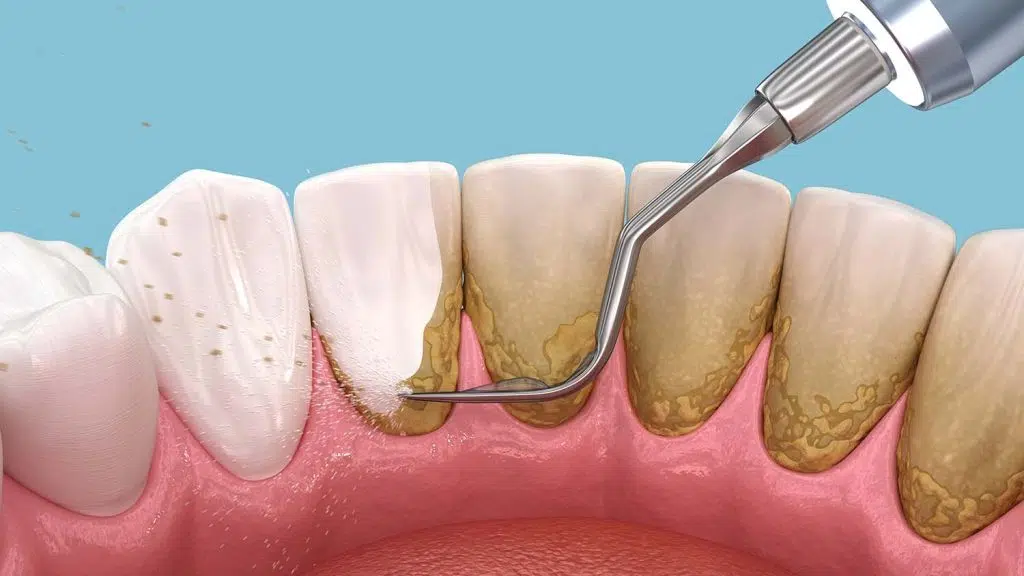
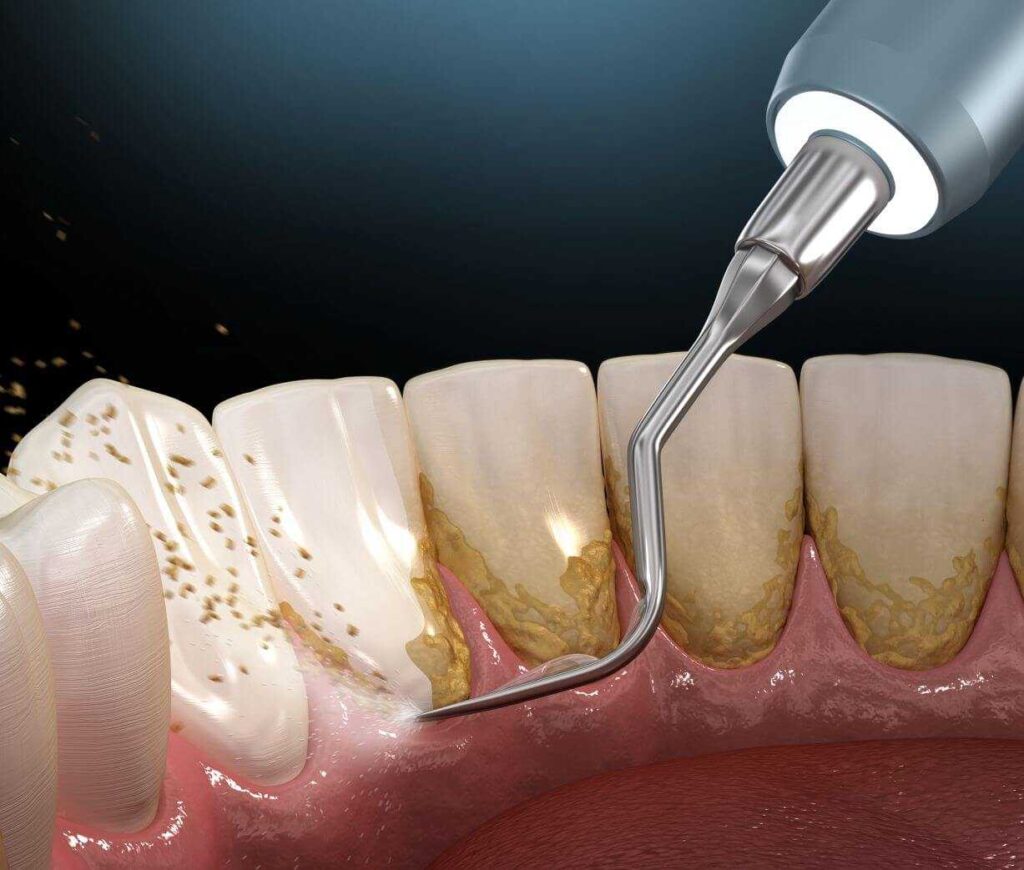
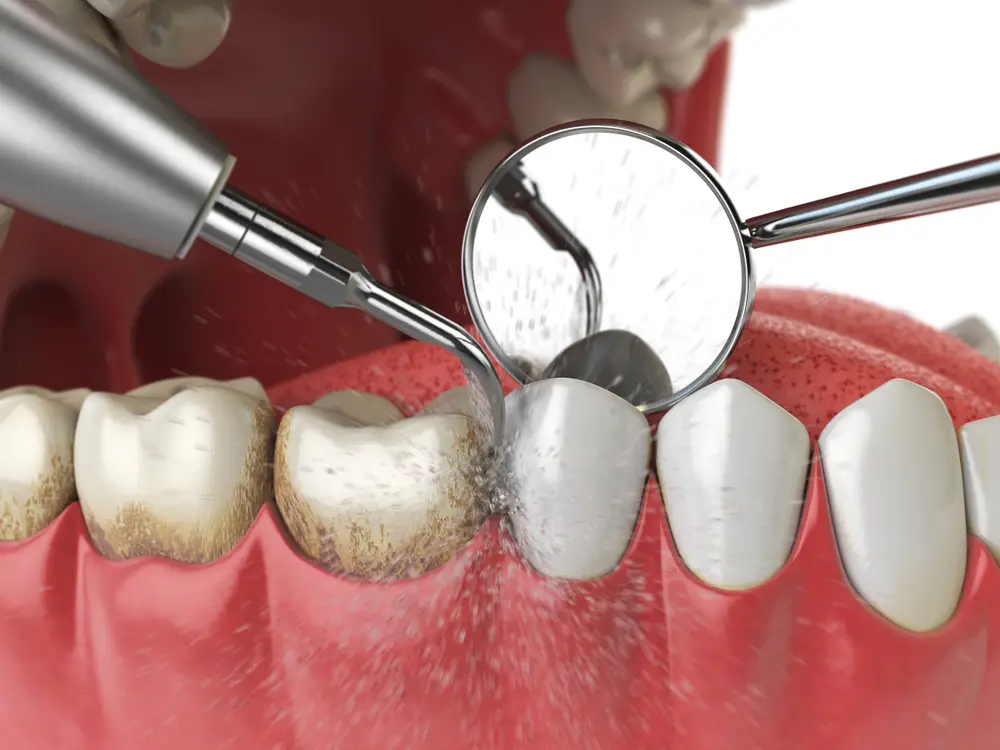
In clinical environments, the concept of remove dental plaque takes on a different meaning. Dental professionals often use specialized instruments designed to disrupt plaque and calculus without damaging enamel surfaces. These procedures are frequently discussed in academic journals as part of preventive dental care models.
Professional plaque management is also closely tied to diagnostic processes. Plaque indices and scoring systems are used to evaluate oral hygiene status in both research and practice. These metrics help clinicians observe patterns rather than making absolute claims about cleanliness.
Another interesting aspect is patient perception. Surveys indicate that individuals often feel their teeth are cleaner after professional visits, even if plaque reforms shortly afterward. This psychological component plays a role in how people perceive plaque and its management.
Diet, Lifestyle, and How They Influence Remove Dental Plaque Discussions
Dietary habits are frequently mentioned in conversations about how people try to remove dental plaque or reduce its buildup. From a biochemical standpoint, fermentable carbohydrates provide energy for plaque bacteria, influencing biofilm behavior.
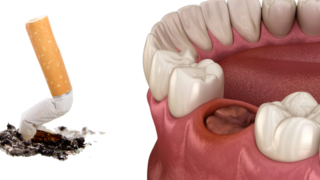
Lifestyle factors such as smoking, hydration levels, and stress have also been examined in relation to plaque characteristics. For example, studies suggest that reduced saliva flow can alter plaque composition. This does not mean direct causation, but it highlights how complex plaque dynamics can be.
Interestingly, cultural habits influence plaque related behaviors as well. Anthropological research shows variations in oral hygiene routines across populations, leading to different plaque patterns. These findings add depth to the discussion beyond simple daily habits.
Common Misconceptions About Remove Dental Plaque
One widespread misconception is that plaque can be completely eliminated. Scientific consensus suggests that plaque is a natural and continuous process. The real discussion revolves around managing plaque rather than permanently erasing it. This insight reframes how experts talk about remove dental plaque strategies.
Another misconception is equating plaque with tartar. While related, they are not the same. Plaque is soft and biologically active, while tartar is mineralized plaque. This distinction often gets blurred in public conversations, leading to confusion.
There is also a tendency to assume that stronger products automatically lead to better plaque control. Research indicates that excessive force or aggressive methods may not align with optimal oral surface preservation. This nuanced understanding is often missing from simplified online explanations.
Remove Dental Plaque in Children, Adults, and Aging Populations
Plaque behavior changes throughout life. In children, plaque accumulation patterns are influenced by eruption stages and developing motor skills. Studies in pediatric dentistry observe different plaque distribution compared to adults, which affects how plaque removal is approached conceptually.
In adults, restorative work such as crowns or implants introduces new surfaces where plaque can adhere differently. This adds another layer to discussions about how to remove dental plaque effectively in varied oral environments.
Among older populations, changes in saliva composition, dexterity, and medication use can influence plaque formation. Gerodontology research often emphasizes adaptability rather than fixed routines, highlighting the importance of personalized understanding.
Why Remove Dental Plaque Remains a Popular Research Topic
Despite decades of research, plaque remains a central subject in dental science. One reason is its role as a gateway factor. Plaque interacts with gums, enamel, and restorative materials, making it relevant across multiple disciplines.
Technological advancements also keep the topic fresh. Digital plaque detection tools, biofilm imaging, and AI driven analysis are expanding how researchers study plaque behavior. These innovations contribute new data rather than repeating old assumptions.
From an educational standpoint, plaque is a concept that connects scientific knowledge with everyday experience. This makes it an ideal topic for both academic exploration and public awareness, ensuring its continued relevance.
Final Thoughts From Livera Clinic on Remove Dental Plaque
Understanding dental plaque requires more than a list of tips. It involves recognizing plaque as a dynamic, biological system shaped by habits, environment, and individual variation. The idea of remove dental plaque is best viewed as an ongoing interaction rather than a single action.
At Livera Clinic, we believe that informed curiosity leads to better awareness. Exploring plaque through scientific findings and real world observations allows people to ask smarter questions about their oral health journey. Knowledge, after all, is one of the most powerful tools in modern dentistry.