Parents often notice small changes in their child’s smile long before anyone else does. A front tooth that looks slightly pushed forward, a bite that no longer closes neatly, or a gap that seems to appear out of nowhere can raise a common concern: Pacifier Teeth. While the term sounds informal, it points to a very real pattern of dental change associated with prolonged sucking habits, especially when a pacifier is used beyond the age when the mouth is developing rapidly.
At Livera Clinic, we know this topic sits at the crossroads of parenting, growth, dental development, and timing. It is also a subject surrounded by myths. Some people assume these changes always disappear on their own. Others fear that every child with Pacifier Teeth will need complex treatment later. Reality is more nuanced. In many cases, the situation improves as oral habits change and growth continues. In other cases, targeted dental support may help guide the teeth and jaw into a healthier position.
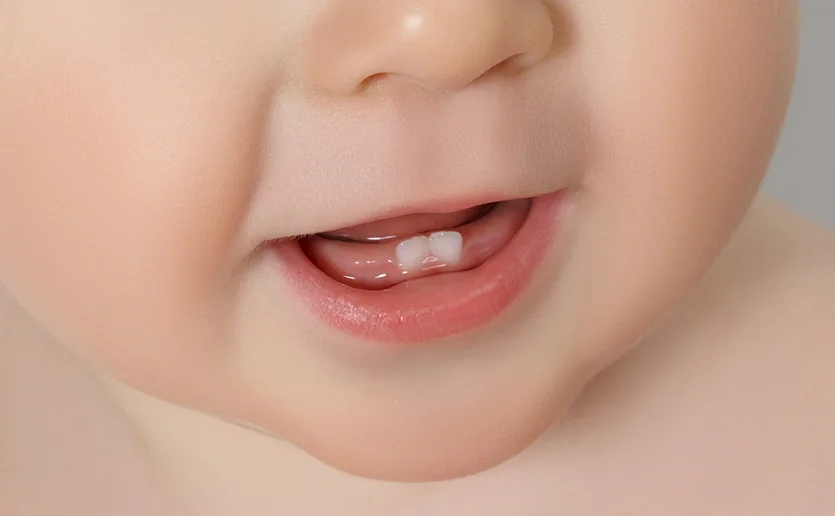
What Are Pacifier Teeth and Why Do They Happen?
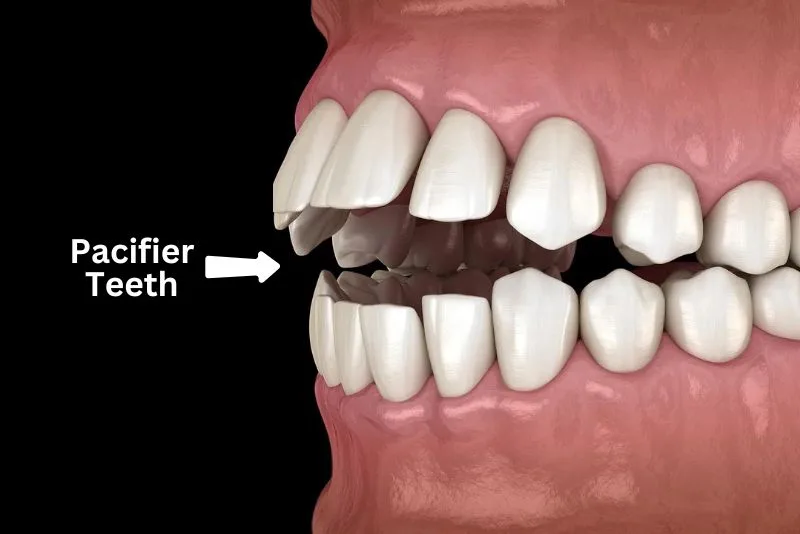
Pacifier Teeth is a non-clinical phrase used to describe dental or bite changes linked to long-term pacifier use. Dentists may instead refer to issues such as anterior open bite, overjet, narrowed upper arch, or altered tooth alignment. These shifts can happen because the developing mouth is highly adaptable. When a pacifier rests between the teeth or applies pressure to the palate regularly, the surrounding structures may gradually respond.
The human mouth is dynamic, especially in infancy and early childhood. Teeth erupt, jaws expand, facial muscles mature, and swallowing patterns evolve. During this period, repeated habits matter. A pacifier is not automatically harmful, and many children use one for comfort with no lasting problem. However, frequency, duration, intensity, and age all influence whether changes become noticeable. A child who occasionally uses a pacifier for sleep may present differently from one who keeps it in for many hours each day.
Researchers and pediatric dental observations often point to a pattern rather than a guarantee. Prolonged non-nutritive sucking habits may be associated with the front upper teeth tipping outward, front lower teeth tipping inward, or the front teeth failing to meet properly when the mouth closes. This is why the topic of Pacifier Teeth deserves careful, calm, and individualized discussion rather than alarm.
How to Recognize Signs of Pacifier Teeth Early
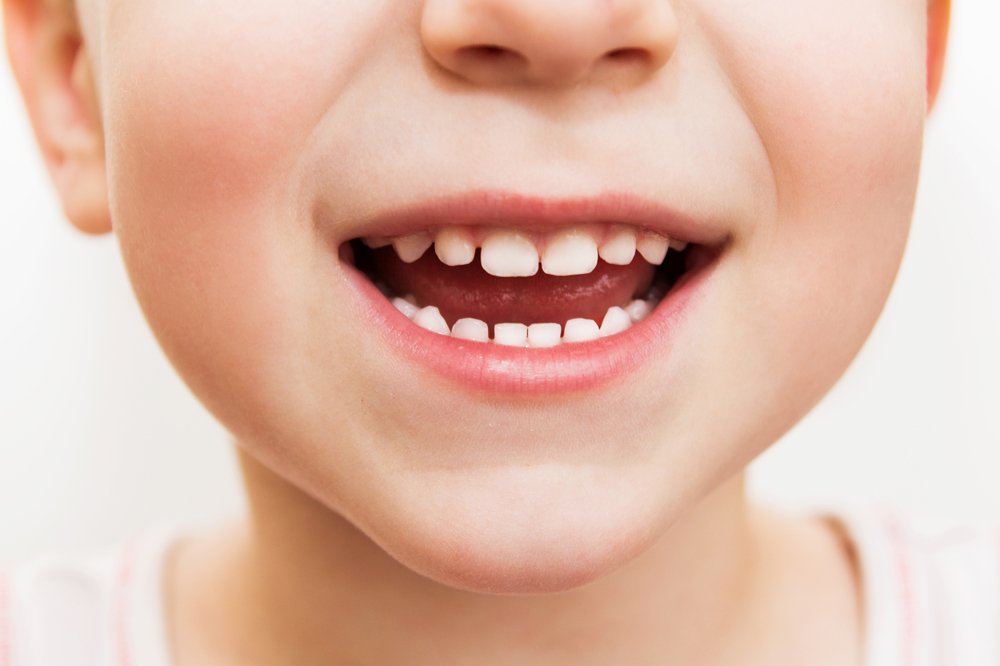
One of the most useful steps is knowing what to look for. The signs of Pacifier Teeth are not always dramatic. Sometimes the changes are subtle and easier to notice in photographs taken a few months apart than in daily life. Parents may see that the upper front teeth appear more prominent, or that the child bites down and a vertical space remains between the upper and lower front teeth.
Another clue may involve speech or oral posture, although these signs are less specific. Some children with sucking-related bite changes may seem to rest their tongue differently, breathe with their mouth open more often, or produce certain sounds in an unusual way. These signs do not confirm Pacifier Teeth on their own, but they can add context when observed alongside visible bite changes.
The following table summarizes common patterns often associated with this issue:
| Possible Sign | What It May Look Like | Why It Matters |
| Open bite | Front teeth do not touch when the mouth closes | May affect biting and oral function |
| Increased overjet | Upper front teeth project forward | Can change smile appearance and lip posture |
| Narrow upper arch | Upper jaw appears tighter or more V-shaped | May influence spacing and bite fit |
| Tooth misalignment | Teeth look tilted, crowded, or uneven | May become more noticeable as adult teeth erupt |
| Altered bite pattern | Back teeth meet oddly or asymmetrically | Can suggest broader bite development changes |
A child does not need to show every sign to raise the question of Pacifier Teeth. In fact, many cases involve only one or two visible changes. The key is not to self-diagnose aggressively, but to understand that habits can shape growth over time.
The Science Behind Pacifier Teeth and Oral Development
The reason Pacifier Teeth can develop is rooted in pressure, repetition, and growth. Bone in the jaw area is responsive, especially in children. Teeth are not fixed like nails in wood; they sit in living tissue that adapts to forces. Even gentle forces, when repeated often enough, may influence how teeth erupt or where they settle.
Orthodontic science has long recognized that habits can affect dental arches. Pacifier use, thumb sucking, and prolonged bottle habits are often grouped together as non-nutritive sucking behaviors with the potential to alter bite relationships. Not every child responds the same way. Genetics, growth pattern, nasal breathing, tongue posture, and the shape of the pacifier itself may all play a role. That is why one child may use a pacifier for a period and show no obvious concern, while another develops visible bite changes.
This is also where the conversation becomes more interesting than a simple yes-or-no answer. Pacifier Teeth are not just about teeth. They may involve muscles, tongue position, lip seal, palate shape, and habitual swallowing patterns. A scientific perspective therefore looks beyond appearance alone. It considers function, timing, and whether the mouth is likely to self-correct as growth continues.
Method 1 to Fix Pacifier Teeth: Remove the Habit and Allow Natural Correction
The first and often most effective method for improving Pacifier Teeth is stopping the habit that contributes to the pressure. This may sound almost too simple, but in younger children, it can be remarkably important. If the pacifier is removed while the mouth is still developing, some dental changes may gradually lessen as natural growth and muscle balance return.
This method works best when the habit has not continued for too long and when the changes are relatively mild. The front teeth, for example, may drift toward a more natural position once the constant presence of the pacifier is gone. The tongue can begin functioning differently, the lips may close more naturally, and the dental arches may continue growing without the same repeated force. Improvement is not always immediate, and it is not always complete, but spontaneous correction is a well-recognized possibility in developing mouths.
That said, “remove the habit” is easy to write and harder to live. Pacifiers are emotional objects as much as oral ones. They soothe, regulate, and comfort. For this reason, families often do better with a structured approach than with a sudden battle. Common strategies include:
- Limiting pacifier use to sleep times first
- Gradually shortening daily use
- Replacing the routine with another comfort cue
- Using praise and visual progress charts
- Choosing a clear end date and preparing the child in advance
This method is especially relevant because many discussions of Pacifier Teeth skip a key truth: early dental change does not always require active correction if the cause is removed early enough. Observation over time may be part of the process. The goal is not to promise that nature fixes everything, but to recognize that growth itself can be powerful.
Method 2 to Fix Pacifier Teeth: Orthodontic or Pediatric Dental Guidance
When Pacifier Teeth persist after the pacifier habit has ended, or when the bite change appears more pronounced, the second method often considered is professional dental guidance. This may involve monitoring, interceptive orthodontics, or a pediatric dental treatment plan designed around growth and function. The exact approach varies widely depending on age, dentition stage, and the nature of the bite.
In some children, the recommendation may be simple observation until more permanent teeth erupt. In others, an early orthodontic appliance may be discussed to guide arch development or address an open bite pattern. Some professionals may also look at tongue posture, breathing patterns, or oral habits that continue even after pacifier use stops. In this sense, treating Pacifier Teeth is not always about moving teeth alone. It may be about supporting a healthier oral environment overall.
Here is a broad comparison of the two methods:
| Method | Best Suited For | Main Goal | Notes |
| Habit removal and monitoring | Mild to moderate early changes | Let growth rebalance the bite | Often considered first in younger children |
| Dental or orthodontic guidance | Persistent or more visible bite issues | Support alignment and function | May include observation or appliances |
At Livera Clinic, the value of professional evaluation lies in context. Two children may appear similar in a photo yet need very different follow-up. A growth-based issue deserves a growth-based interpretation. That is why the most useful perspective on Pacifier Teeth often comes from examining the bite as part of the child’s broader developmental picture.
When Pacifier Teeth May Improve on Their Own
One of the most searched questions about Pacifier Teeth is whether they can resolve naturally. In many cases, especially when the sucking habit ends relatively early, some degree of self-correction may occur. This is one reason clinicians often avoid absolute language. The developing mouth is capable of meaningful change, and children continue to grow in ways that can reduce earlier bite irregularities.
Natural improvement is more likely when the dental change is mild, the child is still young, and there are no overlapping factors such as tongue thrust, chronic mouth breathing, or skeletal jaw imbalance. If the pacifier is discontinued and the child’s oral posture stabilizes, the front teeth may shift gradually and the bite may look more balanced over time. However, spontaneous correction is not guaranteed. Some features of Pacifier Teeth may persist and become more noticeable as permanent teeth erupt.
This is why follow-up matters even when the situation appears to be improving. The mouth develops in stages, and what looks better at one age may still deserve attention later. A thoughtful approach balances patience with observation rather than jumping to conclusions too quickly.
Risk Factors That Can Make Pacifier Teeth More Noticeable
Not all pacifier use has the same effect. Several variables can shape whether Pacifier Teeth become more visible or functionally relevant. Duration is perhaps the most obvious. A habit that lasts into later preschool years may carry more influence than one that fades earlier. Frequency also matters. A pacifier used occasionally is different from one used throughout much of the day.
Intensity is another overlooked factor. Some children hold a pacifier passively, while others suck vigorously. The stronger and more repetitive the pressure, the more likely it may be to affect developing structures. Oral anatomy also matters. Children with naturally narrower arches, different growth tendencies, or airway-related habits may show changes more readily.
A useful way to think about risk is as a combination of variables rather than a single cause:
- Age at habit cessation
- Daily duration of use
- Sucking intensity
- Existing jaw growth pattern
- Tongue posture and swallowing habit
- Mouth breathing or airway factors
This broader lens helps explain why Pacifier Teeth are not a one-size-fits-all issue. The same object can interact differently with different mouths.
Why Timing Matters in Cases of Pacifier Teeth
Timing shapes both prevention and correction. The younger the child, the more plastic the oral environment tends to be. This means the same bite change seen at one age may have a different long-term significance at another. Early discontinuation of the habit may allow the mouth to adapt favorably. Later persistence may increase the chance that changes remain more visible.
There is also timing within treatment decisions themselves. Acting too early without a clear reason may create unnecessary intervention. Waiting too long may miss a useful developmental window. The challenge is not to chase perfection, but to understand whether the bite is likely to normalize, stabilize, or worsen. In many situations involving Pacifier Teeth, timing is not about urgency. It is about choosing the right moment for observation, reassessment, or supportive care.
This is where a science-based and child-centered perspective becomes valuable. A growing smile is not static. It tells a story over time. The best reading of that story comes from looking at patterns, not snapshots.
A Smarter Perspective on Pacifier Teeth
The phrase Pacifier Teeth can sound alarming, but it should not automatically trigger panic. It is better understood as a descriptive shortcut for habit-related bite changes that may range from temporary and mild to more persistent and noticeable. The two methods that work most often are also the most logical: first, removing the habit and allowing room for natural correction; second, seeking pediatric dental or orthodontic guidance when the bite does not improve as expected.
At Livera Clinic, we believe parents benefit most from clarity, not fear. Growth, habits, and bite development are deeply connected, and every child follows a slightly different path. Understanding Pacifier Teeth means looking beyond the pacifier itself and considering timing, function, anatomy, and development together. That balanced view is what turns confusion into informed observation.