Maintaining oral health becomes a more involved routine when someone starts wearing Braces. The metal brackets and wires create new angles, hidden surfaces and narrow gaps that can trap food and encourage plaque buildup. While orthodontic treatment aims to align teeth and improve function, many patients also worry about preventing decay during the process. The balance between cleaning, diet choices and daily habits becomes more noticeable, especially when the mouth adapts to the new structure.
Although no single method guarantees perfect protection, understanding how these orthodontic devices interact with natural oral conditions can help. When viewed as a long term project, the goal becomes building a routine that keeps enamel strong while supporting a comfortable and predictable orthodontic journey. In this article, you will find insights, observations and useful perspectives that can make the experience easier and more manageable.
How Braces Influence Everyday Cleaning Challenges
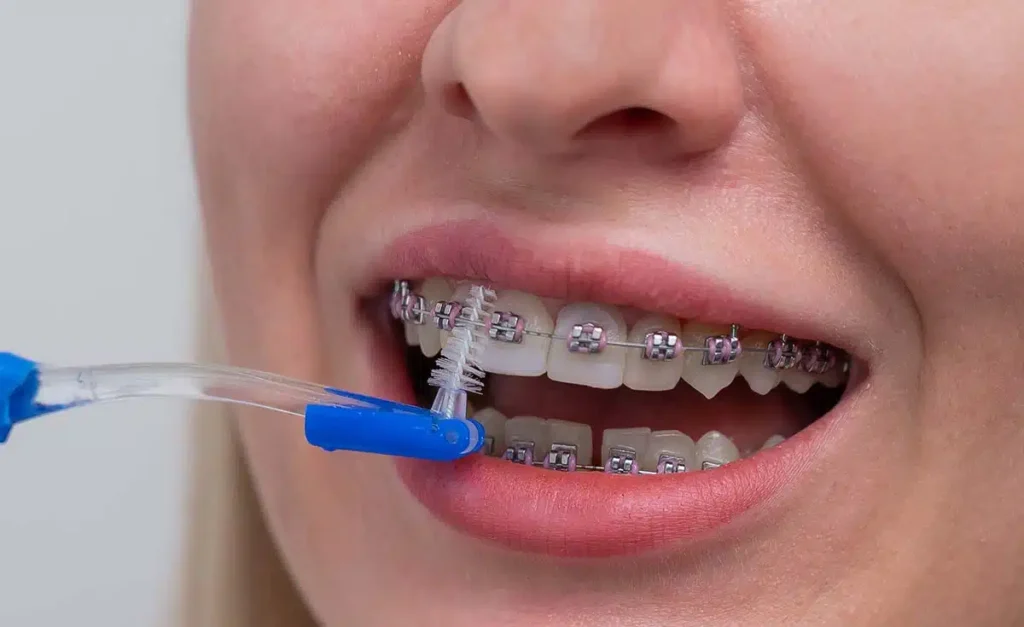
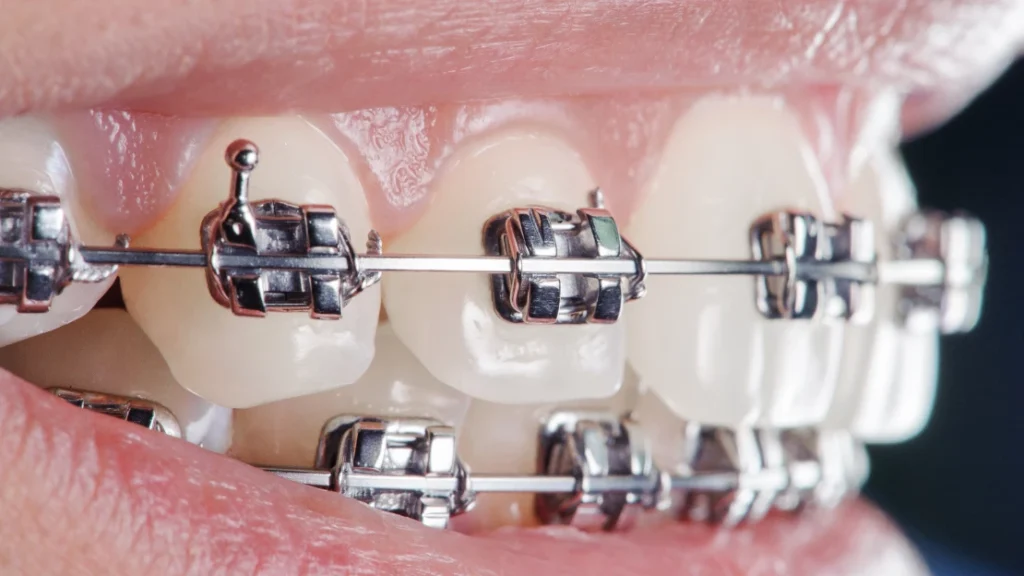
The physical design of Braces changes how the mouth handles food particles. Brackets and wires create surfaces that toothbrush bristles cannot always reach, so plaque tends to accumulate faster. Each bite of bread, fruit or cooked food leaves soft debris around the edges of the brackets.
Patients often describe a temporary adjustment period in which their usual cleaning habits become insufficient. The effort required to move the toothbrush at different angles becomes higher. This period is normal and shared by many people receiving orthodontic care. As time passes, brushing routines grow more detailed, and individuals become more aware of how small actions influence cleanliness.
One interesting detail is how saliva flow adapts. Saliva plays an essential role in neutralizing acids, but when the brackets create obstacles, the natural rinsing effect becomes less efficient. This makes the teeth more dependent on deliberate cleaning steps rather than passive protection.
The Relationship Between Braces and Enamel Sensitivity
For some individuals, Braces can increase awareness of enamel sensitivity. When plaque accumulates in small pockets around the brackets, acids produced by bacteria stay in contact with tooth surfaces longer. Over time, the enamel may respond by developing mild sensitivity to temperature changes or specific foods.
Sensitivity is not a sign of immediate damage. It often reflects how the enamel reacts to a new oral environment. Some patients report that sensitivity improves after refining their cleaning routine. Others find that changes in diet positively influence their comfort levels.
Another detail is that enamel has no living cells, so it cannot regenerate like other tissues. Therefore, reducing constant exposure to acids becomes an important part of daily life while wearing Braces. Small habits, practiced consistently, support long term enamel stability.
Daily Brushing Habits That Support Cleaner Teeth With Braces
Brushing with Braces involves more angles than brushing without them. Many orthodontic patients discover that shorter brushing sessions are not enough to reach every surface. Instead of rushing, taking time to understand how the bristles move around the brackets creates a noticeable improvement.
A practical approach is to divide the mouth into sections. Working on the upper left area first, then the upper right, then the lower arches helps keep each part equally attended. People often notice that the front teeth receive the most attention, while the back molars require additional focus.
Maintaining gentle pressure is also important. Strong scrubbing can irritate the gums without significantly improving cleanliness. Precise motions around the brackets produce more effective results. Over time, these motions become familiar, making the cleaning experience more predictable and less tiring.
How Braces Affect Dietary Choices and Food Behaviors
Wearing Braces often leads to small but impactful changes in diet. Sticky candies, crunchy snacks and foods that break into small pieces tend to cling to brackets and wires. Since these residues stay longer on tooth surfaces, they indirectly increase the risk of tooth decay.
Many orthodontic patients shift toward softer textures, especially in the early weeks. Cooked vegetables, soups, soft fruits and tender grains become easier to manage. Interestingly, individuals often report that this phase helps them discover new eating habits. Some even describe developing an improved sense of mindful eating.
Beverages also influence the environment around the brackets. Drinks with high acidity may interact with plaque deposits, creating conditions that challenge enamel resilience. Gradually adjusting beverage routines supports a more stable oral environment and complements the effort spent on brushing.
Cleaning Tools That Make Braces Easier to Manage
Certain tools create convenience during orthodontic treatment. While every person eventually discovers their own routine, some patterns are widely observed among people wearing Braces.
Below is a general comparison table showing how different cleaning tools are commonly used during orthodontic care:
| Tool Type | General Purpose | Typical Benefit |
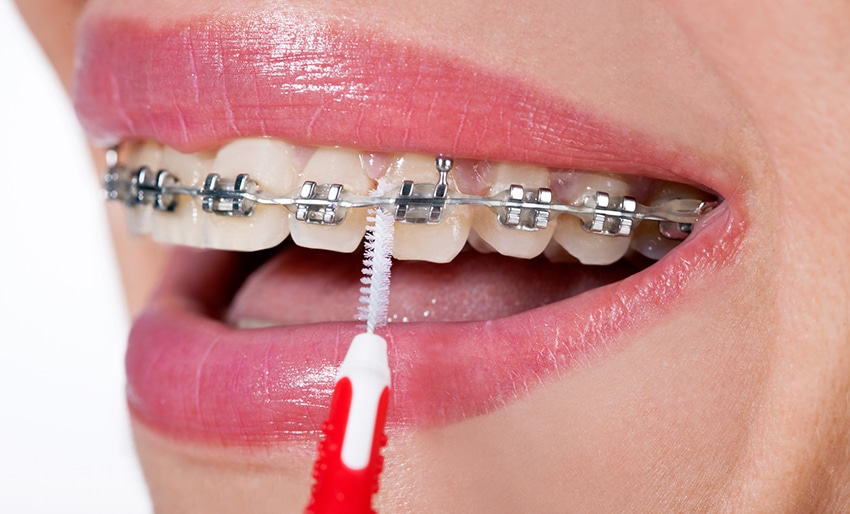
| Interdental Brushes | Cleaning around brackets and between teeth | Helps reach narrow areas |
| Orthodontic Floss Threaders | Guiding floss under wires | Improves access between teeth |
| Water Based Cleaning Devices | Directing water jets around brackets | Removes soft debris |
| Angled Soft Bristle Brushes | Targeting hard to reach spots | Supports detailed brushing |
Patients frequently experiment with combinations of these tools. Some alternate between two or three depending on the day and the condition of their gums. Others integrate them into a larger oral care routine. The process becomes personal, shaped by comfort levels and daily needs.
The Role of Hydration While Wearing Braces
Hydration plays a subtle but meaningful role during orthodontic treatment. When someone is wearing Braces, saliva distribution shifts around the metal structures. Drinking water more frequently helps support the natural cleansing effect of saliva by reducing dryness.
Dry environments inside the mouth allow plaque to become thicker and more adhesive. As a result, individuals who maintain better hydration often describe easier brushing sessions and less residual food around brackets. Hydration also encourages neutralization of acids produced throughout the day.
Another interesting observation is that people who consume water regularly tend to snack less frequently. This indirectly minimizes repeated exposure to foods that may accumulate around orthodontic devices. Although simple, hydration completes other protective habits.
Understanding Plaque Behavior Around Braces
Plaque is a soft, sticky layer that adapts to any surface, including brackets and wires. When wearing Braces, plaque can settle beneath the edges of the brackets, where toothbrushes rarely reach. Over time, this creates conditions that make tooth decay more likely.
Understanding how plaque behaves aids in preventing complications. Instead of viewing plaque as a static substance, it helps to see it as a dynamic layer that changes depending on diet, saliva flow and cleaning habits. The more predictable the routine, the less opportunity plaque has to stay in one place.
Environmental factors such as stress, sleep patterns and oral dryness also influence plaque accumulation. People who pay attention to these factors often experience more stable oral conditions during orthodontic care.
Long Term Oral Stability After Braces
Once Braces are removed, the teeth feel smoother, and cleaning becomes easier. Individuals often describe a renewed sense of motivation to maintain their oral health because they notice the contrast between cleaning with and without orthodontic hardware.
However, what happens after removal also matters. Teeth that were previously hidden behind brackets may need additional care for a short time. Some people continue to use the same tools they used during treatment, while others prefer transitioning to simpler routines.
Stability depends on consistency. Continuing mindful habits learned during treatment ensures long term comfort and supports the structural alignment achieved through orthodontics.
Protecting teeth during orthodontic treatment is a long but rewarding process. Wearing Braces introduces new challenges, yet it also encourages individuals to develop detailed daily routines and healthier dietary awareness. The journey highlights how small actions, repeated over time, contribute to enamel strength and oral comfort.
People who understand how plaque behaves, how enamel responds and how different tools support cleaning tend to adapt more smoothly. In the end, the goal is not perfection but balance. With the right habits, the orthodontic period becomes a time of learning, self awareness and improved long term oral stability.