The question of how long a dental crown takes to be fitted is one of the most common curiosities among patients exploring restorative or cosmetic dentistry. A strong and well designed dental crown is often associated with durability, aesthetics, and functional balance, yet the timeline behind the process is rarely discussed in depth. Understanding how a dental crown is planned, created, and placed helps patients form realistic expectations and feel more confident throughout the experience.
Dental Crown Timeline Explained From First Visit to Final Placement
The time required for a dental crown fitting generally depends on how many clinical and laboratory steps are involved. Traditionally, the dental crown journey is divided into diagnostic assessment, tooth preparation, crown fabrication, and final bonding. Each of these stages plays a role in shaping the overall timeline.
In many conventional workflows, the dental crown process may span multiple visits over one to three weeks. This allows time for impressions, laboratory fabrication, and biological settling. In contrast, digitally assisted systems may shorten this timeframe, but even then, biological factors still matter.
Importantly, a dental crown is not simply placed as soon as the tooth is prepared. The surrounding tissues, bite alignment, and aesthetic harmony all influence how long the process may take. Rushing a dental crown can compromise comfort or longevity, which is why timelines often remain flexible rather than fixed.
Dental Crown Preparation Phase and Its Impact on Timing
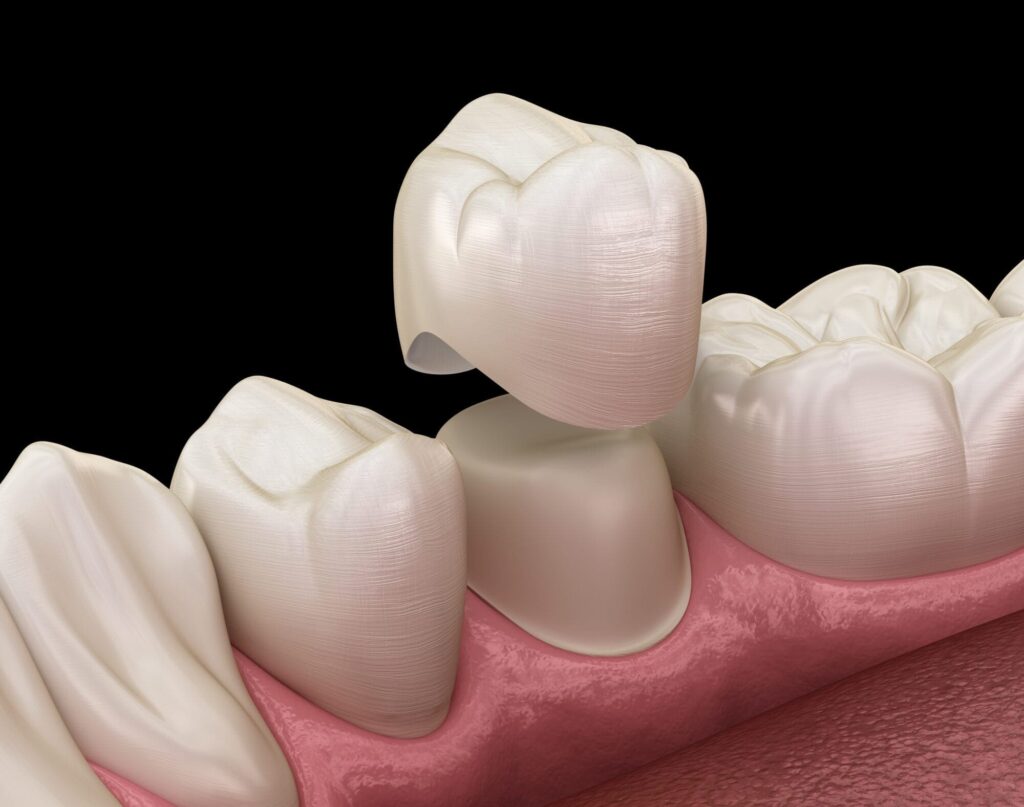
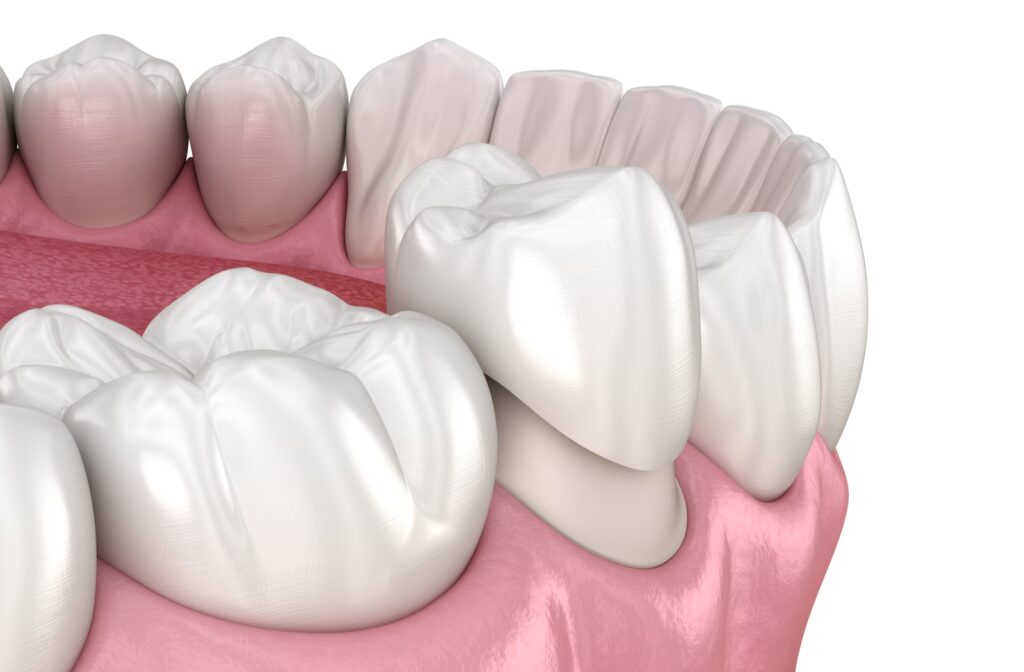
Tooth preparation is one of the most time defining steps in the dental crown process. This stage involves reshaping the natural tooth so that the dental crown can sit securely and function naturally. The complexity of this step varies significantly between patients.
A tooth that already has structural loss or previous restorations may require additional shaping or reinforcement before a dental crown can be placed. In some situations, supporting procedures such as core build ups can add time to the overall workflow.
Another factor influencing preparation time is bite alignment. A dental crown must integrate seamlessly with surrounding teeth. Minor bite adjustments during preparation can extend chair time but often reduce future corrections. From a long term perspective, these adjustments help the dental crown function more predictably.
Dental Crown Fabrication Methods and Time Differences
The method used to fabricate a dental crown plays a major role in how long the fitting process takes. Traditional laboratory crafted dental crown systems rely on physical impressions and off site manufacturing. This typically introduces waiting periods while the crown is designed and produced.
Digital workflows, on the other hand, use intraoral scanning and computer aided design to produce a dental crown more efficiently. In certain settings, this can allow for same day crown fabrication. However, even with digital tools, the final decision depends on case complexity rather than speed alone.
Material choice also affects fabrication time. Ceramic based dental crown designs may require different processing steps than metal reinforced alternatives. Each material responds differently to milling, firing, or layering, which subtly influences the overall timeline.
Dental Crown Fitting Appointment and Adjustment Process
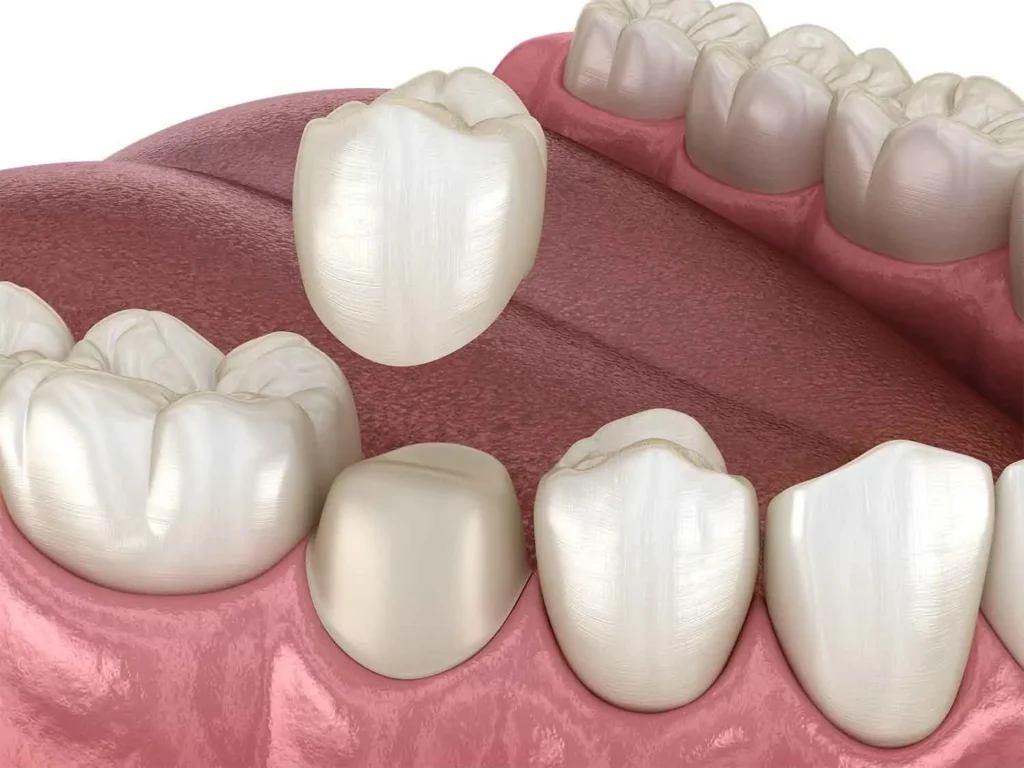
The fitting appointment is often perceived as the final step, but in reality, it serves as a critical evaluation phase. During this visit, the dental crown is tested for fit, bite compatibility, and aesthetic integration. Minor adjustments are common and expected.
A dental crown that feels slightly off during initial placement may require refinements to ensure comfort during chewing and speaking. These refinements are not signs of error, but rather part of the customization process. A well fitted dental crown often results from careful micro adjustments rather than immediate bonding.
Once the clinician is satisfied with fit and function, the dental crown is permanently bonded. This final step typically completes the process, but some patients may still experience an adaptation period as the mouth adjusts to the new restoration.
Dental Crown vs Veneer Time Comparison
Although the terms are sometimes used together, a dental crown and a veneer serve different purposes and can involve different timelines. A dental crown covers the entire tooth structure, while veneers typically cover only the front surface.
Because a dental crown requires more extensive preparation and structural consideration, it often involves more steps than veneer placement. Veneers may sometimes be completed faster, especially when minimal tooth reduction is required.
That said, when veneers are designed for multiple teeth or require advanced aesthetic layering, their timeline can resemble that of a dental crown. The distinction lies less in speed and more in structural intent and coverage.
Dental Crown Longevity and Why Time Investment Matters
The time invested in fitting a dental crown directly influences its long term performance. A rushed dental crown may look acceptable initially but develop functional issues over time. Proper spacing, bite harmony, and material adaptation all depend on sufficient planning.
From a biomechanical standpoint, a dental crown must distribute chewing forces evenly. This requires careful calibration during fitting. Small delays in the process often reflect attention to detail rather than inefficiency.
Patients who understand this often view the timeline as an investment rather than an inconvenience. A well planned dental crown tends to integrate more naturally and feel less foreign over time.
Dental Crown Experience at Livera Clinic
At Livera Clinic, the dental crown workflow is structured around individual anatomy rather than rigid scheduling. Each dental crown is evaluated as a unique case, combining digital diagnostics with clinical judgment.
Rather than promising identical timelines for every patient, Livera Clinic focuses on transparency. Patients are informed about possible variations in the dental crown process and how factors such as tooth condition or material choice may influence duration.
This approach allows the dental crown fitting to remain adaptive rather than formulaic. The goal is not speed alone, but predictability, comfort, and long term satisfaction.
Dental Crown Process Summary and Final Thoughts
So, how long does it take to get a dental crown fitted? The answer lies somewhere between biology, technology, and customization. While some dental crown cases progress quickly, others benefit from a more measured pace.
Understanding the stages involved allows patients to approach the process with clarity rather than uncertainty. A dental crown is not merely placed, it is integrated. Time plays a role in ensuring that integration feels natural and balanced.
By viewing the dental crown journey as a collaborative process rather than a countdown, patients often find the experience more reassuring and rewarding.