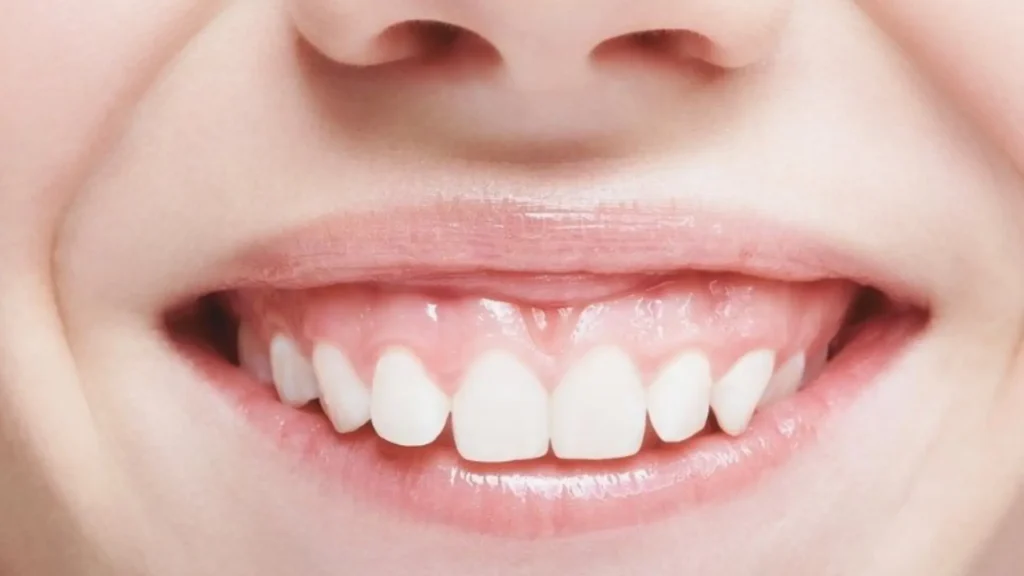
The human smile is a powerful tool for communication, connection, and self-confidence. However, for many individuals, a smile reveals more than just pearly whites; it reveals a significant amount of gingival tissue. This condition, colloquially known as a Gum Smile, can often lead to self-consciousness or a hesitant laugh. At Livera Clinic, we understand that aesthetics are subjective, yet the biological and structural reasons behind a prominent gum line are quite objective. Whether it is a result of genetics, jaw development, or muscle activity, understanding the “why” is the first step toward finding a balance that makes you feel radiant.
In the world of aesthetic dentistry and maxillofacial harmony, a Gum Smile is not necessarily a medical emergency, but it is a fascinating intersection of anatomy and artistry. While some embrace it as a unique facial feature, others seek modern interventions to achieve a more proportional look.
The Biological Blueprint: What Causes a Gum Smile?
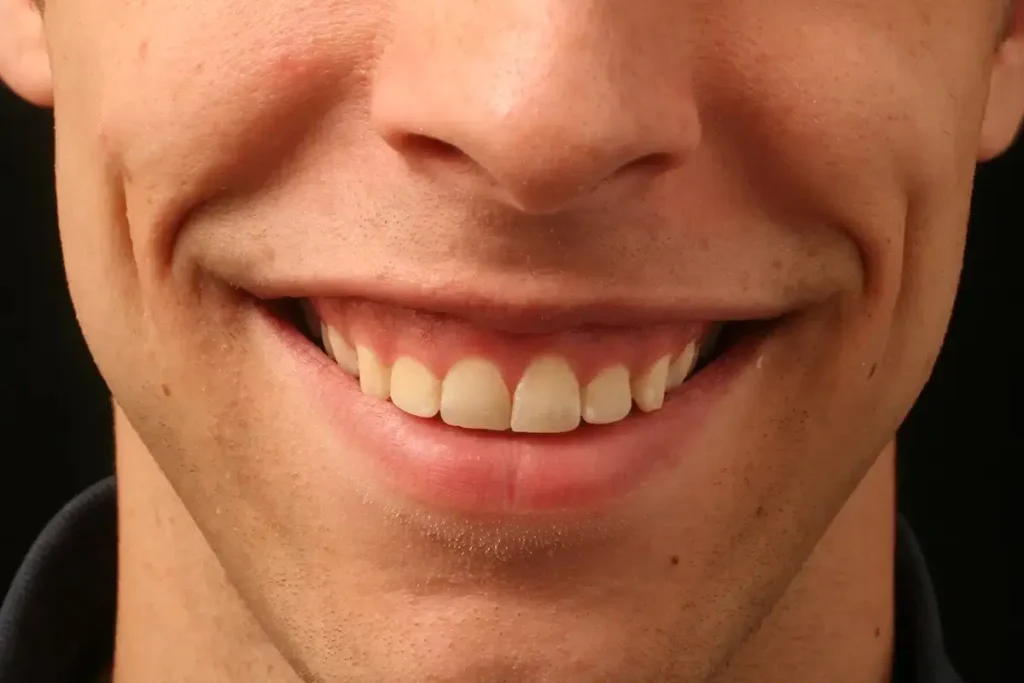
When we look into the mirror and analyze a Gum Smile, we are actually looking at a complex interplay of the upper lip, the teeth, and the gingival scaffold. One of the most common causes is simply the way the teeth erupted during childhood. Sometimes, the teeth remain partially covered by gum tissue, making them appear shorter than they actually are. This creates the illusion of excess gums when, in reality, the tooth structure is just hiding beneath the surface.
Another significant factor involves the vertical growth of the maxilla (the upper jawbone). If the jawbone grows longer than average, the entire dental arch sits lower, pushing the gums into the spotlight. Furthermore, the “hyperactive” upper lip muscle plays a role; if the muscles that control your smile pull the lip up too high, a Gum Smile becomes the natural result. It is a symphony of moving parts where even a millimeter of difference can change the visual outcome.
Analyzing the Proportions of a Gum Smile
In the field of aesthetic analysis, there is a concept known as the “golden proportion.” While beauty is in the eye of the beholder, clinical observation suggests that showing more than three to four millimeters of gum tissue is typically categorized as a Gum Smile. This isn’t just about the gums themselves, but how they contrast with the size and shape of the teeth. If the teeth are naturally small or have been worn down over time due to grinding (bruxism), the surrounding tissue naturally appears more dominant.
At Livera Clinic, we often observe that the harmony of a smile depends on the “smile line” the imaginary curve that follows the edges of your upper teeth. When a Gum Smile disrupts this curve, it can make the face appear more elongated or the smile appear “heavy.” Scientific studies in journals like the Journal of Clinical Periodontology suggest that gum display is also influenced by age, as the upper lip tends to sag slightly over time, naturally covering more of the gums as we get older.
Non-Surgical Innovations for Managing a Gum Smile
For those who are not ready for a permanent change, the world of minimally invasive aesthetics offers fascinating temporary solutions. One of the most popular methods for addressing a Gum Smile involves the use of neuromodulators. By strategically placing these injections into the muscles that lift the upper lip, the “elevator” muscles are slightly relaxed. This prevents the lip from rising too high during a laugh, keeping the gum line elegantly tucked away.
Another non-surgical route involves the use of dermal fillers. By adding subtle volume to the upper lip, the tissue can act as a natural “curtain,” effectively masking a prominent Gum Smile. These methods are favored for their lack of downtime, though they do require periodic maintenance. It is a brilliant example of how modern science can tweak the mechanics of a smile without the need for a scalpel, providing a “test drive” for those considering more permanent adjustments.
The Role of Periodontal Plastic Surgery in Correcting a Gum Smile
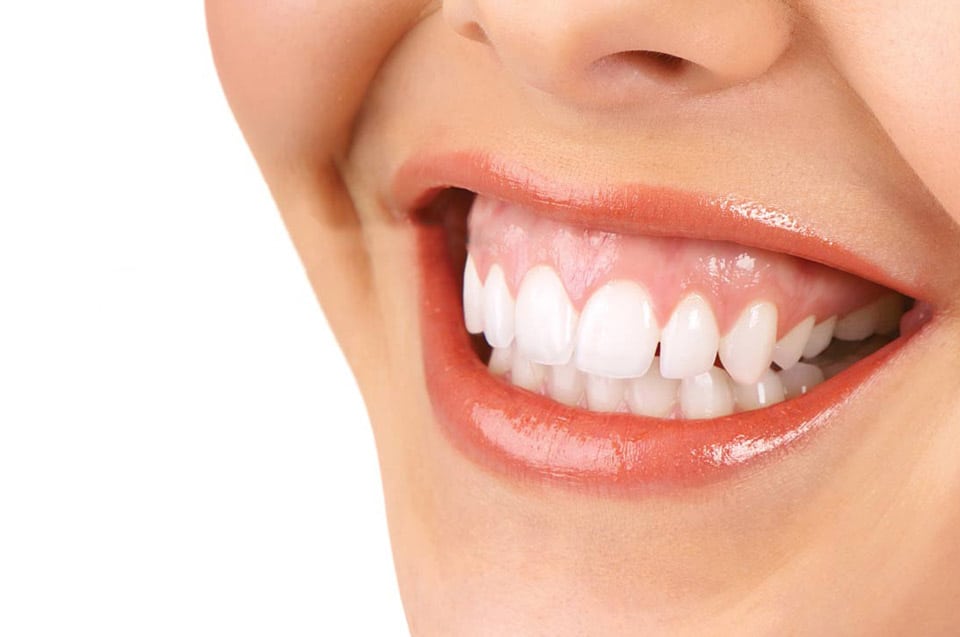
When the issue is purely related to the gum tissue covering the teeth, a procedure known as a gingivectomy or “gum contouring” is often discussed. This is a precise architectural reshaping of the gum line to reveal more of the natural tooth structure. By removing the excess tissue, the teeth are “lengthened” visually, balancing the ratio between white and pink. This is a cornerstone treatment for a Gum Smile caused by altered passive eruption.
| Treatment Type | Primary Goal | Longevity |
| Gingivectomy | Remove excess tissue | Permanent |
| Lip Repositioning | Limit lip movement | Permanent |
| Neuromodulators | Relax lip muscles | 3-6 Months |
| Orthodontics | Move teeth upward | Permanent |
Beyond just cutting tissue, “crown lengthening” may be involved if the underlying bone also needs slight reshaping. This ensures that the Gum Smile does not return and that the gums stay at their new, healthier-looking level. The precision of modern lasers has made these procedures remarkably comfortable, often requiring only local anesthesia and a very short recovery period.
Orthodontics and Jaw Alignment: A Structural Approach
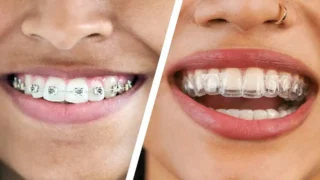
Sometimes, the root cause of a Gum Smile lies deeper than the skin or the gums it is written in the bone. If the teeth are positioned too far forward or the upper jaw is vertically overgrown, orthodontic treatment becomes a powerful ally. Using braces or clear aligners, specialists can “intrude” the upper teeth, moving them slightly upward into the jawbone. This effectively moves the entire gum line higher, reducing the display.
In more complex cases where the skeletal structure is the primary driver, a collaborative approach involving maxillofacial experts might be explored. This isn’t just about the Gum Smile; it’s about the functional alignment of the bite and the overall balance of the profile. While these paths are more involved, they offer a comprehensive solution that addresses both the aesthetics of the smile and the long-term health of the jaw joint and dental occlusion.
Why Livera Clinic Views Every Smile as a Masterpiece
At Livera Clinic, we don’t believe in “cookie-cutter” smiles. Every instance of a Gum Smile is unique to the individual’s facial anatomy. Our approach is rooted in the belief that an informed patient is a confident patient. We look at the tension of the lip, the health of the gingival margins, and the personality of the individual. Science tells us how the muscles move, but art tells us where the smile should land to look most natural.
Correcting or managing a Gum Smile is as much about psychological well-being as it is about clinical measurements. When a person feels their smile represents their inner joy without distraction, their entire demeanor changes. We prioritize a “minimalist” philosophy doing only what is necessary to achieve the maximum boost in confidence, ensuring that your Gum Smile transition looks like you, just on your best day.
Maintaining Your Results and Oral Health
Regardless of the path chosen to address a Gum Smile, the foundation of a beautiful result is impeccable oral hygiene. Healthy gums are firm and pale pink; inflamed gums can appear swollen and red, which only exacerbates the appearance of excess tissue. Regular professional cleanings and a dedicated home care routine are essential to keep the results of any Gum Smile treatment looking crisp and vibrant.
Furthermore, it is important to remember that the face is a dynamic, living system. As we age, our skin loses elasticity and our bones undergo subtle changes. Those who have treated their Gum Smile should maintain regular check-ups to ensure their dental harmony remains intact. The goal is a lifetime of smiles that feel as good as they look, supported by a foundation of health and a clinic that cares for the person behind the teeth.