A Gap Tooth is one of the most noticeable dental characteristics in facial aesthetics. Some people see it as a charming personal signature, while others view a Gap Tooth as a functional or aesthetic concern worth exploring. In recent years, interest in Gap Tooth treatment options has grown rapidly, driven by advances in dental technology and changing beauty perceptions. At Livera Clinic, the topic of Gap Tooth is approached not as a flaw to fix, but as a dental condition that can be understood, evaluated, and managed in multiple ways depending on individual expectations.

Understanding Gap Tooth as a Dental Concept
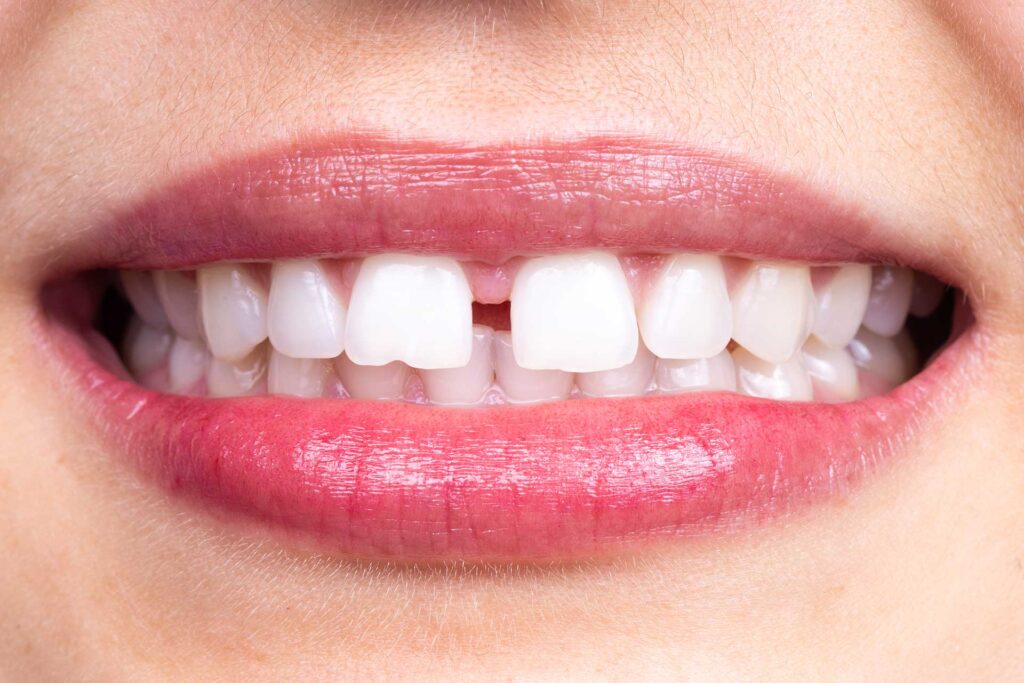
A Gap Tooth , also known as a diastema, refers to a visible space between two teeth, most commonly the upper front teeth. From a scientific standpoint, a Gap Tooth is not a disease but a variation in dental alignment and spacing. Studies in dental anthropology even suggest that Gap Tooth patterns vary by genetics, jaw structure, and ethnic background.
In clinical discussions, a Gap Tooth may be linked to differences in tooth size, jaw width, frenulum attachment, or natural tooth movement over time. This means that two individuals with a Gap Tooth might have completely different underlying reasons for the same visual appearance. Understanding this diversity is central to how Gap Tooth treatment strategies are discussed today.
Interestingly, sociological research shows that perceptions of a Gap Tooth have shifted. In some cultures and fashion eras, a Gap Tooth has been associated with attractiveness, individuality, or confidence. In others, symmetry is prioritized, influencing why Gap Tooth treatment has become a common search topic worldwide.
Gap Tooth Causes Explained in Detail
When discussing Gap Tooth formation, dentistry looks at a combination of structural, behavioral, and developmental factors. One commonly referenced factor is tooth to jaw size ratio. If teeth are relatively small compared to the jaw, spacing like a Gap Tooth may naturally appear.
Another frequently cited element is the labial frenulum, the small tissue connecting the upper lip to the gums. In some cases, this tissue extends lower than average and can contribute to a Gap Tooth between the front teeth. This does not automatically mean treatment is required, but it is part of how professionals analyze Gap Tooth patterns.
Habits during childhood, such as thumb sucking or tongue thrusting, are also discussed in relation to Gap Tooth development. Over time, gentle but repetitive pressure can influence tooth positioning. Additionally, tooth loss without replacement can cause neighboring teeth to shift, sometimes creating a new Gap Tooth later in life.
Gap Tooth Treatment Options in Modern Dentistry
When people research Gap Tooth treatment, they often discover that there is no single universal approach. Instead, Gap Tooth treatment is discussed as a range of possible techniques, each with its own logic and aesthetic outcome.
Commonly mentioned approaches include orthodontic methods, restorative techniques, and cosmetic adjustments. Orthodontic solutions focus on tooth movement, while restorative options often involve reshaping or adding material to teeth. Cosmetic-focused Gap Tooth treatment aims to alter appearance without significantly changing tooth position.
What makes Gap Tooth treatment particularly interesting is how customizable it has become. Digital imaging, smile simulations, and advanced materials allow clinicians to visualize outcomes before any procedure is considered. This evolution has transformed Gap Tooth treatment from a rigid correction process into a flexible design discussion.
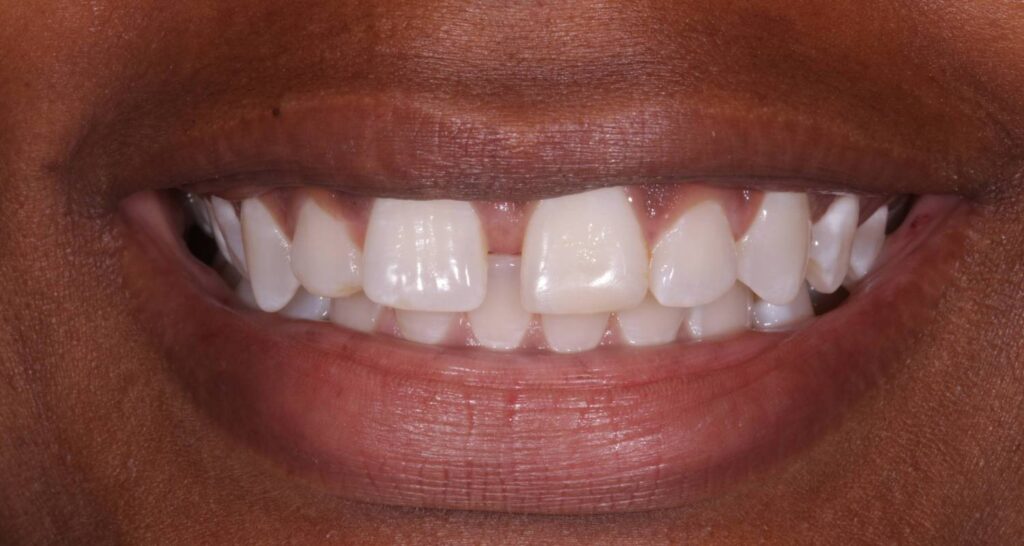
How Gap Tooth Treatment Is Performed Step by Step
Although specific protocols vary, Gap Tooth treatment is often described as a multi stage process rather than a single action. It usually begins with a detailed evaluation, where dental structure, spacing measurements, and facial harmony are assessed. This phase helps clarify whether the Gap Tooth is isolated or part of a broader alignment pattern.
Next comes the planning stage. Digital scans and photographs may be used to map how a Gap Tooth could be addressed visually and structurally. This is where expectations play a major role. Some individuals prefer subtle adjustments, while others seek a more symmetrical smile transformation.
The actual performance of Gap Tooth treatment depends on the chosen method. Orthodontic approaches involve gradual tooth movement over time. Restorative approaches involve precise material application. Regardless of method, modern discussions around Gap Tooth treatment emphasize reversibility, minimal invasiveness, and long term stability as key evaluation criteria.
Aesthetic and Psychological Impact of Gap Tooth
The presence of a Gap Tooth can influence self perception in complex ways. Psychological studies on facial aesthetics suggest that dental appearance often affects first impressions, self confidence, and social interaction. For some, a Gap Tooth becomes a defining feature they embrace. For others, it becomes a point of curiosity or self awareness.
What is fascinating is that Gap Tooth treatment decisions are often driven more by emotional comfort than functional necessity. Surveys in aesthetic dentistry show that many individuals seek information about Gap Tooth treatment after seeing digitally altered images of themselves or public figures with modified smiles.
At the same time, there is growing acceptance of natural dental diversity. This cultural shift means that Gap Tooth is increasingly discussed not as a problem, but as a personal characteristic with optional treatment pathways. Livera Clinic reflects this perspective by focusing on informed understanding rather than persuasion.
Gap Tooth Treatment Materials and Technologies
Modern Gap Tooth treatment conversations often highlight materials science. Dental composites, ceramics, and aligner technologies have evolved significantly over the past decade. These advancements allow Gap Tooth treatment to be discussed with greater precision and predictability.
For example, high quality composite materials are designed to mimic natural tooth translucency and texture. This makes them a frequent topic in Gap Tooth treatment discussions focused on aesthetics. Orthodontic aligners, on the other hand, represent a technological shift toward discreet and digitally guided tooth movement.
Research published in dental journals indicates that digital planning tools improve patient understanding of Gap Tooth treatment outcomes. Seeing projected changes helps individuals engage more actively in the decision making process, turning Gap Tooth treatment into a collaborative design experience rather than a passive procedure.
Gap Tooth in Different Age Groups
A Gap Tooth can appear at various life stages, and its meaning often changes with age. In children, a Gap Tooth is sometimes considered a natural phase of dental development. As permanent teeth emerge, spacing may resolve or evolve.
In adults, a Gap Tooth is more stable and often becomes a long term feature. Adult discussions around Gap Tooth treatment usually focus on aesthetics, professional image, or personal preference rather than developmental changes.
Interestingly, research into aging and dentition suggests that spacing, including Gap Tooth , can increase over time due to natural tooth wear and movement. This makes Gap Tooth a dynamic condition rather than a static one, further explaining why treatment interest can arise later in life.
Scientific Perspectives on Gap Tooth Stability
From a scientific viewpoint, Gap Tooth stability is a key topic. Dental biomechanics research examines how forces within the mouth influence spacing over time. Teeth are not fixed objects; they respond to pressure, bone density, and muscular habits.
This is why Gap Tooth treatment is often discussed alongside retention and long term monitoring. Even after spacing is adjusted, surrounding forces continue to act on teeth. Understanding this helps explain why Gap Tooth is treated as part of a broader oral system rather than an isolated gap.
Academic discussions emphasize that Gap Tooth outcomes depend on multiple interacting variables. This complexity is one reason why reputable clinics focus on education and transparency rather than quick promises.
Why Gap Tooth Treatment Is a Personal Choice
One of the most important conclusions in Gap Tooth discussions is that treatment is optional, not obligatory. A Gap Tooth does not automatically indicate a dental problem. Instead, it represents a choice point where personal aesthetics, cultural values, and individual comfort intersect.
Some people choose to maintain their Gap Tooth as part of their identity. Others explore Gap Tooth treatment as a form of self expression or confidence enhancement. Neither approach is inherently right or wrong, which is why modern dentistry frames Gap Tooth treatment as an informed option rather than a recommendation.
Livera Clinic emphasizes this balanced perspective, aiming to provide knowledge rich, research aware information that empowers readers to form their own opinions about Gap Tooth .
A Thoughtful Look at Gap Tooth Treatment
A Gap Tooth is far more than a simple space between teeth. It is a dental, aesthetic, psychological, and cultural topic with layers of meaning. Understanding how Gap Tooth treatment is performed requires looking beyond procedures and into context, expectations, and individuality.
As dental science and aesthetic norms continue to evolve, conversations around Gap Tooth will likely become even more nuanced. Whether someone embraces their natural spacing or explores treatment possibilities, the most valuable step is informed curiosity. That is where meaningful decisions begin.