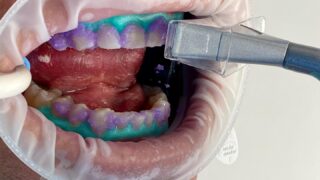
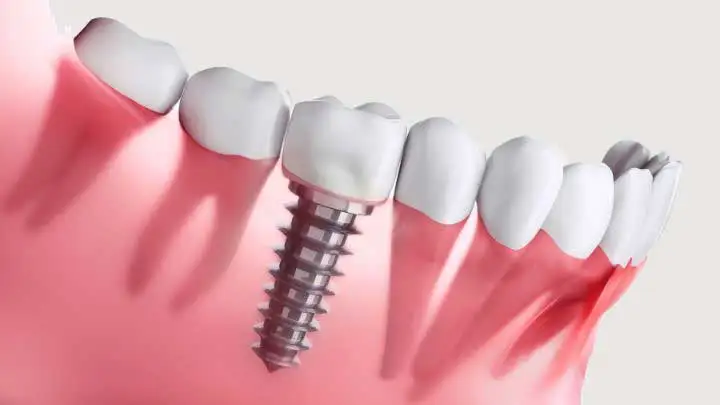
A Dental Implant procedure is more than a simple replacement for a missing tooth. It is a carefully planned restorative treatment designed to integrate with your jawbone and function like a natural tooth root. Preparing for a Dental Implant treatment involves more than scheduling an appointment. It requires understanding your oral health, reviewing your medical history, and adjusting certain habits that may influence healing and long term success.
Modern dentistry views the Dental Implant not only as a mechanical solution but as a biological partnership between titanium and living bone. Research in implantology consistently highlights that preparation before surgery can influence outcomes such as osseointegration, comfort, and long term stability. If you are considering a Dental Implant, here are five essential steps that can help you approach the process with clarity and confidence.
1. Understand the Science Behind Dental Implant Treatment
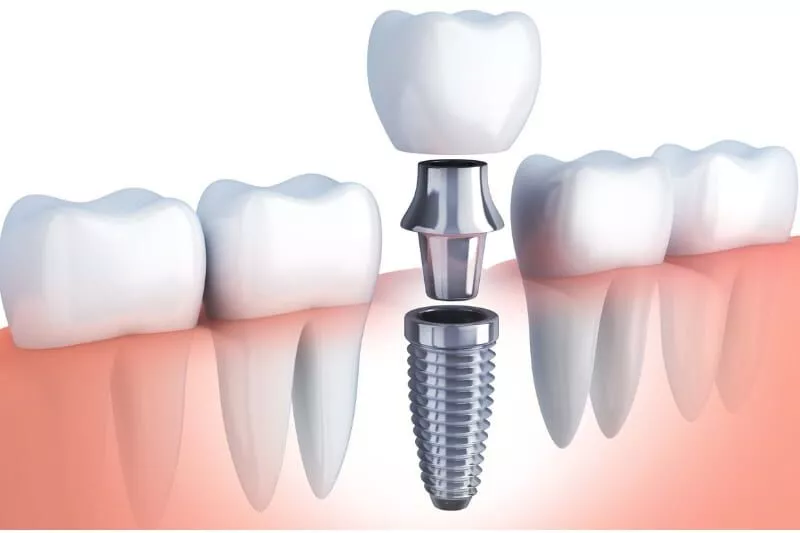
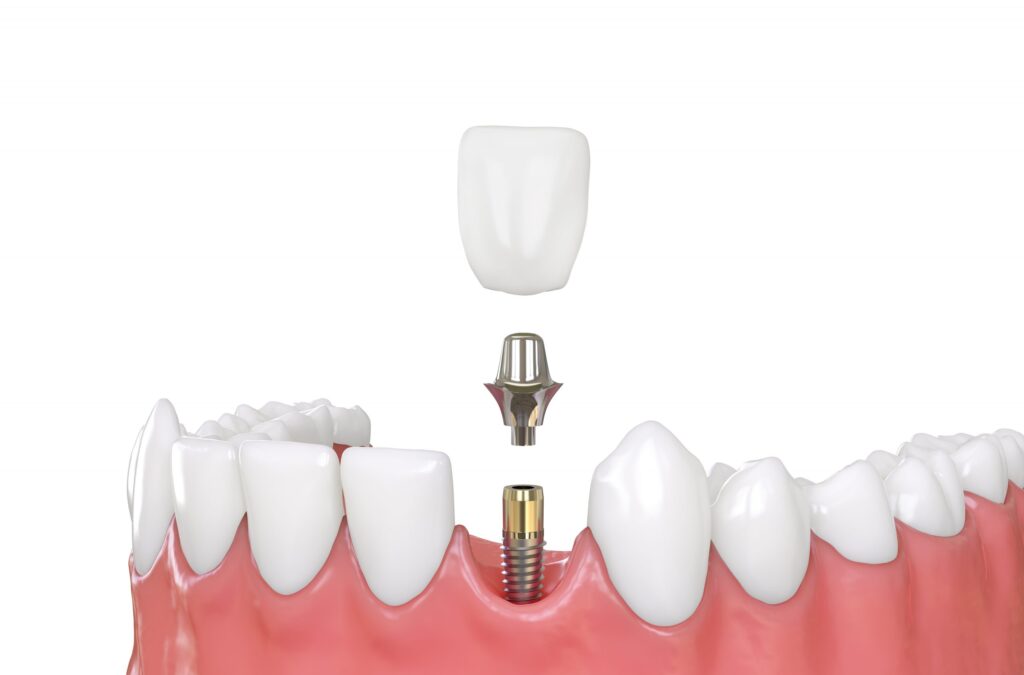
Before undergoing a Dental Implant procedure, it is helpful to understand what actually happens beneath the surface. A Dental Implant typically consists of three components: the implant fixture placed into the jawbone, the abutment that connects the fixture to the restoration, and the crown that resembles a natural tooth.
The biological principle that supports a Dental Implant is osseointegration. This term describes the process by which bone cells gradually attach to the titanium surface of the implant. Studies published in peer reviewed dental journals suggest that surface texture, bone density, and overall health may influence how effectively a Dental Implant integrates.
Understanding this science can help set realistic expectations. Unlike removable prosthetics, a Dental Implant is intended to become part of your oral structure. This integration process may take time, and preparation plays a meaningful role in supporting it.
2. Evaluate Your Oral Health Before Dental Implant Placement
A comprehensive oral examination is a cornerstone of Dental Implant preparation. Dentists typically assess gum health, bone volume, and the condition of neighboring teeth. Healthy gums and adequate bone support are often associated with higher success rates for a Dental Implant.
Conditions such as untreated periodontal disease or active infections may affect the environment in which a Dental Implant is placed. Clinical observations indicate that addressing these issues beforehand can contribute to a more stable outcome. Digital imaging and 3D scans are frequently used to evaluate bone structure prior to Dental Implant surgery.
Below is a simplified overview of factors often evaluated before treatment:
| Assessment Area | Why It Matters for Dental Implant |
| Gum Health | Supports long term implant stability |
| Bone Density | Influences implant anchorage |
| Bite Alignment | Affects load distribution |
| Oral Hygiene Habits | Impacts healing environment |
By reviewing these elements in advance, patients gain a clearer understanding of how their oral condition relates to Dental Implant treatment.
3. Review Your Medical History and Lifestyle for Dental Implant Success
Systemic health can influence the healing process following Dental Implant surgery. While many individuals are suitable candidates, certain medical conditions or medications may be relevant to discuss with your dental professional before receiving a Dental Implant.
For example, research exploring implant dentistry often considers factors such as metabolic conditions, smoking habits, and immune responses. These elements do not automatically prevent a Dental Implant, but they may influence treatment planning and healing timelines.
Lifestyle considerations are equally important. Tobacco use, for instance, has been widely studied in relation to oral healing. Some clinical reports suggest that modifying certain habits before a Dental Implant procedure may support improved tissue response.
Open dialogue about your health history allows the dental team to tailor the Dental Implant plan to your individual profile rather than relying on a one size fits all approach.
4. Prepare Mentally and Logistically for Dental Implant Treatment
Preparing for a Dental Implant is not only physical. It is also practical and psychological. Knowing the stages of treatment can reduce uncertainty and increase confidence.
A typical Dental Implant journey may involve consultation, imaging, surgical placement, healing, and final crown restoration. Understanding that this process may unfold over several months helps align expectations with biological reality.
Logistical preparation can include arranging transportation, adjusting your work schedule if necessary, and planning soft food options during the initial healing phase. While the procedure is often described as routine in modern dentistry, thoughtful preparation for your Dental Implant experience contributes to smoother recovery.
Mentally, viewing a Dental Implant as a long term investment rather than a quick fix can foster patience and realistic outlooks.
5. Optimize Oral Hygiene Before Your Dental Implant Procedure
Oral hygiene habits play a central role in creating a favorable environment for a Dental Implant. Maintaining clean teeth and healthy gums supports tissue stability both before and after placement.
Dental professionals often emphasize plaque control as part of Dental Implant preparation. While no outcome can be guaranteed, research frequently associates consistent oral hygiene practices with improved implant maintenance.
Consider the following preparatory habits:
- Regular brushing with proper technique
- Interdental cleaning using floss or suitable alternatives
- Professional dental cleanings prior to Dental Implant placement
- Awareness of bite pressure habits such as clenching
By optimizing these habits, patients may create a healthier setting for their Dental Implant to integrate effectively.
Long Term Perspective on Dental Implant Treatment
A Dental Implant is often described as one of the most advanced solutions for tooth replacement. Unlike traditional bridges or removable dentures, a Dental Implant interacts directly with the jawbone, offering structural support and helping maintain bone volume.
Long term studies in implant dentistry frequently examine survival rates over five, ten, or even twenty years. While individual outcomes vary, the data suggest that careful planning and maintenance influence the durability of a Dental Implant.
Viewing your Dental Implant as part of an ongoing oral care strategy rather than a standalone event encourages consistent follow up and hygiene awareness.
The Role of Communication in Dental Implant Planning
Clear communication with your dental team enhances the experience of Dental Implant treatment. Asking about materials, techniques, and expected timelines can clarify uncertainties.
Patients who actively participate in discussions about their Dental Implant often report greater satisfaction. Transparency about risks, benefits, and alternatives builds trust and supports informed decisions.
Understanding each stage of the Dental Implant process empowers you to approach treatment thoughtfully. Preparation is not about perfection. It is about awareness, responsibility, and realistic expectations.
Approach Your Dental Implant Journey with Knowledge
Preparing for a Dental Implant procedure involves scientific understanding, clinical evaluation, lifestyle reflection, and personal readiness. From assessing bone health to optimizing oral hygiene, each step contributes to a comprehensive approach.
A Dental Implant represents a fusion of biology and technology. By taking time to prepare thoughtfully, you align yourself with the principles that modern implant dentistry values: evidence based planning, individualized care, and long term perspective.
When approached with knowledge and open communication, a Dental Implant journey can feel structured, informed, and purposeful. Thoughtful preparation today may support confidence tomorrow.