A confident smile often begins with well designed dental restorations, and the E-Max Crown has become one of the most talked about solutions in modern aesthetic dentistry. Known for its balance of durability and natural translucency, the E-Max Crown is frequently associated with high level cosmetic results and improved dental harmony. Clinics focusing on advanced restorative dentistry, such as Livera Clinic, often highlight the E-Max Crown as an option for individuals who want a smile that looks natural while still maintaining structural strength.
Unlike traditional restorations that may prioritize durability over aesthetics, the E-Max Crown is commonly described as a blend of both worlds. The restoration is typically fabricated from lithium disilicate ceramic, a material studied for its optical properties and resilience under everyday chewing forces. As cosmetic dentistry continues to evolve, the E-Max Crown is frequently mentioned in discussions about smile design, minimally invasive restorations, and modern dental technology.
Understanding how the E-Max Crown works, what makes it unique, and why it is frequently chosen in smile design treatments can help patients make more informed decisions when exploring aesthetic dentistry options.
What Is an E-Max Crown and Why Is It Popular?
The E-Max Crown refers to a type of dental crown made from lithium disilicate glass ceramic. This material has been widely discussed in dental research due to its ability to combine strength with a translucent appearance that resembles natural enamel.
Traditional crowns were often made from porcelain fused to metal or full metal alloys. While these restorations were durable, they sometimes lacked the natural light reflection seen in real teeth. The E-Max Crown is frequently highlighted because its ceramic structure allows light to pass through in a way that mimics natural enamel, creating a more lifelike appearance.
Another reason the E-Max Crown has gained popularity is its compatibility with modern digital dentistry. Many dental laboratories use CAD/CAM technology to design and mill each E-Max Crown, allowing restorations to be shaped with high precision.
Some characteristics commonly associated with the E-Max Crown include:
- High translucency that mimics natural teeth
- Metal free composition
- Compatibility with digital dental design
- Aesthetic integration with surrounding teeth
- Relatively conservative tooth preparation
These properties are often cited in dental literature as factors that contribute to the growing interest in E-Max Crown restorations.
The Science Behind the E-Max Crown Material
At the core of every E-Max Crown lies lithium disilicate glass ceramic. This material has been studied extensively within restorative dentistry due to its mechanical properties and aesthetic performance.
Lithium disilicate crystals reinforce the ceramic matrix, creating a material that is both strong and visually appealing. In laboratory testing, lithium disilicate ceramics used in the E-Max Crown have shown flexural strength levels significantly higher than many traditional ceramics used in dentistry.
Researchers often describe the structure of the E-Max Crown as a crystalline network embedded within a glassy matrix. This microstructure contributes to two key characteristics:
- Structural durability under chewing forces
- Optical properties similar to natural enamel
These properties allow the E-Max Crown to be used in highly visible areas of the mouth, particularly for anterior teeth where aesthetics are especially important.
Dental studies also suggest that ceramic restorations like the E-Max Crown can demonstrate strong bonding capabilities when combined with adhesive dentistry techniques. This bonding approach is often discussed as an important factor in the long term stability of ceramic restorations.
When Dentists Consider an E-Max Crown
The E-Max Crown is often discussed as part of various restorative and cosmetic dental scenarios. While treatment decisions depend on individual assessments, certain situations are commonly associated with the use of an E-Max Crown.
Dentists may consider this type of crown in cases involving:
- Worn or fractured teeth
- Teeth that previously received large fillings
- Cosmetic smile transformations
- Tooth discoloration that does not respond to whitening
- Structural restoration after root canal procedures
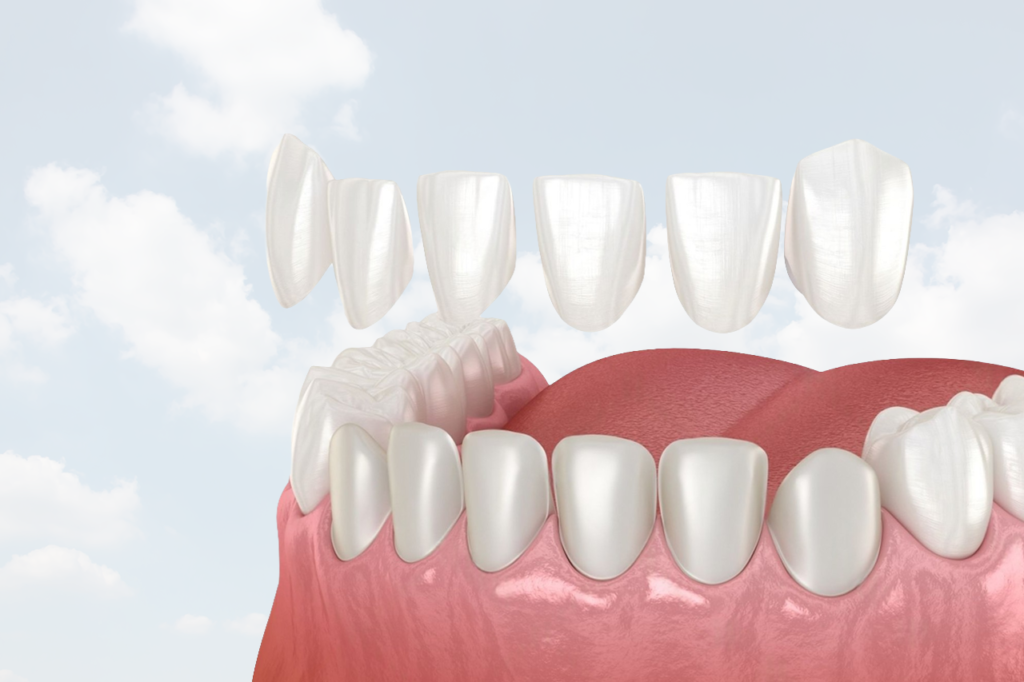
Because the E-Max Crown is frequently associated with aesthetic outcomes, it is often discussed within the context of smile design treatments. Smile design typically focuses on harmony between tooth color, shape, alignment, and facial proportions.
The E-Max Crown is sometimes used for front teeth where natural appearance plays a major role. Its translucency allows it to blend with surrounding teeth in ways that older crown materials could not always achieve.
However, dental professionals typically evaluate several factors before recommending any crown material. These may include bite force, tooth position, and overall oral structure.
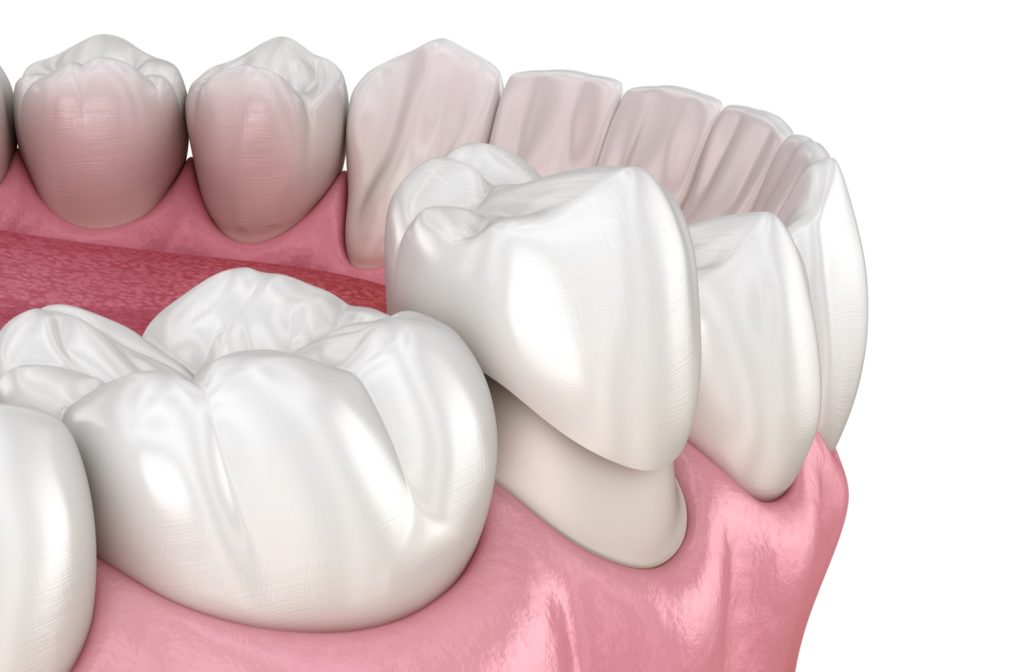
The E-Max Crown Procedure: How the Process Usually Works
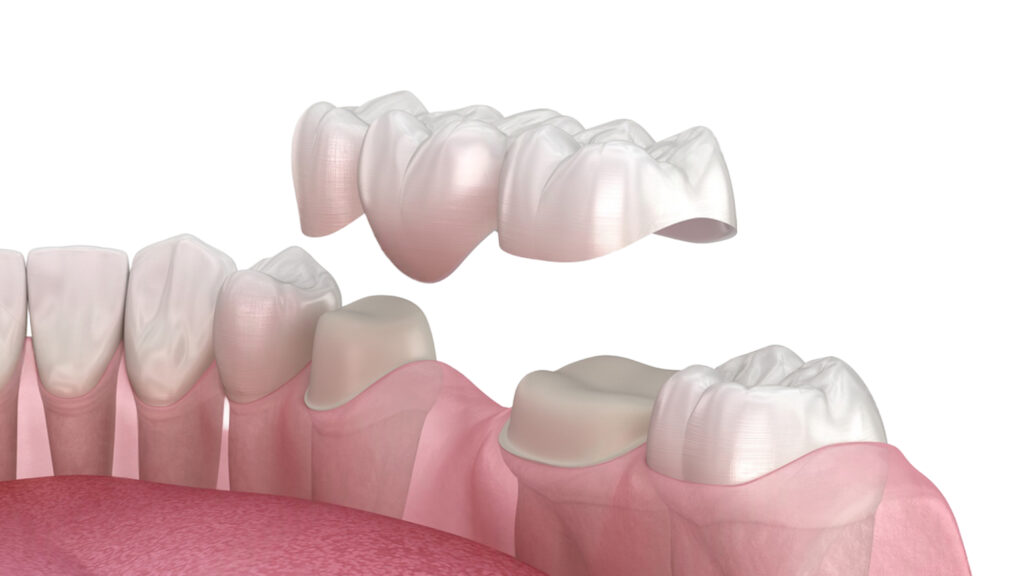
Although dental techniques can vary between clinics, the general workflow for placing an E-Max Crown often follows several common stages. Modern dental practices frequently combine digital technology with laboratory craftsmanship to produce the final restoration.
Typical Steps in an E-Max Crown Treatment
| Stage | Description |
| Examination | Initial evaluation of tooth structure and oral health |
| Tooth Preparation | Gentle shaping of the tooth to create space for the crown |
| Digital Scan or Impression | Capturing the tooth structure for crown design |
| Crown Fabrication | Laboratory production of the E-Max Crown |
| Placement | Bonding the crown to the prepared tooth |
During the fabrication phase, dental technicians often use specialized ceramic blocks to mill the E-Max Crown using CAD/CAM technology. After milling, the restoration may be customized with staining and glazing techniques to match surrounding teeth.
Once completed, the E-Max Crown is typically bonded using adhesive cement. Adhesive bonding is often highlighted as a key step that helps integrate the ceramic crown with the natural tooth structure.
Aesthetic Advantages of the E-Max Crown
One of the most frequently discussed aspects of the E-Max Crown is its aesthetic potential. Modern cosmetic dentistry increasingly focuses on restorations that replicate the natural optical behavior of teeth.
Natural teeth interact with light in complex ways. Enamel reflects and transmits light simultaneously, creating depth and subtle color variations. The E-Max Crown is designed to replicate this behavior through its translucent ceramic structure.
Some aesthetic features often associated with the E-Max Crown include:
- Natural light transmission
- Smooth surface texture
- Customizable shade layering
- Absence of metal margins
Because the E-Max Crown does not contain a metal substructure, it avoids the dark edge that could sometimes appear near the gum line in older crown designs.
Dental technicians also play a significant role in the final appearance of an E-Max Crown. Through layering techniques and characterization, technicians can introduce subtle variations in color and texture to resemble natural enamel patterns.
Comparing E-Max Crown with Other Dental Crowns
The E-Max Crown is often compared with several other crown types used in restorative dentistry. Each material has its own characteristics and typical applications.
Below is a simplified comparison that highlights some commonly discussed differences.
| Crown Type | Material | Aesthetic Potential | Strength |
| Porcelain Fused to Metal | Porcelain + metal core | Moderate | High |
| Zirconia Crown | Zirconium oxide | Good | Very High |
| E-Max Crown | Lithium disilicate ceramic | Very High | High |
In aesthetic dentistry, the E-Max Crown is frequently mentioned when natural appearance is a primary goal. Zirconia crowns, on the other hand, may sometimes be selected in areas with very high bite pressure.
Dentists typically evaluate several variables before selecting the appropriate restoration. Factors such as bite force, tooth location, and smile design goals may influence whether an E-Max Crown or another material is considered.
Longevity and Research Around E-Max Crown Performance
Long term research into ceramic restorations continues to expand, and the E-Max Crown is often included in discussions about durable aesthetic dentistry.
Clinical studies examining lithium disilicate restorations have reported favorable survival rates in various dental applications. These studies often analyze factors such as fracture resistance, marginal integrity, and patient satisfaction.
Several elements may influence the longevity of an E-Max Crown, including:
- Proper tooth preparation
- Accurate laboratory fabrication
- Adhesive bonding techniques
- Individual bite patterns
- Daily oral hygiene habits
Dental literature frequently emphasizes that ceramic restorations perform best when treatment planning considers both aesthetic and functional factors.
The E-Max Crown has therefore become part of a broader movement toward restorations that combine mechanical strength with natural appearance.
The Role of Smile Design in Modern Dentistry
Modern cosmetic dentistry increasingly revolves around the concept of smile design. Smile design focuses on achieving visual harmony between teeth, lips, gums, and facial features.
Within this framework, the E-Max Crown is often discussed as one of the tools that can contribute to aesthetic alignment. Its ability to mimic natural enamel allows dentists and technicians to shape restorations that integrate with surrounding teeth.
Smile design analysis may consider several elements:
- Tooth proportions
- Symmetry of the dental arch
- Tooth color balance
- Gum contour
- Facial proportions
Digital smile design technology sometimes allows practitioners to simulate how restorations like the E-Max Crown may appear before treatment begins.
These digital previews can help illustrate how changes in tooth shape or color might influence the overall appearance of the smile.
Advances in dental materials have significantly expanded the possibilities within aesthetic dentistry. The E-Max Crown is frequently highlighted as an example of how modern ceramic technology can combine durability with natural appearance.
By utilizing lithium disilicate ceramic and digital fabrication techniques, the E-Max Crown has become closely associated with contemporary smile design treatments. Its translucency, strength, and metal free structure are often cited as reasons for its widespread interest in cosmetic dentistry.
As research and dental technology continue to evolve, restorations like the E-Max Crown illustrate how scientific innovation can influence both the functional and aesthetic aspects of modern dental care.
For individuals exploring aesthetic dental restorations, understanding the principles behind the E-Max Crown may provide useful insight into how advanced materials contribute to modern smile transformations.