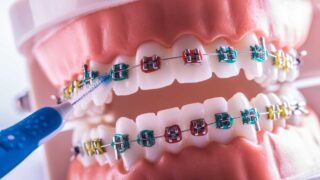
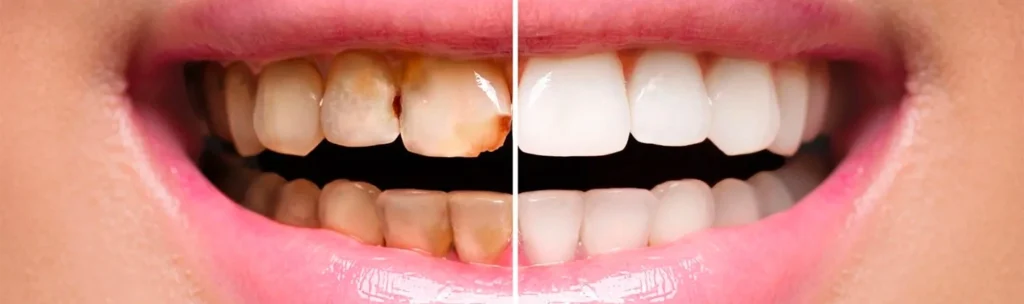
Dental reconstruction is a transformative procedure that restores both the function and aesthetics of the mouth. Patients with extensive dental issues from severe tooth decay to structural damage can benefit immensely from a comprehensive approach that blends modern technology, clinical expertise, and personalized treatment plans. This guide delves into the intricacies of dental reconstruction, exploring techniques, outcomes, and considerations for those contemplating a full-mouth restoration.
Understanding Full Mouth Dental Reconstruction
Full mouth dental reconstruction involves the comprehensive restoration of all teeth in the upper and lower jaws. Unlike simple dental procedures, this approach considers the interplay between function, aesthetics, and oral health. The aim is to achieve a harmonious bite, enhanced appearance, and long-term durability.
Patients often seek this intervention due to trauma, severe decay, or congenital issues. Modern dental science allows practitioners to integrate various restorative techniques, including crowns, bridges, implants, and veneers, ensuring a custom solution that meets both functional and cosmetic demands.
The Key Benefits of Dental Reconstruction
One of the primary advantages of dental reconstruction is improved oral function. Patients often report better chewing efficiency, speech clarity, and overall comfort. Beyond function, this procedure significantly impacts self-esteem and quality of life. Studies show that individuals who undergo full mouth restoration often experience enhanced confidence and social interaction.
Additionally, advanced techniques minimize future dental complications. For instance, implants used in reconstruction can prevent jawbone deterioration, while occlusal adjustments help avoid temporomandibular joint disorders. In essence, full mouth dental reconstruction is as preventive as it is restorative.
Techniques Employed in Dental Reconstruction
A successful dental reconstruction plan requires a combination of approaches tailored to each patient. Common techniques include:
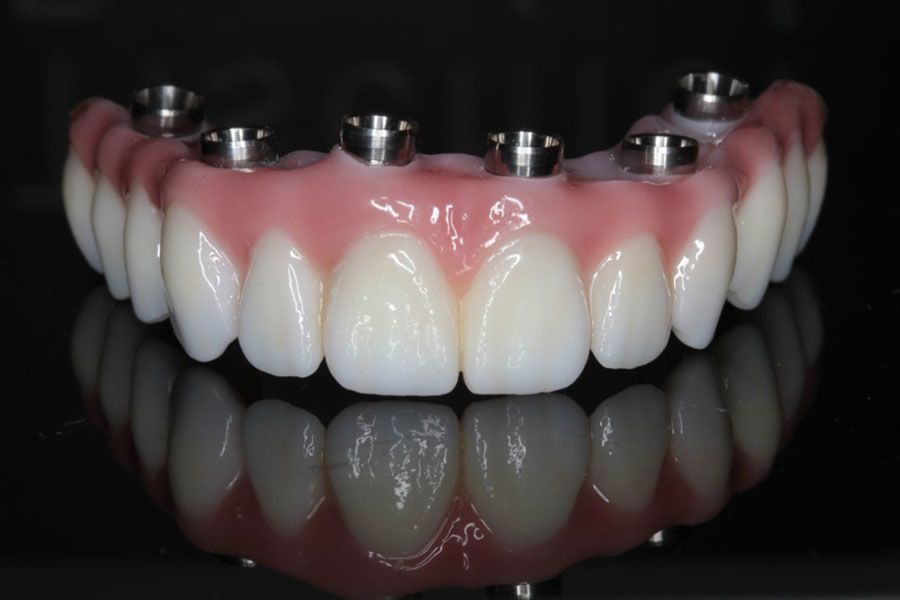
- Dental Implants: Titanium posts replace missing teeth, providing a stable foundation for crowns or bridges.
- Crowns and Bridges: These restore damaged or missing teeth, maintaining proper alignment and bite.
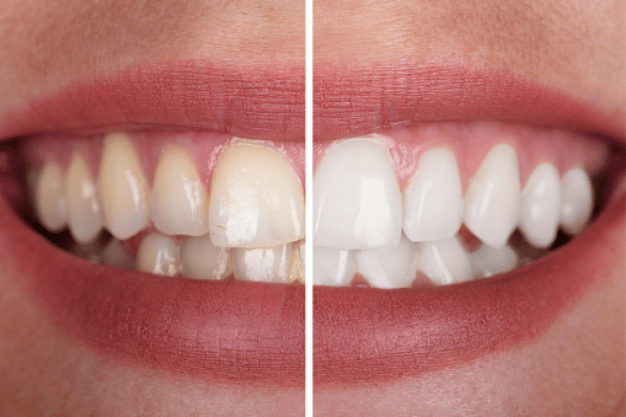
- Veneers: Thin porcelain layers improve aesthetics for teeth with minor imperfections.
- Bone Grafting: Enhances jawbone structure to support implants.
The integration of digital imaging, 3D modeling, and guided surgery has elevated the precision of these techniques, allowing clinicians to predict outcomes with remarkable accuracy.
Planning and Evaluation for Dental Reconstruction
Before initiating dental reconstruction, a thorough evaluation is essential. This involves:
- Comprehensive oral examination
- Digital radiography and 3D scans
- Bite and occlusion analysis
- Assessment of gum and bone health
These steps enable clinicians to develop a tailored treatment strategy, balancing immediate needs with long-term oral health. Personalized planning ensures that the final reconstruction achieves optimal function, comfort, and aesthetics.
Recovery and Adaptation Post-Dental Reconstruction
Recovery after full mouth dental reconstruction varies based on the techniques employed. Implant-based procedures may require several months for osseointegration, while crowns and veneers typically involve shorter recovery periods. Patients should expect some initial discomfort and mild swelling, which generally subsides within days to weeks.
Adapting to the reconstructed dentition may involve:
- Learning new chewing patterns
- Adjusting speech
- Maintaining diligent oral hygiene
Regular follow-ups are crucial for monitoring the success of the reconstruction and ensuring any necessary adjustments are promptly addressed.
Innovations Shaping Modern Dental Reconstruction
Contemporary dental reconstruction benefits from rapid technological advancements. Digital impressions, computer-aided design and manufacturing (CAD/CAM), and minimally invasive surgical techniques have revolutionized patient experience and outcomes.
Furthermore, research in biomaterials has enhanced the durability and aesthetics of restorations. Ceramic and zirconia crowns now mimic natural tooth translucency, while implants offer longevity that can exceed two decades with proper care. These innovations make full mouth reconstruction not only more effective but also more predictable and patient-friendly.
Common Challenges and Considerations
Despite its transformative potential, full mouth dental reconstruction presents certain challenges. Financial investment, time commitment, and procedural complexity are among the factors patients must consider. Additionally, systemic health conditions such as diabetes or osteoporosis may affect treatment planning and outcomes.
Collaborative care involving prosthodontists, periodontists, and oral surgeons ensures that challenges are anticipated and managed. Transparent communication between the patient and care team is essential for achieving satisfactory and sustainable results.
Full mouth dental reconstruction represents the pinnacle of restorative dentistry, blending science, art, and technology. By addressing both functional and aesthetic concerns, it empowers patients to regain oral health, confidence, and overall well-being. From meticulous planning to cutting-edge techniques, a comprehensive reconstruction ensures results that are durable, natural-looking, and life-changing.