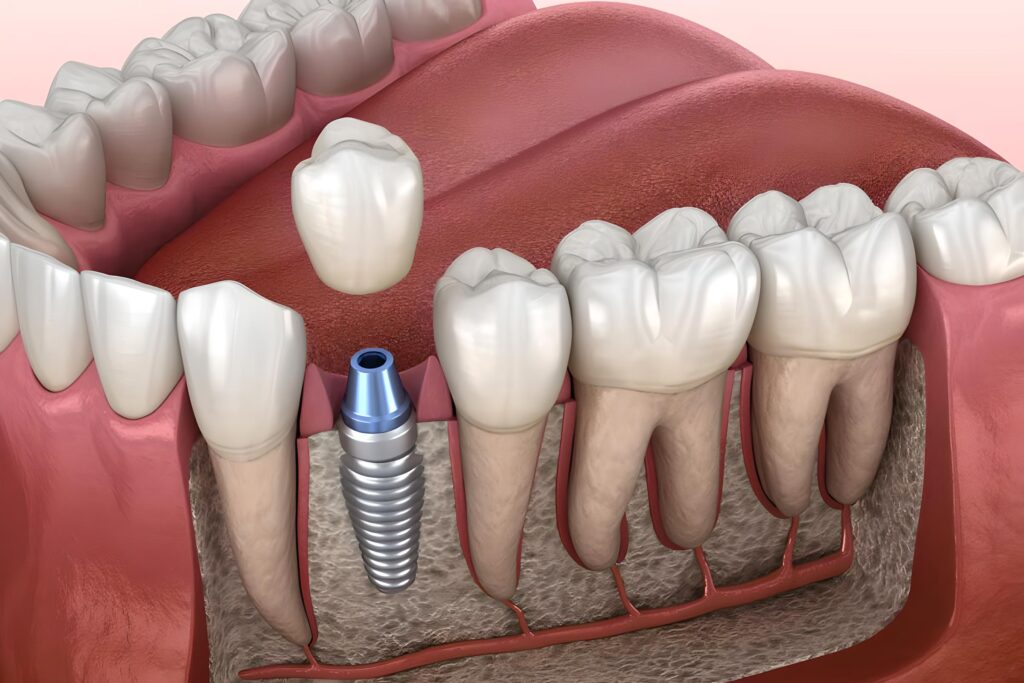
When discussing dental implants, the term abutment often comes up, yet many patients and even dental enthusiasts are unsure about its precise function. A dental implant abutment acts as a crucial connector between the implant fixture and the visible dental restoration, such as a crown, bridge, or denture. Understanding its role is essential for appreciating the sophistication behind modern implantology.
What is a Dental Implant Abutment?
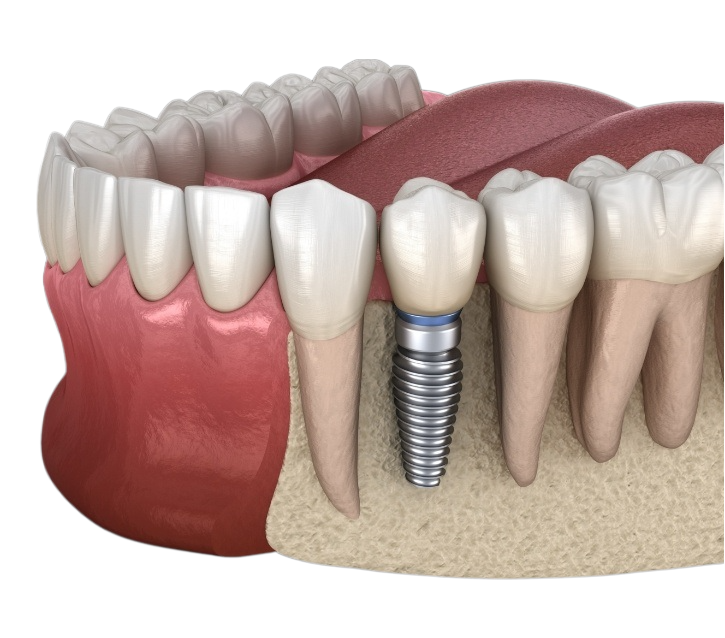
A dental implant abutment is a small, but critical, component in the dental implant system. It sits on top of the implant fixture, which is surgically placed in the jawbone, and serves as the foundation for the artificial tooth. Without a properly designed abutment, the implant cannot securely hold the restoration, potentially leading to complications such as misalignment, mobility, or esthetic issues.
In essence, the abutment functions like a bridge between the hidden implant and the visible restoration, distributing biting forces and maintaining stability. It is typically made from materials that combine strength with biocompatibility, ensuring both durability and compatibility with oral tissues.
Types of Abutments in Modern Dentistry
Dental technology has introduced a variety of abutments, each serving distinct clinical purposes. The main types include:
- Standard Off-the-Shelf Abutments – Pre-fabricated and widely used due to their convenience.
- Custom-Made Abutments – Tailored to match the patient’s oral anatomy, offering superior esthetics and fit.
- Angled Abutments – Designed for implants that are not perfectly vertical, allowing proper alignment of the restoration.
- Ball or Locator Abutments – Primarily used in removable dentures to provide stability while allowing easy removal.
Each type has unique advantages and limitations. For instance, while custom abutments may cost more, they often provide a seamless integration with the surrounding gum and teeth, enhancing both function and aesthetics.
Materials Used for Abutments
The choice of material for a dental implant abutment significantly affects its performance and longevity. Commonly used materials include:
| Material | Advantages | Considerations |
| Titanium | Excellent strength, highly biocompatible | Metallic color may show through thin gums |
| Zirconia | Esthetically superior, white color blends naturally | Brittle under extreme stress |
| Gold Alloy | Corrosion-resistant, durable | Higher cost, less common in modern practice |
Titanium remains the most popular due to its long history of successful use in implantology. Zirconia is gaining preference in the anterior region for its natural appearance.
The Role of Abutments in Implant Stability
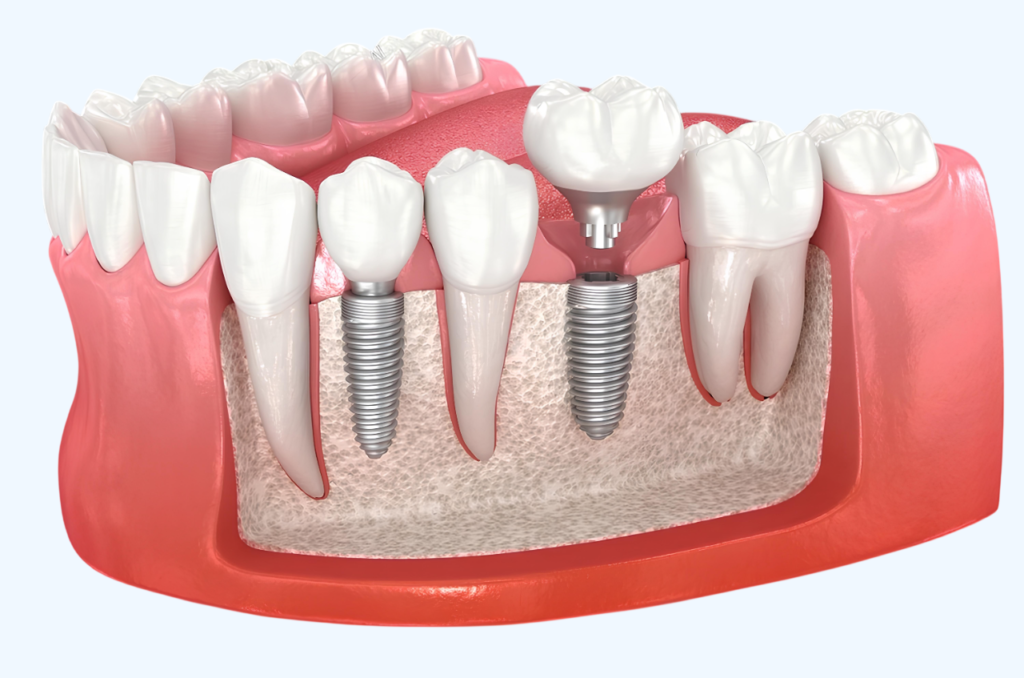
A dental implant abutment is not merely a cosmetic support; it plays a pivotal role in ensuring the long-term stability of the implant. The abutment must:
- Properly distribute occlusal forces to prevent overload on the bone.
- Provide a secure connection that resists loosening during daily activities like chewing.
- Maintain soft tissue health around the implant for esthetic and functional outcomes.
Studies indicate that using well-fitted abutments significantly reduces the risk of peri-implant bone loss and increases patient satisfaction, demonstrating the indispensable role of this component.
Custom vs Standard Abutments: Which One is Right?
Choosing between a standard and custom abutment depends on both clinical and esthetic requirements.
Standard abutments are ideal for straightforward cases where the implant angulation and soft tissue conditions are optimal. They are cost-effective and reduce chair time.
Custom abutments, however, excel in complex cases, such as uneven gum lines, tilted implants, or highly visible areas. Using CAD/CAM technology, these abutments are precision-engineered to match the patient’s anatomy, ensuring a natural look and optimal function.
The decision should always be made in consultation with a qualified implantologist, weighing factors like location, occlusion, and esthetic demands.
How Abutments Influence Esthetics
Beyond function, a dental implant abutment significantly impacts the esthetic outcome. The material, shape, and placement of the abutment affect how natural the final restoration appears.
- Gum contouring: Proper abutment selection helps maintain natural gum lines.
- Color integration: Zirconia abutments prevent a grayish hue under ceramic crowns, a common issue with titanium in the anterior region.
- Emergence profile: The abutment determines how the crown emerges from the gum, creating a seamless transition that mimics natural teeth.
Ultimately, well-designed abutments contribute to a smile that looks and feels natural.
Innovations in Abutment Technology
Recent advancements in dental technology have revolutionized the use of abutments. Some notable innovations include:
- One-piece abutments: Integrate the abutment and crown, reducing micromovements and improving strength.
- Angled screw channel systems: Allow the screw to be placed at a more favorable angle for esthetics and function.
- Digital workflows: CAD/CAM abutments can now be scanned, designed, and milled with remarkable precision, ensuring a perfect fit every time.
These innovations underscore the importance of abutments as more than just connectors they are engineered components critical for long-term success.
Common Misconceptions About Abutments
Despite their importance, several myths surround dental implant abutments:
- “All abutments are the same.” – False. Material, shape, and customization greatly influence outcomes.
- “Abutments require frequent replacement.” – With proper selection and care, abutments can last as long as the implant itself.
- “Metal abutments are always visible.” – Modern techniques and materials often prevent this, especially in the anterior region.
Understanding these facts can help patients make informed decisions when undergoing implant treatment.
The Significance of a Dental Implant Abutment
In summary, a dental implant abutment is far more than a connector; it is a meticulously designed component essential for implant success. Its type, material, and placement influence stability, esthetics, and overall patient satisfaction. From standard off-the-shelf abutments to custom CAD/CAM-designed solutions, modern dentistry offers versatile options tailored to individual needs.
For anyone considering dental implants, understanding the role of the abutment provides insight into the complexity and precision behind implant treatments. At Livera Clinic, we emphasize personalized treatment planning, ensuring every abutment and restoration harmonizes with both function and smile aesthetics.