Dental filing is a precise cosmetic dental procedure aimed at reshaping teeth to enhance aesthetics and improve bite function. Often referred to as microcontouring, this method involves the careful removal of small amounts of enamel to adjust the length, shape, or surface of teeth. By doing so, dentists can correct minor imperfections such as uneven edges, overlapping teeth, or slight irregularities without the need for invasive treatments.
This procedure has gained popularity in modern cosmetic dentistry because it offers a minimally invasive approach to improving smiles while preserving the natural tooth structure. Microcontouring is especially appealing for patients seeking subtle aesthetic enhancements with minimal recovery time. Clinical studies indicate that when performed correctly, dental filing maintains tooth integrity and contributes to long-term oral health by preventing unnecessary stress on the bite.
How Dental Filing Works
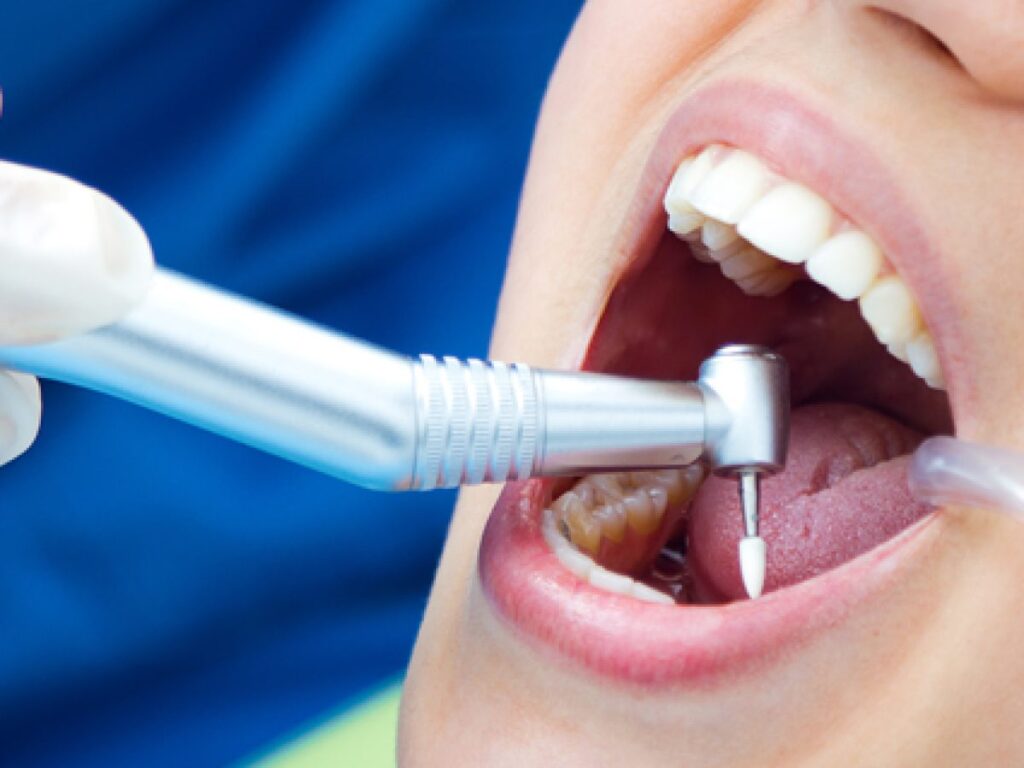
Dental filing works through the precise removal of tiny enamel layers using specialized dental instruments. Typically, a dentist assesses the patient’s teeth to identify areas needing contouring. Using fine-grit burs, diamond-coated instruments, or sanding discs, the practitioner gently smooths or reshapes the enamel.
The process is painless when done under proper dental supervision and often requires no anesthesia. Microcontouring can be combined with other cosmetic procedures such as bonding or whitening to achieve optimal results. Research suggests that careful enamel removal does not compromise tooth strength when the procedure is conservative and tailored to the patient’s needs.
Benefits of Dental Filing
One of the primary advantages of dental filing is the enhancement of smile aesthetics. By smoothing rough edges and correcting minor misalignments, patients achieve a harmonious appearance without extensive dental work. Additionally, microcontouring can improve bite function by reducing uneven wear or preventing teeth from grinding against one another.
Studies in cosmetic dentistry show that patients often experience increased self-confidence following dental filing. Since the procedure is conservative, it avoids unnecessary removal of tooth structure, making it a preferred choice for individuals concerned about preserving their natural teeth.
Suitable Candidates for Dental Filing
Not everyone is a candidate for dental filing. Ideal patients are those with minor enamel imperfections, slight crowding, or uneven tooth edges. Those with severe malocclusion, significant enamel erosion, or untreated dental conditions may require alternative interventions before considering microcontouring.
Dental evaluations include X-rays and bite assessments to ensure that filing does not compromise tooth health. For many patients, early intervention with dental filing can prevent future dental complications and maintain optimal oral function.
Risks and Considerations in Dental Filing
While dental filing is minimally invasive, there are potential risks if improperly performed. Excessive enamel removal can lead to tooth sensitivity or structural weakness. Additionally, patients with pre-existing dental issues such as cavities or gum disease may need treatment prior to microcontouring.
Dentists emphasize that careful planning, accurate assessment, and conservative techniques are key to minimizing risks. Patient education is essential, ensuring they understand post-procedure care, including maintaining oral hygiene to prevent secondary issues.
Dental Filing vs Other Cosmetic Procedures
Dental filing differs from other cosmetic treatments such as veneers, bonding, or orthodontics in its conservative nature. Unlike veneers, which cover teeth, filing reshapes the natural enamel. Bonding can supplement microcontouring by filling gaps or correcting minor defects, while orthodontics addresses larger alignment issues.
Comparative studies highlight that microcontouring is cost-effective, quick, and less invasive, making it a favorable option for patients with mild cosmetic concerns. By combining filing with complementary treatments, dentists achieve both functional and aesthetic improvements.
Post-Treatment Care and Maintenance
After dental filing, patients should maintain regular oral hygiene practices, including brushing with fluoride toothpaste, flossing, and routine dental checkups. Avoiding extremely hard or abrasive foods can protect newly contoured enamel surfaces.
Periodic professional evaluations help monitor the teeth and ensure the long-term success of microcontouring. When integrated into a comprehensive oral care routine, dental filing offers lasting aesthetic benefits with minimal intervention.
Step-by-Step Dental Filing Procedure
The dental filing process begins with a thorough dental examination. Dentists evaluate tooth alignment, enamel thickness, and bite patterns to create a customized contouring plan. Next, the targeted teeth are cleaned to remove plaque and debris, ensuring precise enamel removal.
Using fine diamond burs or sanding discs, dentists gently reshape the enamel. Each tooth is assessed individually to maintain symmetry and natural appearance. The procedure is often completed in a single session, although more extensive reshaping may require multiple appointments. Clinical studies indicate that careful stepwise filing preserves tooth integrity and prevents sensitivity.
Tools and Technology in Dental Filing
Modern dental filing relies on advanced tools. Diamond-coated burs, oscillating handpieces, and sanding strips allow precise enamel removal. Some clinics also use magnification and digital imaging to guide the contouring process.
Innovations such as laser-assisted microcontouring are emerging, offering enhanced precision while minimizing physical contact with the tooth surface. These technologies reduce patient discomfort, improve accuracy, and support predictable cosmetic outcomes.
Combining Dental Filing with Other Cosmetic Treatments
Dental filing can be complemented by procedures like dental bonding, whitening, or enamel reshaping. Bonding involves applying a composite resin to correct chips or gaps, while filing smooths edges for a uniform appearance. Whitening treatments enhance overall smile brightness, making contouring results more pronounced.
Research suggests that combining treatments produces synergistic effects, achieving both aesthetic appeal and functional improvement. Dentists often plan these interventions together for optimal patient satisfaction and long-term stability.
Common Questions About Dental Filing
Patients frequently ask whether dental filing causes pain or sensitivity. Most report minimal discomfort due to conservative enamel removal and careful technique. Post-procedure sensitivity is usually temporary and manageable with standard dental care.
Another common concern is the durability of results. When properly maintained, contoured teeth can remain smooth and visually pleasing for years. Regular checkups and good oral hygiene ensure longevity, reducing the need for retreatment.
Psychological Benefits of Dental Filing
Beyond physical improvements, dental filing offers psychological advantages. Patients often experience enhanced self-confidence, improved social interactions, and reduced anxiety about minor dental imperfections. Behavioral studies show that subtle cosmetic enhancements can positively influence overall well-being and personal image.
By addressing aesthetic concerns conservatively, dental filing provides satisfaction without the need for invasive procedures, supporting a balanced approach to cosmetic dentistry.
Cost Considerations and Accessibility
The cost of dental filing varies depending on the number of teeth treated, the complexity of contouring, and additional cosmetic procedures. Compared to alternatives like veneers or orthodontic treatments, microcontouring is generally more affordable and time-efficient.
Insurance coverage may be limited, as cosmetic procedures are often classified as elective. Patients should consult their dental provider to understand costs, financing options, and expected outcomes.
Long-Term Maintenance After Dental Filing
After dental filing, proper maintenance is essential to preserve results. Regular brushing, flossing, and the use of fluoride toothpaste help maintain enamel health. Routine dental checkups allow dentists to monitor the smoothness of contoured teeth and address minor irregularities early.
Patients should avoid habits like nail-biting, pen chewing, or grinding, which can compromise contouring. Night guards may be recommended for individuals with bruxism to protect the reshaped enamel. Long-term adherence ensures both aesthetic longevity and oral health integrity.
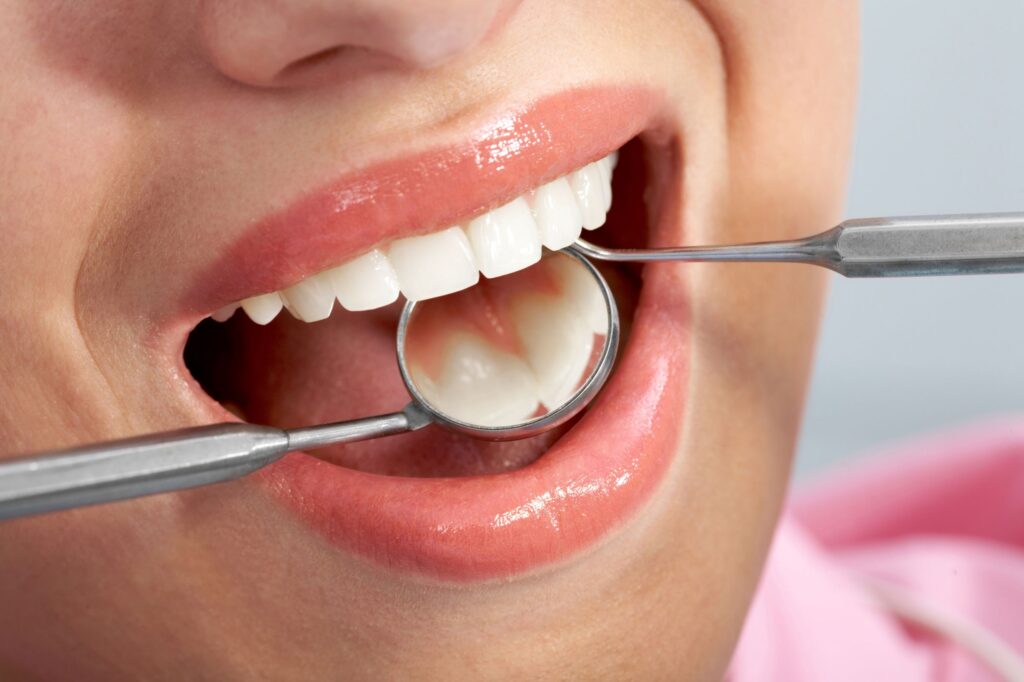
Dietary Considerations for Preserving Contoured Teeth
Diet influences the durability of dental filing results. Hard foods such as ice, nuts, and candy can chip enamel, while acidic foods and beverages may weaken it over time. Incorporating fibrous vegetables and calcium-rich foods supports enamel strength naturally.
Studies show that combining dietary awareness with routine oral hygiene significantly extends the lifespan of dental filing results. Hydration is also crucial, as saliva neutralizes acids and supplies essential minerals to the enamel surface.
Advanced Techniques in Dental Filing
Modern dental filing techniques continue to evolve. Laser-assisted microcontouring allows for precise enamel removal with minimal mechanical contact, reducing discomfort and improving accuracy. Ultrasonic tools and high-magnification imaging further refine treatment precision.
Digital smile design is increasingly used, enabling dentists to plan filing based on 3D models of a patient’s dentition. This approach ensures symmetrical results and aligns cosmetic goals with functional considerations.
Special Considerations for Sensitive Teeth
Patients with tooth sensitivity require careful dental filing planning. Desensitizing agents, local anesthetics, and gradual enamel removal reduce discomfort. Treatments may be divided into multiple sessions to allow enamel and gum tissues to adapt.
Research suggests that patients with sensitive teeth experience comparable cosmetic outcomes when modern techniques and careful protocols are applied. Continuous communication between dentist and patient is key to minimizing discomfort.
Psychological and Social Impacts of Dental Filing
Beyond aesthetics, dental filing has meaningful psychological benefits. Patients report higher self-esteem, improved willingness to smile, and enhanced social confidence. Cosmetic dentistry studies highlight the connection between minor dental corrections and overall quality of life.
Behavioral research indicates that even subtle changes in tooth shape can positively influence self-perception and social interactions, emphasizing the importance of personalized treatment planning.
Integrating Dental Filing with Holistic Oral Care
For optimal outcomes, dental filing should be part of a comprehensive oral care plan. Combining contouring with routine hygiene, dietary management, and periodic professional cleaning ensures long-term results.
Patients who integrate these practices achieve better enamel durability, reduced risk of decay, and sustained cosmetic benefits. Holistic strategies, rather than isolated procedures, maximize both health and appearance.
Future Trends in Dental Filing
The future of dental filing is shaped by technology and personalized dentistry. AI-assisted tools, minimally invasive lasers, and biomimetic enamel coatings promise enhanced precision, reduced procedure time, and improved patient comfort.
Emerging research into enamel regeneration and advanced protective coatings may further minimize the need for repetitive interventions. Dentists increasingly combine traditional skill with digital innovations to provide highly customized, long-lasting cosmetic outcomes.
Summary and Key Takeaways
Dental filing (microcontouring) is a conservative, precise cosmetic dentistry technique that reshapes enamel to improve aesthetics and function. When performed using modern tools and integrated with routine oral care, it offers long-lasting results with minimal discomfort.
Key points include the importance of maintenance, sensitivity management, dietary considerations, and psychological benefits. Technological advancements continue to enhance precision and patient experience, making dental filing a reliable option for subtle cosmetic improvements.