
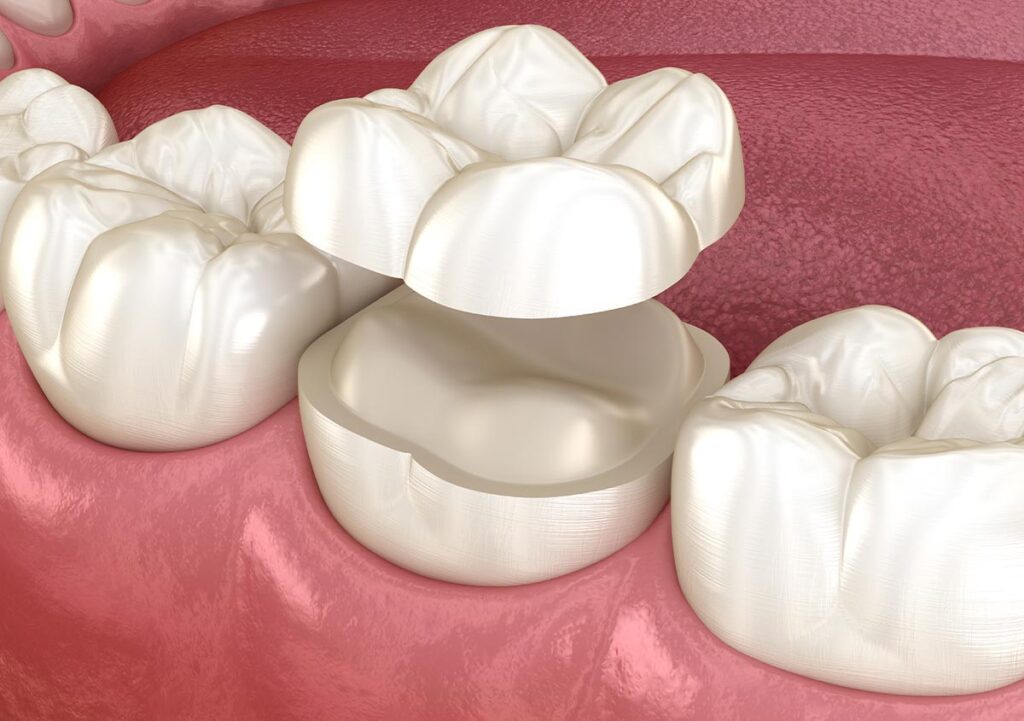
Digital dentistry has reshaped the way restorations are designed and delivered, and CEREC technology stands at the center of this transformation. Instead of waiting days or weeks for a dental crown produced in an external laboratory, patients can now receive a custom restoration in a single visit using CEREC systems. This chairside approach blends computer aided design, precision milling, and advanced ceramics into one streamlined workflow. At Livera Clinic, this evolution is not simply about speed. It is about accuracy, comfort, and long term predictability.
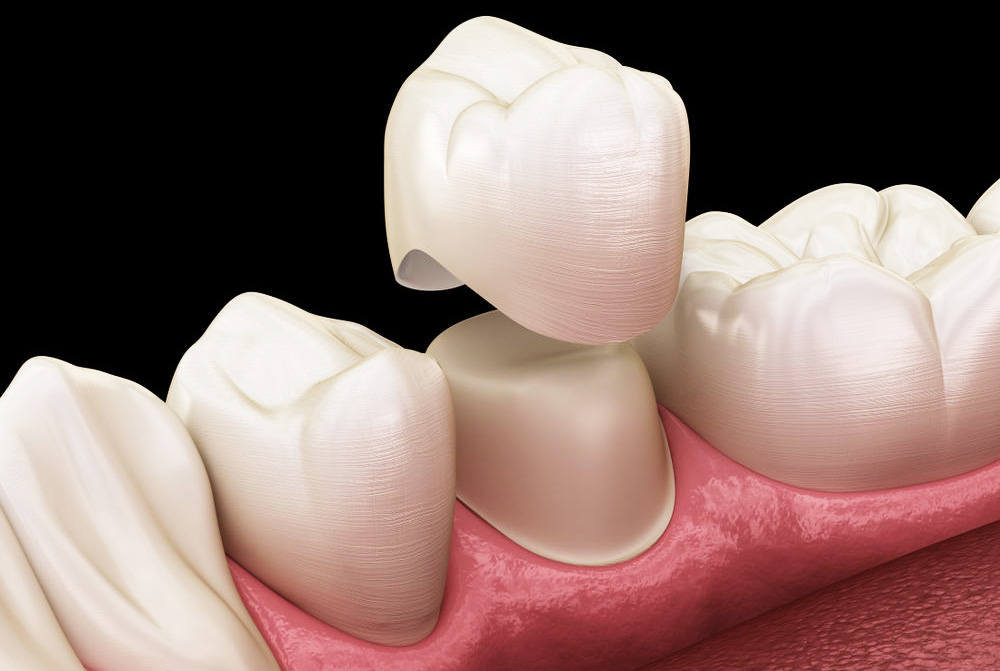
What Is CEREC and How Does the CEREC System Work?
The word CEREC comes from Chairside Economical Restoration of Esthetic Ceramics. It refers to an integrated digital workflow that allows dentists to scan, design, and mill ceramic restorations directly inside the clinic. Instead of traditional impressions with trays and materials, the tooth is captured using an intraoral scanner.
This scan is converted into a 3D model. Specialized software analyzes margins, occlusion, and anatomy. The restoration is then designed digitally and sent to a milling unit. Within minutes, a ceramic block is carved into a precise crown or inlay. This combination of imaging and CAD CAM dentistry allows CEREC to eliminate several steps that used to introduce delays and inaccuracies.
From a scientific perspective, fewer manual steps often mean fewer distortions. Digital files reduce shrinkage errors associated with impression materials. That is one reason many studies associate CEREC restorations with improved marginal fit.
Why CEREC Crowns Are Changing Single Visit Dentistry
Time efficiency is the most visible advantage of CEREC, yet the benefits extend far beyond speed. Traditionally, patients required two appointments. The first visit included tooth preparation and temporary crown placement. The second visit involved removing the temporary and bonding the final crown.
With CEREC, these steps are consolidated. The crown is designed and milled while the patient remains in the chair. No temporary restorations are needed. This reduces risks such as temporary crown fractures, bacterial leakage, or sensitivity.
From a comfort standpoint, patients often appreciate fewer injections, fewer visits, and less time away from daily life. For clinics like Livera Clinic, CEREC workflows also improve scheduling efficiency and reduce laboratory dependency, which can enhance consistency in quality control.
The Digital Workflow of CEREC: Step by Step Technology Explained
Understanding the workflow clarifies why CEREC is considered both precise and patient friendly. The process generally follows these stages:
- Digital scanning with an intraoral camera
- 3D modeling and virtual crown design
- Milling from a ceramic or zirconia block
- Finishing, polishing, and bonding
The scanning stage is particularly important. High resolution optical systems capture thousands of data points per second. The software reconstructs a lifelike digital tooth surface. Because CEREC uses optical data instead of impression paste, patients avoid discomfort and gag reflex issues.
The milling phase is equally impressive. Diamond burs carve the crown with micron level accuracy. This automation often provides reproducible results. While every restoration is unique, CEREC machines help standardize precision, which can contribute to reliable clinical outcomes.
Materials Used in CEREC Restorations and Their Performance
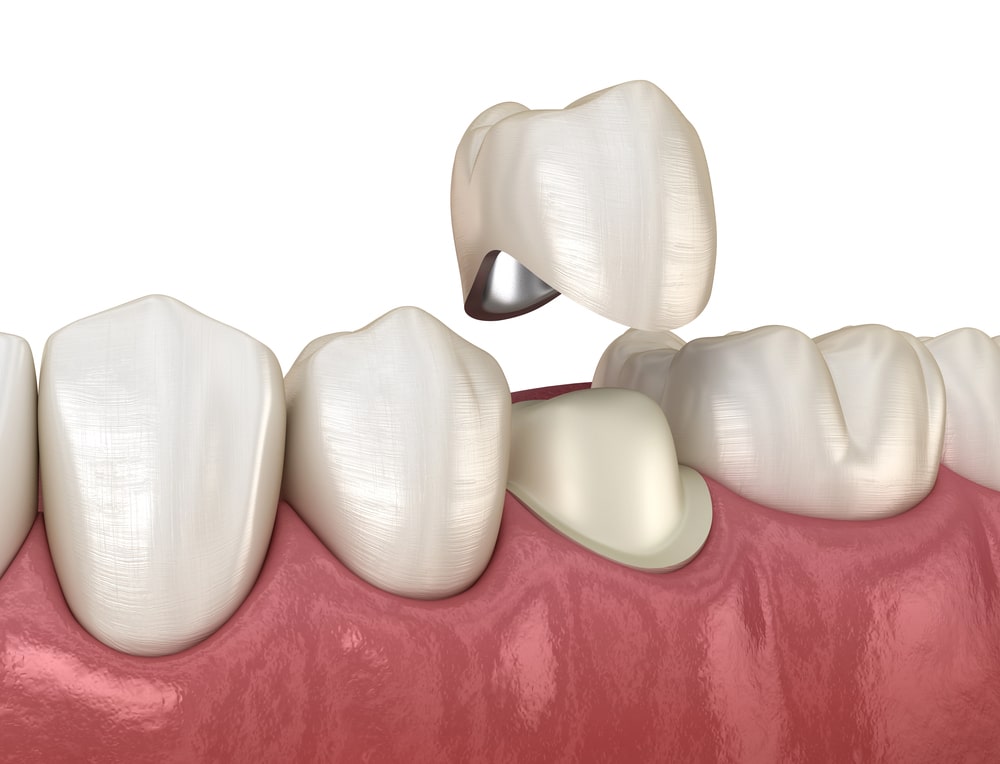
Not all crowns are created equal. Material science plays a critical role in durability and esthetics. CEREC systems commonly use advanced ceramics such as lithium disilicate, hybrid ceramics, or zirconia.
Below is a simplified comparison:
| Material Type | Key Feature | Typical Benefit |
| Lithium disilicate | High translucency | Natural appearance |
| Zirconia | High strength | Suitable for molars |
| Hybrid ceramic | Flexible structure | Shock absorption |
These materials are selected based on functional demands and esthetic goals. For example, front teeth often require greater translucency. Posterior teeth may prioritize strength. Because CEREC mills directly from factory produced blocks, the material quality is standardized.
Researchers frequently evaluate fracture resistance, wear behavior, and bonding properties. While no material is perfect, modern ceramics used with CEREC tend to show favorable mechanical performance under normal chewing forces.
Clinical Precision and Fit: The Science Behind CEREC
A crown’s success often depends on how well it fits. Poor margins may allow bacterial infiltration or irritation of surrounding tissues. Digital dentistry aims to minimize these risks.
Several comparative analyses suggest that CEREC restorations can achieve marginal gaps within clinically acceptable ranges. The reason is straightforward. Digital scanning reduces distortion. Automated design maintains consistent thickness. Computer guided milling reproduces the exact model.
In practice, this precision may translate into smoother seating and predictable bonding. Dentists can adjust the restoration on screen before it is ever milled. This virtual preview is one of the subtle yet powerful advantages of CEREC, allowing fine tuning without wasting materials.
Patient Experience With CEREC at Livera Clinic
Technology alone does not define quality. The patient journey matters just as much. At Livera Clinic, CEREC integration focuses on comfort and clarity. Patients typically notice shorter appointments, fewer impressions, and immediate results.
Instead of leaving the clinic with a temporary crown and returning days later, patients often walk out with their final restoration the same day. This can reduce uncertainty and improve satisfaction. Digital images also help patients visualize their treatment, which supports informed decision making.
Many people describe the process as surprisingly smooth. Watching their crown being designed on screen can feel like observing a small engineering project. This blend of science and immediacy makes CEREC both educational and reassuring.
Comparing CEREC With Traditional Laboratory Crowns
Both methods have strengths. Traditional laboratory crowns rely on skilled technicians and time tested protocols. CEREC emphasizes digital precision and speed.
Here is a practical comparison:
- Traditional crowns: multiple visits, physical impressions, lab dependency
- CEREC crowns: single visit, digital scans, in house production
- Traditional workflow: longer waiting period
- CEREC workflow: immediate delivery
From a scientific viewpoint, both can achieve good outcomes when executed properly. The choice often depends on clinical needs, case complexity, and patient preferences. However, for many routine crowns, CEREC provides an efficient alternative without sacrificing quality.
Longevity, Maintenance, and Realistic Expectations With CEREC
Durability is influenced by many variables. Material selection, bite forces, oral hygiene, and bonding techniques all play a role. CEREC technology does not change these fundamentals, but it can contribute to consistent fabrication quality.
Ceramic restorations may last for many years when cared for properly. Regular checkups, gentle cleaning habits, and protective measures like night guards can support longevity. While it is not possible to predict exact lifespans, CEREC crowns are often discussed in the same durability range as conventional ceramic crowns.
The key takeaway is balance. Digital efficiency should be paired with thoughtful clinical planning. At Livera Clinic, CEREC is used as part of a broader restorative strategy rather than a one size fits all solution.
Is CEREC the Future of Restorative Dentistry?
Digital dentistry continues to evolve, and CEREC represents one of its most visible milestones. By merging scanning, design, and milling into a seamless workflow, it redefines what a dental appointment can look like. Faster production, improved comfort, and reproducible precision make it an attractive option for both clinicians and patients.
While every case is unique, the scientific principles behind CEREC suggest a strong alignment with modern expectations of accuracy and efficiency. At Livera Clinic, this technology supports a patient centered approach where innovation meets practicality. For those curious about same day crowns and digital restorations, CEREC offers an intriguing glimpse into the present and future of dental care.