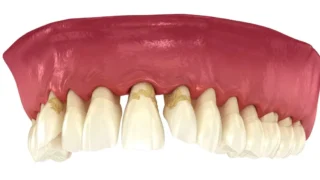
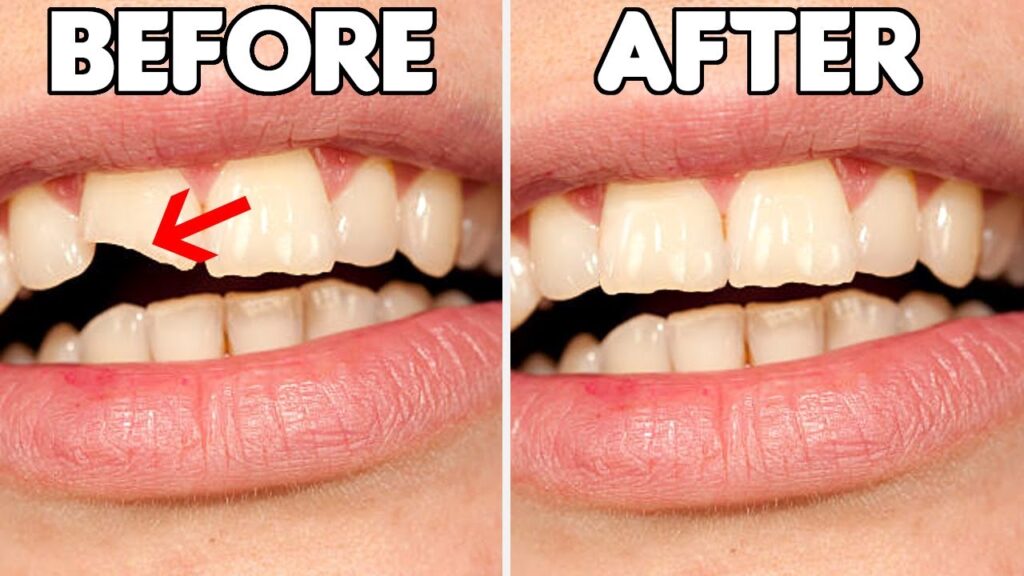
A sudden crack or fracture can turn an ordinary day into a stressful dental concern, and understanding Broken Tooth Repair becomes essential the moment discomfort begins. Teeth are remarkably strong, yet they are not indestructible. Everyday habits, unexpected trauma, or gradual wear can compromise their integrity.
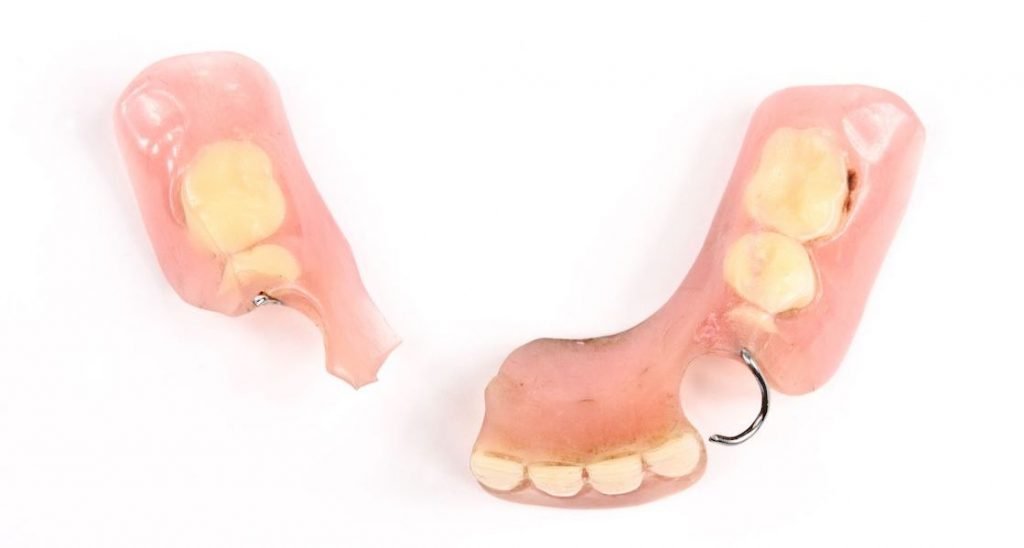
What Is Broken Tooth Repair and Why Does It Matter?
Broken Tooth Repair refers to a range of dental procedures designed to restore the structure, function, and appearance of a damaged tooth. These repairs vary from minor cosmetic fixes to more complex restorative treatments, depending on the severity of the damage.
Teeth consist of multiple layers, including enamel, dentin, and pulp. When a tooth breaks, the extent of damage determines whether the issue is superficial or involves deeper tissues. Minor chips may only affect enamel, while severe fractures can expose nerves, leading to sensitivity or pain.
Beyond aesthetics, Broken Tooth Repair plays a critical role in maintaining oral function. A compromised tooth can disrupt bite alignment, affect chewing efficiency, and even influence speech patterns. Left untreated, a broken tooth may become vulnerable to bacterial infiltration, increasing the likelihood of infection.
Common Causes Behind Broken Tooth Repair Needs
Understanding why teeth break helps contextualize the importance of Broken Tooth Repair. Damage rarely occurs randomly. Instead, it is often the result of cumulative stress or sudden impact.
One of the most frequent causes is physical trauma. Accidents, sports injuries, or falls can generate enough force to fracture even healthy teeth. Additionally, habits such as teeth grinding, also known as bruxism, gradually weaken enamel over time.
Dietary choices also contribute. Hard foods like ice, nuts, or candies can create microfractures that eventually lead to visible damage. Similarly, temperature extremes can cause expansion and contraction in tooth structure, subtly increasing fracture risk.
Another overlooked factor is dental aging. Over time, teeth naturally lose moisture and flexibility, making them more brittle. This is why Broken Tooth Repair becomes more common in older individuals.
Types of Tooth Damage Requiring Broken Tooth Repair
Not all tooth fractures are the same. The type of damage directly influences the approach to Broken Tooth Repair, and each category has unique characteristics.
1. Minor Chips
These are small enamel fractures that often do not cause pain. While primarily cosmetic, they may still require smoothing or bonding.
2. Cracked Teeth
Cracks can extend from the chewing surface toward the root. These fractures may not always be visible but can cause intermittent discomfort.
3. Fractured Cusps
This type involves the pointed chewing surfaces of molars. It often occurs around fillings and may not affect the pulp.
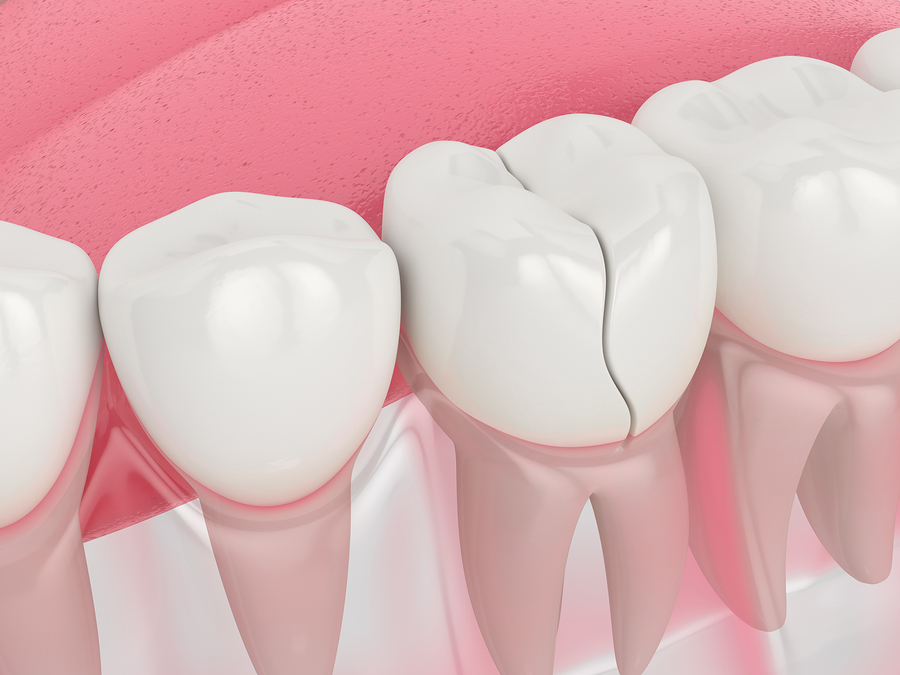
4. Split Teeth
A more severe form where the tooth is divided into distinct segments. In such cases, Broken Tooth Repair becomes more complex and may involve multiple procedures.
5. Vertical Root Fractures
These begin at the root and move upward. They are often difficult to detect early and may require advanced imaging for diagnosis.
Each of these conditions highlights the diversity within Broken Tooth Repair, emphasizing that treatment is never one size fits all.
Broken Tooth Repair Treatment Options Explained
When it comes to Broken Tooth Repair, dentistry offers a spectrum of solutions tailored to the extent of damage. Advances in dental technology have made these treatments more precise and minimally invasive.
Dental Bonding
Bonding involves applying a tooth-colored resin to repair chips or minor fractures. It is typically used for cosmetic corrections and can often be completed in a single visit.
Dental Crowns
Crowns act as protective caps placed over damaged teeth. They restore both function and appearance, making them a common choice for moderate fractures.
Root Canal Treatment
If the pulp is affected, a root canal may be necessary. This procedure removes infected tissue and seals the tooth, preserving its external structure.
Veneers
Thin shells applied to the front surface of teeth, veneers are often used when fractures affect visible areas. They combine aesthetic enhancement with structural support.
Tooth Extraction and Replacement
In cases where repair is not feasible, extraction may be considered. Replacement options can include implants or bridges, depending on individual circumstances.
Each method of Broken Tooth Repair reflects a balance between preservation and restoration, aiming to maintain as much natural tooth structure as possible.
Factors Influencing Broken Tooth Repair Decisions
Selecting the right Broken Tooth Repair approach involves multiple considerations. Dental professionals typically evaluate both clinical and personal factors before recommending a solution.
One major factor is the location of the tooth. Front teeth often require aesthetic-focused treatments, while molars prioritize durability and function. The extent of damage also plays a decisive role. Superficial chips differ significantly from deep fractures involving nerves.
Patient-specific aspects such as age, oral hygiene habits, and overall dental history also influence outcomes. For example, individuals with a history of grinding may require protective measures alongside repair.
Another important consideration is timing. Prompt attention to a broken tooth can expand the range of available Broken Tooth Repair options. Delays may lead to complications that limit conservative treatments.
Recovery and Expectations After Broken Tooth Repair
The recovery experience after Broken Tooth Repair varies depending on the procedure performed. Some treatments, like bonding, involve minimal downtime, while others may require longer adjustment periods.
Patients may notice temporary sensitivity, particularly when consuming hot or cold foods. This usually subsides as the tooth stabilizes. In more complex procedures, follow up visits may be necessary to monitor healing.
It is also important to understand that repaired teeth, while functional, may not behave exactly like natural teeth. For instance, crowns and veneers require proper care to maintain longevity.
From a behavioral perspective, individuals often become more aware of their oral habits after undergoing Broken Tooth Repair. This increased awareness can positively influence long term dental health.
Preventive Insights to Reduce Future Tooth Damage
Although Broken Tooth Repair provides effective solutions, prevention remains equally valuable. Many contributing factors can be managed through simple lifestyle adjustments.
Protective gear such as mouthguards can significantly reduce the risk of trauma during sports. Addressing habits like teeth grinding through dental consultation may also help preserve tooth integrity.
Dietary awareness plays a role as well. Limiting exposure to excessively hard foods and avoiding sudden temperature extremes can reduce stress on enamel.
Routine dental checkups allow early detection of microfractures or weakened areas. These preventive evaluations often minimize the need for extensive Broken Tooth Repair in the future.
Scientific Perspective on Tooth Strength and Fracture Patterns
From a scientific standpoint, teeth are composed of materials with distinct mechanical properties. Enamel is highly mineralized and strong, yet brittle. Dentin, located beneath enamel, provides flexibility and shock absorption.
When external forces exceed the structural limits of these layers, fractures occur. The pattern of damage often reflects the direction and magnitude of the applied force. For example, vertical cracks may result from compressive stress, while horizontal fractures can stem from sudden impact.
Research suggests that repeated microstress can weaken enamel over time, making teeth more susceptible to sudden failure. This explains why Broken Tooth Repair is not always linked to a single event but often to cumulative wear.
Understanding Broken Tooth Repair Holistically
Broken Tooth Repair is more than a single procedure. It is a comprehensive approach that integrates diagnosis, treatment planning, and long term care. From minor chips to complex fractures, each case presents unique challenges and opportunities for restoration.
By exploring the causes, treatment options, and influencing factors, it becomes clear that dental repair is both a science and an art. The goal is not only to restore what is lost but also to preserve what remains.
A well informed perspective on Broken Tooth Repair allows individuals to navigate dental concerns with greater confidence, transforming an unexpected problem into a manageable process.