Veneers have become one of the most requested cosmetic dental treatments for patients seeking a brighter, more harmonious smile. At Livera Clinic, we frequently hear the same question: are Veneers permanent, and how long do they truly last? The answer is nuanced. While Veneers are designed as a long term aesthetic solution, their longevity depends on material choice, biological factors, oral habits, and maintenance.
What Are Veneers and Why Are They Considered Long Lasting?
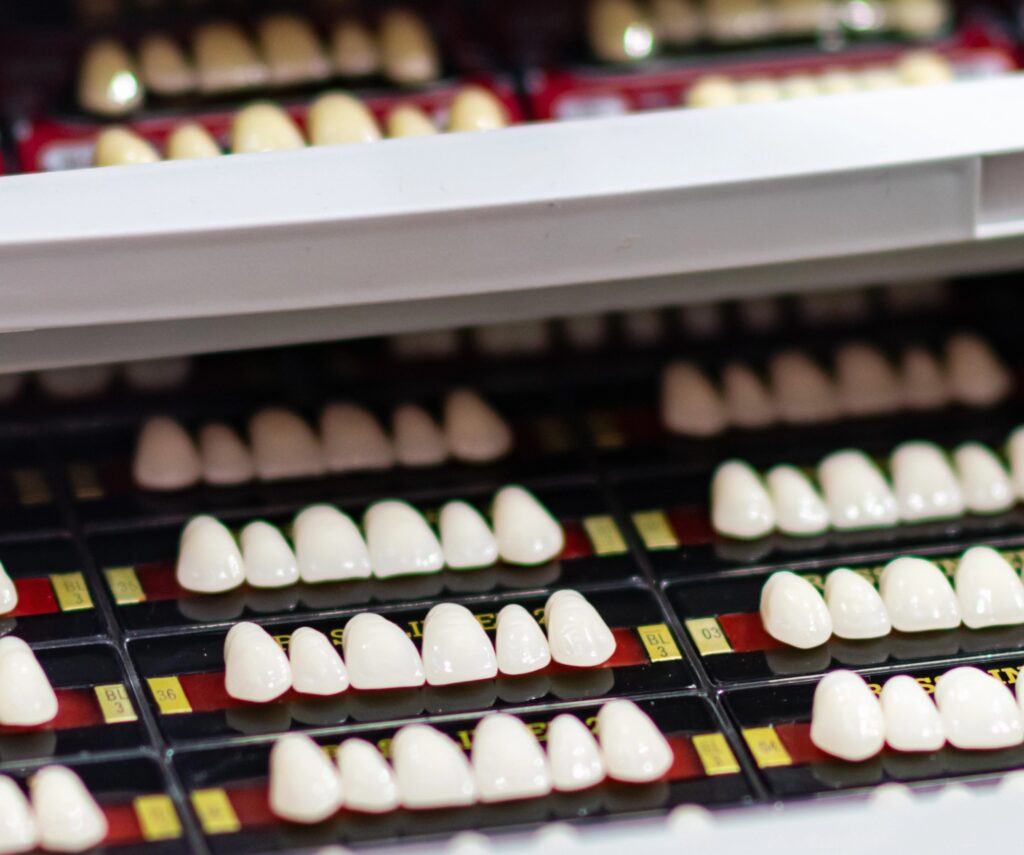
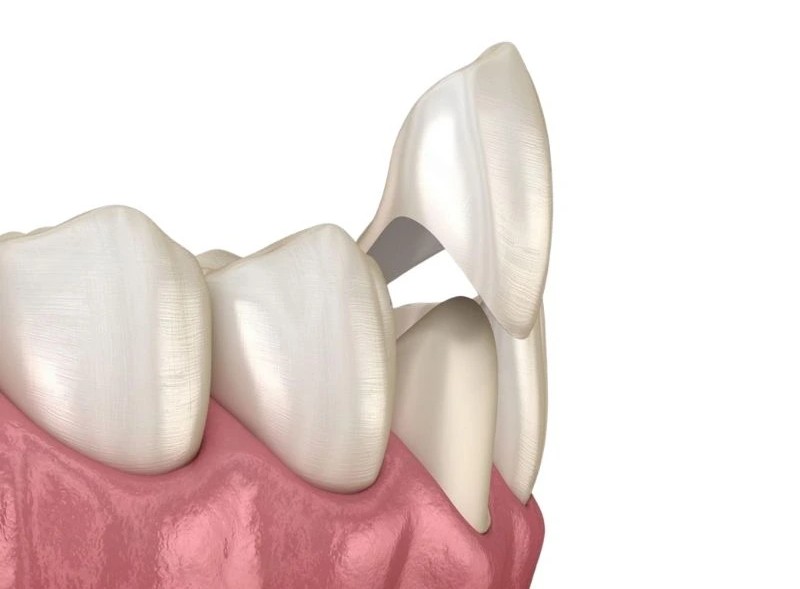
Veneers are ultra thin restorations bonded to the front surface of teeth to improve color, shape, alignment, and overall aesthetics. Most modern Veneers are made from porcelain or advanced composite resin materials. Porcelain laminates are known for their translucency and stain resistance, while composite options offer flexibility and easier repair.
They are often described as permanent because the preparation process typically involves minimal enamel reshaping. Once enamel is removed, it does not regenerate. That means Veneers are considered an irreversible treatment. However, permanent does not mean indestructible or lifetime guaranteed.
Clinical observations suggest that porcelain laminates can last 10 to 15 years on average, sometimes longer with optimal conditions. Composite dental laminates may have a shorter lifespan, often around 5 to 8 years, depending on care and oral environment. These ranges are not guarantees, but they reflect trends observed in long term follow up studies within restorative dentistry.
How Long Do Veneers Last According to Research?
The longevity of Veneers has been studied in multiple clinical evaluations. Survival rates often exceed 90 percent at the 10 year mark for porcelain restorations when properly bonded and maintained. These outcomes depend heavily on correct case selection and adhesive technique.
A simplified overview is shown below:
| Type of Veneers | Estimated Average Lifespan | Key Characteristics |
| Porcelain Veneers | 10 to 15 years | High stain resistance, strong bond |
| Composite Veneers | 5 to 8 years | Easier repair, more affordable |
| No prep Veneers | Variable | Minimal enamel reduction |
While these numbers provide general guidance, individual factors such as bite force, bruxism, and oral hygiene significantly influence performance. Veneers placed on patients with heavy grinding habits may experience stress fractures earlier than expected.
At Livera Clinic, treatment planning includes evaluating occlusion and parafunctional habits to reduce risk factors before cosmetic restorations are placed.
Are Veneers Truly Permanent or Replaceable?
Although Veneers are considered a permanent cosmetic modification, they are not permanent in the sense of lasting forever. Over time, dental laminates may require replacement due to edge wear, bonding degradation, or aesthetic changes.
Porcelain materials are highly durable, yet the bonding interface between enamel and ceramic remains the most sensitive area. Microscopic leakage, trauma, or chronic mechanical stress may compromise adhesion over the years.
It is also important to distinguish between permanence and maintenance. Veneers cannot be reversed once enamel is altered, but they can be replaced with new restorations when necessary. Replacement does not automatically mean failure. It often reflects normal material aging.
Modern adhesive systems and digital smile design technologies have improved predictability. However, biological tissues change over time, and cosmetic restorations may need updates to match evolving gum contours or adjacent tooth color.
Factors That Influence the Lifespan of Veneers
The durability of Veneers depends on several interrelated elements. Understanding these factors helps patients make informed decisions.
1. Material Quality
Porcelain laminates generally outperform composite bonding in long term color stability and structural strength.
2. Bonding Technique
The success of Veneers relies on precise adhesive protocols. Moisture control, enamel integrity, and proper curing are critical.
3. Bite Dynamics
Patients with strong bite forces or bruxism may exert repeated stress on cosmetic restorations.
4. Oral Hygiene
Although Veneers do not decay, the underlying tooth structure can. Gum health plays a significant role in longevity.
5. Lifestyle Habits
Smoking, frequent staining beverages, and nail biting can influence aesthetic durability.
Scientific literature emphasizes that long term veneer survival is multifactorial. It is rarely determined by material alone. Instead, it reflects a combination of biomechanical, biological, and behavioral variables.
Do Veneers Stain, Chip, or Fall Off?
Porcelain Veneers are highly resistant to staining because ceramic surfaces are non porous. This makes them more color stable than natural enamel in some cases. Composite dental laminates, however, are more susceptible to discoloration over time.
Chipping is possible but not common when Veneers are placed under proper conditions. Most fractures occur due to trauma, excessive bite pressure, or untreated grinding. In rare cases, bonding failure can cause debonding. When this happens, reattachment may be possible if the restoration remains intact.
It is important to clarify that Veneers are not designed to replace full structural crowns in heavily damaged teeth. They function best when sufficient healthy enamel remains to support bonding.
Comparing Veneers to Crowns and Other Restorations
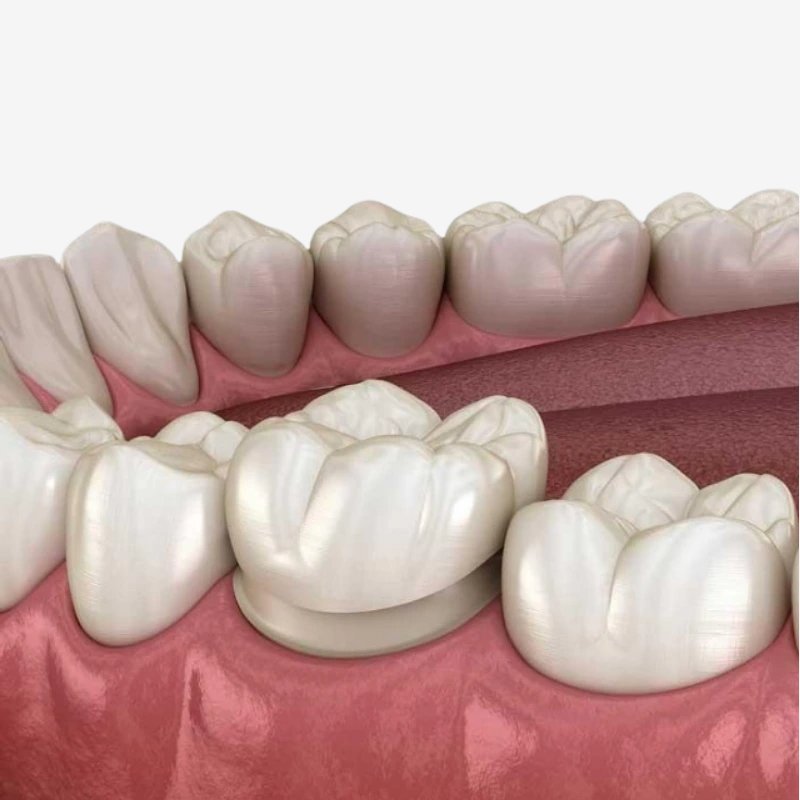
Patients often compare Veneers with crowns. While both improve aesthetics, they differ significantly in structure and preparation. Crowns cover the entire tooth, whereas dental laminates cover only the front surface.
Because Veneers preserve more natural tooth structure, they are considered a conservative cosmetic option. However, they are not suitable for every case. Teeth with extensive decay or structural compromise may require alternative restorative approaches.
Compared to orthodontic solutions, Veneers can provide faster cosmetic alignment. However, they do not correct underlying bite discrepancies in the same biological way braces or aligners do.
Choosing between these treatments involves balancing aesthetics, function, longevity, and biological preservation.
Can Veneers Last a Lifetime?
The idea that Veneers last forever is a common misconception. While some patients report restorations lasting 20 years or more, this is not universal. Material fatigue, gum recession, and normal wear can influence long term results.
Longevity improves when patients attend regular dental evaluations and maintain consistent oral hygiene. Night guards are sometimes recommended for individuals with grinding tendencies to protect Veneers from excessive mechanical load.
Rather than asking whether Veneers are permanent, a more accurate question may be whether they are durable enough to serve as a long term aesthetic investment. In many cases, the answer is yes, provided that expectations are realistic.
The Psychological and Social Longevity of Veneers
Interestingly, the lifespan of Veneers is not purely mechanical. Research in cosmetic dentistry suggests that improved smile aesthetics may positively influence self perception and social confidence. This psychological impact often outlasts the material itself.
Patients frequently describe increased willingness to smile, speak publicly, or engage socially after receiving Veneers. While such outcomes vary, they highlight that the value of cosmetic dentistry extends beyond physical durability.
At Livera Clinic, smile design is approached as both a functional and emotional transformation. Aesthetic planning integrates facial proportions, lip dynamics, and digital simulations to create balanced results.
Maintenance and Long Term Care of Veneers
Although Veneers require no special cleaning products, they benefit from gentle oral hygiene practices. Non abrasive toothpaste and soft bristle brushes help preserve ceramic surfaces.
Regular professional evaluations allow early detection of bonding wear or gum changes around Veneers. Early intervention often prevents more complex restorative needs later.
Importantly, patients should understand that even the strongest dental laminates are part of a living biological system. Teeth, bone, and gum tissues evolve over time. Long term success depends on monitoring this dynamic relationship.
Are Veneers a Permanent Solution?
Veneers are best described as a long term, minimally invasive cosmetic restoration rather than a lifetime guarantee. They are permanent in the sense that enamel modification is irreversible. However, their physical lifespan typically ranges between 10 and 15 years for porcelain and somewhat less for composite materials.
When placed with precision and maintained properly, Veneers can provide durable aesthetic enhancement supported by strong clinical evidence. Their longevity depends on material science, adhesive technology, oral health, and individual habits.
At Livera Clinic, treatment planning prioritizes biological preservation, realistic expectations, and evidence based protocols. Understanding how Veneers function over time empowers patients to make informed decisions about their smile journey.