
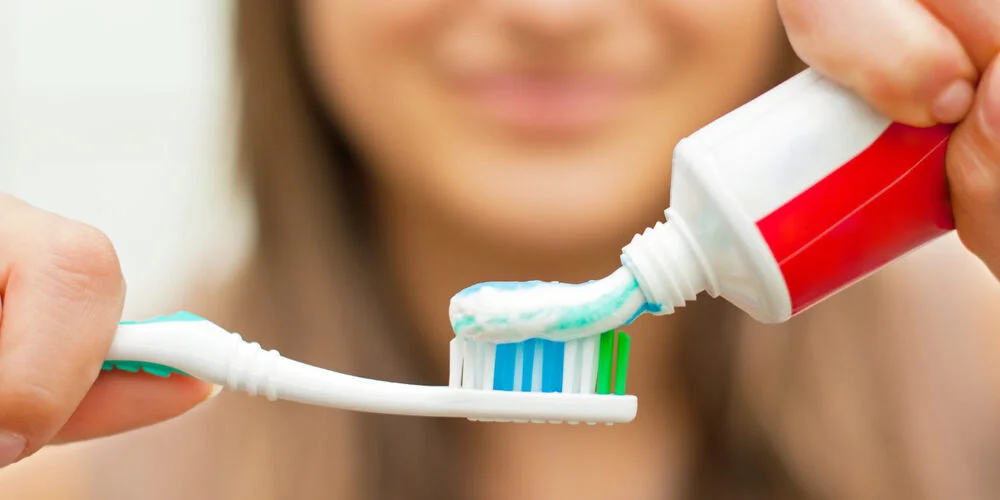
Toothbrushing, an inseparable part of our daily personal care routine, is vital not just for fresh breath but also for preserving the structural integrity of our teeth. However, the information pollution spreading on digital platforms in recent years has caused many people to hesitate about using fluoride toothpaste. Questions like “Is fluoride necessary?”, “Is it harmful to health?” or “Should toothpaste contain fluoride?” are asked very frequently.
Understanding the role fluoride plays in the tooth enamel’s self-renewal process helps us grasp why searching for the best fluoride toothpaste is not just a brand preference but also a health strategy.
Table of Contents
What is Fluoride? How Does It Protect Our Teeth?
Fluoride, a mineral widely found in nature, has direct effects on bone and dental health. So, what exactly does fluoride toothpaste do? The answer lies within the microscopic structure of tooth enamel. Throughout the day, our teeth are attacked by acids coming from the foods we consume. These acids strip minerals away from the enamel layer.
Fluoride acts as a repair agent at this stage. It interacts with calcium and phosphate ions in the saliva to resettle on the tooth surface. This process is called “remineralization.” The new structure formed by incorporating fluoride into the enamel is even harder and more resistant to acids than the original enamel. Therefore, the process of preventing tooth decay begins with this protective shield provided by fluoride.
Fluoride vs. Fluoride-Free: Which Toothpaste Should You Choose?
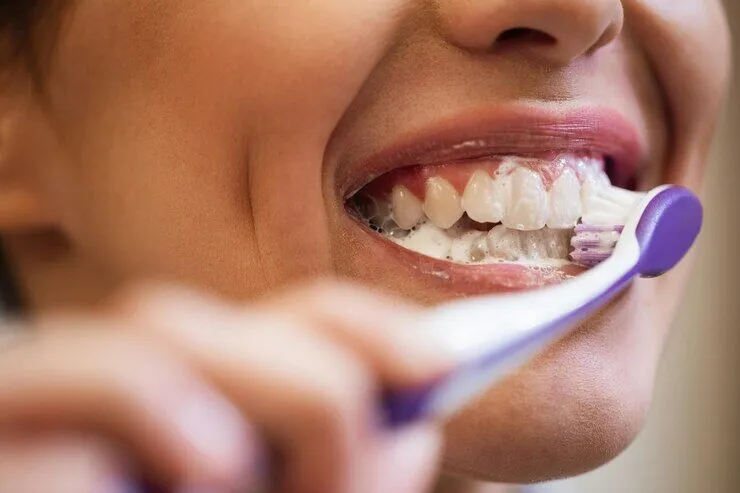
Many users may find themselves in a dilemma between fluoride toothpaste and fluoride-free options. The healthiest approach when making a decision is to conduct an individual caries (cavity) risk analysis.
- Fluoride Toothpastes: For individuals who frequently develop cavities, consume acidic foods, undergo orthodontic treatment (braces), or have genetically weak enamel, a high-fluoride toothpaste is usually a necessity.
- Fluoride-Free Toothpastes: These are preferred by individuals with fluoride sensitivity (a very rare condition) or those who choose not to ingest fluoride in any way. However, while fluoride-free ingredients clean plaque, they lack the ability to chemically strengthen the enamel against acids.
The benefits of fluoride toothpaste are not limited to preventing decay; it can also help reduce hot-cold sensitivity by thickening the enamel in sensitive teeth. For this reason, dentists recommend the protective power of fluoride in most cases.
Is Fluoride Toothpaste Harmful? Myths and Facts
The concern often expressed in society “Is fluoride toothpaste harmful?” is generally related to high-dose systemic ingestion. However, the application with toothpaste is local; meaning the fluoride only contacts the tooth surface and is then spat out. Scientific studies have found no evidence that fluoride used during brushing and expelled afterward harms general health.
Feared toxic effects are only possible if thousands of grams of toothpaste are swallowed at once. In daily use, a pea-sized amount is too small to pass into the bloodstream in significant amounts. Therefore, it is a more rational approach to set aside worries about whether fluoride toothpaste is good and focus on the protection it provides.
Fluoride Use in Babies and Children: What to Consider?
Dental health in children starts with protecting the primary (milk) teeth. The main concern for parents is the risk of children swallowing the paste. Therefore, use in children should be controlled and in age-appropriate doses.
Ideal Fluoride Amount by Age Group (PPM)
The PPM (parts per million) value on toothpaste packaging indicates the fluoride concentration.
- 0-3 Years: From the eruption of the first tooth, a “grain of rice” amount of toothpaste between 500-1000 PPM.
- 3-6 Years: A “pea-sized” amount of 1000 PPM toothpaste.
- 6 Years and Above: Brushing can be done with the adult dose (1450 PPM).
What is the Risk of Fluorosis and How to Prevent It?
The only risk associated with fluoride toothpaste use in children is “dental fluorosis.” bu condition involves white spots forming on the tooth surface due to swallowing high amounts of fluoride during the tooth development stage. Fluorosis is merely a visual condition and does not harm the health of the tooth; however, to prevent it, children should be taught the habit of spitting, and the amount of paste should not exceed a pea-sized grain.
Benefits of Fluoride Toothpaste
The longevity of a smile depends on the strength of the enamel layer. The benefits of fluoride toothpaste go beyond just preventing cavities:
- Can Repair Early Decay: It can stop decay at the “white spot” stage before a cavity actually forms.
- Disrupts Bacterial Metabolism: It can limit the ability of bacteria in the mouth to produce acid from sugar.
- Increases Enamel Hardness: It can raise the tooth’s resistance against acidic drinks.
- Cost-Effective: It can prevent expensive root canal treatments or implant costs in the future by intervening at the start.
When looking for an answer to the “fluoride or fluoride-free” question, one must consider these long-term protective effects.
What Should You Look for in the Ingredients List?
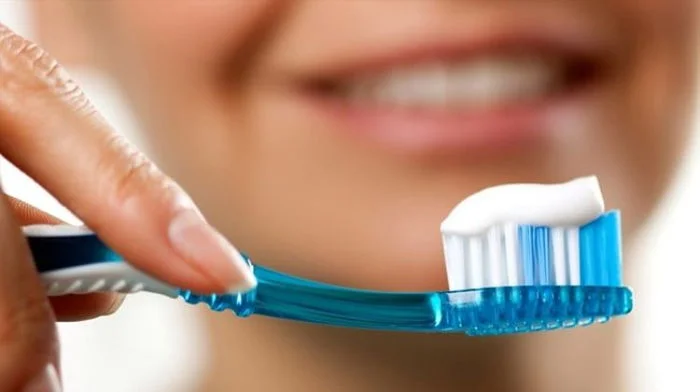
To avoid getting lost among thousands of options, it is important to check the ingredients list. A quality fluoride toothpaste should generally contain:
- Fluoride Source: Sodium fluoride (NaF), Sodium monofluorophosphate (SMFP), or Amine fluoride.
- Abrasivity (RDA Value): Low abrasivity that will not harm the gums.
- Sensitivity Relievers: Such as potassium nitrate (if you have sensitive teeth).
- What It Should Not Contain: Some users may prefer toothpastes without SLS (sodium lauryl sulfate) to prevent mouth sores.
High-fluoride toothpaste options prescribed by your doctor are usually found in pharmacies and are used for therapeutic purposes in individuals with active decay.
| Age Group | Recommended Amount | PPM Value | Frequency of Application |
| 0 – 3 Years | Grain of Rice | 500 – 1000 | Twice a day |
| 3 – 6 Years | Pea-sized | 1000 | Twice a day |
| 6+ Years | Standard Amount | 1450 | Twice a day |
| High Risk | Doctor’s Supervision | 5000 | According to Doctor’s Advice |
FAQ: Frequently Asked Questions
What should the fluoride ratio be in toothpaste?
For adults, the ideal fluoride ratio is around 1450 PPM. In children, it should be preferred between 500 and 1000 PPM depending on age. In cases of very high caries risk, your doctor may recommend special 5000 PPM pastes.
Does fluoride toothpaste prevent cavities?
Yes, fluoride strengthens the enamel to create resistance against acid attacks and can stop microscopic decay at the initial stage through remineralization.
What should be considered when using fluoride toothpaste?
The most important rule is not to swallow the paste after brushing and to spit it out thoroughly. Additionally, to avoid reducing the effect of the paste, not rinsing the mouth with too much water after brushing helps the fluoride remain on the tooth surface.
Are those who use fluoride-free toothpaste at risk?
Individuals using fluoride-free paste need to pay much more attention to their diet and brushing techniques; because their enamel does not have an additional protective shield against acids.