Dental implants are the most permanent solution offered by modern medicine for replacing missing teeth, directly improving one’s quality of life. However, the successful completion of the surgery is only the first stage of the journey. The care and attention a patient shows after implant treatment are the fundamental factors that determine the longevity and success of the implant.
As a surgical intervention, the implant placement process triggers the body’s natural healing mechanisms. During this period, the closure of the gum tissue and the total integration of the implant into the bone structure require a specific amount of time. Managing the post-treatment process consciously both minimizes potential discomfort and ensures you reach the healthy smile of your dreams without complication.
Table of Contents
What to Consider in the First 24 Hours After Implant Treatment
The first 24 hours immediately following the operation are when the foundation of healing is laid. During this period, it is vital to protect the blood clot in the surgical area to prevent the wound site from becoming infected. Biting the sterile gauze pad placed by your dentist for approximately 30–45 minutes will help stop the bleeding.
The most important rule to follow on the first day is not to spit or rinse out the saliva that forms in the mouth. The act of spitting creates negative pressure inside the mouth, which can displace the clot and cause bleeding to restart. Likewise, you should avoid checking the wound with your tongue or poking the area. Using a high pillow to keep your head elevated above your body while resting can reduce potential pressure and swelling.
Nutrition After Implant Treatment: What to Eat and What to Avoid?
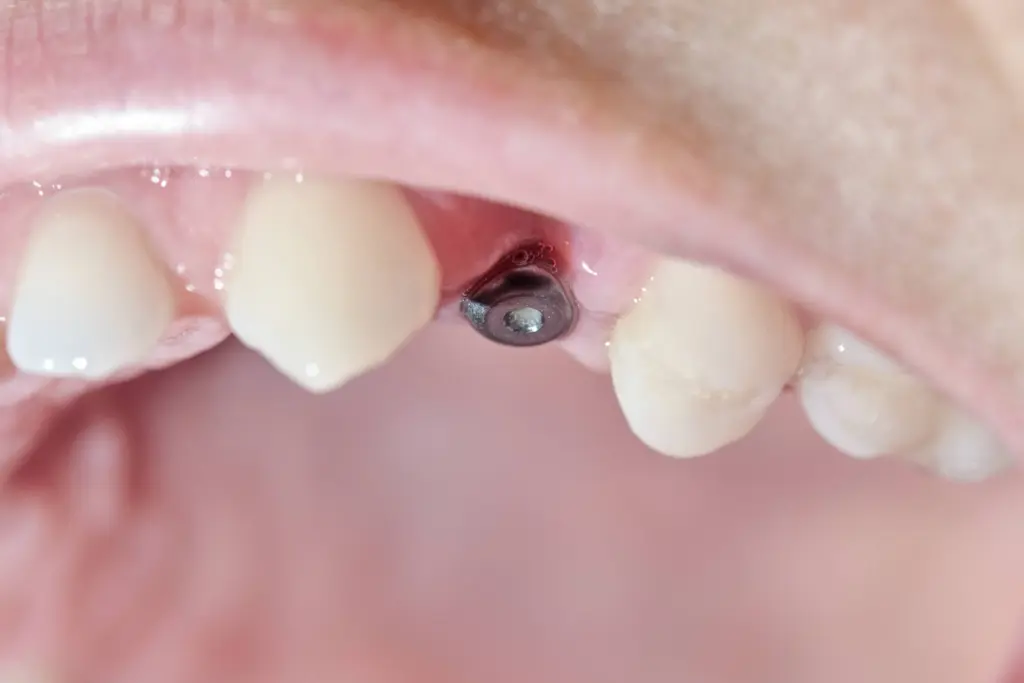
One of the most frequently asked questions once the treatment is finished is about the diet. Nutrition after implant treatment is critical not only for your comfort but also for the stability of the implant’s fusion with the bone. You should not eat or drink anything until the effects of the anesthesia have completely worn off (usually 2–3 hours); otherwise, you may accidentally bite your tongue or cheek due to the numbness.
The First 48 Hours: Liquid and Soft Foods
For the first two days following the operation, you must follow a diet that does not strain your mouth. When choosing meals after implant treatment, foods such as room-temperature soups, yogurt, fruit purees, and ayran (yogurt drink) should be preferred. Avoiding very cold or very hot foods is important to prevent triggering sensitivity in the area. Take care not to use a straw; drawing liquid through a straw creates a vacuum effect—just like spitting—which can damage the healing tissue.
Items to Avoid: Hot, Acidic, and Hard Foods
As healing continues, you must eliminate certain items from your food list. Specifically, acidic beverages, spicy foods, and seedy fruits (such as strawberries or kiwi) can get trapped between the stitches and lead to irritation. Foods like hazelnuts, chips, or crusty bread can apply direct pressure to the implant, straining the structure that has not yet fully settled. These restrictions generally last until the stitches are removed or your physician gives approval.
Are Pain, Swelling, and Bruising Normal? When Do They Subside?
As with any surgical intervention, pain and swelling are expected after implant treatment. Swelling usually peaks on the second and third days; this is the body’s healing response and does not mean there is a problem. Bruising may occur in some patients depending on their skin structure and will fade away over time.
At this stage, the question of how long ice treatment should last arises. You should apply ice from the outside of the cheek in 5–10 minute intervals during the first 24 hours. After 24 hours, ice treatment has no further effect on swelling; however, a regular application on the first day can significantly limit the extent of the swelling. If you notice a sudden increase in pain or a bad odor after the fourth day, you should definitely contact your clinic.
How Do Smoking and Alcohol Use Affect Success Rates?
Smoking is one of the greatest enemies of oral and dental health. Smoking after implant treatment can directly lead to the failure of the procedure. Carbon monoxide and nicotine in cigarette smoke slow down blood flow, reducing the amount of oxygen reaching the gums. This can cause delayed wound healing and tissue death, preventing the implant from fusing to the bone.
It is recommended not to smoke for at least the first week, and ideally for one month, after the operation. Alcohol use is strictly not advised for the first few days, as it can thin the blood, increasing the risk of bleeding, and may interact with prescribed medications. If you want to protect the life of your implant in the long term, limiting these habits is the healthiest approach.
Oral Hygiene and Care Recommendations for Long-Term Success
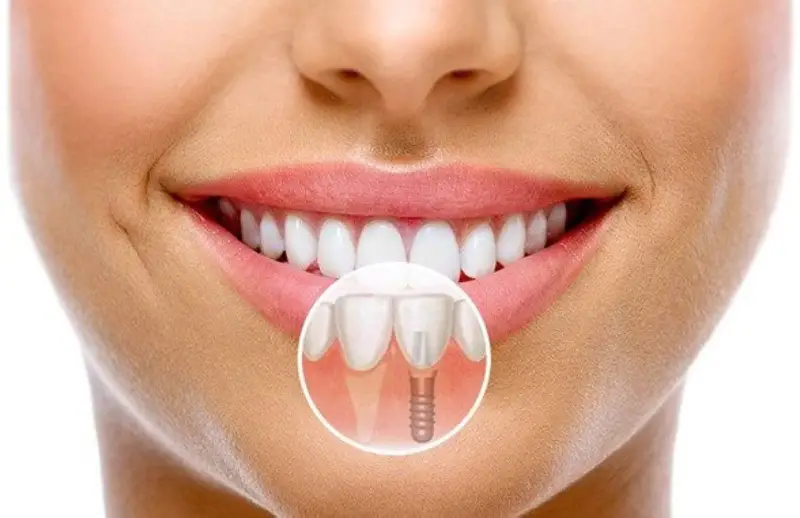
Oral care after implant treatment ensures the implant serves you for many years, just like your natural teeth. You can start brushing your teeth the day after the operation; however, you must gently clean the other teeth without touching the surgical area. Antiseptic mouthwashes recommended by your physician can lower the risk of infection by reducing the bacterial load in the area.
After the dental implant healing process is complete and the prostheses are fitted, you should take your care routine to the next level:
- Cleaning around the implant: Use dental floss or interdental brushes to clean food debris where the implant meets the gum.
- Using an oral irrigator: Devices that spray pressurized water can provide excellent cleaning in spots the brush cannot reach.
- Regular check-ups: A professional cleaning and physician check-up every six months are necessary to detect potential problems early.
| Time Frame | Expected Condition | Essential Action |
| 0–24 Hours | Mild ache and leakage-type bleeding | Biting the gauze, ice application, rest |
| 2–3 Days | Maximum level of swelling and bruising | Soft foods, slowly starting oral hygiene |
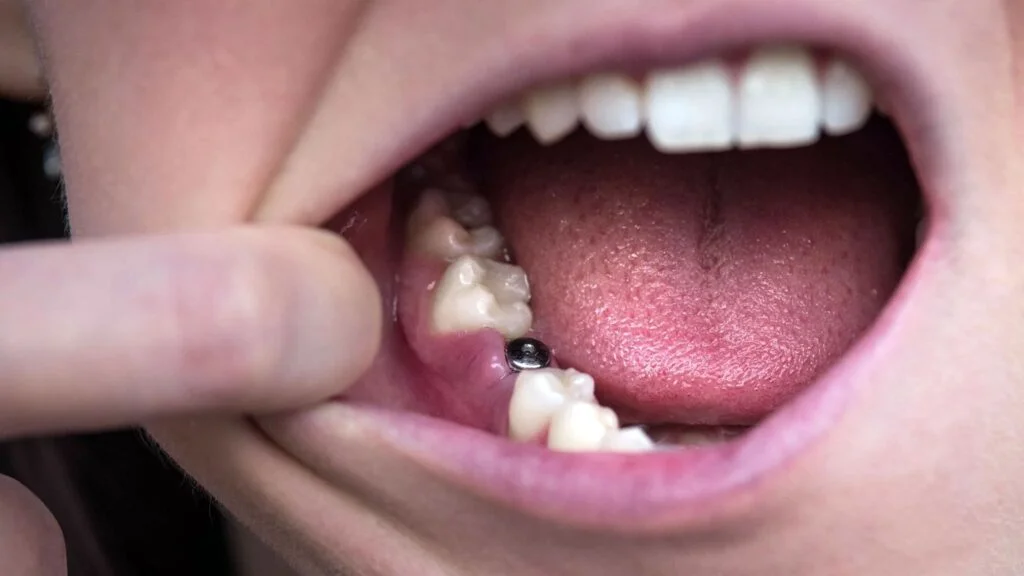
| 1 Week | Reduction in pain, tissue recovery | Check-up or removal of stitches |
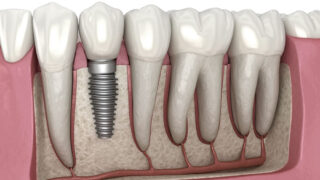
| 3–6 Months | Osseointegration (Bone fusion) | Fitting of prosthetic teeth (crowns) |
FAQ
Is there a lot of pain after the implant is placed?
Due to anesthesia, no pain is felt during the operation. There may be a mild ache for a few days after the procedure, but this can be easily controlled with prescribed painkillers.
When are the stitches removed after the implant?
If self-dissolving stitches were not used, the stitches are generally removed 7 to 10 days after the operation.
How long does it take for the implant to fuse with the bone?
This period is approximately 2–3 months in the lower jaw and 3–6 months in the upper jaw. The bone structure and any additional procedures performed can change this duration.
Can I take a bath after an implant?
Taking a bath with very hot water on the day of the operation is not recommended as it may increase bleeding. You can take a bath with warm water starting from the second day.
How many days does it take for swelling to subside?
Swelling peaks on the 2nd or 3rd day, then begins to decrease rapidly from the 5th day and usually disappears completely within a week.