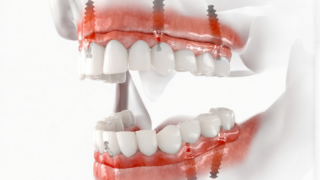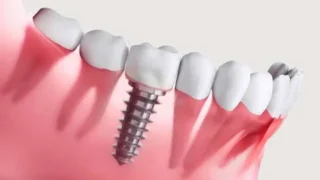
Discoloration, chips, or misalignment in teeth can sometimes restrict your confidence and freedom to smile. Modern dentistry produces customized solutions for every patient through various restoration options designed to eliminate these problems. One of the most frequently asked questions in this process is the dental veneer price information. Prices are not just a number; they encompass many details, from the technology used to the artistic touch of the dentist.
In this article, we will answer all your questions by detailing the factors affecting dental veneer costs, material differences, and the trends of 2026.
Table of Contents
What is a Dental Veneer?
A dental veneer (or crown) is a cap placed over the tooth to improve its shape, size, and durability, mimicking the natural tooth structure. This procedure restores losses in enamel caused by various reasons while providing aesthetic integrity.
The structure of the dental veneer price is closely related to the processing of the material in a laboratory environment. The type of material used (Zirconium, E-max, or metal-supported porcelain) is the primary determinant of cost. Biocompatible restoration options with high light transmission are preferred for front teeth where aesthetic expectations are high, and this may slightly affect the cost. However, the naturalness and gum compatibility provided in the long run make this investment more meaningful.
In Which Situations is a Dental Veneer Applied?
Not every dental problem requires a veneer; however, for some cases, a veneer is the most reliable solution. The complexity of the treatment is naturally a determinant of dental veneer costs. Specifically, full-mouth dental veneer prices require a different level of planning and budget compared to a single tooth.
Veneers are frequently preferred in the following cases:
- Severe discoloration that cannot be removed by teeth whitening.
- Protecting weak teeth that contain large fillings and carry a risk of fracture.
- Closing gaps (diastema) between teeth.
- Aesthetically correcting crooked or malformed teeth.
- Completing restorations over dental implants.
How is the Dental Veneer Price Determined?

It is possible to encounter very different figures for dental veneer costs during online searches. The reason for this variation is the depth and quality of the service provided by the clinic. As of 2026, technological investments are among the most important elements shaping cost tables.
The basic criteria determining the prices are:
- Material Used: The brand and quality of blocks such as Zirconium, porcelain, or glass-ceramic (E-max).
- Digital Technology: The use of CAD/CAM systems and intraoral scanners reduces the margin of error while affecting the cost.
- Laboratory Craftsmanship: Whether the veneer is processed by hand with the precision of an artist rather than being a mass-produced product.
- Dentist’s Experience: In aesthetic dentistry, the dentist’s case experience and artistic vision are decisive.
- Number of Teeth: There may be unit-based differences between single dental veneer prices and multi-tooth restorations.
Important Note: A high-quality dental veneer offers more than just visuals; it protects your gum health. Cheap materials can cause gum bruising or bad odors in the long run, proving more expensive in terms of lifespan and replacement costs.
Porcelain Dental Veneer Prices
Porcelain veneers are one of the most established and reliable methods in dentistry. Metal-supported porcelains are obtained by processing porcelain over a metal infrastructure to increase durability. Today, this method is mostly preferred for back teeth, providing an advantage in terms of porcelain dental prices for patients looking for an economical option.
Zirconium Dental Veneer Prices
Zirconium is one of the most beloved materials in modern dentistry. This metal-free structure is both durable and aesthetic. Zirconium dental veneer prices may be slightly higher than porcelain teeth, but the advantages it offers justify this difference. Thanks to its biocompatibility, it can prevent the graying seen in the gums over time.
Composite Dental Veneer Price (Bonding)
Among the dental veneer options, the fastest and most economical method is composite veneers (Bonding). Generally offered as an alternative to “porcelain laminate” applications, this method is very attractive in terms of dental veneer price because it does not require a laboratory stage.
Laminate Dental Veneer Price and Aesthetic Advantages
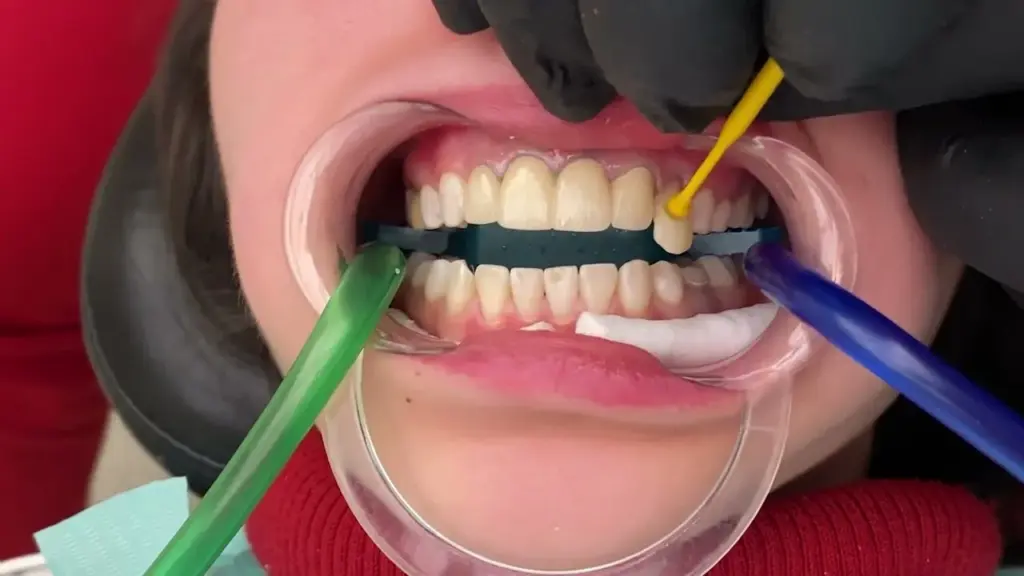
Laminates, popularly known as “porcelain leaves,” are aesthetically very satisfying. These very thin porcelains, applied only to the front surface of the tooth, can offer maximum naturalness with minimum abrasion. Dental veneer price values for laminates are generally higher than other types because they require precise craftsmanship and special porcelain blocks.
Frequently Asked Questions (FAQ)
What does a single dental veneer price cover?
This price usually covers digital X-rays, tooth preparation, intraoral digital scanning, the placement of a temporary tooth, and the cementation of the permanent veneer. Procedures such as anesthesia or scaling may not be included in the price in some clinics.
Is Zirconium or Laminate more economical?
Generally, Zirconium is more affordable than Laminate. Laminate veneers are in the highest segment of aesthetic dentistry and have a higher cost because they are produced as thin as a leaf and require delicate craftsmanship.
What is the lifespan and replacement cost?
The lifespan of a well-maintained Zirconium or porcelain veneer is approximately 15–20 years. The replacement cost involves the removal of the old veneer and the re-measurement of the tooth. Regular check-ups allow you to postpone this cost for many years.
Why is the price of porcelain teeth lower than Zirconium?
Metal alloys are used in the infrastructure of porcelain teeth. Processing a metal infrastructure is less costly than the digital milling of Zirconium blocks. However, Zirconium is more frequently recommended for front teeth due to the matte appearance created by the metal infrastructure.
Will dental veneer prices increase in 2026?
Costs are updated based on exchange rate differences for imported materials, technological software updates, and energy costs. However, the widespread use of digitalization may create advantages for patients in terms of time-cost as it shortens procedure times.