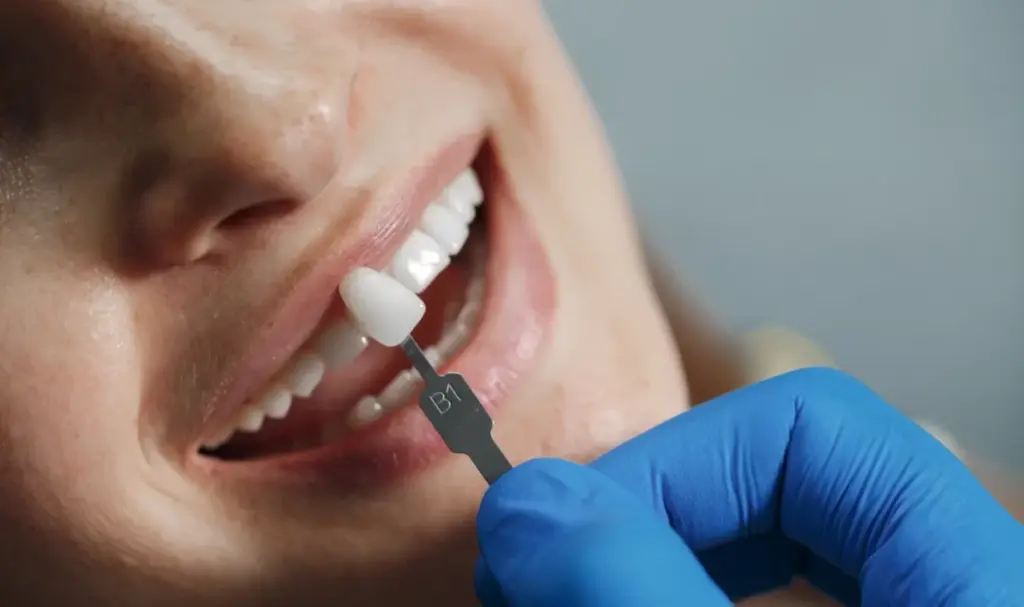
In recent years, the perception of aesthetics in dentistry has undergone a significant transformation. It is no longer enough to simply have “white teeth”; the primary priority is now preserving the biological structure of the tooth. Lumineers coating is one of the most specialized applications in this regard, bringing the concept of non-invasive aesthetics into the clinic.
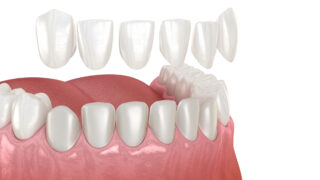
The most fundamental difference that sets this method apart is the placement of ceramics—crafted like fine works of art—directly onto the teeth with almost no intervention to the enamel. In its simplest terms, a Lumineers coating is an ultra-thin and durable porcelain system designed to change the shape, color, and alignment of the teeth.
Table of Contents
Is it Possible to Transform Your Teeth Without Filing?
In traditional porcelain veneers, removing a certain amount of enamel from the front surface of the tooth is generally a necessity. However, because Lumineers coating technology falls into the “prepless” category, it eliminates this requirement. Many patients come to the clinic asking, “Do teeth need to be cut for Lumineers?” The heart of this method lies in the integrity of the tooth tissue.
Preserving the enamel means protecting the natural heritage of the tooth. This approach is based on the principles of biomimetic dentistry—imitating nature without sacrificing what is natural. Because the teeth are not filed down, the procedure is also reversible. If you decide to remove your coatings years later, your underlying teeth remain as healthy as they were on day one.
Differences Between Lumineers and Traditional Veneers
If you are in the process of making an aesthetic decision, the differences between Lumineers and traditional porcelain veneers can be a decisive factor. While both methods yield excellent results, their application styles and philosophies differ:
- Tissue Loss: While traditional veneers involve some degree of enamel abrasion, Lumineers are applied directly to the tooth surface.
- The Procedure: Traditional veneers usually require anesthesia and the use of temporary teeth. Lumineers offer a completely painless process.
- Thickness: At approximately 0.2 – 0.3 mm, Lumineers is one of the thinnest porcelain systems in the world.
The choice of method depends on the amount of crowding in your current dental alignment and the targeted result. For individuals with lightly stained, spaced, or small teeth, Lumineers is a perfect choice for personalized micro-aesthetic touches.
Advantages of Choosing Lumineers Coating
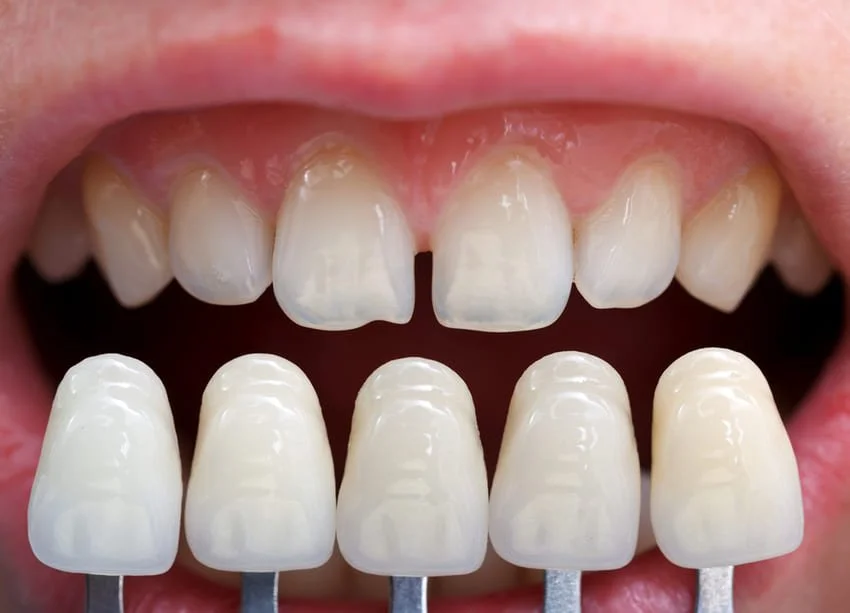
The secret to Lumineers’ popularity in modern dentistry is the patented Cerinate porcelain technology. Unlike traditional coatings, this material is so elegant and thin that it integrates with the natural tooth without creating an artificial feel. It perfectly mimics the natural translucency and light-refraction properties of enamel, providing an excellent aesthetic reflection even under challenging lighting.
The main advantages of this ultra-thin ceramic art include:
- No Filing: The biggest advantage is that it requires no grinding or filing of the enamel, protecting the tooth’s natural structure.
- High Durability: Despite its thinness, it is extremely durable because it bonds chemically to the enamel at a microscopic level.
- Stain Resistance: The smooth, non-porous surface of Cerinate porcelain is much more resistant to stains from tea, coffee, or cigarettes than natural teeth.
- Comfort: Since there is no tooth cutting, the need for anesthesia and needles is eliminated, turning the treatment into a stress-free experience.
- Reversibility: Since your teeth remain in their original form, Lumineers can be removed if desired, allowing the teeth to be used in their healthy, pre-treatment state.
How is Lumineers Coating Performed?
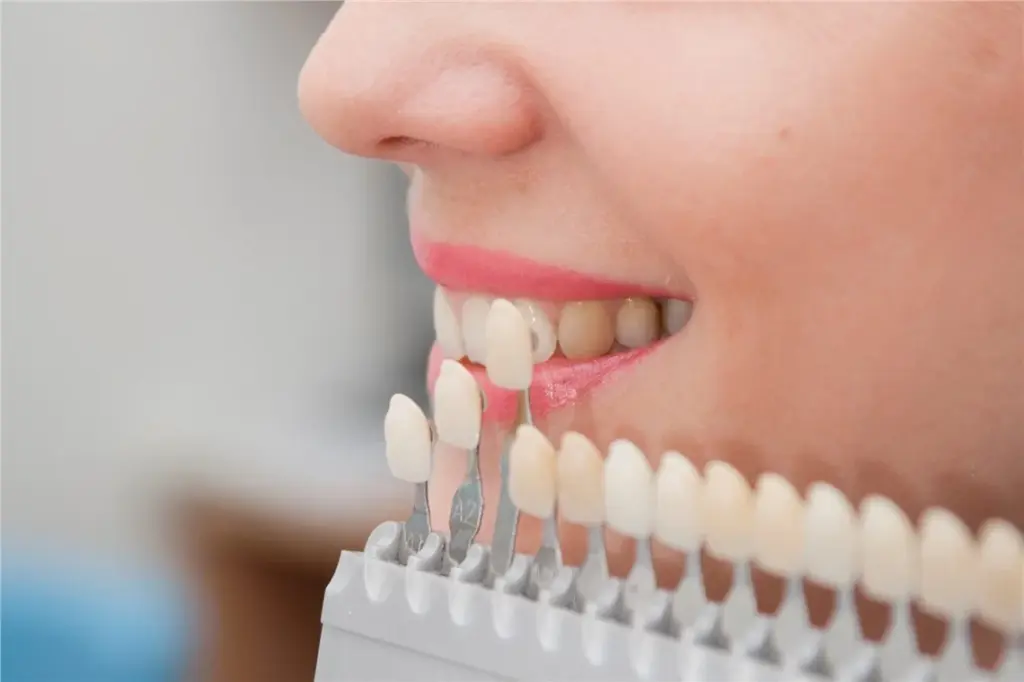
The process is much faster and more non-invasive than traditional methods, usually completed in just two main appointments:
1. Consultation, Digital Analysis, and Precision Impression
The first appointment is the most critical stage where the architecture of your smile is planned.
- Digital Scanning: Instead of traditional, uncomfortable impression materials, high-resolution intraoral scanners are used to create an error-free 3D map of the teeth.
- Painless Start: No needles or local anesthesia are needed since the enamel is not touched.
- Smile Design: The tooth forms most suitable for the patient’s facial features are designed using digital data, determining the height, width, and color of the teeth.
2. Laboratory Process
The data is sent to specialized laboratories where the Lumineers are custom-made from patented Cerinate porcelain with artistic precision.
3. Application
During the second appointment, the ultra-thin porcelains are finalized.
- Precision Bonding: The designed coatings are chemically bonded to the enamel using special adhesives, becoming a part of the tooth.
- Maximum Comfort: No sensitivity occurs because no preparation was done on the teeth. The patient can return to their social life immediately.
Who is a Good Candidate for Lumineers?
Lumineers coating is especially preferred in the following cases:
- Closing small gaps (diastemas) between teeth.
- Masking permanent stains that do not respond to whitening.
- Restoring worn or chipped teeth.
- Correcting minor crowding without the need for orthodontic treatment.
However, in cases of severe crowding or very dark teeth, it may be difficult to hide the underlying darkness due to the thinness of the porcelain. In such cases, your dentist may recommend alternative enamel-preserving methods.
Frequently Asked Questions (FAQ)
Does Lumineers coating require tooth filing?
No, that is its biggest advantage. In more than 90% of cases, no abrasion is performed on the tooth surface.
Will Lumineers make my teeth look bulky?
When properly designed, a Lumineer is as thin as a contact lens and does not make the teeth look thick. Your dentist will evaluate whether your dental structure is suitable for this method during the initial consultation.
How much does Lumineers coating cost in 2026?
The cost may differ from traditional methods because the material is patented and requires high laboratory precision. Costs are determined by the number of teeth and the complexity of the case.
Can Lumineers be removed after they are applied?
Yes. Since no permanent filing was done to the enamel, the coatings can be removed with specialized equipment, returning your teeth to their original state.
What is the difference between Lumineers and porcelain veneers?
The primary difference is the intervention to the enamel. Porcelain veneers involve grinding about 0.5 mm of the front surface, while Lumineers require no such removal. Furthermore, Lumineers offer a needle-free and painless experience.