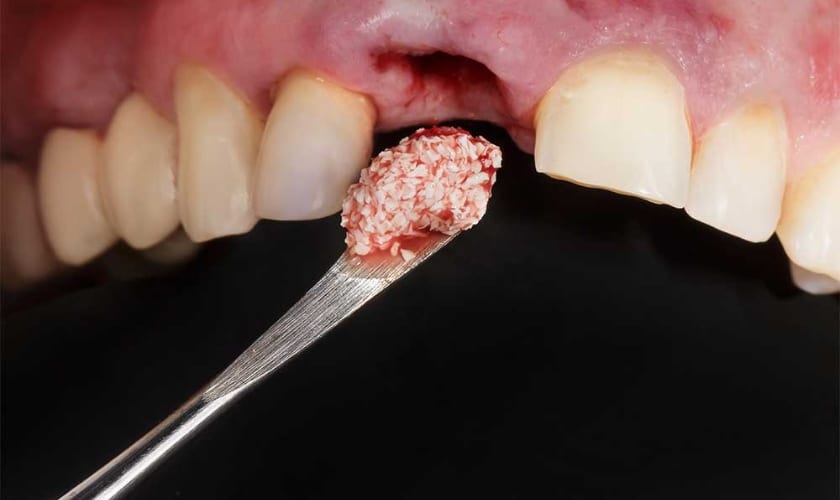
The question of how long after bone grafting you can get a Dental Implant is one of the most common concerns for patients planning restorative dentistry. In cases where jawbone volume is insufficient, bone grafting becomes an essential preparatory step before placing a Dental Implant.
How Long After Bone Grafting Can I Get a Dental Implant? Basic Timing
The timing of a Dental Implant after bone grafting is not fixed. It depends on bone quality, graft type, and individual healing capacity. Clinical observations show that this period may range from a few months up to a year.
In some cases, a Dental Implant may be planned earlier, while in others clinicians prefer to wait until full bone maturation is achieved. Healing is therefore not just chronological, but biological.
Placing a Dental Implant too early may compromise long-term stability, which is why timing plays a crucial role in treatment success.
Why Bone Grafting is Necessary Before a Dental Implant
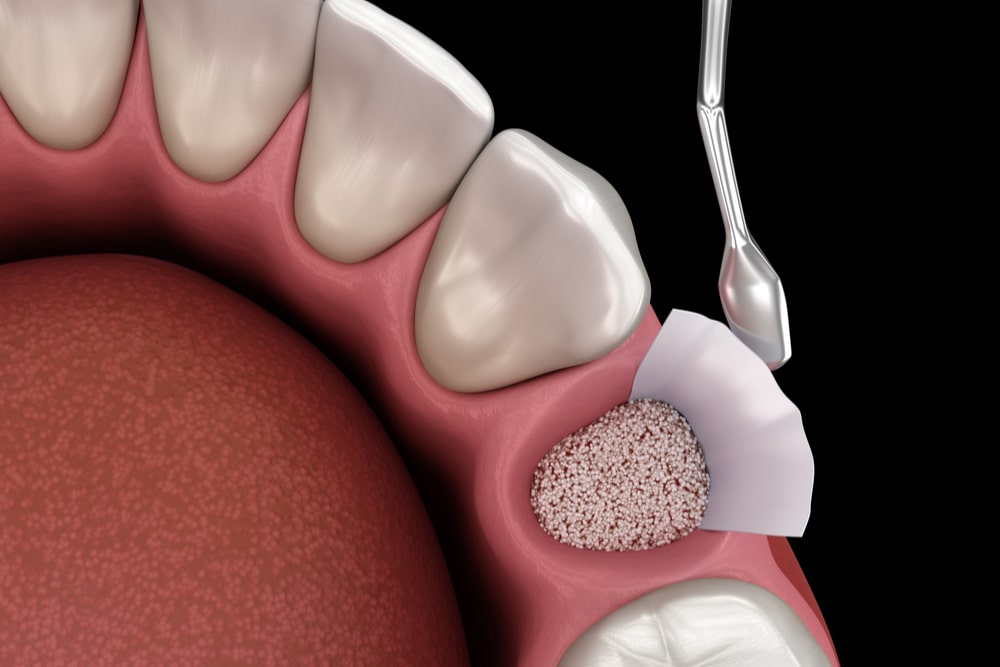
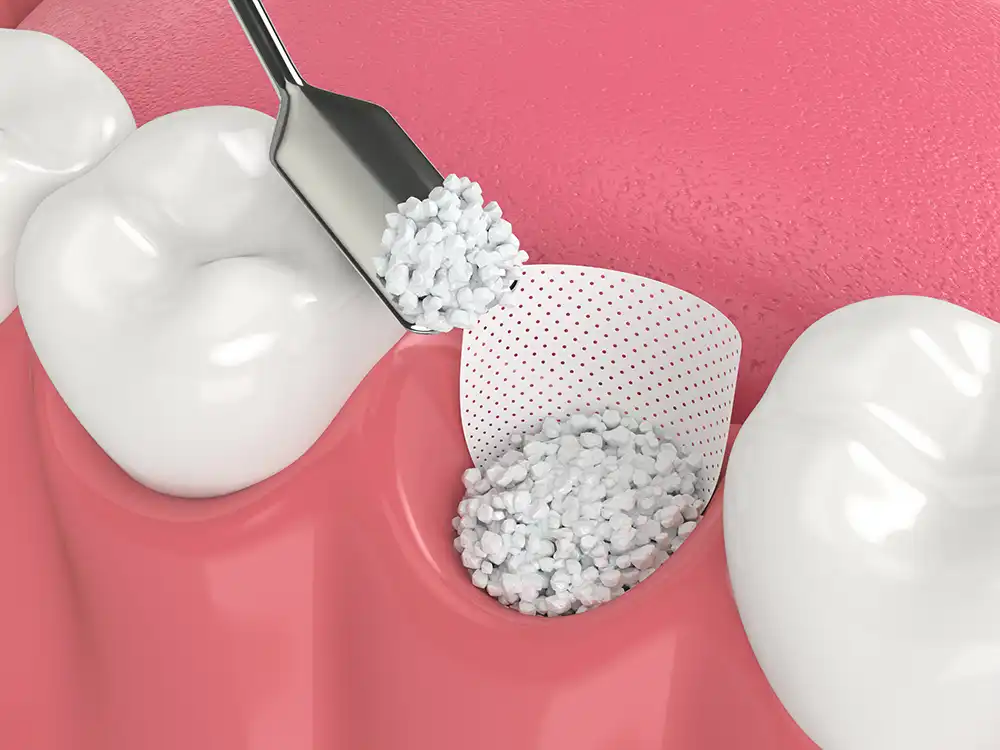
Bone grafting is a preparatory procedure that creates sufficient volume and density for a Dental Implant. When the jawbone shrinks over time, the support needed for implant placement decreases.
The graft material stimulates new bone formation, creating a stable foundation for a Dental Implant. This is especially important in posterior jaw regions where bone loss is more common.
Without grafting, a Dental Implant may lack proper anchorage, which can affect long-term function and stability.
Healing Process After Bone Grafting and Implant Timing
The healing phase after bone grafting is one of the most important determinants of when a Dental Implant can be placed. During this time, the body gradually replaces graft material with natural bone.
Soft tissue healing typically occurs within weeks, while bone remodeling takes several months. Therefore, rushing into a Dental Implant procedure is generally not recommended.
Below is a general overview of healing timelines based on graft types:
| Graft Type | Average Healing Time | Implant Planning Window |
| Autograft | 3–6 months | Early Dental Implant |
| Allograft | 6–12 months | Late Dental Implant |
| Synthetic graft | 4–9 months | Mid-stage Dental Implant |
These timelines are approximate and depend on clinical evaluation.
Evaluation Methods Before Dental Implant Placement
Accurate assessment is essential before placing a Dental Implant. Advanced imaging techniques such as 3D tomography help evaluate bone density and graft integration.
These diagnostic tools determine whether the graft has matured enough for a Dental Implant. Decisions are based on measurable bone quality rather than guesswork.
Digital planning systems also allow clinicians to position a Dental Implant with high precision, improving long-term outcomes.
For further reading: implant research resources
Types of Bone Grafts and Their Effect on Dental Implant Success
The type of bone graft significantly influences the success timeline of a Dental Implant. Each graft material behaves differently in terms of integration speed and bone formation.
Some grafts integrate quickly, while others provide slower but more stable bone regeneration. This directly impacts when a Dental Implant can be safely placed.
General characteristics include:
- Autograft: Fast healing and high compatibility
- Allograft: Moderate integration speed
- Synthetic graft: Controlled but slower bone formation
In all cases, the goal is to establish a strong foundation for a Dental Implant.
Comparative Healing Timelines for Dental Implant Planning
The Dental Implant timeline varies depending on the extent of bone grafting. Small grafts may allow earlier implant placement, while larger reconstructions require longer healing periods.
Rather than a single fixed schedule, clinicians evaluate each case individually.
Typical scenarios include:
- Minimal grafting: 3–5 months before Dental Implant
- Moderate grafting: 6–9 months before Dental Implant
- Extensive grafting: 9–12 months before Dental Implant
At Livera Clinic, these timelines are personalized based on clinical imaging and patient-specific healing responses.
Clinical Insights and Biological Reality of Dental Implant Timing
A Dental Implant is not only a surgical placement but also a biological integration process. Bone grafting ensures that the implant has a stable and supportive environment.
Many patients expect faster results, but true success depends on how well the bone integrates with the implant surface. This process cannot be rushed.
The timing of a Dental Implant after grafting is therefore a dynamic decision based on biological readiness rather than a fixed calendar.
Dental Implant Timing is a Biological Journey
The timing of a Dental Implant after bone grafting is highly individual and influenced by multiple biological factors. There is no universal answer, only personalized clinical planning.
At Livera Clinic, the focus is not only on placing a Dental Implant, but on ensuring long-term stability, function, and success. This requires careful evaluation and patience throughout the healing journey.