When it comes to oral health and aesthetic appearance, Implant Supported Bridges stand out as one of the most advanced solutions offered by modern dentistry. Developed for individuals experiencing tooth loss, this method provides both functional and aesthetic benefits. As an alternative to traditional bridge treatments, it offers strong support with minimal intervention to natural teeth.
Today, dental treatments aim not only to replace missing teeth but also to ensure long-term comfort and durability. For this reason, having comprehensive knowledge about Implant Supported Bridges plays an important role in making the right treatment decision.
What Are Implant Supported Bridges?
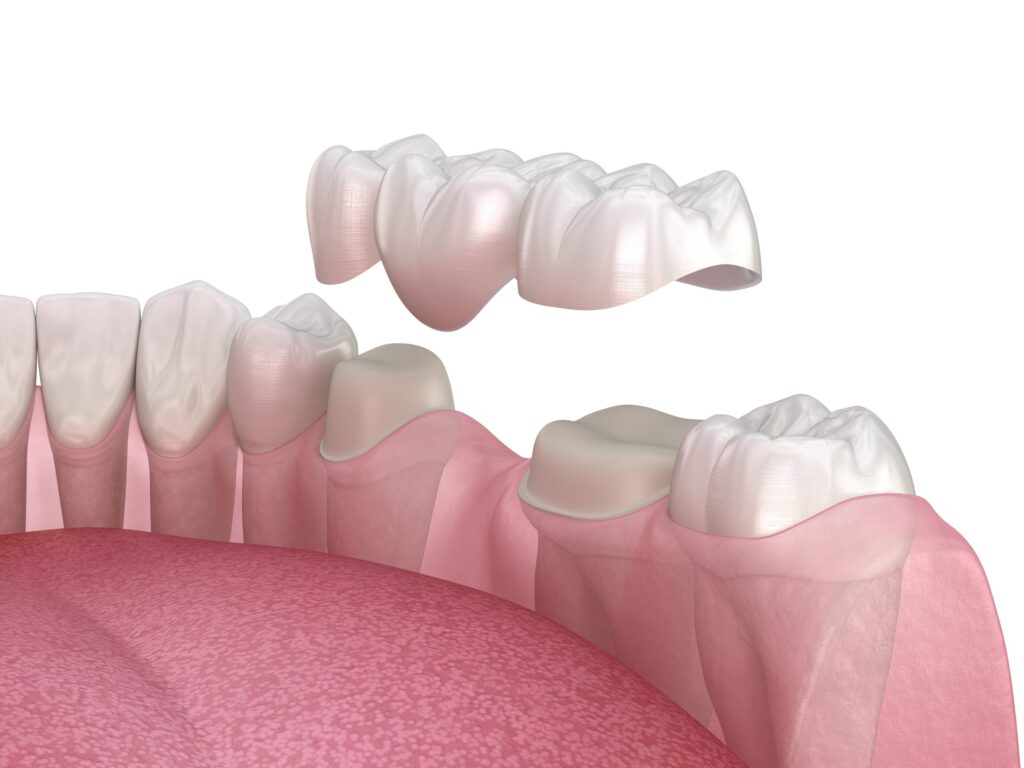
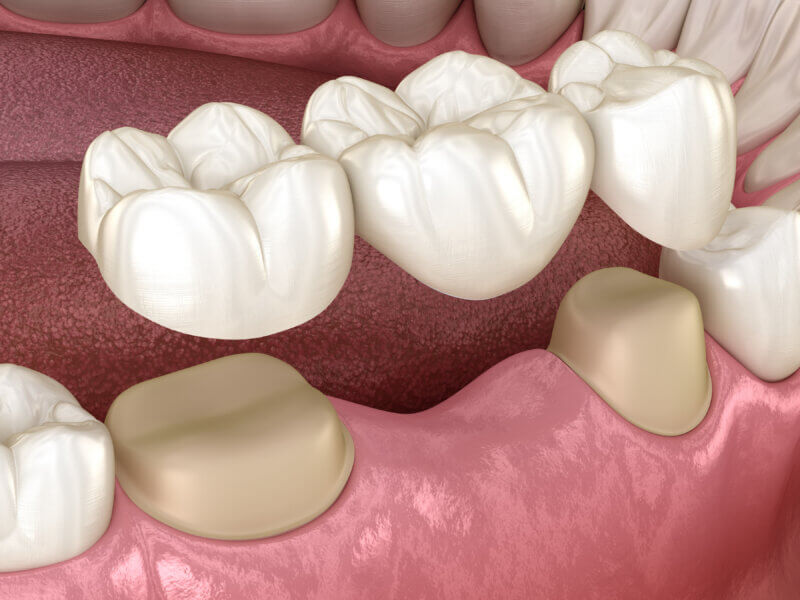
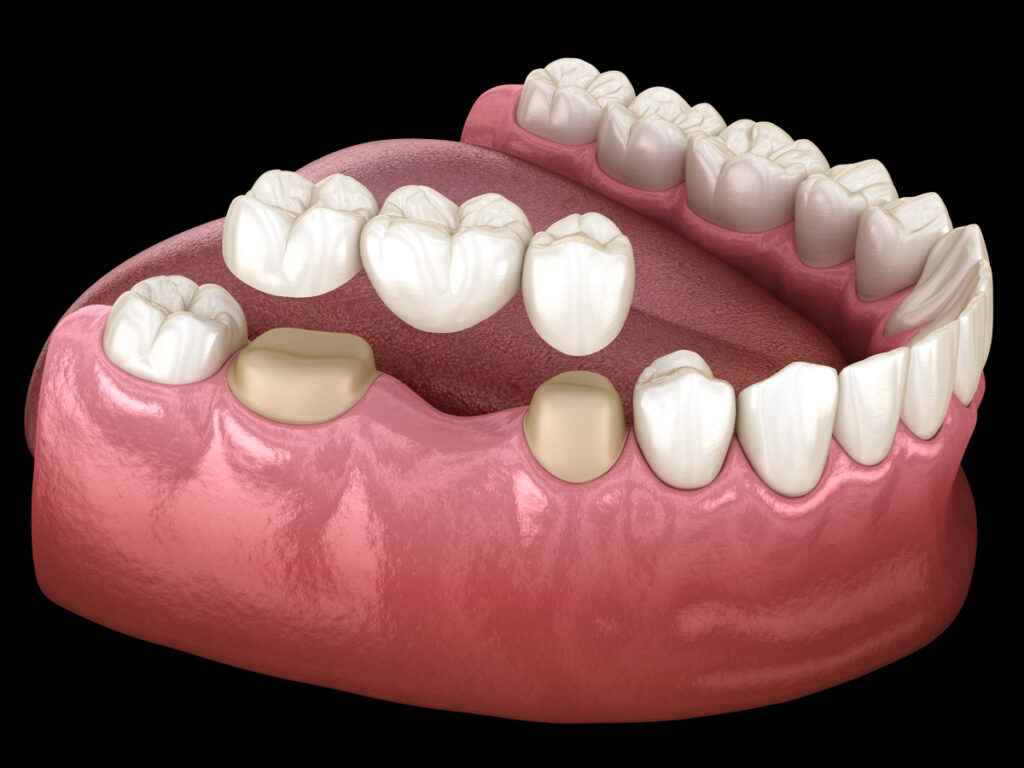
Implant Supported Bridges are prosthetic systems fixed onto dental implants placed to replace missing teeth. In this method, the bridge is supported by titanium implants instead of natural teeth. This allows for a stable structure without the need to reduce adjacent teeth.
This system is especially preferred in cases of multiple missing teeth. While traditional bridges rely on natural teeth for support, this method transfers the load directly to the jawbone. This can help preserve bone health and provide a more balanced long-term solution.
Who Are Implant Supported Bridges Suitable For?
Like any treatment method, Implant Supported Bridges may be more suitable for individuals who meet certain criteria. In general, patients with sufficient jawbone density may benefit from this treatment.
The following conditions may be considered:
- Individuals with multiple missing teeth
- Those who prefer not to use removable dentures
- Patients with adequate bone structure for implants
- Individuals seeking a long-term solution
However, each person’s oral structure is different. Therefore, treatment planning is personalized and requires detailed evaluation.
How Are Implant Supported Bridges Performed?
The procedure for Implant Supported Bridges typically involves several stages. The process begins with planning and ends with the placement of the prosthesis.
In the first stage, the jawbone is thoroughly examined. Then, implants are surgically placed into the bone. A healing period is required for the implants to integrate with the bone. This process is known as osseointegration.
Once healing is complete, the bridge prosthesis is designed and fixed onto the implants. Both aesthetics and function are evaluated at this stage. The result is a structure that closely resembles natural teeth.
What Are the Advantages of Implant Supported Bridges?
Implant Supported Bridges offer several advantages. These benefits can impact both daily life quality and long-term oral health.
Main advantages include:
- No damage to adjacent teeth
- Helps preserve jawbone structure
- Can offer long-lasting use
- Provides a natural aesthetic appearance
- Offers comfortable use due to fixed structure
Thanks to these benefits, this method has become a popular choice. However, advantages may vary depending on individual factors.
Differences Between Implant Supported Bridges and Traditional Bridges
One of the most common questions in dental treatments is the difference between methods. Implant Supported Bridges operate differently compared to traditional bridges.
| Feature | Implant Supported Bridges | Traditional Bridges |
| Support | Implants | Natural teeth |
| Tooth reduction | Not required | Required |
| Bone preservation | Possible | Limited |
| Durability | Potentially high | Moderate |
These differences can directly influence treatment decisions. Especially for those planning long-term solutions, this comparison can serve as an important reference.
How Long Do Implant Supported Bridges Last?
Implant Supported Bridges are generally considered long-lasting solutions. However, their lifespan may vary depending on several factors. Oral hygiene, lifestyle habits, and regular dental check-ups are among the most influential elements.
Research suggests that implant-supported systems can be used for many years when proper care is maintained. However, this does not guarantee a fixed duration. Each individual’s experience may differ.
What Should Be Considered After Implant Supported Bridges?
The post-treatment period plays a crucial role in maintaining the results. After receiving Implant Supported Bridges, extra attention to oral care is recommended.
Key considerations include:
- Regular tooth brushing habits
- Use of dental floss or interdental cleaning tools
- Avoiding excessively hard foods
- Attending periodic dental check-ups
These habits contribute to the longevity of both the implants and the bridge structure.
Scientific and Modern Approaches to Implant Supported Bridges
Modern dentistry continues to evolve in the field of Implant Supported Bridges. Recent studies indicate that advanced implant surface technologies may support faster integration with bone.
Additionally, digital dentistry applications have made impression-taking and prosthesis design more precise. This enhances patient comfort and helps optimize the treatment process.
For more detailed scientific insights, you can explore:
implant treatment detailed analysis
https://www.ncbi.nlm.nih.gov/pmc/articles/PMC
For general information about dental implants:
https://www.aaid.com/about-implants/what-are-dental-implants/
Are Implant Supported Bridges a Logical Choice?
Implant Supported Bridges stand out as a strong and modern alternative for treating missing teeth. When evaluated in terms of aesthetics, functionality, and long-term benefits, they may be a suitable option for many individuals.
However, like any treatment method, this system should be evaluated based on individual needs. Proper planning and informed decision-making directly affect the quality of the outcome.
Livera Clinic aims to provide comprehensive solutions in this field by closely following modern dental practices.