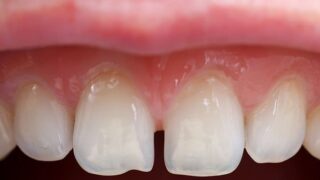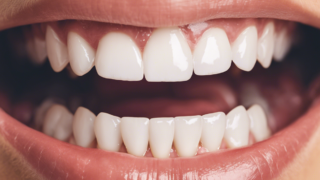
In the world of dental aesthetics, Bonding vs Veneer are two commonly compared methods. Both offer solutions to enhance your smile, but they differ significantly in application, durability, and cost.
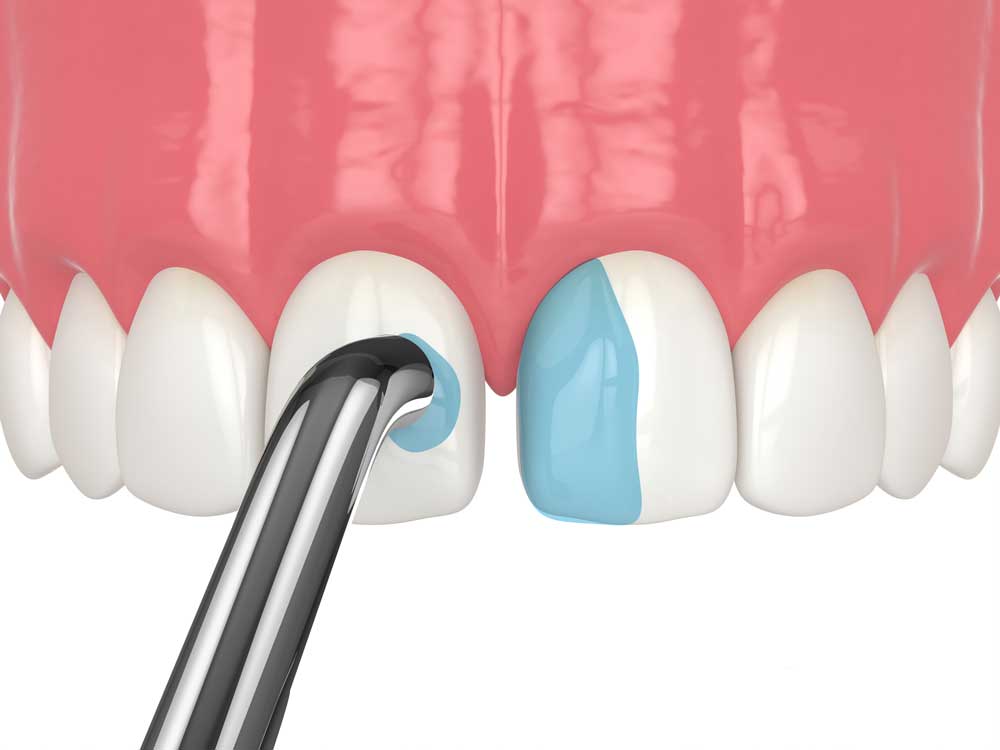
What is Bonding and How is it Applied?
Bonding is a method where composite resin is applied to the surface of teeth to make aesthetic corrections. The composite resin is bonded to the tooth, shaped, and then hardened using a special light. This procedure can usually be completed in a single session and requires minimal tooth reduction.
Bonding is effective for quickly correcting minor misalignments, color discrepancies, and gaps. It is also more cost-effective compared to veneers. However, its durability is limited, generally lasting 5-7 years.
What is a Veneer and Its Advantages Over Bonding
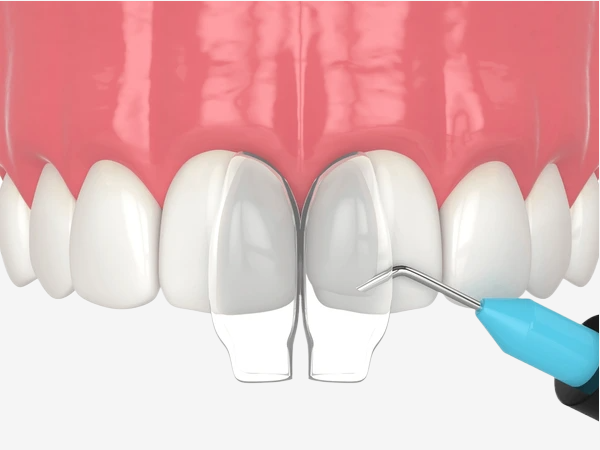
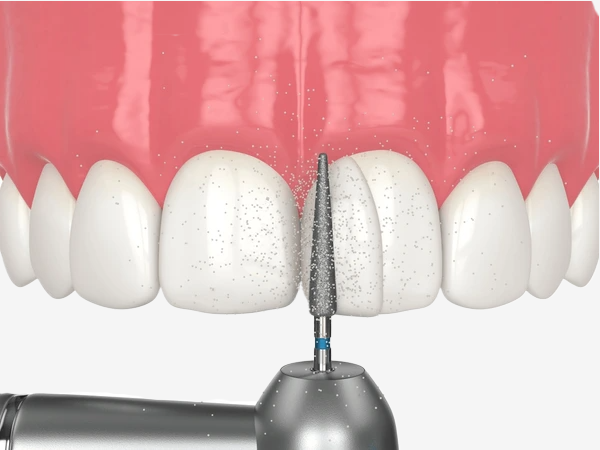
A veneer involves attaching thin porcelain layers to the surface of teeth. This method better preserves the natural appearance and light-reflecting properties of teeth. Veneers are typically more durable than bonding and are less prone to discoloration.
Veneer application requires minimal tooth preparation, precise measurements, and laboratory fabrication, which may take several weeks. However, the results are long-lasting and provide high aesthetic value. Veneers are particularly effective for severe color issues or major tooth misalignments.
Bonding vs Veneer: Durability Comparison
One of the most noticeable differences between bonding and veneers is durability. Bonding resists minor impacts and wear but is prone to scratches and staining over time. Veneers, made from porcelain, are much more durable and highly resistant to color changes.
| Feature | Bonding | Veneer |
| Durability | 5-7 years | 10-15 years |
| Staining | Moderate | Low |
| Repairability | Easy | Difficult |
This table clearly illustrates the durability differences between bonding and veneers.
Aesthetic Results: Bonding or Veneer?
Aesthetically, both methods improve the appearance of teeth but in different ways. Bonding offers a quick and simple solution, while veneers better mimic the natural translucency and appearance of teeth.
Bonding easily fixes small irregularities, cracks, or color differences. Veneers, however, are preferred for more comprehensive aesthetic problems, especially when there are large gaps, severe discoloration, or abnormal tooth shapes.
Procedure Time and Comfort
Bonding is typically completed in a single session, whereas veneer placement requires multiple appointments. Bonding involves minimal tooth preparation and is generally painless for most patients. Veneer application involves measurements, laboratory fabrication, and final bonding, making the process longer.
In terms of comfort, bonding provides a quick solution. However, for long-term aesthetics and durability, veneers are often the preferred choice. The selection depends on the dentist’s evaluation and individual aesthetic expectations.
Cost Analysis: Bonding vs Veneer
Cost is an important factor in patient decision-making. Bonding is generally more affordable because it involves less material and no lab work. Veneers are more expensive due to laboratory fabrication and porcelain materials.
However, over time, bonding may need replacement every 5-7 years, whereas veneers can last 10-15 years, potentially offering long-term cost benefits. Both initial cost and long-term use should be considered when making a decision.
When to Choose Which Method?
When deciding between Bonding vs Veneer, the type of dental issue, aesthetic goals, and budget are key factors. Bonding is suitable for minor cracks, color discrepancies, and slight misalignments. Veneers are ideal for more extensive aesthetic needs and long-lasting results.
A dentist’s assessment, pre-procedure imaging, and patient expectations help determine the best approach. In some cases, a combination of both methods can provide optimal aesthetics and durability.
Bonding vs Veneer
In summary, the key differences between Bonding vs Veneer lie in durability, aesthetic effect, procedure time, and cost. Bonding offers a quick and economical solution, while veneers provide long-lasting and highly aesthetic results. Both methods can enhance your smile when used correctly, with the choice guided by personal needs and dental professional advice.
For more information, you can explore American Dental Association resources. Additionally, for current research in dental aesthetics, the Journal of Esthetic and Restorative Dentistry is a valuable source.