Dental aesthetics have been revolutionized by dental veneers, which are becoming increasingly popular for achieving both a healthy smile and an aesthetically pleasing appearance. But why are dental veneers preferred, and what are the different types available?
What Are Dental Veneers and Why Are They Chosen?
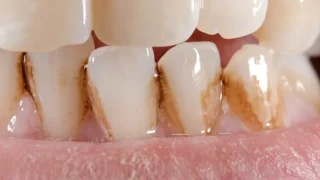
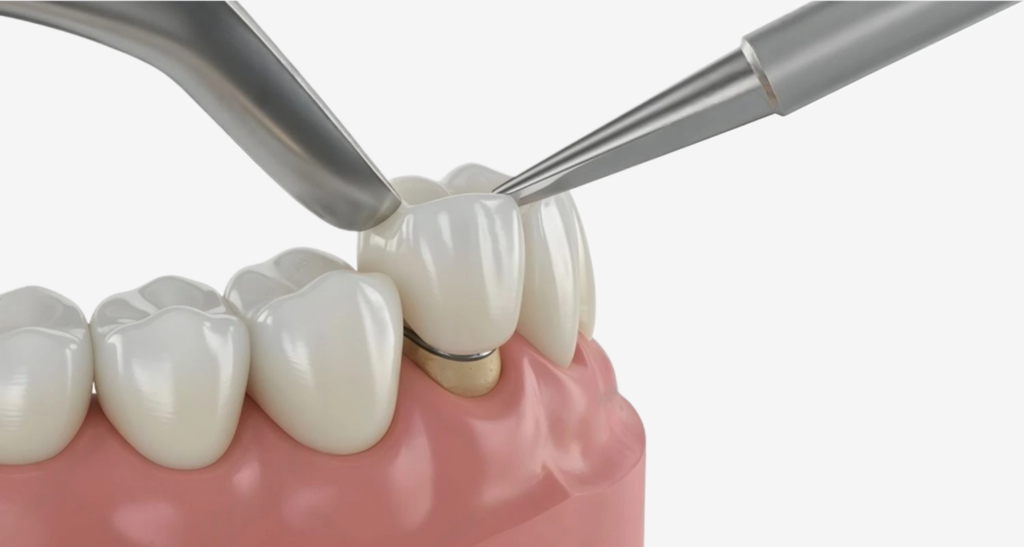
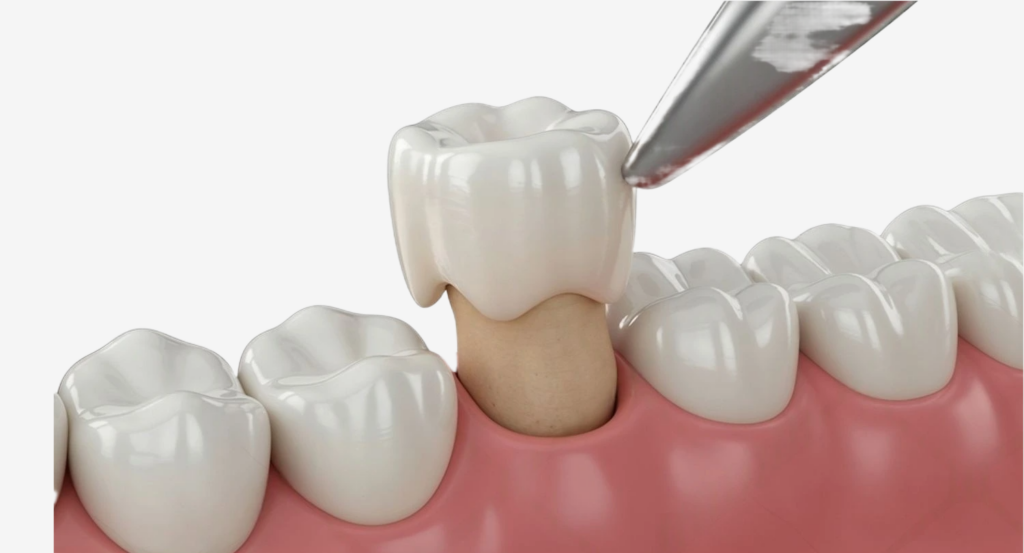
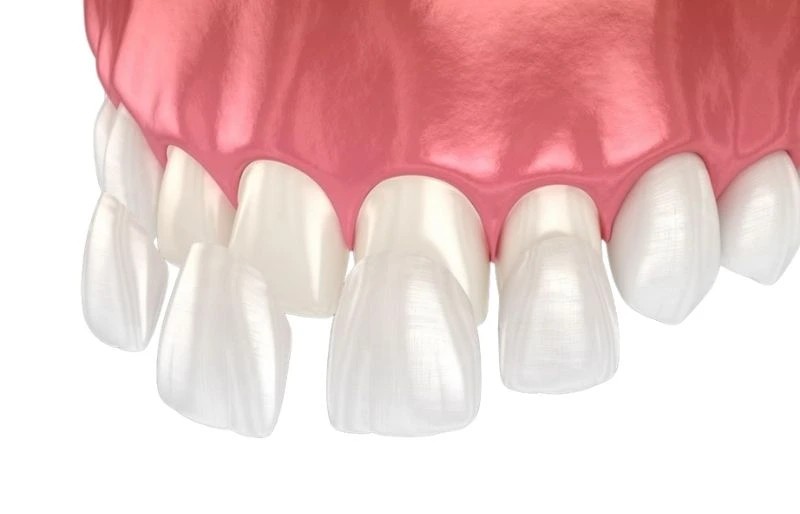
Dental veneers are thin materials applied to the front surface of teeth to enhance strength and improve aesthetics. These veneers may be chosen for various reasons: discoloration, chipped or cracked teeth, irregular alignment, or the need to renew old fillings.
Beyond aesthetics, dental veneers also help protect tooth structure and, in some cases, reduce sensitivity. For example, teeth with worn enamel can benefit from veneers both functionally and aesthetically. Research shows that well-applied veneers are long-lasting and closely resemble natural teeth.
Porcelain Dental Veneers
Porcelain veneers are one of the most commonly used types of dental veneers. They are known for their durability and natural tooth color matching. Porcelain veneers are custom-made in a laboratory and usually cannot be applied in a single visit.
Advantages include high aesthetic quality, stain resistance, and long lifespan. Disadvantages may include higher costs compared to other veneer types and longer treatment time. The average cost of porcelain veneers varies depending on the number of teeth and the type of porcelain used. For further details, you can refer to the American Dental Association.
Composite Dental Veneers
Composite veneers are made from resin-based materials and can be applied directly to the tooth surface. Therefore, their application time is shorter compared to porcelain veneers. Composite dental veneers are ideal for minor aesthetic corrections.
Advantages include lower cost, minimal tooth intervention, and quick application. Disadvantages include potential color change over time and a shorter lifespan. They are especially suitable for front teeth where high aesthetic appeal is desired.
Zirconia Dental Veneers
Zirconia veneers are known for their strength and durability. Compared to metal-supported porcelain veneers, they are lighter and biocompatible, making them a preferred choice in modern dental aesthetics. Dental veneers made from zirconia are ideal for those seeking a combination of strength and natural appearance.
Advantages of zirconia veneers include high fracture resistance, natural tooth color matching, and long-lasting use. A disadvantage is their relatively higher cost, similar to porcelain veneers. Prices vary depending on the number of teeth and production technology. For more scientific explanations, you can check Journal of Prosthodontics.
Factors Affecting the Cost of Dental Veneers
Several factors influence the cost of dental veneers. The type of material used directly affects the price, with porcelain and zirconia veneers generally more expensive than composite veneers. The number of teeth to be veneered, laboratory processes, and the experience of the dentist also play a role.
Additional treatments can increase the cost. For instance, periodontal treatments, root canal therapy, or tooth extraction may affect the total price. Therefore, all procedures should be considered when planning veneers.
Longevity and Care for Dental Veneers
The lifespan of veneers depends on the material used and care habits. Porcelain and zirconia veneers typically last 10–15 years, while composite veneers last 5–7 years. Regular dental cleaning and proper dietary habits extend their durability.
Proper maintenance, including brushing and flossing, is critical. Avoiding overly hard foods and attending routine dental check-ups help preserve the aesthetic and functional integrity of veneers.
Which Dental Veneer Is Right for You?
Choosing a veneer depends on aesthetic expectations, budget, and oral health. People concerned about front teeth aesthetics usually prefer porcelain or zirconia veneers, while those seeking a quick and cost-effective solution may opt for composite veneers.
A suitable choice ensures a long-lasting, natural-looking smile. Dentist recommendations and personal priorities are important in making the decision.