Wisdom tooth extraction is one of the most common dental procedures experienced by young adults. While many associate oral health with just straight, white teeth, wisdom teeth can quietly impact your dental comfort and overall oral health.
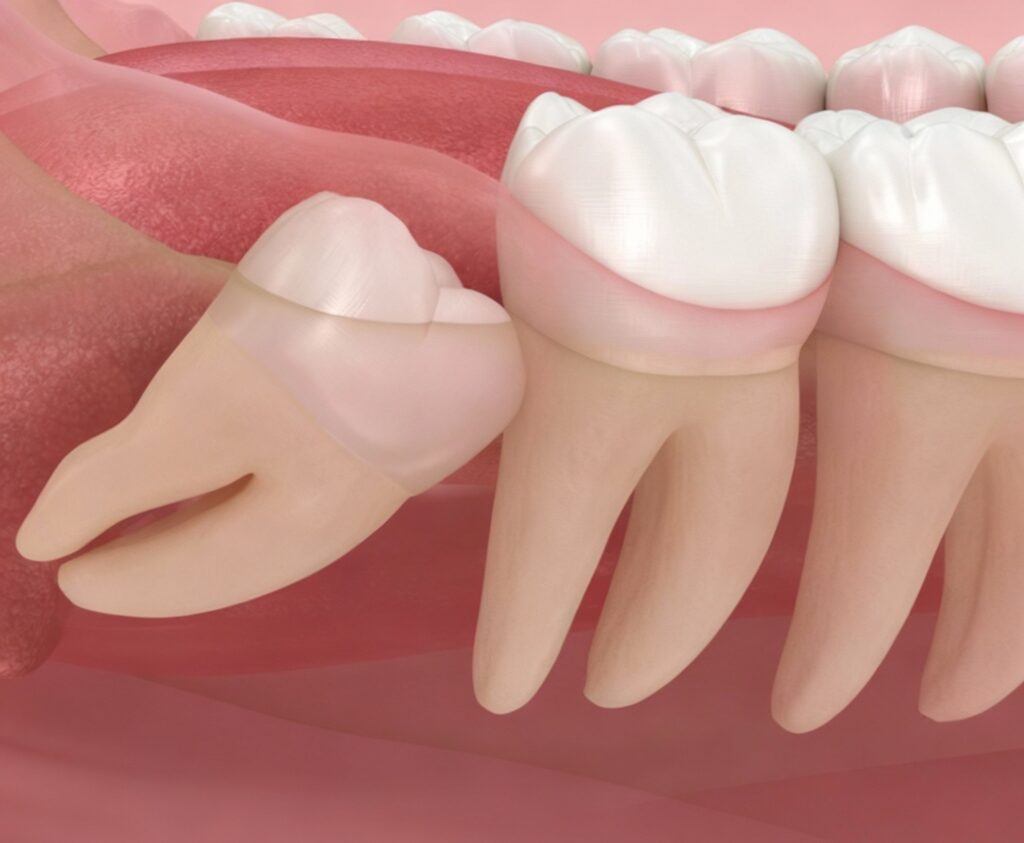
What is Wisdom Tooth Extraction and When is it Necessary?
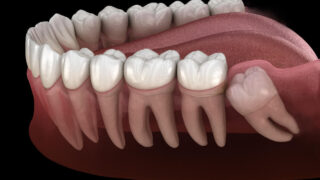
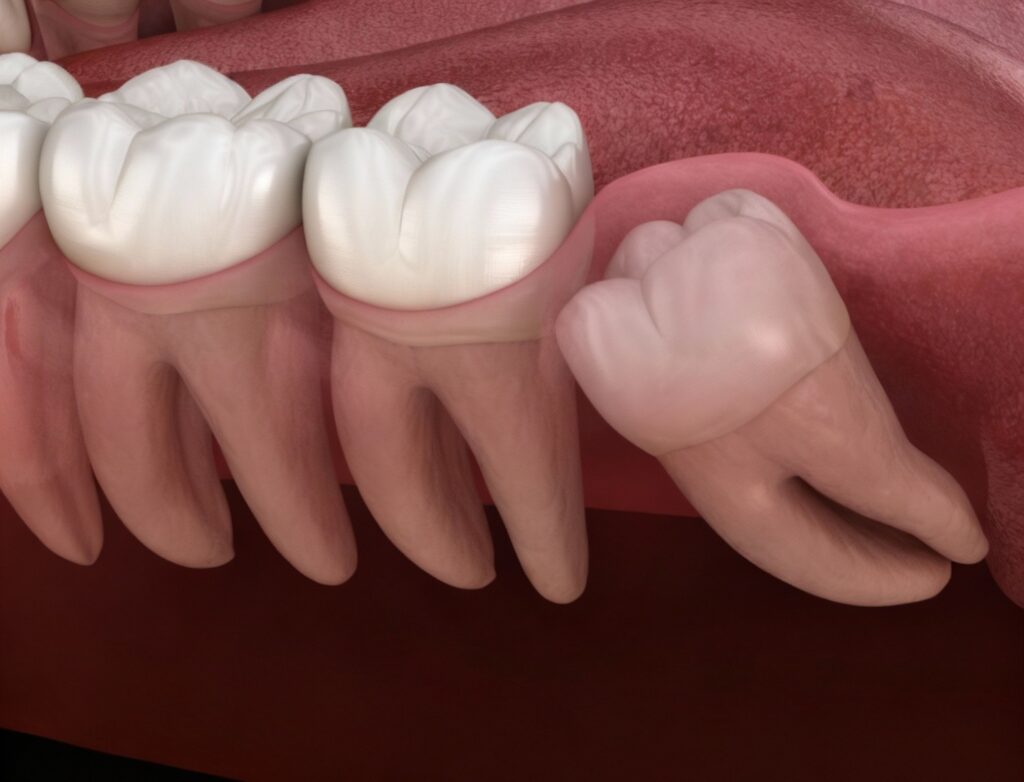
A wisdom tooth extraction is typically recommended when teeth are impacted, growing at an incorrect angle, or do not fit properly within the jaw. These third molars usually erupt between the ages of 17 and 25, and often cause issues when there isn’t enough space in the jaw.
Studies show that impacted or misaligned wisdom teeth can place pressure on neighboring teeth, cause gum infections, and sometimes contribute to jaw discomfort or headaches. Dentists determine the need for extraction through thorough examination, panoramic X-rays, and evaluation of your jaw and dental structure. In some cases, early extraction is recommended to prevent long-term complications, making timely dental visits essential.
Pre-Extraction Preparations for Wisdom Tooth Removal
Proper preparation can make the procedure and recovery much smoother. Before extraction, it’s important to assess overall oral health and consider personal medical history.
- Dental X-rays: Help identify the position, root structure, and proximity to nerves.
- Medical History Review: Patients should inform the dentist about chronic conditions, blood disorders, or current medications.
- Medication Adjustments: Anti-inflammatory drugs or blood thinners may need temporary adjustments before the procedure.
Careful preparation not only increases the safety of the extraction but also accelerates the healing process, ensuring a more comfortable experience.
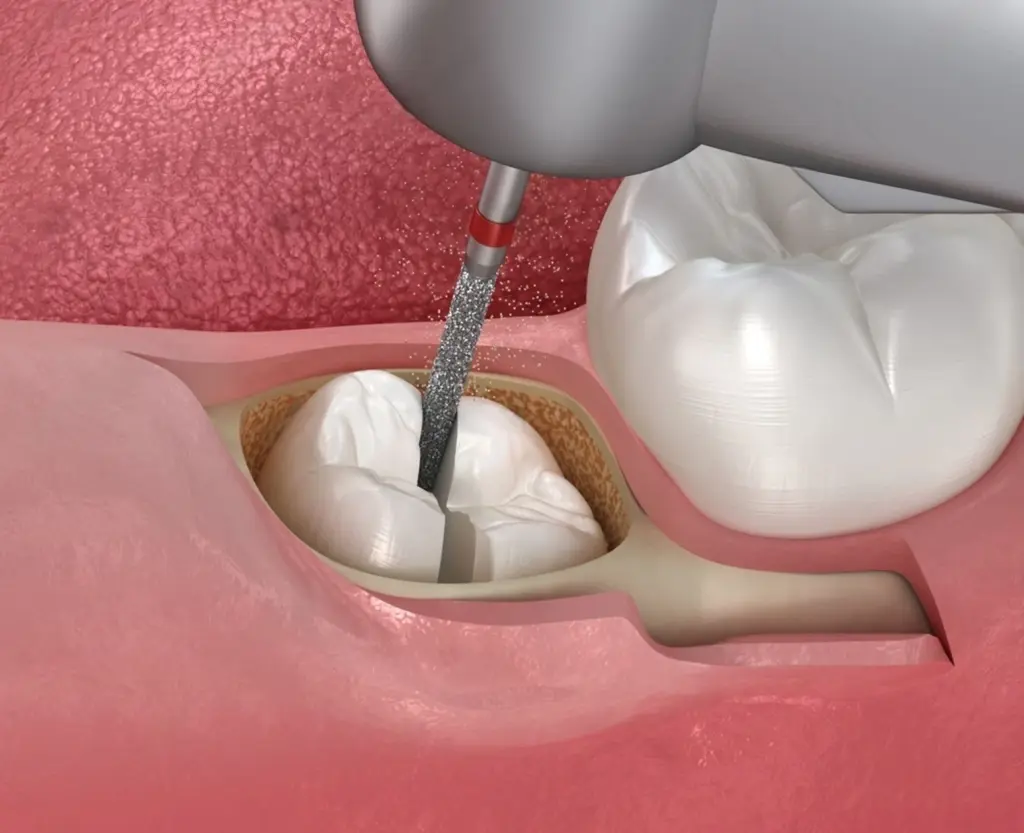
What Happens During and Immediately After the Extraction?
During a wisdom tooth extraction, local anesthesia is administered, ensuring the procedure is virtually painless. The extraction time can range from 20 minutes to over an hour, depending on whether the tooth is impacted or fully erupted.
Immediately after the procedure, mild bleeding and discomfort in the extraction area are normal. Dentists typically recommend:
- Applying gentle pressure with a gauze pad to control bleeding
- Using cold compresses to reduce swelling
- Consuming soft, lukewarm foods and avoiding hot meals for the first day
Following these simple steps reduces the risk of complications and supports the early healing phase.
Recovery Process After Wisdom Tooth Extraction
The recovery period varies depending on the individual and the complexity of the extraction. Generally, mild pain and swelling continue for the first three days. Protecting the blood clot in the extraction site is crucial for proper healing.
Research highlights that dislodging this clot can lead to a painful condition called “dry socket.” Smoking, vigorous rinsing, or eating hard foods during the early days can disrupt healing. Most patients experience significant recovery within 7 to 14 days, although complete healing may take up to three weeks for complex cases.
Practical Tips to Speed Up Healing
After a wisdom tooth extraction, making small adjustments in your daily routine can support faster recovery:
- Gentle Brushing: Use a soft-bristled brush and avoid the extraction site
- Saltwater Rinse: Start rinsing gently with warm saltwater after 24 hours to reduce bacteria
- Soft Diet: Prefer mashed foods, soups, and soft meals
- Rest and Limit Activity: Avoid intense physical activity that may disrupt healing
These practical tips reduce infection risk and support a more comfortable recovery, allowing you to resume normal activities sooner.
Impacted Wisdom Teeth and Potential Complications
Some wisdom teeth remain completely or partially impacted, meaning they are trapped in the jawbone or grow at an angle. This makes extraction more complex and may prolong recovery.
Possible complications include:
- Pain and swelling
- Temporary jaw stiffness
- Infection or dislodged blood clot
- Rare nerve injury
Dentists employ specialized techniques to minimize these risks in impacted tooth extractions. Post-operative monitoring ensures any complications are detected early, making follow-up visits crucial.
Long-Term Effects and Importance of Wisdom Teeth
In some cases, removing wisdom teeth helps preserve long-term oral health. While they may not always cause immediate problems, they can contribute to gum diseases, teeth misalignment, or jaw issues later in life.
Regular dental check-ups help determine whether extraction is necessary and assess the condition of the jaw and teeth. Maintaining proper oral hygiene after extraction is equally important to prevent infections and support healing in the extraction area.
Wisdom tooth extraction is a common procedure for young adults, and with proper preparation, knowledge, and follow-up, the process can be managed comfortably. Awareness of the pre- and post-extraction phases, combined with practical care tips, significantly reduces risks and ensures long-term oral health. Livera Clinic prioritizes patient comfort, safety, and evidence-based guidance in all dental procedures.