The Dental Implant treatment process has become one of the most reliable and widely discussed solutions in modern dentistry for replacing missing teeth. At Livera Clinic, this process is approached with precision, personalization, and a strong focus on long-term oral health outcomes. Understanding how a Dental Implant works step by step can help patients feel more informed, confident, and prepared for what lies ahead.
Dental implants are not simply cosmetic solutions. They are complex, biologically integrated systems designed to mimic natural tooth roots and restore both function and aesthetics.
Initial Consultation for Dental Implant Planning
The journey of a Dental Implant begins with a comprehensive consultation. This stage is not just a routine checkup but a detailed diagnostic process where dental professionals assess oral health, bone density, and overall suitability for implant treatment.
During this phase, advanced imaging techniques such as 3D scans and digital X-rays are often utilized. These tools allow clinicians at Livera Clinic to evaluate bone structure and identify the most optimal placement for the Dental Implant. Each patient’s anatomy is unique, and precise planning plays a crucial role in long-term success.
In addition to physical examination, medical history is carefully reviewed. Factors such as systemic health conditions, medications, and lifestyle habits may influence how the body responds to a Dental Implant. This holistic approach ensures that the treatment plan is tailored rather than standardized.
Bone Preparation and Pre-Implant Procedures
Before placing a Dental Implant, the jawbone must be strong and dense enough to support it. In cases where bone volume is insufficient, preparatory procedures may be recommended.
Bone grafting is one of the most common techniques used to enhance bone structure. This process involves adding bone material to areas where natural bone has deteriorated. Over time, the graft integrates with the existing bone, creating a stable foundation for the future Dental Implant.
Another possible step is sinus lifting, particularly for implants in the upper jaw. This procedure gently elevates the sinus membrane to create space for bone development. These preparatory stages may extend the timeline but significantly improve the success rate of a Dental Implant.
Surgical Placement of Dental Implant
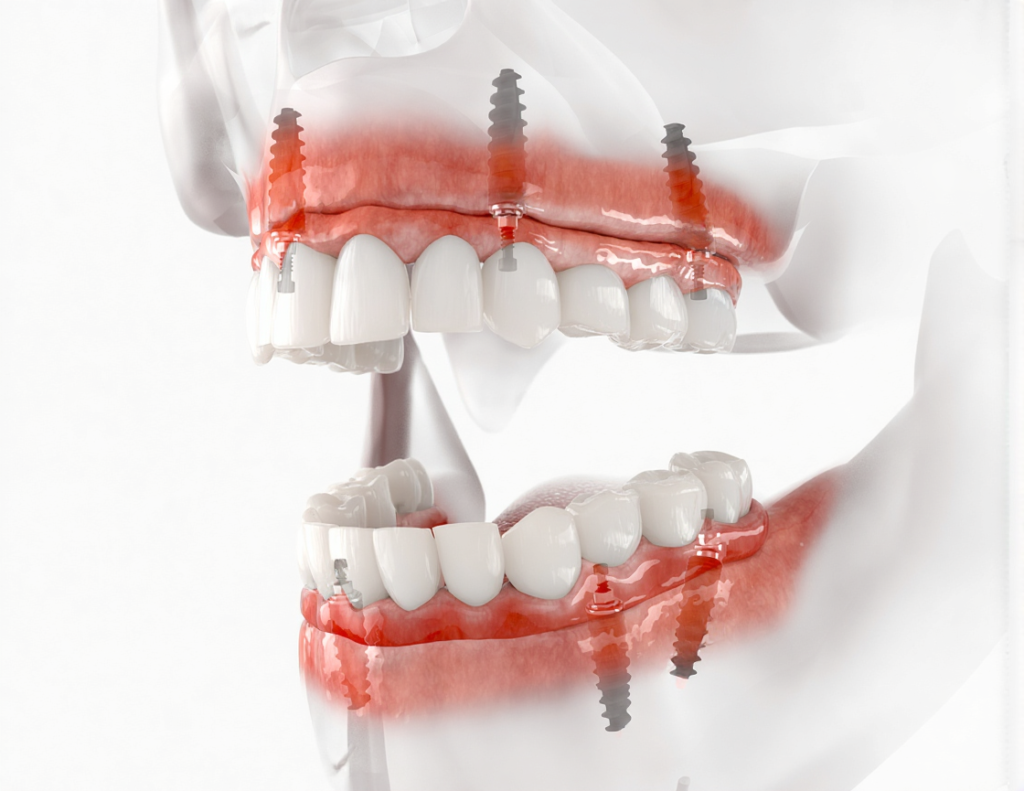
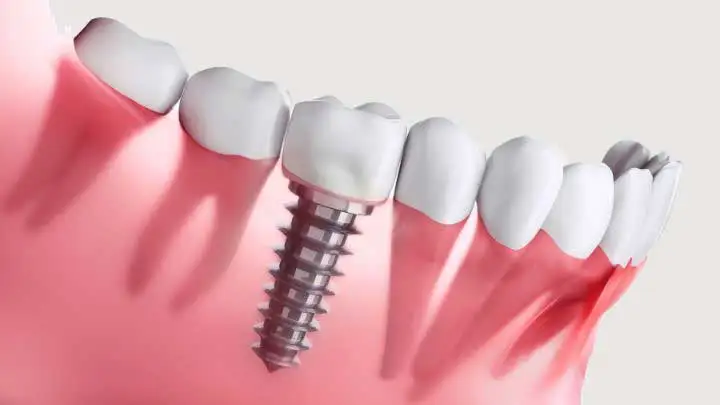
The surgical placement is the core stage of the Dental Implant process. This procedure involves inserting a titanium post into the jawbone, which acts as an artificial tooth root.
The surgery is typically performed under local anesthesia, ensuring patient comfort. The implant is carefully positioned according to the pre-planned coordinates, maximizing stability and alignment. Precision at this stage directly impacts how well the Dental Implant integrates with the bone.
Following placement, the implant is left undisturbed to allow healing. A temporary crown may sometimes be placed, depending on the case. The focus during this phase is not aesthetics but biological integration.
Osseointegration and Healing Phase
One of the most fascinating aspects of a Dental Implant is the process known as osseointegration. This is where the titanium implant gradually fuses with the surrounding bone tissue.
Osseointegration can take several weeks to months, depending on individual healing capacity. During this time, the implant becomes a permanent part of the jaw, providing a strong and durable foundation. This biological bond is what distinguishes a Dental Implant from other tooth replacement options.
Patients are usually advised to follow specific care routines during this phase. While discomfort is generally minimal, maintaining oral hygiene is essential to support the healing process and avoid complications.
Abutment Placement and Restoration Preparation
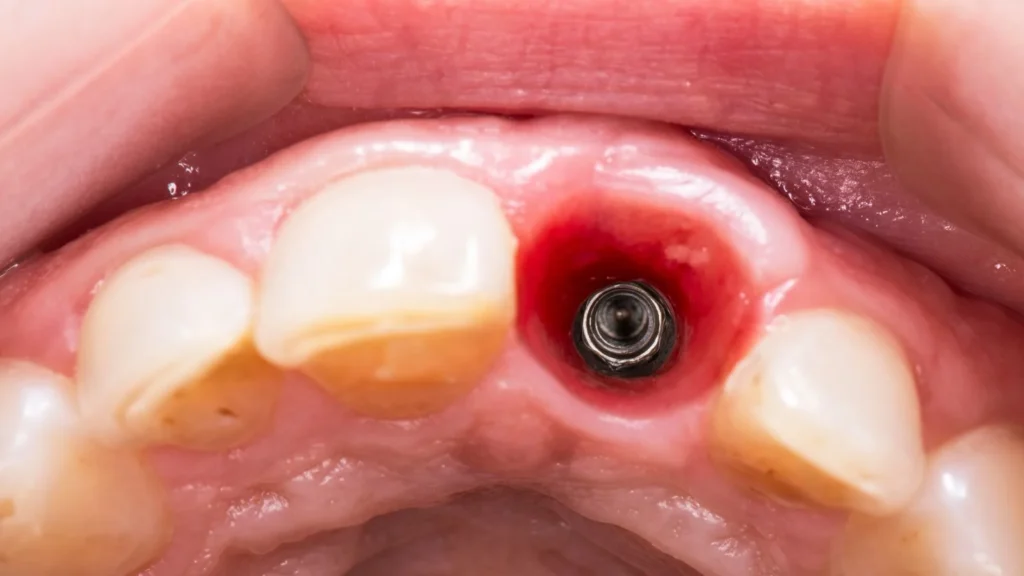
Once osseointegration is complete, the next step involves placing an abutment. This small connector piece links the Dental Implant to the final crown.
The procedure for abutment placement is relatively minor compared to the initial surgery. After attaching the abutment, the gum tissue is allowed to heal around it, shaping a natural contour for the future prosthetic tooth.
Impressions are then taken to design the final crown. At Livera Clinic, digital technologies are often used to ensure that the crown matches the patient’s natural teeth in shape, size, and color. This customization enhances both function and aesthetics of the Dental Implant.
Final Crown Placement in Dental Implant Treatment
The final stage of the Dental Implant process is the placement of the custom-made crown. This is the visible part that restores the appearance and function of a natural tooth.
The crown is securely attached to the abutment, completing the restoration. At this point, the Dental Implant functions much like a natural tooth, allowing normal chewing, speaking, and smiling.
What makes this stage particularly rewarding is the transformation it brings. Patients often report improved confidence and comfort, as the Dental Implant blends seamlessly with their natural dentition.
Long-Term Maintenance of Dental Implant
Although a Dental Implant is designed to be durable, its longevity depends on proper maintenance. Regular dental checkups and consistent oral hygiene play a vital role.
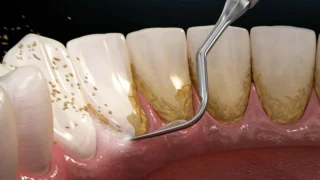
Unlike natural teeth, implants are not susceptible to decay. However, surrounding tissues can still be affected by conditions such as peri-implantitis. This highlights the importance of brushing, flossing, and professional cleaning.
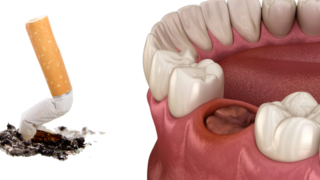
Lifestyle factors also contribute to the lifespan of a Dental Implant. Habits such as smoking or poor dietary choices may influence long-term outcomes. With proper care, many implants remain functional for decades.
Timeline Overview of Dental Implant Process
Below is a simplified overview of the typical Dental Implant timeline:
| Stage | Estimated Duration |
| Consultation & Planning | 1 to 2 weeks |
| Bone Grafting (if needed) | 2 to 6 months |
| Implant Placement | 1 day |
| Osseointegration | 2 to 4 months |
| Abutment & Crown Placement | 2 to 3 weeks |
This timeline may vary depending on individual cases, but it provides a general framework for understanding how a Dental Implant progresses.
The Dental Implant treatment process is a carefully structured journey that combines science, technology, and personalized care. From initial evaluation to final restoration, each step serves a distinct purpose in ensuring both functional success and aesthetic harmony.
At Livera Clinic, the approach to Dental Implant treatments reflects a balance between innovation and patient-centered care. By understanding each phase, patients can approach the process with clarity and realistic expectations.
While outcomes may vary, the overall framework of a Dental Implant procedure demonstrates why it continues to be a preferred solution in modern dentistry. It is not just about replacing a tooth, but about restoring confidence, comfort, and quality of life.