Sensitive Teeth can make even a sip of cold water feel dramatic, so the idea of whitening treatments may sound more like a dare than a cosmetic choice. Yet modern dentistry has changed that equation. Today, people with Sensitive Teeth are no longer automatically excluded from brighter-smile options. What matters is understanding why sensitivity happens, how whitening agents interact with enamel and dentin, and which methods tend to be better tolerated.
A whiter smile is often associated with freshness, youth, and confidence, but comfort should never be treated as a side note. Tooth sensitivity is not rare, and it does not always reflect poor oral care. Enamel thickness, gum recession, past dental work, acidic diets, tooth grinding, and even naturally exposed dentinal tubules can all play a role. That is why whitening for people with Sensitive Teeth deserves a more careful, evidence-informed conversation rather than a one-size-fits-all promise.
At Livera Clinic, the focus is not simply on aesthetic results but on matching the method to the person. Whitening can be approached in different ways, from in-office treatments to lower-concentration home systems. The best option often depends on the type of discoloration, the baseline sensitivity level, and how the teeth respond over time. Science offers useful guidance here, but so does a realistic understanding of comfort, expectations, and oral anatomy.
Understanding Sensitive Teeth Before Whitening
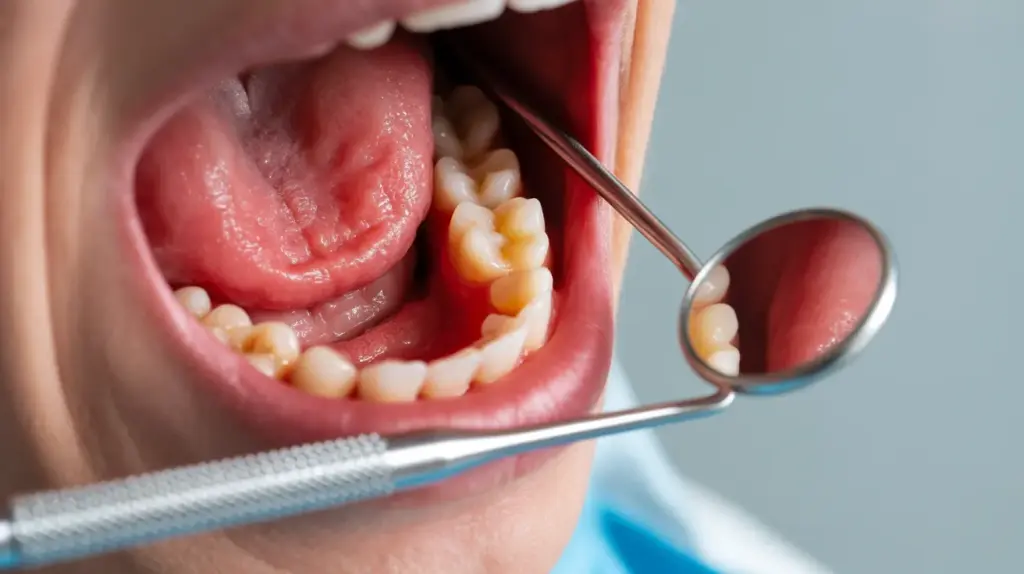
Sensitive Teeth usually react when external stimuli such as cold, heat, sweetness, or air reach the inner structures of the tooth. In simple terms, the protective barriers may be thinner or more exposed than ideal. When enamel wears down or gums recede, microscopic channels in dentin can become more vulnerable. These channels lead toward the pulp, where nerves are located, which helps explain why sensations can feel sharp and immediate.
Whitening products typically use peroxide-based ingredients, such as hydrogen peroxide or carbamide peroxide, to break down stain molecules. This chemistry is effective, but it may temporarily increase fluid movement within dentinal tubules. That is one reason whitening can feel more intense for individuals with dental sensitivity. It does not mean whitening is impossible; it means the treatment plan may need to be gentler, slower, or more carefully staged.
Not every case of sensitivity looks the same. Some people experience brief discomfort only with icy drinks. Others notice lingering sensitivity after brushing or during seasonal weather changes. These variations matter because whitening tolerance often depends on the starting condition of the teeth. A person with mild episodic sensitivity may respond very differently from someone with exposed root surfaces or recent enamel erosion.
This is where clinical judgment becomes important. Before discussing whitening shades or timelines, it helps to consider the likely source of sensitivity. In many cases, the conversation is less about whether whitening can be done and more about which route is most compatible with Sensitive Teeth and how to reduce unwanted reactions along the way.
Why Sensitive Teeth React to Whitening Treatments
The short answer is chemistry and structure. Whitening ingredients release oxygen molecules that penetrate the enamel and interact with pigmented compounds inside the tooth. This process can be very effective for discoloration, especially stains linked to coffee, tea, red wine, tobacco, or aging. But in people with Sensitive Teeth, those same pathways may also trigger a temporary sensory response.
Research in restorative and cosmetic dentistry has often noted that post-whitening sensitivity is one of the most common side effects of bleaching treatments. The exact intensity varies widely. Concentration level, tray fit, treatment duration, enamel condition, and pre-existing sensitivity all influence the experience. In-office systems may act faster, while at-home systems may involve longer use with lower concentrations. Neither is automatically better for everyone.
A useful way to think about it is this: whitening does not “create” Sensitive Teeth out of nowhere in most cases, but it can make underlying vulnerability more noticeable for a short period. The sensation is often transient, though the degree of discomfort differs from person to person. Some describe it as zingers, others as a dull ache, and many report only mild awareness.
Another important factor is dehydration. Certain whitening procedures can temporarily alter moisture balance in enamel, which may make the teeth look extra bright at first and feel more reactive for a period. This effect is not always discussed enough, yet it helps explain why comfort and final shade should be judged thoughtfully rather than in a rush.
Sensitive Teeth and the Main Types of Whitening Treatments
When discussing whitening for Sensitive Teeth, it helps to compare methods rather than speaking in broad generalities. Different treatment categories may suit different tolerance levels, stain patterns, and schedules.
| Whitening Method | Typical Setting | Relative Strength | Potential Comfort Level for Sensitive Teeth | Notes |
| In-office whitening | Dental clinic | Higher | Moderate to variable | Fast results, often supervised closely |
| Custom take-home trays | Dentist-guided home use | Low to moderate | Often better tolerated | Can be adjusted over time |
| Over-the-counter strips | Home | Low to moderate | Variable | One-size-fits-all fit may affect comfort |
| Whitening toothpaste | Daily home care | Low | Usually gentler | Mostly helps surface stains |
| Whitening pens/gels | Home | Low | Variable | Precision may help, but consistency differs |
In-office whitening is often chosen by people who want quicker visible change. For some individuals with Sensitive Teeth, professional supervision is reassuring because protective measures may be used and the treatment can be modified in real time. However, higher-concentration formulas may not always be the gentlest path, especially if someone already reacts strongly to temperature or touch.
Custom take-home trays are frequently discussed as a more flexible option. Because the peroxide concentration can be lower and the duration can be spread across days or weeks, this approach may be easier for some sensitivity-prone patients to tolerate. The custom fit also matters. Better tray adaptation can reduce gel overflow onto gums, which may improve overall comfort.
Over-the-counter products are popular for convenience, but convenience does not guarantee suitability. Many products are designed for the average consumer, not specifically for Sensitive Teeth. A poor fit, uneven contact, or overuse can lead to a less predictable experience. Whitening toothpaste tends to be gentler but usually works more on external stains than deeper intrinsic discoloration.
How Dentists Evaluate Whitening for Sensitive Teeth
A thoughtful whitening plan begins with diagnosis, not product selection. Discoloration may come from surface staining, age-related yellowing, medication-related changes, trauma, fluorosis, or existing dental restorations. These causes do not respond identically to whitening, and that difference is especially important for people with Sensitive Teeth, because a mismatch between stain type and treatment method can increase frustration without improving comfort.
Dentists also look at enamel wear, gum recession, cracks, untreated cavities, leaking fillings, and signs of grinding. These factors can influence how whitening is perceived. For example, a person with recessed gums may have root exposure that reacts strongly to bleaching agents or to normal daily stimuli. In such a case, sensitivity is not merely a side note; it is central to treatment planning.
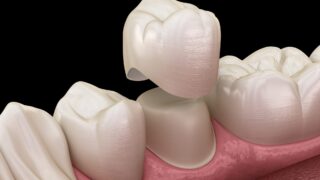
Another often overlooked detail is the presence of restorations. Fillings, crowns, veneers, and bonding do not whiten in the same way natural enamel does. If the visible smile zone contains multiple restorations, the aesthetic outcome may be uneven even if the treatment itself is tolerated. For someone with Sensitive Teeth, this means comfort and color harmony may both need to be considered before any whitening begins.
Clinical evaluation can also shape timing. Whitening immediately after certain dental procedures may not be ideal, while spacing treatment thoughtfully may improve the overall experience. This type of pacing may not sound glamorous, but it reflects the difference between cosmetic dentistry as a quick trend and aesthetic care as a tailored process.
Best-Studied Approaches for Sensitive Teeth
The phrase “best” in dentistry usually depends on context. For Sensitive Teeth, the most studied and commonly discussed strategies often include lower peroxide concentrations, shorter application periods, custom trays, and products that include desensitizing ingredients such as potassium nitrate or fluoride. These ingredients are not magic shields, but they are often part of a comfort-focused protocol.
Some studies have suggested that whitening products formulated with desensitizing compounds may reduce the intensity of treatment-related sensitivity in certain users. The mechanism may involve calming nerve response or helping to support remineralization at the enamel surface. Results vary, of course, but the concept is widely recognized in preventive and cosmetic dentistry literature.
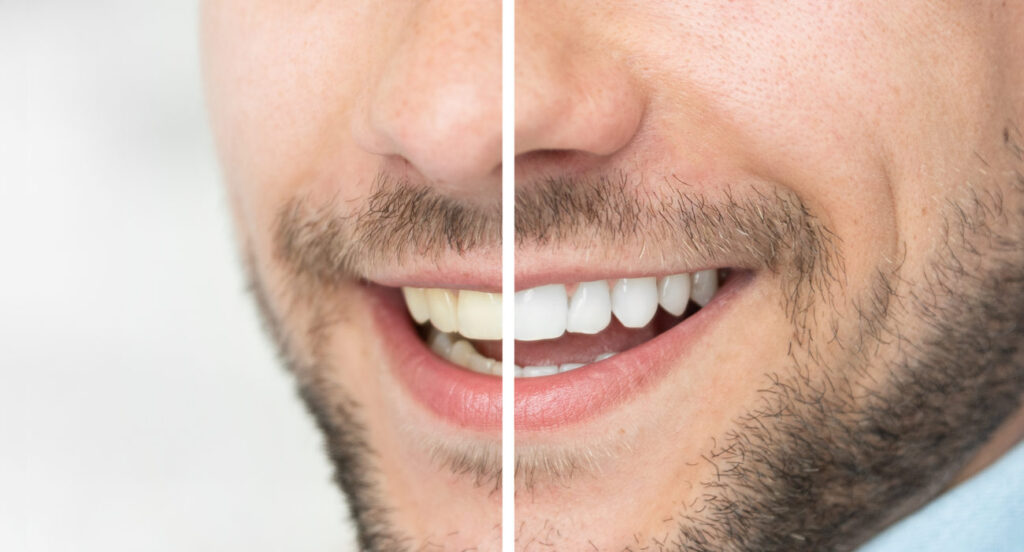
Another commonly referenced strategy is alternating treatment days rather than whitening continuously. This may allow the teeth to recover between applications. For people with Sensitive Teeth, a slower schedule can sometimes be more realistic than an aggressive one. A bright smile gained in a controlled, tolerable way may be preferable to a faster result that feels unpleasant.
Light-activated whitening is often marketed dramatically, but the scientific discussion around lights and lasers is more nuanced. Some systems may enhance the process, while others may add cost or complexity without universally changing long-term outcomes. For sensitivity-prone patients, the practical issue is not the marketing appeal of a lamp but whether the treatment is calibrated to the biology of the tooth.
Ingredients and Product Features That Matter for Sensitive Teeth
Not all whitening formulas are built alike. For people with Sensitive Teeth, reading the label becomes more than a cosmetic habit. Hydrogen peroxide works quickly and is common in in-office systems. Carbamide peroxide breaks down into hydrogen peroxide and urea and is often used in take-home products. The concentration and contact time together shape the experience.
Products that contain potassium nitrate are often marketed for sensitive smiles because this ingredient is associated with reducing nerve excitability. Fluoride may also be included to support enamel resistance and help lower reactivity. Some formulations include amorphous calcium phosphate or similar mineral-supporting compounds, which are often discussed in relation to post-treatment comfort.
Here are some product features that may be relevant when choosing whitening for Sensitive Teeth:
- Lower peroxide concentration
- Shorter wear time
- Custom-fit delivery system
- Added desensitizing agents
- Clear instructions on frequency
- Compatibility with existing dental restorations
The fit of the product matters almost as much as the formula. A strip or tray that presses unevenly, leaks gel, or contacts irritated gums can make the whole process feel harsher. This is one reason professional guidance often adds value. It is not simply about stronger products; it is about better control.
Lifestyle Factors That Affect Sensitive Teeth During Whitening
Whitening does not happen in isolation. Daily habits can influence both color stability and the way Sensitive Teeth feel during treatment. Acidic drinks, frequent snacking, aggressive brushing, and tobacco use may affect enamel surfaces and stain accumulation. None of these factors alone tells the whole story, but together they shape the environment in which whitening occurs.
Temperature extremes also matter. During whitening periods, some people with Sensitive Teeth become more aware of icy drinks or very hot beverages. Others notice brushing feels different, especially if they use firm pressure or abrasive toothpaste. These details may seem small, yet they are often what determines whether a treatment feels manageable or irritating.
Another factor is timing. Whitening before a major event may sound practical, but rushing can be unhelpful if the teeth are already reactive. A more gradual approach often leaves more room to observe how the mouth responds. This is particularly relevant for sensitivity-prone individuals, because comfort patterns may emerge only after the first few applications.
Dietary pigments also influence maintenance. Coffee, tea, berries, soy sauce, curry, and red wine are common examples. That does not mean life must become flavorless for the sake of color. It simply means shade longevity is partly behavioral. Whitening is chemistry, but staining is chemistry too.
Building Realistic Expectations for Sensitive Teeth and Whitening Results
One of the most helpful things a patient can understand is that whitening outcomes are not identical for all smiles. Sensitive Teeth add another layer to this reality because comfort-focused protocols may intentionally be more gradual. A slower process is not necessarily a weaker one; it may simply be a smarter fit for the person.
Teeth also have a natural shade range. The goal is usually improvement, not artificial uniformity. Media images often flatten this distinction and make ultra-bright whiteness seem standard, when real enamel has depth, translucency, and variation. For people with Sensitive Teeth, chasing an unrealistic shade can increase the temptation to overdo treatment, which may not improve either comfort or appearance.
Some discoloration responds better than others. Yellow tones often improve more easily than gray or blue-based discoloration. Age-related darkening may lift partially, while stains linked to trauma or medication may behave unpredictably. Existing crowns or fillings may remain unchanged, which can affect visual harmony even when the natural teeth become brighter.
For these reasons, the most satisfying whitening experiences often come from informed expectations. People who understand the likely pace, limitations, and maintenance needs of whitening tend to evaluate the process more positively. In other words, a scientifically grounded expectation may be the most underrated cosmetic tool of all.
The Livera Clinic Approach to Whitening for Sensitive Teeth
At Livera Clinic, whitening for Sensitive Teeth is best understood as a personalized cosmetic consideration rather than a standard beauty service. The discussion begins with the health and structure of the teeth, the pattern of staining, and the person’s sensitivity history. This helps frame whitening as part of a broader oral picture, not just as a color change.
This approach reflects what current dental thinking increasingly supports: patient-specific planning. The same whitening system can feel easy for one person and intense for another. A careful assessment of enamel condition, gum position, prior restorations, and aesthetic goals can make the treatment path more coherent and more comfortable.
Livera Clinic also values clear communication around what whitening can and cannot do. That includes discussing why some smiles respond quickly, why others benefit from gradual protocols, and why a comfortable pace may be a meaningful part of the final result. Cosmetic dentistry becomes more credible when it respects biology rather than trying to overpower it.
In the end, whitening for Sensitive Teeth is less about finding the most dramatic method and more about finding the most appropriate one. A brighter smile should feel like an enhancement, not a struggle. When science, customization, and realistic expectations work together, the result is often more elegant, more sustainable, and far more satisfying.
Whitening and Sensitive Teeth can coexist, but they require a more thoughtful conversation than glossy product ads usually suggest. Sensitivity often reflects structural realities such as enamel wear, gum recession, exposed dentin, or previous dental history. Whitening works through well-known chemical mechanisms, yet those same mechanisms may be felt more strongly when teeth are already reactive.
That is why method, concentration, timing, fit, and formulation all matter. Lower-strength systems, custom trays, desensitizing ingredients, and gradual treatment schedules are often discussed as more suitable options for people with Sensitive Teeth. Just as importantly, realistic expectations and a proper clinical evaluation can shape both comfort and cosmetic satisfaction.
For anyone exploring whitening with sensitivity concerns, the most useful perspective is a balanced one. Brighter teeth are possible for many people, but the path should respect the biology of the smile. Livera Clinic approaches this topic with that principle in mind: aesthetic dentistry should not ignore comfort, and comfort should not exclude aesthetic possibilities.