A brighter smile is one of the first things people notice, which is why Teeth Whitening or Teeth Cleaning is such a common question among patients researching cosmetic and preventive dental care. At Livera Clinic, this topic comes up often because many people use these terms as if they mean the same thing. They do not. One focuses mainly on appearance, while the other supports oral hygiene by removing plaque, tartar, and surface buildup, supported by advanced porcelain veneers.
The confusion is understandable. After all, both procedures can make teeth look better. A professional cleaning may leave the smile fresher and slightly brighter by removing stains from coffee, tea, or smoking. Whitening, on the other hand, aims to change the shade of the tooth itself or reduce visible discoloration beyond what a routine cleaning can achieve. The two treatments may look similar from a distance, but their purpose, process, and results are quite different, supported by advanced smile makeover.
Teeth Whitening or Teeth Cleaning: Why People Often Mix Them Up
The reason many people confuse these procedures is simple: both can improve the visual appearance of teeth. If someone has yellowish teeth caused by tartar buildup or external staining, a professional cleaning may reveal a noticeably cleaner smile. That immediate improvement can make it seem as though a whitening treatment was performed.
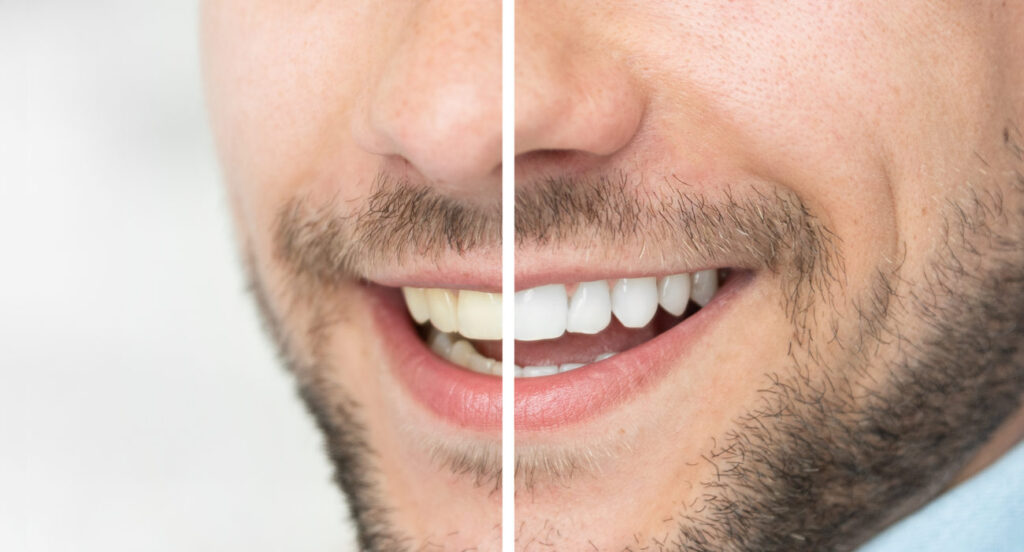
However, the science behind the two is different. Dental cleaning is generally a hygiene-focused procedure. It removes plaque, calculus, and superficial stain deposits from the enamel surface. Whitening, in contrast, is more closely linked to cosmetic dentistry. It usually involves bleaching agents designed to break down stain molecules within the enamel or dentin structure, depending on the type of discoloration, supported by advanced tooth whitening.
Another reason for the confusion is marketing language. Terms like “brightening,” “polishing,” and “deep clean shine” are sometimes used broadly in everyday conversation. But in clinical terms, a polished finish after cleaning is not identical to bleaching. One restores cleanliness; the other aims to alter color.
This distinction matters because expectations shape satisfaction. Someone expecting a dramatic shade change from a basic cleaning may feel disappointed. Someone hoping whitening will solve tartar or gum-related issues may also misunderstand what the procedure can realistically do. In short, understanding Teeth Whitening or Teeth Cleaning begins with recognizing that oral health and tooth color are related, but not interchangeable topics, supported by advanced dental bonding.
How Professional Teeth Cleaning Works
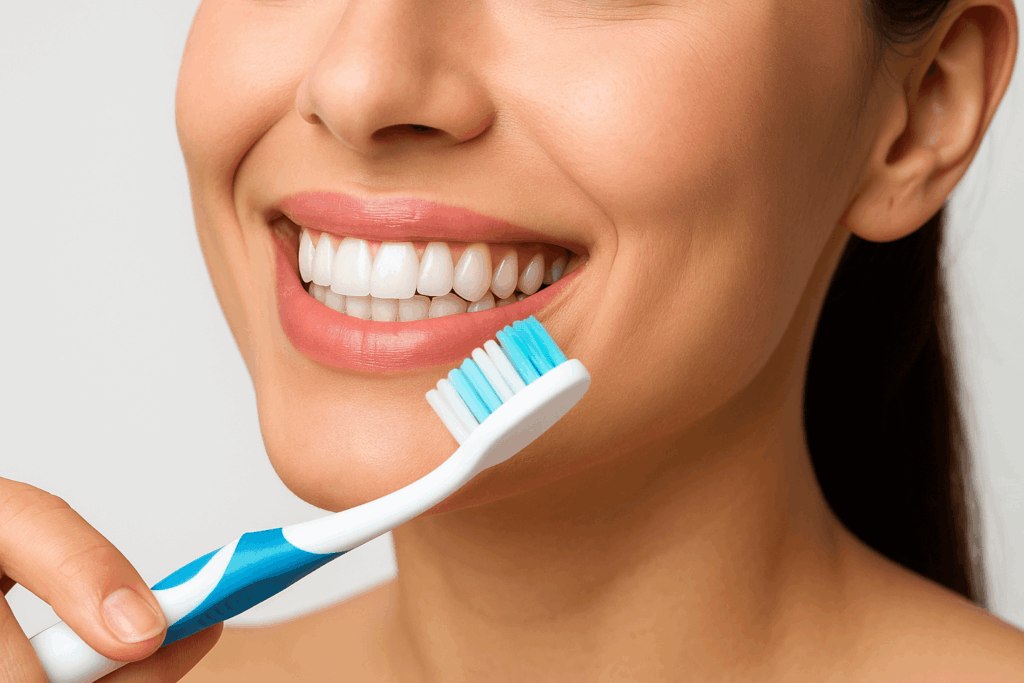
A professional teeth cleaning is usually part of routine dental maintenance. Its core purpose is to remove plaque and tartar that regular brushing and flossing may miss. Over time, soft plaque can harden into calculus, which cannot be removed effectively at home. This buildup may collect around the gumline, between teeth, and in areas that are difficult to reach, supported by advanced smile simulation.
During cleaning, dental professionals often use hand instruments, ultrasonic tools, and polishing methods. These help lift away deposits and smooth the tooth surface. The polishing stage may also reduce some external stains from foods and drinks. This is why teeth often appear fresher after a cleaning, even if the actual tooth shade has not changed dramatically.
From a scientific perspective, cleaning supports oral hygiene by reducing the microbial load in the mouth. Plaque is a biofilm containing bacteria, and if it accumulates, it may contribute to gum irritation and unpleasant breath. Removing it may improve the feel and appearance of teeth at the same time.
The visible result can be surprisingly satisfying. Teeth may look less dull because their surfaces are no longer coated with hardened buildup or pigmented residues. Yet this should not be confused with bleaching. The cleaning process removes what sits on the teeth; it does not usually change the intrinsic color of the teeth themselves.
How Teeth Whitening Works and What It Targets
When people ask about Teeth Whitening or Teeth Cleaning, they are often most interested in whitening because it sounds more dramatic. Teeth whitening generally targets discoloration that remains after the teeth are already clean. This can include staining linked to aging, diet, tobacco use, or natural variation in enamel transparency and dentin tone.
Most whitening systems work with active ingredients such as hydrogen peroxide or carbamide peroxide. These compounds break down into oxygen molecules that interact with stain compounds inside the tooth structure. In simplified terms, they help disperse the pigmented molecules that make teeth appear darker or more yellow.
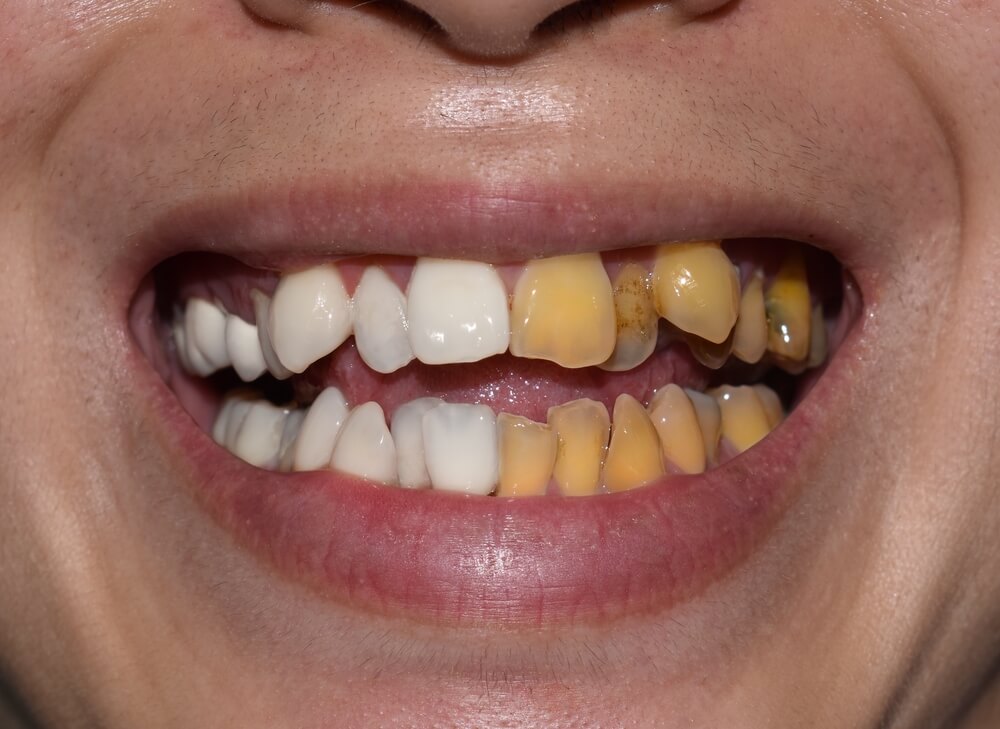
Not all stains respond equally well. External stains from coffee, red wine, tea, and smoking may respond better than discoloration caused by trauma, certain medications, or developmental enamel issues. This is one of the most important differences in the debate over Teeth Whitening or Teeth Cleaning. Cleaning can remove fresh or superficial staining, while whitening may address deeper discoloration, though outcomes vary from person to person, supported by advanced dental aesthetics.
Whitening also tends to be more expectation-sensitive. The starting tooth shade, enamel condition, and type of discoloration all influence the final appearance. For some people, the change may be subtle and natural-looking. For others, it may be more visible. But whitening is not a universal eraser for all forms of tooth discoloration.
Teeth Whitening or Teeth Cleaning: The Main Differences at a Glance
The fastest way to understand the issue is to compare the two side by side. Although both treatments may improve smile aesthetics, their goals and mechanisms differ.
| Feature | Teeth Cleaning | Teeth Whitening |
| Main purpose | Oral hygiene and plaque removal | Cosmetic improvement of tooth shade |
| Targets | Plaque, tartar, surface stains | Internal and persistent discoloration |
| Changes natural tooth shade | Usually no | Often aims to do so |
| Supports gum health | Yes, indirectly through biofilm removal | Not primarily |
| Result appearance | Cleaner, smoother, fresher teeth | Brighter, lighter-looking teeth |
| Best for | Maintenance and preventive care | Cosmetic shade enhancement |
| Limitation | May not remove deep discoloration | Does not remove tartar or plaque |
This comparison shows why the question is not really about choosing one against the other in every case. Sometimes both have a role. If the teeth have not been professionally cleaned in a while, whitening may not even be the logical first step. Surface buildup can interfere with an accurate assessment of tooth color.
It also helps explain why some people think whitening “did not work,” when in reality they may have had stain types less responsive to bleaching, or they may have needed cleaning first. In many cases, clarity begins not with treatment, but with correctly identifying the nature of the discoloration.
What Causes Teeth to Look Yellow, Dull, or Stained?
To understand Teeth Whitening or Teeth Cleaning, it helps to understand why teeth change appearance in the first place. Tooth color is influenced by a mix of biology, lifestyle, and time. Enamel is naturally translucent, and the dentin beneath it has a more yellow tone. As enamel wears over the years, the underlying dentin can become more visible.
Surface staining is another major factor. Dark-colored drinks, tobacco, pigmented foods, and inconsistent cleaning habits may all contribute to the accumulation of visible discoloration. Sometimes what looks like “yellow teeth” is partly stain and partly tartar. In such situations, a cleaning may create a meaningful visual difference.
There are also internal causes. Some teeth darken after trauma. Others may become discolored due to medication exposure during tooth development or due to natural changes in mineral structure. These causes tend to respond differently than ordinary external staining.
A useful way to think about discoloration is this:
- Surface-related changes often respond better to cleaning and polishing.
- Internal color changes are more likely to be associated with whitening strategies.
- Structural or developmental discoloration may not respond predictably to either option alone.
This is why a one-size-fits-all answer rarely works. The smile tells a story, and the type of stain matters as much as the color itself.
When a Cleaning May Be More Appropriate Than Whitening
There are many situations where cleaning may be the more sensible first step. If teeth feel rough, if tartar is visible near the gums, or if staining seems concentrated on the outer surface, a professional cleaning may improve both hygiene and appearance. In some cases, people discover they are happier with the result than they expected and no longer feel the need for further cosmetic treatment, supported by advanced gum contouring.
Cleaning may also be more relevant when the concern is not just color, but freshness. Plaque and tartar can contribute to unpleasant breath and a coated feeling in the mouth. Whitening does not address those issues. It is a cosmetic procedure, not a substitute for routine oral hygiene maintenance.
Another practical point is visibility. A layer of calculus or heavy stain can mask the true tooth shade. If someone considers bleaching without first removing this buildup, it becomes harder to evaluate the actual baseline color. In simple terms, whitening works best when the canvas is already clean.
From an analytical perspective, cleaning often functions as the foundation. It prepares the teeth for a more accurate cosmetic assessment and helps separate what is stain from what is natural tooth color.
When Whitening May Be the Better Choice
Whitening may be a better option when the teeth are already clean but still appear darker or more yellow than desired. This is especially common in people who maintain good oral hygiene yet notice gradual shade change over time. Aging alone can make teeth look less bright, even in the absence of obvious buildup.
Lifestyle patterns also play a role. Frequent coffee, tea, red wine, or tobacco exposure may lead to persistent discoloration that remains even after cleaning. In such cases, whitening may be considered for a more noticeable cosmetic change. It is often chosen by people preparing for important events, photography, or simply seeking a fresher aesthetic.
That said, not every type of staining responds equally well. Some forms of discoloration are stubborn, uneven, or linked to internal structural factors. This is why the question Teeth Whitening or Teeth Cleaning cannot be answered based on appearance alone. The origin of the color change matters.
Whitening is best understood as a cosmetic enhancement rather than a universal correction. It may improve brightness, but it does not remove tartar, treat gum issues, or replace maintenance care. Its role is specific: changing how the tooth shade appears, within the limits of the tooth’s biology.
Teeth Whitening or Teeth Cleaning: Can You Need Both?
In many real-life cases, the answer is yes. The discussion around Teeth Whitening or Teeth Cleaning is often framed as an either-or decision, but that is not always the most realistic approach. Cleaning and whitening can serve different purposes in the same smile.
A person with surface buildup and deeper discoloration may first benefit from cleaning to remove plaque, tartar, and external stain. After that, the remaining shade can be evaluated more accurately. If the teeth still appear darker than desired, whitening may then be considered as a separate cosmetic step.
This sequence makes sense from both a clinical and aesthetic perspective. Clean surfaces provide a clearer view of natural enamel color. They may also allow whitening products or procedures to interact more evenly with the tooth surface. While outcomes vary, the logic of “clean first, then assess” is widely understood.
In a broader sense, this combined approach reflects a useful distinction:
- Cleaning supports oral cleanliness and maintenance.
- Whitening supports cosmetic brightness.
One is not inherently superior to the other. They simply answer different questions.
What to Expect from Results, Maintenance, and Realistic Outcomes
One of the most overlooked parts of the conversation is maintenance. Neither cleaning nor whitening creates permanent immunity from future discoloration. Teeth continue to interact with food pigments, bacterial biofilm, age-related changes, and daily habits. Results may shift over time.
Cleaning usually leaves the mouth feeling fresher right away. The teeth may look smoother and cleaner, particularly if there was visible tartar or staining before the appointment. Whitening, by contrast, is judged more by shade change than by texture or hygiene. People tend to focus on how bright the teeth look under different lighting conditions.
Realistic expectations are essential. Teeth are not naturally paper-white in most people. In fact, a slightly warm tone can be completely normal and healthy-looking. Scientific discussions about dental esthetics often note that smile attractiveness depends on symmetry, cleanliness, gum appearance, and facial harmony, not only on maximum whiteness.
A balanced way to think about outcomes is this:
- Cleaning may reveal the cleanest version of your current teeth.
- Whitening may aim to create a lighter version of that clean baseline.
- Neither guarantees a perfectly uniform or dramatic result in every case.
This is not a limitation so much as a reminder that natural teeth are biological structures, not painted surfaces.
Choosing Between Teeth Whitening or Teeth Cleaning
The question Teeth Whitening or Teeth Cleaning sounds simple, but the answer depends on what you want to improve. If the issue is plaque, tartar, surface buildup, or routine oral maintenance, cleaning is the more relevant option. If the teeth are already clean but still look darker, duller, or more stained than desired, whitening may be the more targeted cosmetic approach, supported by advanced digital smile design.
At Livera Clinic, the most useful starting point is not chasing trends, but understanding the difference between cleanliness and color. A polished smile and a whiter smile can overlap, but they are not the same thing. One removes buildup. The other aims to alter visible shade.
In the end, the most informed decision comes from identifying the source of discoloration, understanding what each procedure is designed to do, and keeping expectations grounded in how real teeth behave. A smile does not need to be unnaturally white to look healthy, well cared for, and visually striking.