Losing a tooth often feels more serious than “just a gap in the smile.” It can change the way you chew, speak, and even how you feel in social situations. This is where a Dental Bridge can become an attractive option. Instead of leaving an empty space, a bridge is designed to fill that gap with a natural‑looking replacement tooth, supported by neighboring teeth or implants. At Livera Clinic, many patients explore bridges as a way to restore both function and confidence without committing to more invasive surgical procedures.
A Dental Bridge is usually chosen by people who want a fixed, stable restoration that doesn’t need to be removed at night like a traditional denture. While it may sound technical, the idea is fairly simple: a bridge “bridges” the space created by one or more missing teeth. Understanding how it works, the variations available, and what the application process involves can make the decision feel far less intimidating and much more strategic.
What Is a Dental Bridge and How Does It Work?
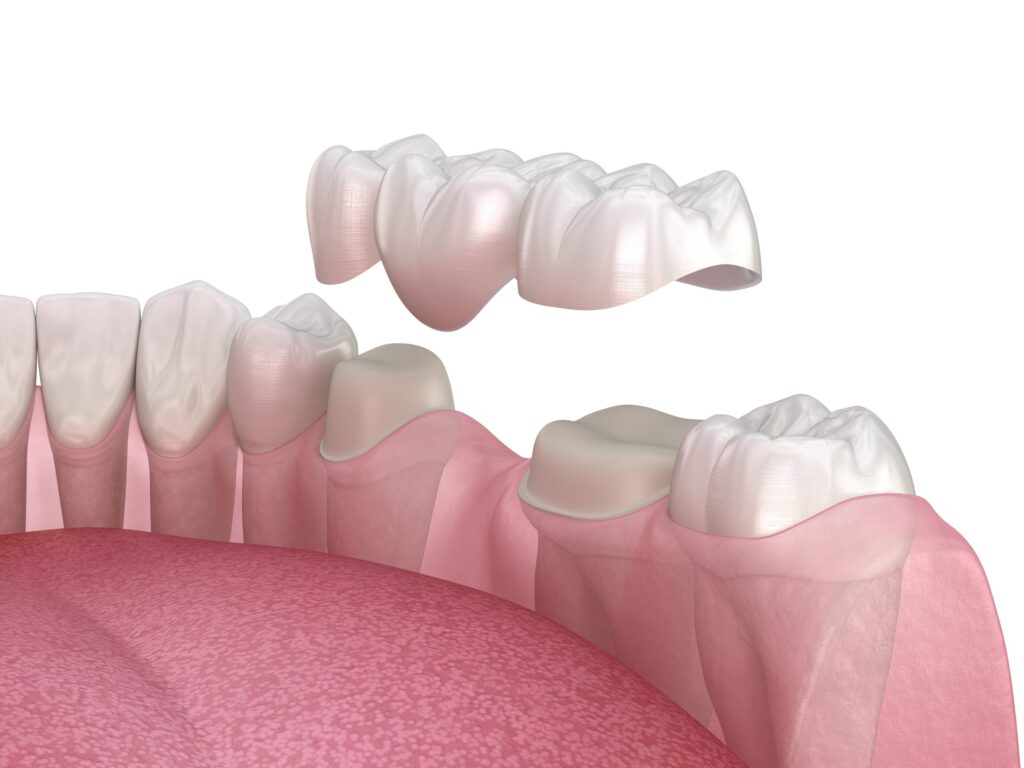
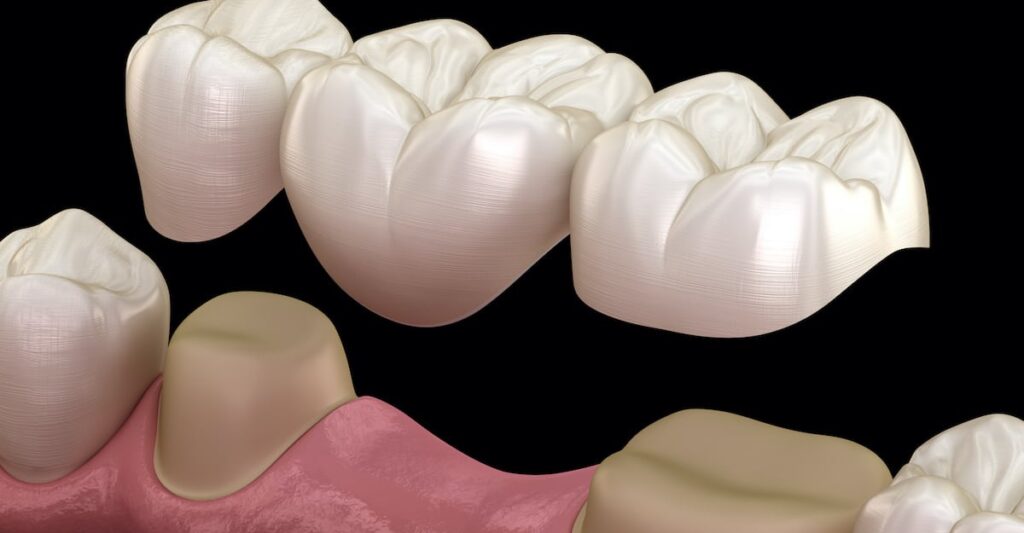
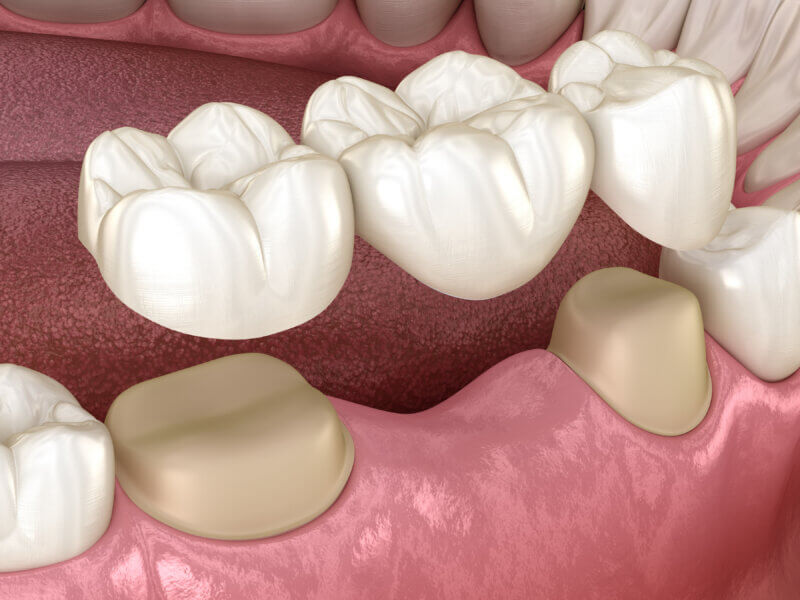
A Dental Bridge is a fixed dental restoration used to replace one or more missing teeth by anchoring an artificial tooth (or teeth) to the adjacent natural teeth or to implants. In most designs, the teeth next to the gap, called abutment teeth, act as support pillars. The replacement tooth in the middle, known as a pontic, fills the empty space to restore the appearance of a complete dental arch.
In practice, a Dental Bridge works a bit like an architectural bridge. Force and pressure from chewing are transferred through the artificial tooth onto the supporting teeth or implants. The result is a relatively stable, non‑removable structure that aims to mimic natural teeth in shape and function. Depending on the design, the bridge may be cemented onto reshaped adjacent teeth, or it may be attached to underlying implants for added stability.
Main Types of Dental Bridge Options
Not every Dental Bridge looks or functions the same way. Different designs have emerged to address different clinical and aesthetic needs. While the terminology can sound complex, the core categories are relatively easy to understand once broken down.
From a practical point of view, the most commonly discussed Dental Bridge types include traditional bridges, cantilever bridges, Maryland (resin‑bonded) bridges, and implant‑supported bridges. Each option has its own logic: some focus on conserving natural tooth structure, others prioritize stability, and some are chosen mainly for cosmetic reasons in less demanding bite areas.
Traditional Dental Bridge
A traditional Dental Bridge typically uses two natural teeth on either side of the gap as supports. These teeth are usually prepared (carefully reshaped) to receive crowns, which are permanently bonded and connected to the replacement tooth in the middle. This three‑unit system becomes one solid piece.
Patients often choose a traditional Dental Bridge when they have strong neighboring teeth and prefer a fixed solution without implants. In many cases, this type of restoration is used for molars and premolars, where chewing forces are higher. The balance between function and aesthetics can be particularly appealing for those who want stable biting ability and a natural‑looking smile.
Cantilever Dental Bridge
A cantilever Dental Bridge uses only one adjacent tooth as the supporting pillar. Instead of having two abutment teeth, the pontic is attached on just one side. This approach can be relevant when there is only a single natural tooth next to the gap, or when preserving as many teeth as possible is a priority.
However, because chewing forces are distributed asymmetrically in a cantilever Dental Bridge, clinicians typically consider this design more appropriate for areas of lower bite pressure, like near the front of the mouth. The decision often involves a careful evaluation of bite dynamics, alignment, and long‑term load on the supporting tooth.
Maryland (Resin‑Bonded) Dental Bridge
A Maryland Dental Bridge—sometimes called a resin‑bonded bridge—is best known for its metal or ceramic “wings” that bond to the back surfaces of neighboring teeth. Instead of fully covering the adjacent teeth with crowns, this design tries to conserve more natural tooth structure by relying on adhesive techniques rather than extensive reshaping.
Because a Maryland Dental Bridge generally requires less drilling, it may be considered in situations where a patient wants a more conservative solution, particularly for front teeth. It is usually thought of as a way to test how a patient adapts to a fixed replacement without committing to extensive preparation of neighboring teeth.
Implant‑Supported Dental Bridge
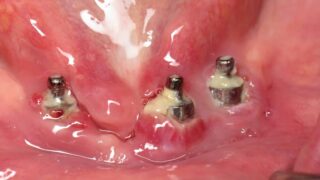
An implant‑supported Dental Bridge combines bridge design with dental implant technology. Instead of relying entirely on neighboring teeth, one or more implants are placed into the jawbone to act as artificial roots. The bridge is then attached to these implants, often eliminating the need to prepare healthy adjacent teeth.
This type of Dental Bridge is often discussed when multiple teeth in a row are missing. By distributing chewing pressure through implants into the bone, the design seeks to mimic more closely how natural teeth function. It is usually considered a more involved option, because it includes a surgical phase and a longer timeline, but it is also seen as structurally robust and potentially more adaptable over time.
Benefits of a Dental Bridge Beyond Aesthetics
The obvious advantage of a Dental Bridge is a more complete smile. But for many patients at Livera Clinic, the less visible benefits are just as important sometimes even more so. Replacing a missing tooth is not only about appearance; it can also influence how the rest of the bite behaves over the years.
One frequently discussed effect of a Dental Bridge is its potential to help maintain alignment. When a tooth is missing, neighboring teeth may gradually tilt, rotate, or shift into the space. This can change the way upper and lower teeth meet, occasionally leading to uneven wear or bite discomfort. A bridge aims to occupy that space in a way that discourages drifting and supports a more stable dental arrangement.
Another benefit of a Dental Bridge is related to chewing and speech. Gaps, especially in the front or near the premolars, may influence how certain sounds are formed and how food is broken down. With a functional replacement in place, some patients report feeling more comfortable while eating a wider variety of textures. While individual experiences differ, the general aim is to approximate the function of natural teeth closely enough that the gap is no longer a daily concern.
Step‑by‑Step Application Process of a Dental Bridge
Although each case is different, the application of a Dental Bridge usually follows a series of predictable stages. Understanding these steps often helps patients feel more prepared and less anxious about what lies ahead.
In a typical scenario, the Dental Bridge process begins with an assessment appointment. The dentist evaluates the missing tooth or teeth, examines the condition of neighboring teeth or implants, reviews oral hygiene habits, and may request X‑rays or digital scans. This diagnostic phase shapes decisions about which bridge type seems most appropriate and what materials (such as porcelain, zirconia, or metal alloys) might be used.
If a traditional or cantilever Dental Bridge is chosen, the next step usually involves preparing the abutment teeth. A thin layer of enamel is removed to create room for the future crowns so that the final result does not feel bulky. Accurate impressions or digital scans are then taken and sent to a dental laboratory, where the custom bridge is fabricated. During this period, a temporary bridge is often placed to protect the prepared teeth and maintain aesthetics.
At a subsequent visit, the Dental Bridge is tried in. The dentist checks how it fits the prepared teeth, how the bite comes together, and whether the color blends with the surrounding teeth. Adjustments can be made chairside. Once both the dentist and patient are satisfied, the bridge is cemented in place. Follow‑up appointments may be scheduled to monitor adaptation, ensure comfort, and refine the bite if needed.
Materials and Design Choices for a Dental Bridge
Modern Dental Bridge technology offers an impressive variety of materials and design combinations. Instead of a single “standard” solution, patients often encounter a menu of choices, each with its own mix of aesthetics, durability, and cost considerations.
Common materials used in Dental Bridge fabrication include porcelain fused to metal (PFM), all‑ceramic options such as zirconia, and full‑metal designs. Porcelain‑fused‑to‑metal bridges have a metal core for strength, covered with tooth‑colored porcelain to achieve a natural look. All‑ceramic bridges focus on high aesthetics and metal‑free composition, which many patients find appealing in visible smile zones. Metal‑based options, while less frequently chosen for front teeth, can still be used in back areas where appearance is less critical and chewing forces are higher.
A simplified overview of typical Dental Bridge material characteristics might look like this:
| Material Type | Aesthetic Priority | Structural Focus | Common Use Area |
| Porcelain‑Fused‑to‑Metal | High | Moderate to High | Front and back teeth |
| All‑Ceramic (e.g., Zirconia) | Very High | High (depending on type) | Especially front teeth |
| Full‑Metal | Low | Very High | Back molars |
The design of a Dental Bridge also includes considerations such as how many units (teeth) it will replace, how it will be anchored, and how the bite forces will be distributed. At Livera Clinic, a detailed discussion around these factors is typically encouraged, so patients can align their expectations with what each design is realistically meant to deliver.
Daily Life With a Dental Bridge: Adaptation and Expectations
Living with a Dental Bridge is, for most people, a process of gradual adaptation. The first few days may involve a sense of “something new” in the mouth. Cheeks and tongue need time to get used to the new contours, and speech patterns may adjust slightly as the brain recalibrates to the changed dental landscape.
In everyday scenarios, a Dental Bridge is usually meant to function almost like a natural set of teeth. Patients often eat, speak, and smile without consciously thinking about the restoration. Over time, many report that the bridge becomes part of their “normal,” especially when it blends well with their natural teeth in both color and shape.
From a care perspective, a Dental Bridge does not normally get removed for cleaning, which is why home care routines can be especially important. Special cleaning tools may be recommended by dental professionals to help access the area beneath the pontic. The goal is to keep the supporting teeth and surrounding gums as healthy as possible, which in turn supports the long‑term stability of the bridge itself.
Choosing a Dental Bridge at Livera Clinic
Considering a Dental Bridge often raises a series of practical questions: Which type fits my situation? How long might it last? Will it look natural when I smile or laugh? These are the kinds of questions patients frequently bring to Livera Clinic, where the approach is generally to evaluate the mouth as a whole rather than focusing only on a single missing tooth.
At Livera Clinic, each Dental Bridge is planned in the context of the patient’s broader oral health and lifestyle. Factors such as bite patterns, jaw joint comfort, gum condition, and aesthetic expectations are usually taken into account. This allows a more tailored conversation, whether the end result is a simple traditional bridge or a more complex implant‑supported design.
For many individuals, opting for a Dental Bridge is less about a quick fix and more about integrating a stable, functional solution into their daily life. When thoughtfully chosen and well executed, a bridge can help bring the mouth back to a more harmonious state functionally, visually, and sometimes even emotionally.
Is a Dental Bridge the Right Choice for You?
A Dental Bridge is more than a cosmetic patch over a missing tooth. It is a carefully engineered solution that aims to restore balance in the mouth, protect neighboring teeth from drifting, and re‑create a smile that feels both familiar and complete. Understanding the different bridge types, materials, benefits, and the application process can turn an uncertain decision into an informed, deliberate choice.
No single Dental Bridge design is ideal for everyone. Personal preferences, oral health conditions, and long‑term expectations all play a role. At Livera Clinic, the decision‑making process is typically collaborative, aiming to match each patient with a design that aligns with their anatomy, habits, and vision for their smile. For anyone questioning what to do about a missing tooth or a visible gap, exploring bridge options in a structured consultation can be a valuable first step toward a more confident bite and a more relaxed smile.