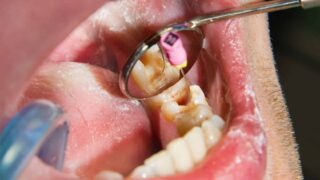

Oral health is often discussed in terms of teeth, gums, and daily brushing habits, yet the foundation of a healthy bite may depend on something deeper: the position and function of the jaw. Jaw Surgery is a topic that attracts attention not only for aesthetic reasons, but also for how it may relate to chewing, speaking, breathing, and overall facial balance. At Livera Clinic, this subject is approached with care, scientific curiosity, and a deep respect for individual needs, because every jaw structure tells a different story.
When people hear Jaw Surgery, they often imagine a dramatic procedure reserved for rare cases. In reality, discussions around jaw correction, orthognathic procedures, and maxillofacial treatment have become much broader. Researchers and clinicians increasingly explore how jaw alignment may influence oral function, airway dynamics, temporomandibular comfort, and even confidence in daily social life. This makes the subject both medically intriguing and surprisingly human.
What Is Jaw Surgery and Why Does It Matter?
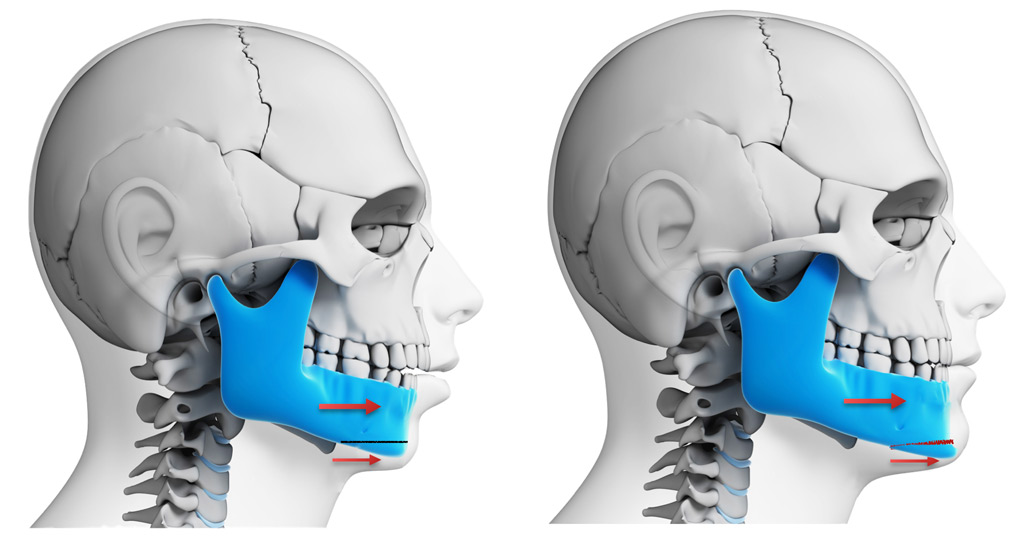
Jaw Surgery generally refers to surgical procedures designed to reposition the upper jaw, lower jaw, or both. The goal is not simply to “change appearance,” although facial harmony can be one of the visible outcomes. More importantly, these procedures are often discussed in relation to bite issues, skeletal imbalance, speech patterns, and oral function.
From a scientific perspective, jaw structure plays a central role in how forces are distributed during chewing. If the upper and lower jaws do not align efficiently, the teeth may compensate in ways that can place extra stress on enamel, muscles, and joints. That does not mean every bite irregularity requires an operation. It simply explains why Jaw Surgery is considered in some complex cases where orthodontics alone may not fully address the skeletal relationship.
The importance of this topic also lies in quality of life. Studies in dentofacial orthopedics and oral-maxillofacial fields often point to the relationship between jaw alignment and daily comfort. Eating, pronunciation, and facial symmetry are not superficial matters; they affect communication, nutrition, and self-image in subtle yet meaningful ways.
How Jaw Position Can Influence Oral Health
The jaw is more than a bone structure holding teeth in place. It functions as a dynamic mechanical system that works with muscles, joints, ligaments, and soft tissues. When this system is balanced, the mouth can perform complex tasks efficiently. When the balance is disrupted, oral health may be affected in ways that are sometimes obvious and sometimes surprisingly hidden.
One possible issue is uneven tooth wear. If the bite is misaligned, certain teeth may absorb greater pressure over time. This may contribute to chipping, enamel strain, or sensitivity. In some situations, difficulty cleaning crowded or poorly aligned areas may also affect gum health. That is why conversations about Jaw Surgery often include orthodontists, oral surgeons, and restorative dentists working together.
Another area of interest is the temporomandibular joint, commonly known as the TMJ. While jaw misalignment is not the sole cause of joint discomfort, skeletal positioning may play a role in how stress is distributed during movement. Chewing efficiency, speech articulation, and even lip closure may be influenced by the relation between the upper and lower jaws. In this sense, Jaw Surgery becomes part of a wider oral health discussion rather than a standalone cosmetic concept.
Who May Explore Jaw Surgery as an Option?
People who explore Jaw Surgery often do so after years of noticing functional concerns. These may include difficulty biting food properly, a noticeably recessed or prominent jaw, open bite patterns, crossbite, or asymmetry that affects oral mechanics. Sometimes the issue becomes clearer during orthodontic planning, when tooth movement alone cannot fully compensate for skeletal discrepancies.
Younger adults are frequently the group most associated with orthognathic treatment because jaw growth is usually more stable by that stage. However, interest in corrective jaw procedures is not limited to one age group. Adults who have lived with bite imbalance for many years may also begin to investigate surgical pathways, especially when function and comfort become more important than simple cosmetic considerations.
A thoughtful evaluation usually considers several factors together:
- Bite relationship
- Facial proportions
- Jaw growth pattern
- Speech and chewing function
- Airway-related observations
- Dental health and orthodontic needs
This does not mean every person with these features is a candidate. It means the discussion around Jaw Surgery is highly individualized, and that individuality is one of the most important scientific truths in modern maxillofacial care.
The Science Behind Bite Correction and Facial Balance
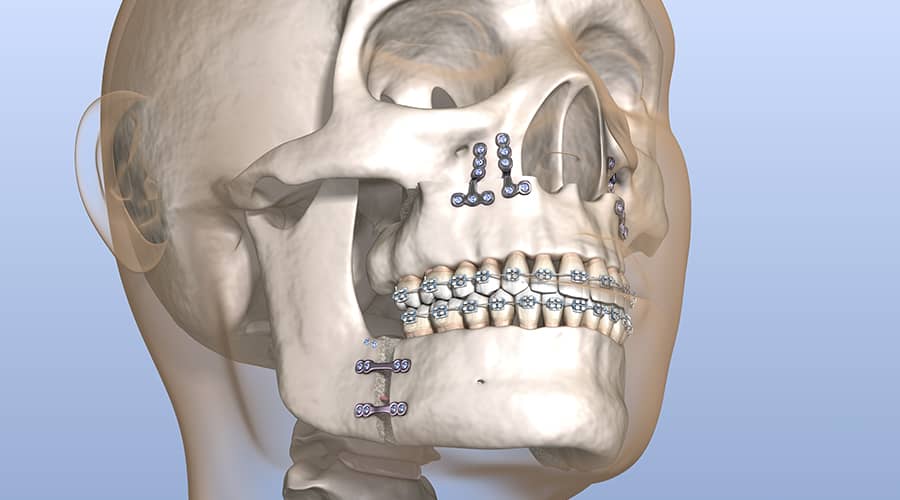
Facial balance is often misunderstood as a purely artistic or aesthetic idea. In reality, it has a biomechanical side. The upper jaw, lower jaw, chin, teeth, and surrounding soft tissues interact as one system. A small skeletal shift can influence lip posture, chewing rhythm, and the way teeth come together. This is why Jaw Surgery is frequently planned using imaging, digital analysis, and interdisciplinary review.
Researchers in craniofacial medicine often examine cephalometric measurements, occlusal relationships, and airway dimensions when analyzing jaw discrepancies. These tools help clinicians understand whether a problem is dental, skeletal, or a combination of both. That distinction matters because braces can move teeth, but they do not change the underlying bone relationship in the same way surgery can.
There is also growing interest in patient-reported outcomes. Beyond measurements and radiographs, studies often explore how people feel before and after treatment in terms of confidence, chewing comfort, and social interaction. This human-centered research adds depth to the conversation. Jaw Surgery is not just about millimeters on a scan; it is also about how structure may influence daily living in visible and invisible ways.
The Typical Journey: Evaluation, Planning, and Procedure
The journey toward Jaw Surgery is usually longer than people expect, and that is not a flaw. It is actually a sign of careful planning. In many cases, orthodontic preparation is part of the process, because teeth may need to be aligned in a way that reveals the true skeletal discrepancy before surgery is considered.
Planning often includes photographs, digital impressions, bite records, and radiographic imaging. Advanced centers may also use 3D simulation to visualize jaw movement and predict how bone repositioning could affect facial contours and occlusion. This planning phase is where science and artistry meet. Precision is essential, but so is a realistic understanding of variation between patients.
Below is a simple overview of how the process may be structured:
| Stage | What It Often Involves | Why It Matters |
| Initial Assessment | Clinical exam, imaging, bite analysis | Defines the skeletal and dental issue |
| Orthodontic Preparation | Tooth alignment before procedure | Helps create accurate surgical positioning |
| Surgical Planning | 3D modeling, measurements, coordination | Improves precision and predictability |
| Procedure | Repositioning of upper jaw, lower jaw, or both | Addresses structural imbalance |
| Recovery Phase | Monitoring, healing, bite adaptation | Supports functional integration |
Each case may differ, and some treatment pathways are shorter or more complex than others. What remains consistent is the need for collaboration. Jaw Surgery is rarely a one-person decision or a one-step treatment.
Recovery and Adaptation After Jaw Surgery
Recovery is one of the most searched aspects of Jaw Surgery, and understandably so. People are often less worried about the concept of treatment than about what comes after it. Adaptation involves not only healing tissues but also learning how the mouth feels and functions in a new alignment.
Early recovery discussions typically include swelling, temporary dietary modifications, speech adaptation, and follow-up appointments. The body needs time to adjust, and the jaw muscles may gradually adapt to the new position. This period is as much about patience as it is about healing. The scientific literature on postoperative adaptation frequently emphasizes close monitoring and individualized progression rather than rigid, one-size-fits-all timelines.
There is also a psychological side to recovery. Facial structure is deeply connected to identity, so even positive changes can feel emotionally significant. That is one reason why responsible communication matters. At Livera Clinic, the conversation around Jaw Surgery should never be rushed or reduced to before-and-after images alone. The real story includes healing, adjustment, and long-term function.
Functional Benefits Commonly Discussed in Relation to Jaw Correction
When experts discuss corrective jaw procedures, they often focus on function first. Better bite efficiency is one of the most frequently mentioned topics. If the jaws meet in a more stable relationship, chewing mechanics may become more balanced. That does not guarantee a universal outcome, but it explains why function remains central to the discussion.
Another commonly explored area is speech. Certain jaw discrepancies may influence the articulation of specific sounds, especially when tooth position and lip support are part of the picture. Likewise, oral seal and facial muscle effort may change depending on the jaw relationship. In selected cases, Jaw Surgery may be considered within a broader effort to improve structural support for oral tasks.
Additional areas often discussed include:
- Bite stability
- Facial symmetry
- Tooth wear distribution
- Lip competence
- Airway-related structural considerations
- Long-term orthodontic harmony
These themes appear often in academic and clinical analysis because they connect structure with daily experience. That is what makes Jaw Surgery such a multidimensional subject: it belongs to anatomy, dentistry, function, and personal wellbeing all at once.
Why an Interdisciplinary Approach Makes a Difference
No serious discussion of Jaw Surgery is complete without mentioning teamwork. This field often brings together orthodontists, oral and maxillofacial surgeons, imaging professionals, restorative dentists, and sometimes speech or airway-focused experts. Each professional sees the jaw from a different angle, and those angles matter.
Orthodontists may identify the dental compensation that hides a skeletal discrepancy. Surgeons analyze bone relationships and surgical feasibility. Restorative experts may look at tooth wear and long-term occlusion. This layered approach reduces the risk of treating one visible issue while missing the deeper structural context. In modern care, isolated planning is rarely ideal for complex jaw cases.
An interdisciplinary model also improves communication with the patient. Instead of presenting Jaw Surgery as an isolated event, it becomes part of a coherent treatment narrative. That narrative may include diagnosis, preparation, structural correction, and adaptation. For many people, this creates a clearer and more reassuring understanding of the process.
A Smarter Way to Think About Jaw Surgery
It may be tempting to think of Jaw Surgery only in dramatic terms, as though it belongs to extreme cases or image-driven decisions. Yet the more informed perspective is broader and more nuanced. Jaw structure affects how the mouth works, how forces move through the bite, and how facial proportions are perceived. That makes the subject clinically relevant as well as personally meaningful.
Scientific discussion continues to evolve, especially with better imaging, digital planning, and outcome analysis. What remains constant is the idea that form and function are deeply connected. A well-positioned jaw is not merely a visual preference; it can be part of the architecture of oral health. At the same time, no two faces, bites, or treatment journeys are identical, which is why careful evaluation remains essential.
For those exploring this topic, the value lies in understanding the bigger picture. Jaw Surgery is best seen not as a trend, but as a sophisticated field where anatomy, technology, and human experience intersect. Livera Clinic believes that informed patients ask better questions, and better questions lead to more meaningful treatment conversations.