Oral and dental health plays a crucial role not only in achieving an aesthetic smile but also in overall well-being. Toothlessness is a common condition many people encounter at various stages of life. Toothlessness refers to the absence of one or more teeth, either due to loss or failure to develop. This condition affects not only appearance but also chewing, speech, and the overall balance of the mouth.
Modern dentistry has made significant advances in understanding the causes of toothlessness and providing suitable solutions. Research shows that missing teeth are not merely a cosmetic issue but can also impact jawbone structure, digestion, and even an individual’s self-confidence. According to the experts at Livera Clinic, evaluating toothlessness should be personalized and consider the overall structure of the oral cavity.
What is Toothlessness?
Toothlessness is the condition in which gaps appear in the natural alignment of teeth. These gaps can result from the loss of a single tooth or multiple teeth. Tooth loss may be congenital or develop over time due to various factors.
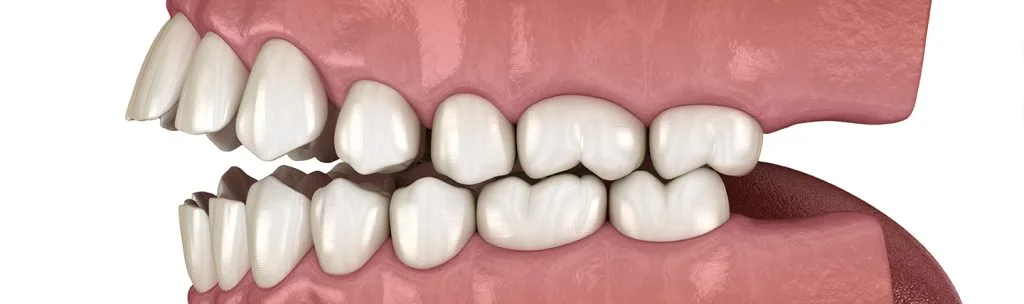
In dental literature, this condition is often referred to as “missing teeth,” but it is commonly called toothlessness in everyday language. Over time, gaps can cause surrounding teeth to shift, affecting the balance of chewing forces.
Studies indicate that untreated toothlessness can lead to changes in jawbone density. Therefore, toothlessness is not merely an aesthetic concern but a holistic part of oral health.
Causes of Toothlessness
Tooth loss rarely has a single cause. Most often, multiple factors contribute to toothlessness:
- Severe tooth decay or damage
- Gum disease
- Trauma or accidents
- Genetic factors
- Orthodontic issues
- Poor oral hygiene
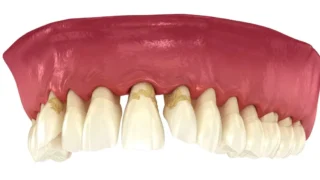
Periodontal diseases are among the most common causes of tooth loss. Damage to the gums and supporting tissues can cause teeth to loosen and eventually fall out, leading to toothlessness if untreated.
Additionally, injuries from sports, falls, or direct impacts can result in missing teeth. In some individuals, teeth may never form properly, resulting in congenital toothlessness.
How Toothlessness Affects Oral Health
The effects of tooth loss often extend beyond appearance. Toothlessness can impact the functional aspects of the mouth.
When a tooth is missing, chewing forces shift to neighboring teeth, potentially causing wear and additional dental issues over time. Gaps can also alter pronunciation and speech clarity.
Jawbone health is another critical factor. Tooth roots stimulate bone tissue, maintaining density. With toothlessness, this stimulation is lost, which may gradually lead to changes in bone structure.
Toothlessness and Aesthetic Appearance
A smile significantly influences social interactions and self-confidence. For this reason, toothlessness is often evaluated not just as a health concern but also as an aesthetic issue.
Gaps in front teeth are especially noticeable, affecting confidence and causing some people to avoid smiling or taking photos.
Modern dental techniques allow for comprehensive aesthetic evaluation of toothlessness. Digital smile design can analyze oral structure and simulate potential treatment outcomes, enhancing both function and appearance.

Treatment Options for Toothlessness
Dentistry offers multiple solutions for toothlessness. Treatment selection depends on factors such as jaw structure, bone health, and overall oral condition.
The table below summarizes common treatment approaches:
| Treatment | Key Feature | Purpose |
| Dental implant | Titanium screw integrated into the jawbone | Single or multiple missing teeth |
| Dental bridge | Supported by adjacent teeth | Moderate tooth loss |
| Removable dentures | Can be taken out and cleaned | Multiple missing teeth |
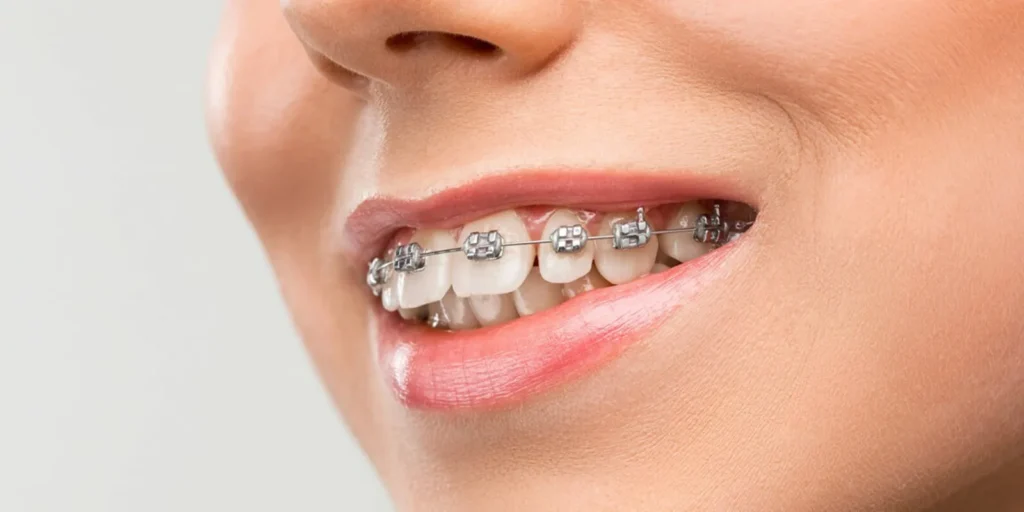
| Orthodontic treatment | Adjusts tooth position | Closing gaps |
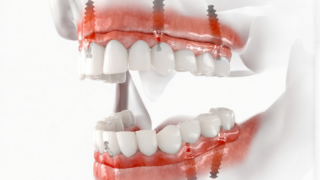
Dental implants involve placing an artificial root into the jawbone using biocompatible titanium. Research shows implants can mimic natural tooth function effectively.
Bridges rely on adjacent teeth for support and have been used for decades to restore missing teeth. However, the appropriate treatment varies for each case of toothlessness.
Preventive Approaches for Toothlessness
Maintaining oral hygiene habits can reduce the risk of toothlessness.
Regular dental check-ups help detect cavities early, while maintaining gum health ensures teeth remain stable. Studies suggest that consistent brushing, flossing, and routine oral care significantly lower the risk of tooth loss.
Scientific Insights on Toothlessness
Recent studies reveal that toothlessness affects not only oral health but also nutrition, speech, and social behavior. Epidemiological research shows that tooth loss increases with age but can also occur in younger individuals due to trauma or genetics.
Digital dentistry now allows three-dimensional analysis of the mouth, providing precise data for planning treatments to replace missing teeth.
Oral health is a complex system influenced by multiple factors, and toothlessness stands out as a condition affecting both function and aesthetics. Tooth loss can impact chewing, speech, and oral balance.
Thanks to modern dentistry, there are diverse treatment options and comprehensive analysis tools available for toothlessness. Experts at Livera Clinic emphasize personalized assessment, as every individual’s oral structure is unique.
Scientific research highlights the importance of understanding the causes and performing early evaluations. Thus, toothlessness is addressed as a concern of both aesthetics and overall oral health.