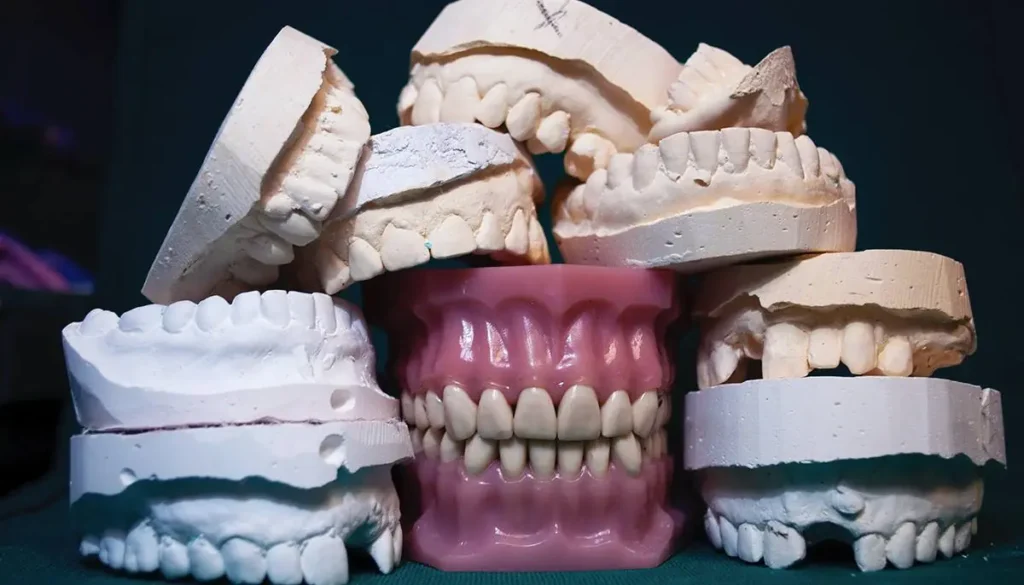
Tooth loss has traditionally been managed with Prosthetics, including removable dentures and fixed bridges. While Prosthetics remain a widely accepted restorative solution, modern dentistry has evolved far beyond conventional artificial replacements. Today, patients exploring options at Livera Clinic often ask whether there are alternatives to Prosthetics that feel more natural, preserve bone structure, and offer long term stability.
The answer is nuanced. Dental science does not position one method as universally superior to Prosthetics. Instead, it provides a spectrum of biologically driven and technology enhanced treatments designed to address functional and aesthetic concerns in different ways. Understanding these alternatives requires a closer look at bone biology, implant innovation, adhesive dentistry, and regenerative techniques.
Dental Implants as a Fixed Alternative to Prosthetics
Dental implants are frequently presented as a stable alternative to Prosthetics. Unlike removable appliances, implants are surgically placed titanium fixtures that integrate with the jawbone through a biological process known as osseointegration. This fusion allows the implant to function as an artificial tooth root.
From a biomechanical perspective, implants distribute chewing forces directly to the bone, which may help maintain bone density over time. Traditional Prosthetics, particularly removable dentures, can sometimes lead to gradual bone resorption due to the absence of root stimulation. Implants aim to address this limitation by mimicking natural load transfer.
However, implant therapy involves surgical planning, digital imaging, and healing time. Not every patient is automatically suitable, and treatment pathways may vary depending on bone volume and systemic factors. As an alternative to Prosthetics, implants are often chosen for their stability, natural feel, and longevity potential.
Implant Supported Bridges Versus Traditional Prosthetics
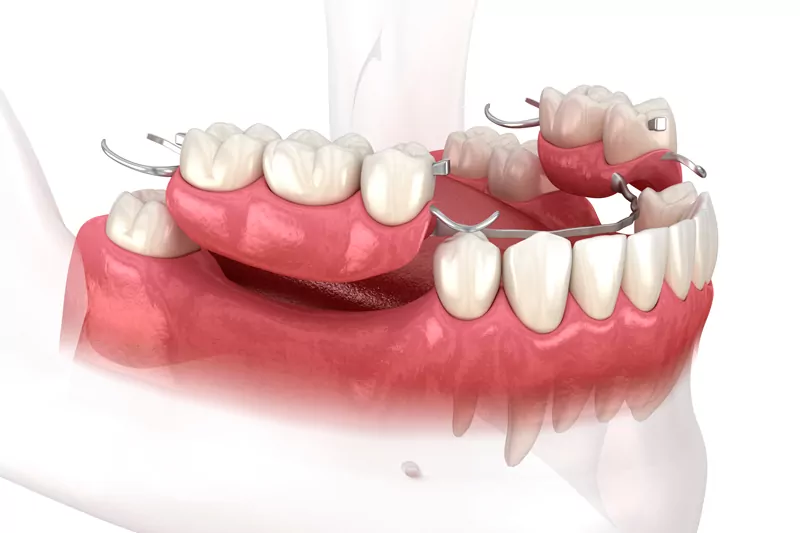
When multiple teeth are missing, implant supported bridges may replace the need for conventional Prosthetics such as partial dentures. Instead of resting on gums or neighboring teeth, implant bridges are anchored to strategically placed implants.
This approach may reduce reliance on adjacent natural teeth, which are often prepared and reduced in traditional bridge based Prosthetics. Preserving healthy enamel can be a significant advantage in conservative dentistry. Additionally, implant supported restorations often provide enhanced chewing efficiency compared to removable Prosthetics.
That said, complexity increases with the number of missing teeth. Surgical precision, digital planning software, and laboratory collaboration all play essential roles. While Prosthetics remain more affordable in certain contexts, implant bridges offer a biologically integrated alternative that many patients find appealing.
All on 4 and Full Arch Solutions Beyond Removable Prosthetics
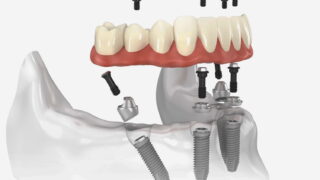
For patients missing most or all teeth, full arch rehabilitation techniques such as All on 4 systems have transformed the landscape previously dominated by removable Prosthetics. This concept uses four strategically angled implants to support a fixed full arch restoration.
Biomechanically, tilting posterior implants can increase bone contact while avoiding anatomical structures. Compared to traditional full Prosthetics, fixed full arch systems are not removed daily and often provide stronger bite force and improved speech stability.
It is important to clarify that while these solutions replace removable Prosthetics, they are still technically prosthetic restorations supported by implants. The distinction lies in fixation and integration rather than in the complete absence of artificial components. Patients often perceive this option as more natural due to reduced movement and improved comfort.
Resin Bonded Bridges as Conservative Alternatives to Prosthetics
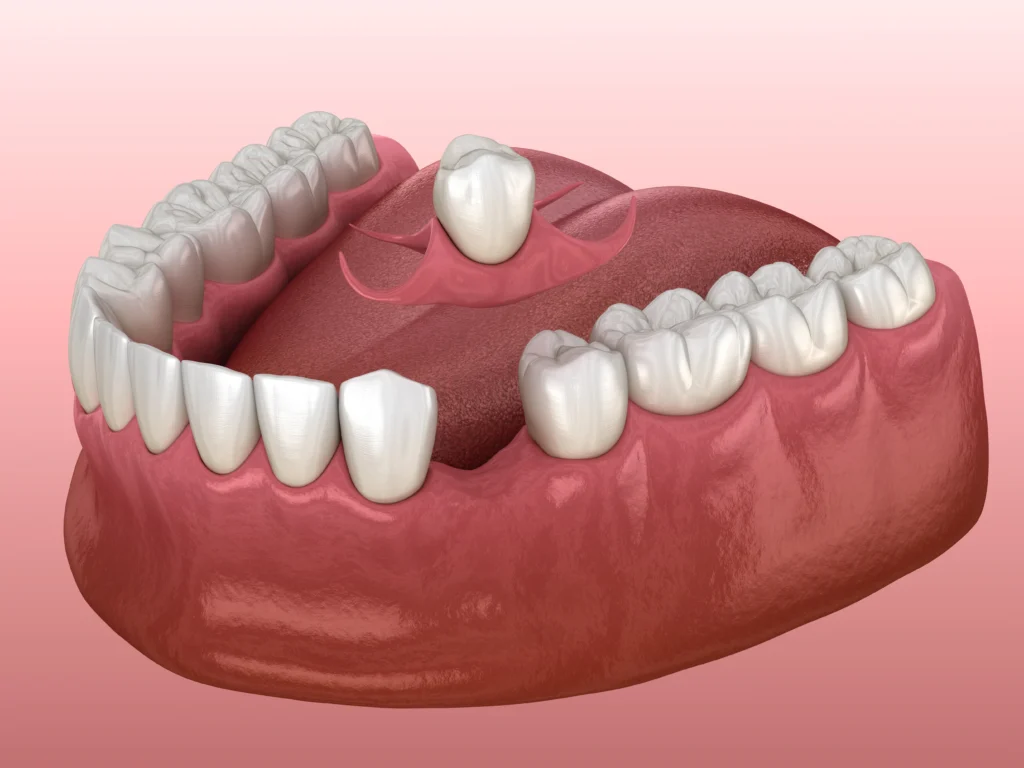
Resin bonded bridges, sometimes called Maryland bridges, represent a minimally invasive alternative to traditional Prosthetics for single tooth replacement. Instead of preparing adjacent teeth extensively, this method uses metal or ceramic wings bonded to the back of neighboring teeth.
This adhesive technique preserves enamel and can be suitable in areas with lower bite pressure. Compared to full coverage Prosthetics, resin bonded bridges require less structural alteration of natural teeth.
Durability may vary depending on case selection and occlusal forces. While not always appropriate for posterior teeth under heavy load, resin bonded bridges demonstrate how adhesive dentistry has expanded options beyond conventional Prosthetics.
Orthodontic Space Closure Instead of Prosthetics
In certain clinical scenarios, orthodontic treatment can eliminate the need for Prosthetics entirely. By repositioning adjacent teeth to close gaps, clinicians may avoid artificial replacements.
This method relies on careful biomechanical planning and often digital aligner systems. Instead of introducing Prosthetics, the patient’s natural dentition is redistributed to optimize function and aesthetics.
Orthodontic space closure is not suitable for every case. It depends on facial proportions, bite alignment, and aesthetic expectations. However, in younger patients or specific missing tooth patterns, it may offer a biologically conservative alternative to Prosthetics.
Regenerative Dentistry and the Future Beyond Prosthetics
Regenerative dentistry explores biological solutions that could reduce reliance on Prosthetics in the long term. Research into stem cells, tissue engineering, and scaffold materials is ongoing in academic centers worldwide.
Although still largely experimental, regenerative approaches aim to stimulate natural tissue regrowth rather than replace structures with Prosthetics. Early animal studies have demonstrated partial tooth regeneration under controlled conditions, but widespread clinical application remains under development.
The scientific direction is clear: dentistry continues moving toward biological preservation and regeneration. While Prosthetics remain essential today, future advancements may further expand alternatives grounded in cellular science.
Comparative Overview of Alternatives to Prosthetics
Below is a simplified comparison of treatment pathways often considered instead of conventional Prosthetics:
| Treatment Option | Surgical Required | Removable | Bone Preservation Potential | Tooth Preparation |
| Dental Implants | Yes | No | Moderate to High | None |
| Implant Bridge | Yes | No | Moderate | Minimal |
| All on 4 System | Yes | No | Moderate | None |
| Resin Bonded Bridge | No | No | Limited | Minimal |
| Orthodontic Closure | No | No | Natural | None |
This table illustrates how alternatives to Prosthetics differ in biological integration, invasiveness, and structural preservation.
Scientific Considerations When Evaluating Prosthetics Alternatives
When assessing whether to choose Prosthetics or an alternative, several factors are commonly analyzed:
- Bone density and volume
- Age and growth stage
- Occlusal load distribution
- Aesthetic priorities
- Treatment timeline expectations
Contemporary dentistry increasingly relies on digital tools such as CBCT imaging and CAD CAM design to personalize treatment. These technologies allow clinicians to simulate outcomes before proceeding.
Importantly, no method fully eliminates the concept of artificial replacement. Even implants support prosthetic crowns. The distinction lies in how these solutions interact with bone and surrounding tissues compared to removable Prosthetics.
Rethinking the Role of Prosthetics in Modern Dentistry
Prosthetics have served dentistry for centuries and continue to provide functional rehabilitation for millions of patients worldwide. However, the evolution of implantology, adhesive dentistry, orthodontics, and regenerative research has significantly expanded available options.
At Livera Clinic, treatment planning emphasizes individualized assessment rather than universal preference. Some patients may still benefit most from traditional Prosthetics due to anatomical or financial considerations. Others may prefer implant supported or biologically conservative alternatives.
The modern perspective is not about eliminating Prosthetics, but about understanding their place within a broader ecosystem of restorative solutions. As research advances, the line between artificial replacement and biological restoration continues to evolve, offering patients increasingly sophisticated pathways toward oral rehabilitation.