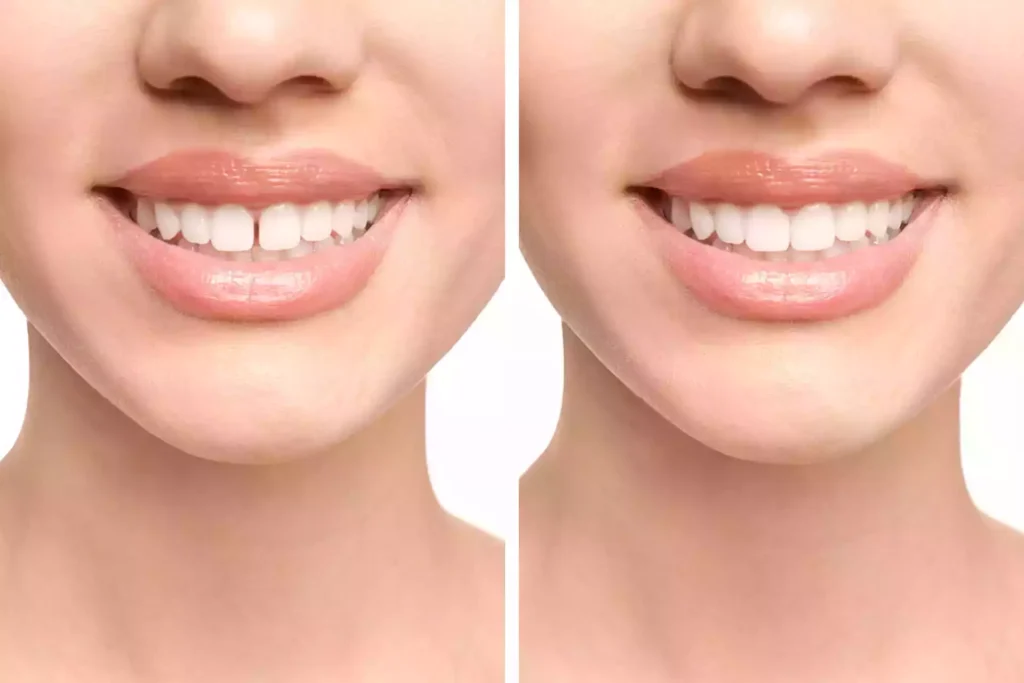
Diastema is a term used to describe a visible gap between two teeth, most commonly between the upper front incisors. While some people consider diastema a charming facial feature, others see it as an aesthetic or functional concern. At Livera Clinic, patients frequently ask whether a tooth gap is purely cosmetic or if it signals a deeper dental issue. The answer depends on the type, cause, and overall oral structure.
What Is Diastema and How Does It Develop?
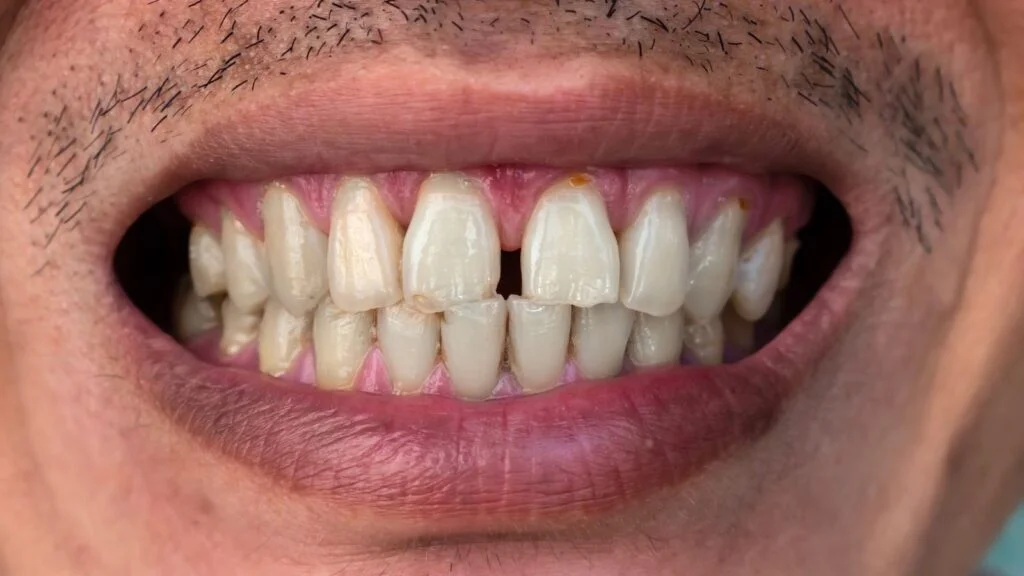
Diastema refers to a space or gap between adjacent teeth that exceeds normal alignment. Although it most often appears between the maxillary central incisors, it can occur anywhere in the dental arch. In dental terminology, it may also be described as an interdental gap or spacing anomaly.
The development of diastema is multifactorial. In children, spacing is often physiological and part of natural jaw growth. As permanent teeth erupt, small gaps may close spontaneously. However, in adolescents and adults, persistent diastema may result from tooth size discrepancies, jawbone proportions, or soft tissue attachments such as an enlarged labial frenum.
From a structural standpoint, diastema can emerge when the total width of teeth is smaller than the available arch space. Conversely, habits like tongue thrusting may apply pressure that gradually widens an existing tooth gap.
Types of Diastema Based on Location and Structure
Not all diastema cases are identical. Classification helps determine whether the gap is developmental, functional, or pathological.
1. Midline Diastema
This is the most recognized form of diastema, appearing between the two upper front teeth. It may be linked to genetics, frenum attachment, or habits during childhood.
2. Generalized Diastema
In this type, multiple gaps appear throughout the dental arch. Generalized diastema is often associated with smaller tooth dimensions relative to jaw size.
3. Mandibular Diastema
Although less common, diastema can affect the lower incisors. Periodontal changes or bone loss sometimes contribute to this spacing.
4. Pathological Diastema
When a tooth gap results from gum disease, tooth migration, or missing teeth, it is considered pathological. In these cases, the underlying condition requires attention before closing the diastema.
Understanding the type of diastema allows clinicians at Livera Clinic to design personalized treatment strategies that address both aesthetics and oral stability.
Causes of Diastema: Genetics, Habits, and Oral Health Factors
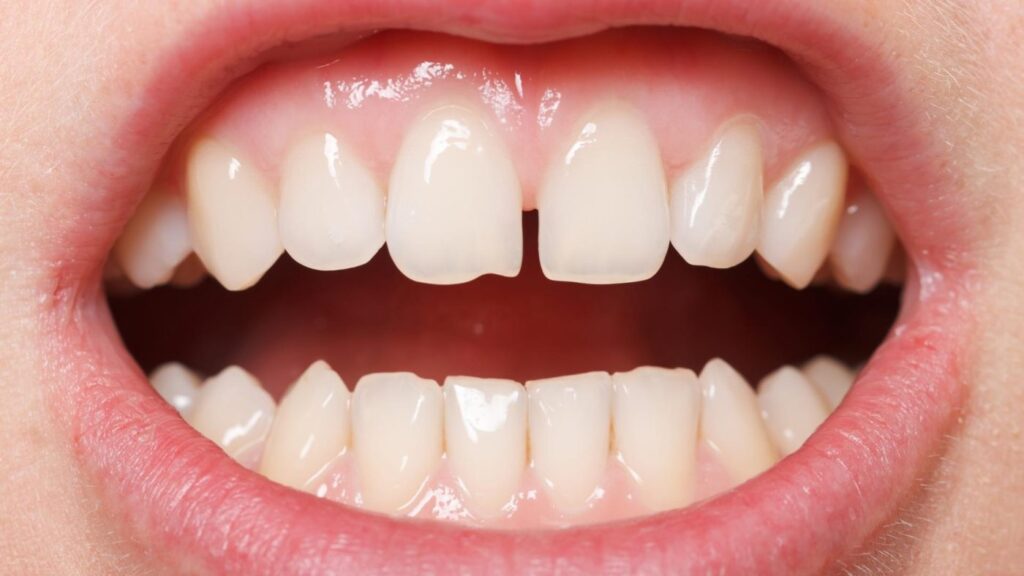
The causes of diastema extend beyond simple spacing. Genetics plays a notable role. If parents have a midline diastema, children may inherit similar jaw to tooth size proportions.
Another contributing factor is an oversized or low attached labial frenum. This band of tissue can physically prevent the central incisors from closing, maintaining a persistent diastema.
Behavioral habits also influence tooth gap formation. These include:
- Thumb sucking beyond early childhood
- Prolonged pacifier use
- Tongue thrusting during swallowing
- Improper swallowing mechanics
Periodontal disease represents another pathway. As supporting bone diminishes, teeth may shift, leading to secondary diastema. In such situations, the gap is not merely cosmetic but a reflection of structural change.
How Diastema Affects Aesthetics and Oral Function
For many individuals, diastema is primarily an aesthetic concern. A visible gap can alter smile symmetry and facial harmony. However, cultural perceptions vary. In some societies, a midline diastema is considered attractive or symbolic.
Functionally, small spacing may not interfere with chewing or speech. Larger diastema cases, particularly when generalized, may influence phonetics. Air escaping through gaps can subtly affect pronunciation of certain consonants.
From a hygiene perspective, spacing can be both beneficial and challenging. While flossing may be easier, food impaction in wider diastema areas may increase plaque accumulation if not properly managed.
Diastema Treatment Options and Cost Considerations
Treatment for diastema depends on severity, cause, and patient expectations. At Livera Clinic, a comprehensive examination determines whether orthodontic, restorative, or surgical intervention is most appropriate.
Below is a simplified comparison table outlining common approaches:
| Treatment Option | Suitable for | Estimated Cost Range | Key Considerations |
| Orthodontic Braces | Moderate to severe diastema | Medium to High | Gradual alignment |
| Clear Aligners | Mild to moderate diastema | Medium to High | Discreet appearance |
| Composite Bonding | Small diastema | Low to Medium | Immediate results |
| Porcelain Veneers | Cosmetic diastema | Medium to High | Aesthetic enhancement |
| Frenectomy | Frenum-related diastema | Low to Medium | Minor surgical procedure |
Costs vary depending on country, clinic expertise, materials used, and treatment complexity. For example, orthodontic correction of generalized diastema typically involves longer treatment time, which increases total expenses.
In Turkey, where Livera Clinic operates, dental treatment costs are often more accessible compared to Western Europe or North America. However, individual assessment remains essential before determining a precise estimate.
Scientific Insights Into Diastema Closure Stability
Research in orthodontics suggests that diastema closure stability depends on identifying and addressing the root cause. When spacing is related to soft tissue tension, failure to manage the frenum may result in relapse.
Long term retention strategies are often recommended after orthodontic diastema correction. Retainers help maintain alignment by preventing natural forces from reopening the tooth gap.
Clinical observations also indicate that the width of the initial diastema influences relapse probability. Wider gaps may require more comprehensive retention protocols. These findings emphasize that treating diastema involves both aesthetic planning and biomechanical understanding.
Is Diastema Always a Problem?
Interestingly, diastema is not inherently a disease. In many children, it is part of normal dental development. Even in adults, a small and stable diastema may not necessitate treatment unless it causes functional or psychological discomfort.
At Livera Clinic, treatment decisions are guided by patient preference, oral health status, and structural evaluation. Rather than viewing every tooth gap as a flaw, clinicians assess whether the diastema reflects harmony or imbalance within the smile.
Understanding that diastema exists on a spectrum empowers patients to make informed choices grounded in both science and self perception.
Understanding Diastema From Diagnosis to Cost Planning
Diastema is a multifaceted dental condition influenced by genetics, habits, oral anatomy, and periodontal health. While often associated with cosmetic concerns, its implications may extend to speech, alignment stability, and structural balance.
From midline spacing to generalized tooth gaps, each diastema case requires individualized evaluation. Treatment costs vary depending on method, duration, and clinical complexity. By integrating orthodontic science, restorative techniques, and patient centered planning, Livera Clinic provides comprehensive approaches tailored to each smile.
Whether embraced as a distinctive feature or addressed through modern dentistry, diastema remains a compelling example of how biology and aesthetics intersect in oral health.