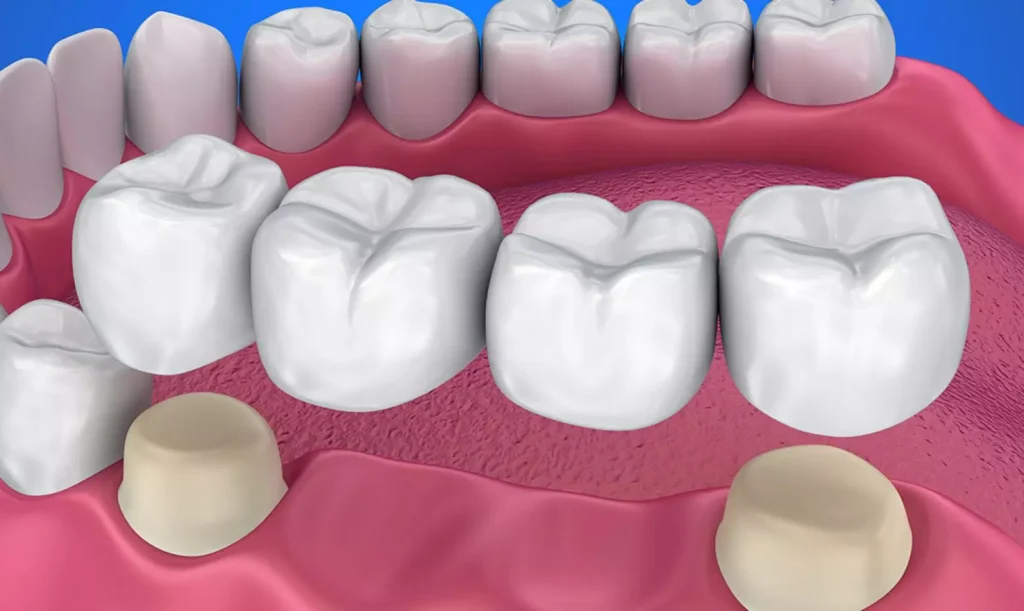
Zirconium Crown is one of the most fascinating developments in modern restorative dentistry, offering a combination of natural appearance, durability, and biological compatibility. In recent years, demand for Zirconium Crown treatments has grown rapidly among patients who want a more aesthetic and long-lasting dental restoration. Clinics such as Livera Clinic have helped popularize this technology by applying advanced dental materials with modern clinical experience. yttria-stabilized tetragonal zirconia polycrystal plays an important role in this process.
Dental science continues to evolve, and the idea behind Zirconium Crown is not only cosmetic improvement but also functional enhancement. People often ask why zirconium has become so popular compared to traditional metal-based crowns. The answer lies in material science, oral biology, and aesthetic expectations of modern society. This article explores four intriguing facts that make zirconium crown technology stand out, supported by advanced Y-TZP.
The popularity of zirconium crown solutions reflects a shift toward biomimetic dentistry. Patients today expect restorations that behave like natural teeth under chewing pressure, light reflection, and thermal change. Understanding these facts will help you see why zirconium restorations are considered a remarkable milestone in dental prosthetics. This process involves transformation toughening (a strengthening mechanism where zirconia changes crystal structure under stress).
1. Zirconium Crown Mimics the Natural Tooth Structure
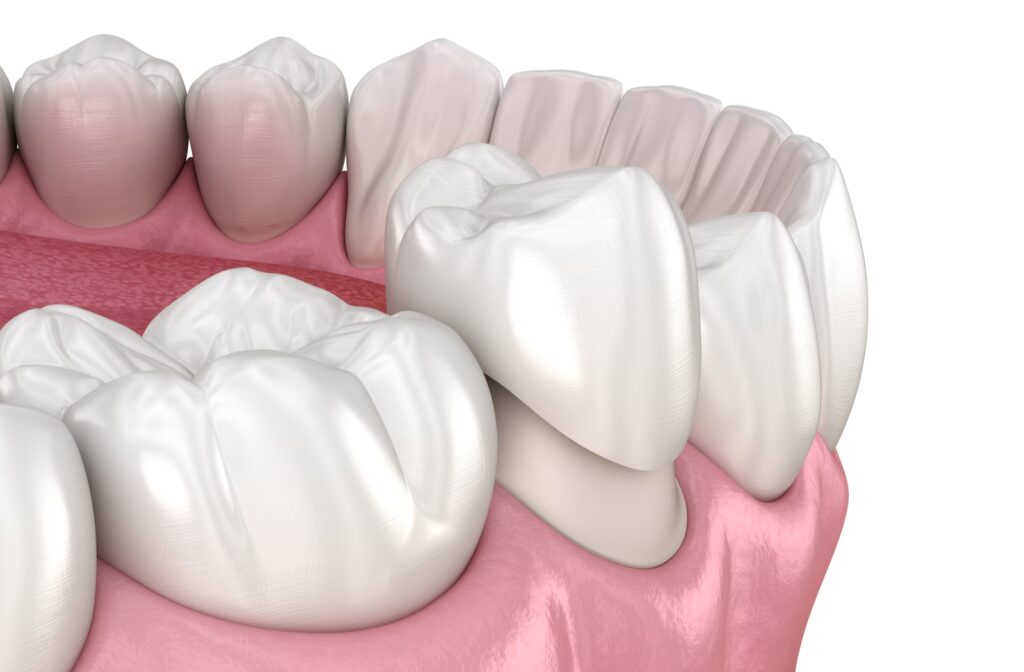
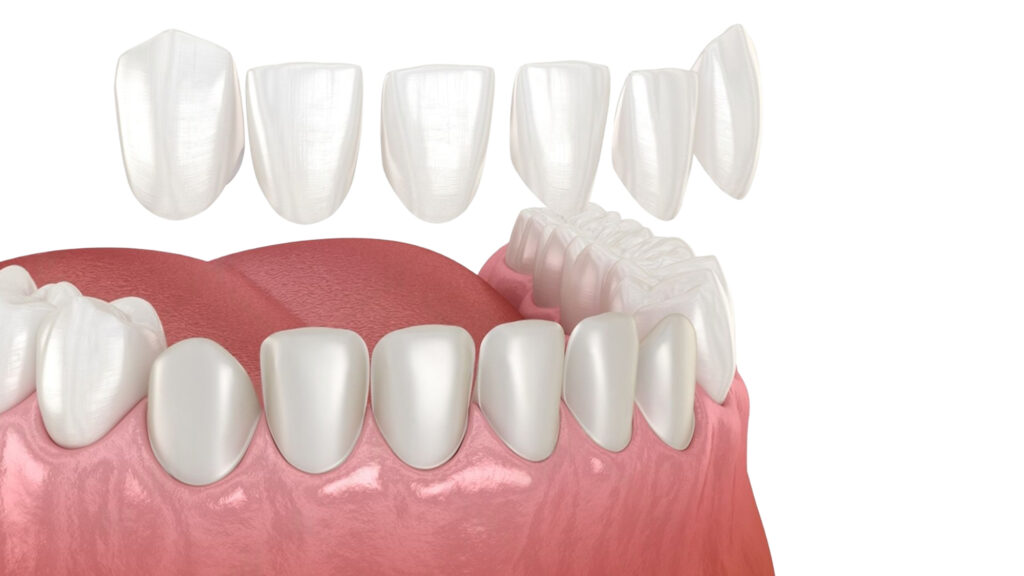
One of the most interesting facts about zirconium crown restorations is their ability to imitate the optical characteristics of natural enamel. Unlike traditional metal ceramic crowns, zirconium has semi-translucent properties that allow light to pass through similarly to a real tooth.
The scientific explanation behind this appearance is related to zirconium dioxide crystallization. When dental technicians shape a zirconium crown, they can control opacity levels to match surrounding teeth. This creates harmony in smile design and reduces the artificial “fake tooth” effect often associated with older prosthetic materials, supported by advanced monolithic zirconia.
Another advantage of zirconium crown aesthetics is color stability. Food pigments, beverages, and daily oral activities usually do not cause noticeable discoloration. While natural teeth may change shade over time due to lifestyle factors, zirconium restorations tend to maintain visual consistency for many years, supported by advanced multi-layered zirconia.
Patients who prioritize smile aesthetics usually prefer zirconium crown applications because they support natural facial expression. When talking or smiling, the crown blends seamlessly with existing dental structures, creating a balanced and sophisticated appearance.
2. Zirconium Crown Offers Exceptional Mechanical Strength
Durability is another remarkable characteristic of zirconium crown technology. Zirconium dioxide is known for its high fracture resistance and structural stability under chewing forces. This property makes it a preferred choice for both anterior and posterior teeth restoration.
Research in dental materials suggests that zirconium ceramics can tolerate significant occlusal pressure. For individuals who grind their teeth during sleep or have strong bite forces, zirconium crown solutions may provide a more reliable prosthetic alternative.
Unlike traditional metal crowns that may cause dark shadows near the gum line, zirconium crown systems distribute mechanical stress evenly across the tooth surface. This reduces the risk of microfractures and improves long-term clinical performance.
Chewing efficiency is another indirect benefit. Patients wearing zirconium restorations often report comfortable mastication without metallic taste sensation. This psychological and physiological comfort contributes to the growing popularity of zirconium crown dentistry worldwide.
3. Biological Compatibility Makes Zirconium Crown Safer for Gums
Biocompatibility is a crucial scientific advantage of zirconium crown materials. The human body tends to react minimally to zirconium dioxide, which reduces the probability of allergic response or inflammatory reaction.
Gum health plays a major role in prosthetic dentistry. Some metal-based crowns can create slight discoloration or tissue irritation over time. In contrast, high-quality zirconium crown structures are designed to support periodontal harmony.
The smooth surface structure of zirconium reduces bacterial adhesion. Oral microorganisms have more difficulty forming biofilm colonies on polished zirconium surfaces compared to rougher materials. This characteristic may help maintain oral hygiene more efficiently.
Many dentists consider zirconium crown technology particularly beneficial for patients with sensitive oral tissues or previous metal allergy history. Although individual responses may vary, zirconium prosthetics are generally associated with lower biological risk.
4. Zirconium Crown Technology Supports Digital Dentistry
Modern dentistry is moving toward digital workflow systems, and zirconium crown production is highly compatible with computer-aided design and manufacturing methods.
Digital scanning devices measure tooth geometry with micron-level precision. After scanning, software algorithms help dental technicians design a personalized zirconium crown model that fits the patient’s bite dynamics.
The table below summarizes differences between traditional crowns and zirconium restorations:
| Feature | Zirconium Crown | Metal Ceramic Crown |
| Aesthetic Appearance | Highly natural | Moderate |
| Biocompatibility | Very high | Variable |
| Fracture Resistance | High | Medium |
| Gum Tissue Interaction | Friendly | Sometimes problematic |
| Digital Manufacturing | Excellent compatibility | Limited |
The integration of artificial intelligence and digital imaging is gradually improving zirconium crown quality. Some dental laboratories are experimenting with predictive modeling to optimize crown thickness and structural balance.
5. Zirconium Crown Treatment Process Is Surprisingly Comfortable
Many people are curious about the clinical experience of getting a zirconium crown. The treatment usually begins with tooth preparation and digital or conventional impression taking.
After preparation, the dental laboratory fabricates the restoration. The waiting period may vary depending on clinic technology and workload. Clinics such as Livera Clinic often aim to shorten production time using advanced systems.
During placement, dentists check bite alignment, color matching, and functional movement. Minor adjustments can be performed to ensure comfort.
Patients often report that adapting to a zirconium crown feels similar to adapting to a natural tooth. Speech and chewing functions generally normalize within a short period.
6. Longevity and Maintenance of Zirconium Crown
Longevity is one of the most appreciated aspects of zirconium crown restorations. With proper oral hygiene, zirconium prosthetics can function for many years without significant structural deterioration.
Daily brushing, flossing, and regular dental examination help maintain crown performance. Although zirconium is strong, excessive mechanical trauma may still cause damage.
Interestingly, the lifespan of a zirconium crown is influenced not only by material quality but also by oral habits. Patients who avoid biting extremely hard objects tend to experience longer restoration durability.
Professional dental control appointments are recommended to evaluate crown integrity, gum condition, and occlusion balance.
Zirconium Crown technology represents a modern synthesis of aesthetic dentistry, material science, and digital manufacturing. The ability to mimic natural teeth, resist mechanical stress, maintain biological harmony, and integrate with advanced clinical systems makes zirconium restorations highly valuable, supported by advanced full-contour zirconia.
From cosmetic improvement to functional reliability, zirconium crown treatments offer a versatile solution for many dental restoration needs. Although treatment success depends on clinical expertise and patient cooperation, zirconium materials provide a strong foundation for long-term oral rehabilitation, supported by advanced cutback technique.
Dental technology will likely continue evolving, and zirconium-based restorations are expected to remain a dominant option in aesthetic prosthodontics. Clinics focusing on quality treatment protocols, such as Livera Clinic, play an important role in delivering reliable dental restoration services, supported by advanced fluorescence.