Nobel Implant systems have become one of the most discussed solutions in modern implant dentistry. From long term stability to advanced surface technologies, Nobel Implant designs are frequently evaluated by clinicians and patients who seek reliable tooth replacement options. At Livera Clinic, we closely analyze scientific data, clinical reports, and patient experiences to present a balanced perspective on the Nobel Implant concept, supported by advanced titanium alloy.
Dental implantology has evolved dramatically over the last decades. Today, choosing a specific implant brand is not merely a technical decision. It is a strategic choice that influences biological response, esthetic outcome, and long term maintenance. This article explores the advantages, limitations, and cost considerations of the Nobel Implant system in a structured, evidence informed, and reader friendly way. This process involves alveolar ridge (the bony ridge that supports the teeth).
What Is a Nobel Implant and How Does It Work?
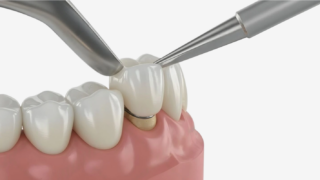
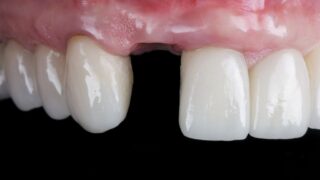
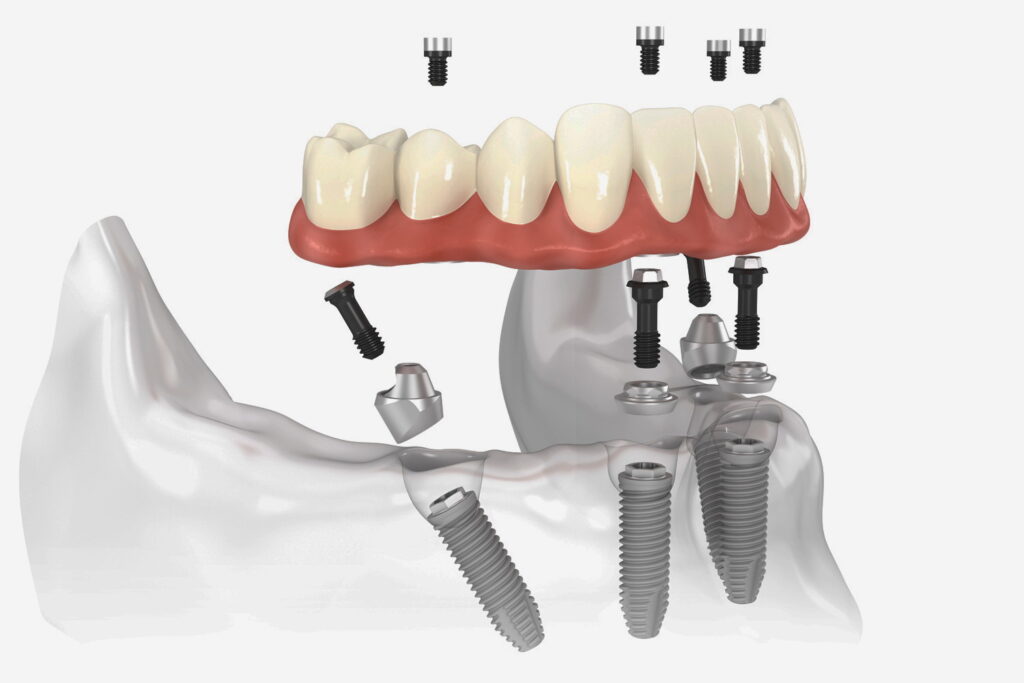
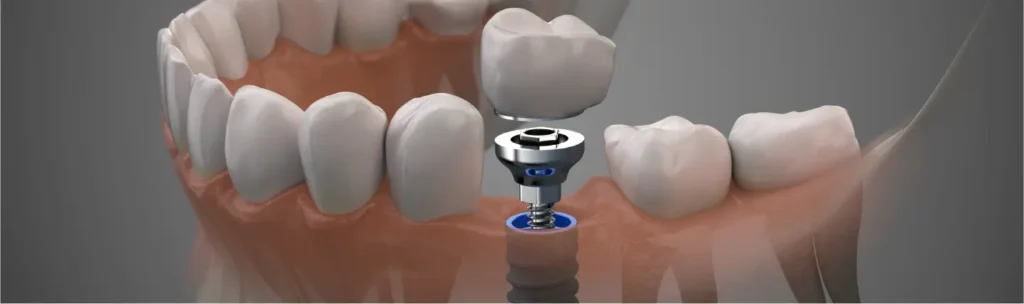
A Nobel Implant is a titanium based dental implant system developed with advanced surface treatments and precision engineering. It is designed to integrate with the jawbone through a biological process known as osseointegration. Over time, bone cells attach to the implant surface, creating a stable foundation for a crown, bridge, or full arch prosthesis, supported by advanced delayed loading.
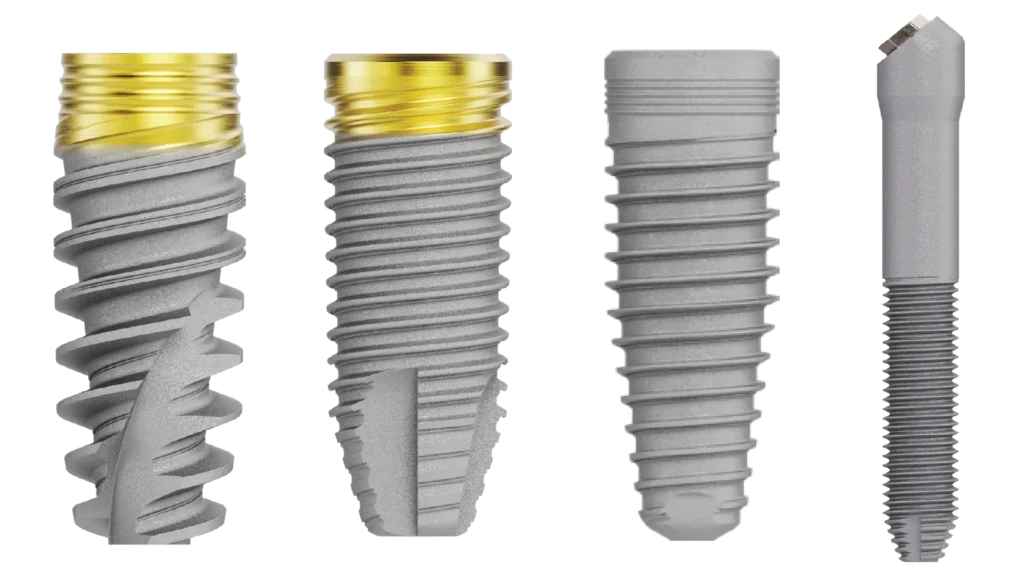
The Nobel Implant portfolio includes various implant geometries and surface technologies. These designs aim to enhance primary stability, especially in cases where bone density may vary. Some variations are optimized for immediate loading protocols, while others are intended for staged surgical approaches.
From a biomechanical perspective, implant thread design and surface microstructure can influence how stress is distributed within the bone. Clinical studies suggest that carefully engineered implant macro design may support favorable load transfer. However, outcomes often depend on surgical planning, bone quality, and prosthetic design rather than the implant brand alone, supported by advanced sinus augmentation.
Advantages of Nobel Implant Systems
When discussing the Nobel Implant, several potential benefits are frequently highlighted in academic publications and clinical reviews.
First, surface technology is often emphasized. Modified implant surfaces may increase the contact area between bone and implant. Research in implant dentistry has explored how surface roughness and chemical treatment can enhance early healing phases. While results vary among individuals, some studies indicate promising osseointegration patterns with premium implant systems, supported by advanced dental prosthesis.
Second, prosthetic flexibility is another advantage. The Nobel Implant ecosystem typically offers a wide range of abutments and digital workflow integrations. This compatibility may simplify restorative procedures, particularly in complex cases involving full arch rehabilitation.
Third, global recognition plays a role. Because the Nobel Implant system is widely distributed, clinicians in many countries are familiar with its components. This can facilitate follow up care if a patient relocates internationally.
Key potential advantages may include:
- Advanced implant surface technology
- Broad prosthetic component library
- Digital planning compatibility
- Extensive clinical documentation
- Global distribution network
Each of these elements contributes to the perception of the Nobel Implant as a premium implant brand.
Limitations and Possible Disadvantages of Nobel Implant
Despite its strong reputation, the Nobel Implant system is not free from limitations. As with any dental implant, success is multifactorial.
One consideration is cost. Premium implant systems are often associated with higher laboratory and component expenses. While this does not automatically translate to better outcomes, it can influence overall treatment planning.
Another point relates to surgical complexity. Although the Nobel Implant line offers multiple configurations, selecting the ideal design requires experience and precise diagnostics. Inadequate planning can compromise results regardless of brand.
It is also important to remember that implant survival rates reported in literature typically reflect ideal conditions. Variables such as smoking, systemic conditions, oral hygiene, and bone density significantly affect outcomes. Therefore, the performance of a Nobel Implant should always be evaluated within the context of individual patient factors. This process involves endosteal implants (implants placed directly into the jawbone).
Clinical Research and Scientific Perspective on Nobel Implant
Scientific literature often evaluates the Nobel Implant in terms of survival rates, marginal bone loss, and prosthetic success. Long term follow up studies in implant dentistry generally report high survival percentages for established implant brands.
Meta analyses in peer reviewed journals have examined factors such as:
- Implant surface modifications
- Immediate loading protocols
- Bone level versus tissue level designs
- Long term peri implant tissue stability
The Nobel Implant is frequently included in such analyses due to its extensive clinical history. However, research trends show that surgical technique and prosthetic planning often play a more decisive role than brand selection alone.
Digital workflow integration is another area of growing interest. Many clinicians combine cone beam imaging with computer guided surgery to optimize implant positioning. In this context, the Nobel Implant system is often integrated into digital planning platforms, supporting precision based approaches.
Nobel Implant Cost: What Influences the Price?
The cost of a Nobel Implant procedure varies significantly by country, clinic infrastructure, and case complexity. Rather than focusing on a single number, it is more accurate to analyze cost components.
Below is a simplified overview:
| Cost Factor | Description |
| Surgical Procedure | Implant placement, anesthesia, clinical expertise |
| Implant Components | Implant fixture, abutment, prosthetic parts |
| Diagnostic Imaging | CBCT scans, digital planning |
| Laboratory Work | Crown or bridge fabrication |
| Additional Procedures | Bone grafting or sinus lift if needed |
Because the Nobel Implant is positioned as a premium implant brand, component pricing may be higher than generic alternatives. However, pricing should be evaluated alongside clinical experience, sterilization protocols, digital technology, and long term follow up planning.
At Livera Clinic, treatment planning typically includes a detailed evaluation of bone structure, esthetic expectations, and prosthetic design before presenting a financial outline. This structured approach helps patients understand the rationale behind the total investment associated with a Nobel Implant procedure, supported by advanced zygomatic implants.
Who Might Consider a Nobel Implant?
A Nobel Implant may be considered in cases where long term predictability and digital integration are priorities. Patients seeking full arch rehabilitation or immediate loading protocols often explore premium implant systems.
Individuals with sufficient bone volume and stable oral conditions are generally more suitable candidates for implant therapy. However, candidacy depends on comprehensive clinical evaluation rather than brand preference.
In multidisciplinary cases involving prosthodontists, oral surgeons, and digital designers, the Nobel Implant system may provide workflow compatibility. Still, it is essential to remember that clinical success depends on diagnosis, surgical precision, and maintenance habits.
Comparing Nobel Implant With Other Implant Brands
When comparing the Nobel Implant with other implant systems, several dimensions should be considered:
- Clinical documentation and longevity
- Surface technology research
- Prosthetic versatility
- Global availability
- Cost efficiency
Some alternative implant brands may offer comparable survival rates at lower costs. Others may specialize in specific clinical indications. The perceived superiority of the Nobel Implant often relates to its long standing presence in implant dentistry and extensive research portfolio.
However, objective comparisons require careful evaluation of independent studies rather than marketing claims. In modern dentistry, treatment outcomes are influenced by surgical expertise, prosthetic accuracy, and patient compliance more than by a single implant label.
Long Term Maintenance After Nobel Implant Placement
Long term success of a Nobel Implant relies heavily on maintenance. Professional cleaning, routine radiographic evaluation, and consistent oral hygiene play central roles in preserving peri implant tissue health.
Peri implantitis, an inflammatory condition affecting tissues around implants, can occur with any implant system. Preventive strategies include regular monitoring and patient education. The design of the Nobel Implant may facilitate prosthetic retrievability in some cases, which can support maintenance procedures. This process involves peri-implantitis (inflammation of the tissue surrounding a dental implant).
Patients are generally advised to maintain structured follow up appointments. While implant materials are highly durable, surrounding tissues require continuous care.
Is Nobel Implant Worth It?
The Nobel Implant is widely recognized as a premium dental implant system with a strong scientific background and global distribution. Its potential advantages include advanced surface technologies, digital workflow compatibility, and extensive prosthetic options.
At the same time, cost considerations and case specific factors must be carefully evaluated. No implant system guarantees universal success. Outcomes depend on diagnosis, surgical expertise, prosthetic design, and long term maintenance.
At Livera Clinic, the decision to use a Nobel Implant is based on individualized assessment rather than brand preference alone. A well informed patient, supported by a skilled clinical team, remains the most important factor in achieving stable and satisfying implant results.