Alveoloplasty is a specialized dental procedure designed to reshape and smooth the alveolar ridge of the jaw, ensuring optimal preparation for prosthetic treatments such as dentures or implants. While it may sound complex, alveoloplasty plays a critical role in both oral health and the functional success of restorative dental procedures. Understanding this procedure, how it is performed, and its post-care requirements can help patients navigate their treatment with confidence.
What is Alveoloplasty and Why is it Important?
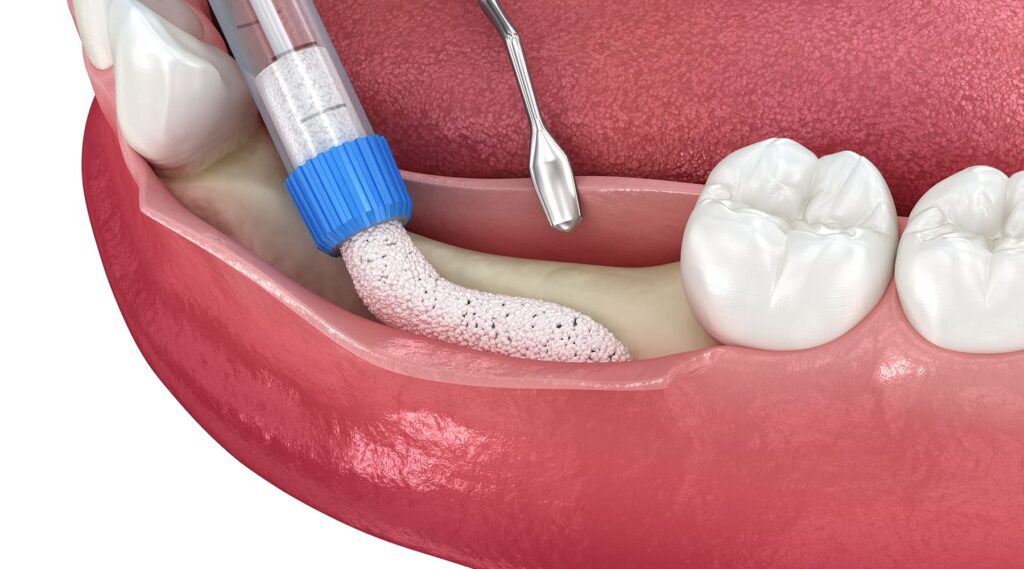
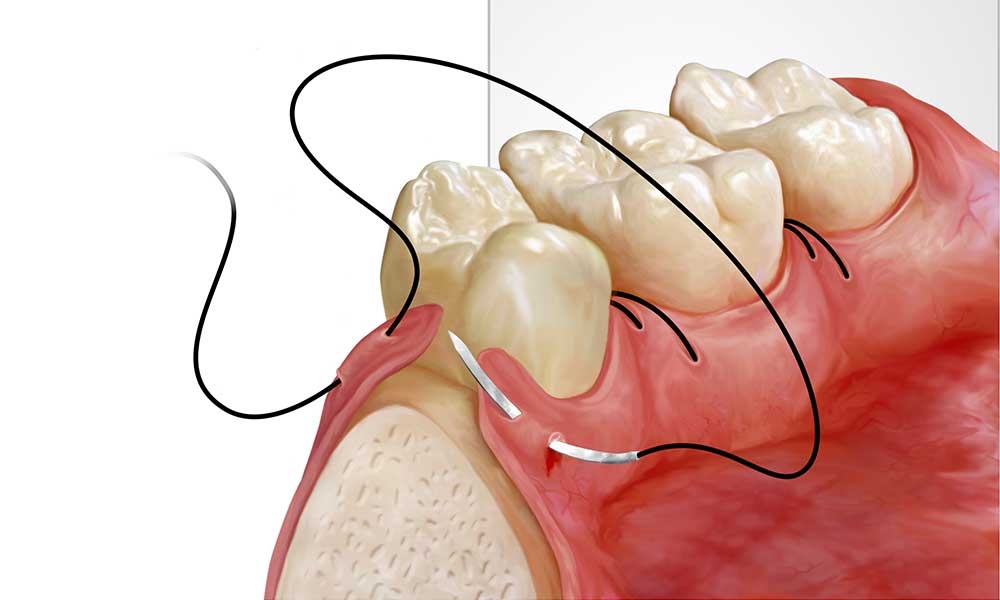
Alveoloplasty is a surgical technique that involves the precise reshaping of the jawbone after tooth extraction or before fitting dental prosthetics. The procedure ensures that irregularities, sharp edges, or bone spicules do not interfere with denture placement or oral function.
The alveolar ridge can undergo resorption or uneven changes over time, especially after tooth loss. Alveoloplasty corrects these issues, providing a stable foundation for dentures or implants. Studies indicate that patients who undergo ridge smoothing experience fewer complications and enhanced comfort in their prosthetic use.
Moreover, this procedure contributes to long-term oral health by reducing tissue irritation, minimizing risk of trauma, and promoting optimal healing. The precision involved makes alveoloplasty not only a functional necessity but also a preventive measure in dentistry.
How is Alveoloplasty Performed?
The alveoloplasty procedure begins with a thorough clinical assessment. Dentists evaluate the jawbone, surrounding soft tissues, and the overall oral structure. Modern techniques often involve local anesthesia, allowing for a pain-free experience.
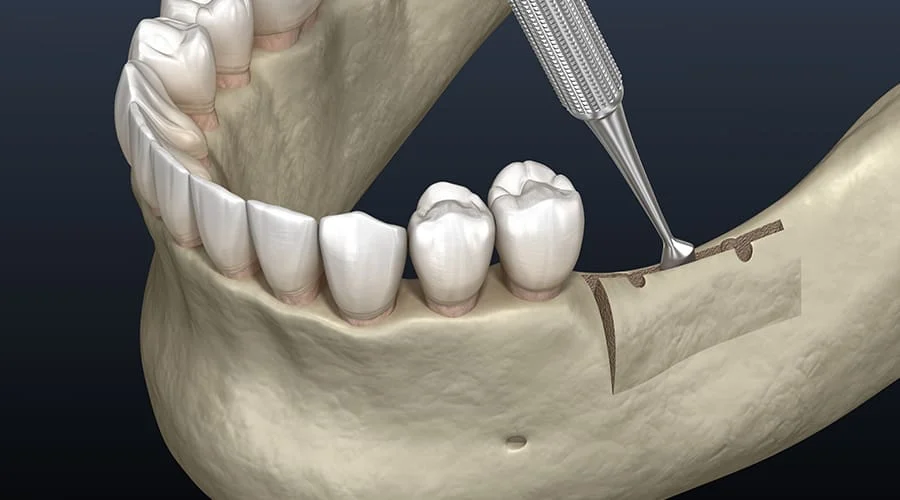
Using specialized instruments, the surgeon carefully removes irregular bone projections and reshapes the ridge. This may involve minor bone removal, smoothing, or contouring. In some cases, advanced imaging such as CBCT scans guides the process, ensuring the ridge is sculpted accurately.
The procedure is relatively quick, often completed in a single session. Post-operative X-rays may be taken to confirm the ridge has been properly contoured. Patients typically report minimal discomfort due to the precision of modern alveoloplasty techniques.
Types of Alveoloplasty
There are several variations of alveoloplasty, each tailored to specific clinical situations:
- Pre-extraction alveoloplasty: performed before tooth removal to anticipate future ridge irregularities.
- Post-extraction alveoloplasty: applied immediately after tooth extraction to smooth the bone.
- Secondary alveoloplasty: done on healed ridges that require reshaping for prosthetic purposes.
Each type has unique benefits, and the choice depends on patient anatomy, bone quality, and prosthetic needs. By selecting the appropriate approach, dentists optimize both aesthetic and functional outcomes.
Recovery and Post-Care after Alveoloplasty
Recovery following alveoloplasty is typically straightforward. Patients are advised to:
- Maintain soft foods for the first few days.
- Apply ice packs intermittently to reduce swelling.
- Avoid strenuous activity or heavy chewing.
Oral hygiene is critical, with gentle rinsing recommended to prevent infection. Pain management is usually addressed with over-the-counter analgesics, and healing generally occurs within 7–14 days. Alveoloplasty ensures smoother tissue contact with dentures, reducing soreness and improving comfort.
| Aspect | Recommendations |
| Diet | Soft foods, avoid hot/spicy items |
| Hygiene | Gentle rinsing, no brushing near incision initially |
| Pain | OTC analgesics, follow dentist’s guidance |
| Swelling | Ice packs, elevate head while resting |
Benefits of Alveoloplasty
The advantages of undergoing alveoloplasty extend beyond immediate comfort. Key benefits include:
- Enhanced denture fit and stability
- Reduced risk of oral injuries from sharp bone edges
- Better aesthetic outcomes
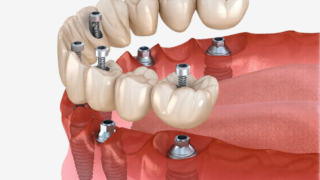
- Facilitated implant placement
- Overall improved oral health
Research demonstrates that patients who have received alveoloplasty report higher satisfaction with prosthetic devices and experience fewer complications during adjustment phases.
Common Misconceptions about Alveoloplasty
Despite its prevalence, alveoloplasty is often misunderstood. Some common misconceptions include:
- It is a painful or highly invasive procedure
- It is only necessary for cosmetic reasons
- Recovery is long and complicated
In reality, alveoloplasty is minimally invasive, focuses on function as much as form, and recovery is typically rapid with proper care. Understanding the procedure helps alleviate patient anxiety and encourages informed decision-making.
Is Alveoloplasty Right for You?
Alveoloplasty is an essential procedure in modern dentistry, bridging the gap between tooth extraction, bone health, and prosthetic rehabilitation. It offers a scientifically backed approach to ridge management, ensuring long-term comfort and functionality. For anyone considering dentures or implants, alveoloplasty can significantly enhance outcomes, reduce complications, and improve oral well-being.
By consulting with a qualified dental professional, patients can determine the ideal timing and type of alveoloplasty suited to their unique needs. Awareness of the procedure, its benefits, and post-care requirements empowers patients to navigate dental treatments confidently.